
wooden sheds 60 sq ft / 6 m² - Best Deals in UK!
Showing 1–12 of 24 results
-
20% OFF: 9’11 x 6’5 Yardmaster Balmoral Metal Shed (3.03m x 1.97m) £449.9920%

-
15% OFF: 8′ x 8′ Traditional Shiplap Pent Security Wooden Garden Shed (2.44m x 2.44m) £1,449.0015%

-
15% OFF: 10′ x 6′ Traditional Shiplap Wooden Garden Potting Shed with 6′ Gable (3.05m x 1.83m) £1,809.0015%

-
15% OFF: 10′ x 6′ Traditional Shiplap Apex Wooden Security Garden Shed (3.05m x 1.83m) £1,259.0015%

-
14% OFF: 10′ x 6′ Traditional Shiplap Pent Wooden Security Garden Shed (3.05m x 1.83m) £1,369.0014%

-
14% OFF: 8′ x 8′ Traditional Heavy Duty Shiplap Apex Wooden Garden Shed (2.44m x 2.44m) £1,639.0014%

-
14% OFF: 8′ x 8′ Traditional Heavy Duty Shiplap Pent Wooden Garden Shed (2.44m x 2.44m) £1,639.0014%

-
14% OFF: 8′ x 8′ Traditional Shiplap Apex Security Wooden Garden Shed (2.44×2.44m) £1,369.0014%

-
13% OFF: 6′ x 10′ Palram Canopia Grey Skylight Plastic Shed (1.85m x 3.04m) £723.9913%

-
12% OFF: 10′ x 6′ Traditional Heavy Duty Shiplap Pent Wooden Garden Shed (3.05m x 1.83m) £1,509.0012%

-
12% OFF: 8′ x 8′ Shire Iceni Pent Potting Shed (2.5m x 2.5m) £1,149.0012%

-
12% OFF: 8′ x 8′ Shire Sun Pent Wooden Garden Potting Shed (2.58m x2.55m) £1,149.0012%

Wooden sheds 60 sq ft / 6 m² give you a practical amount of garden space for storage, a small workshop, bike shelter or compact hobby room, with the natural look of timber and a footprint that fits many medium gardens.
Why this size works so well
A 60 sq ft / 6 m² wooden shed sits in a very useful middle ground. It is not so tiny that you are forever stacking things on top of each other, and not so large that it starts to dominate the garden. For many households, this size is the point where a shed begins to feel genuinely useful rather than just somewhere to shove the tools. You can organise garden equipment, store boxes, keep a pushbike out of the rain, and still have room to move around without the whole thing becoming awkward.
This category is often chosen by people who want more than basic storage but do not need a full studio-sized outbuilding. It can suit a narrow side return, a back corner, or a spot where you want a tidy timber structure that blends into planting and fencing rather than standing out too much. Because the footprint is manageable, it is also easier to place neatly in the garden without eating into every bit of lawn.
What 6 m² actually gives you inside
Area matters, but the internal layout matters just as much. In a 6 m² wooden shed, the usable space depends on the shape of the building, the roof style, and where the door sits. A square or near-square plan usually feels more flexible for box storage and workbenches, while a rectangular plan can be better if you want one long wall for shelving and the opposite side for large items like a mower, compost bins, or outdoor furniture cushions.
Bestseller der Kategorie wooden sheds 60 sq ft / 6 m²
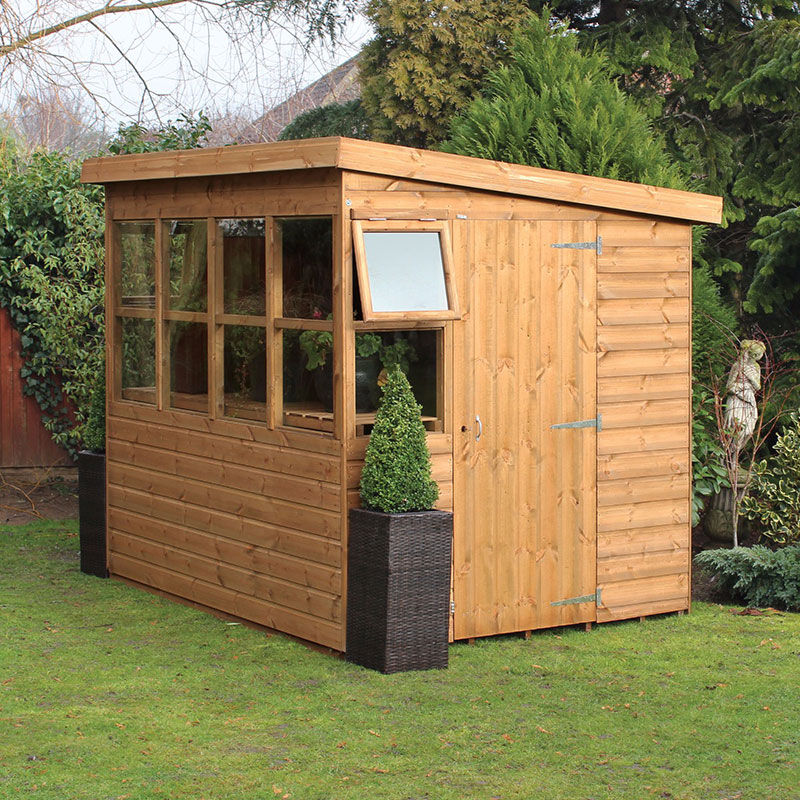
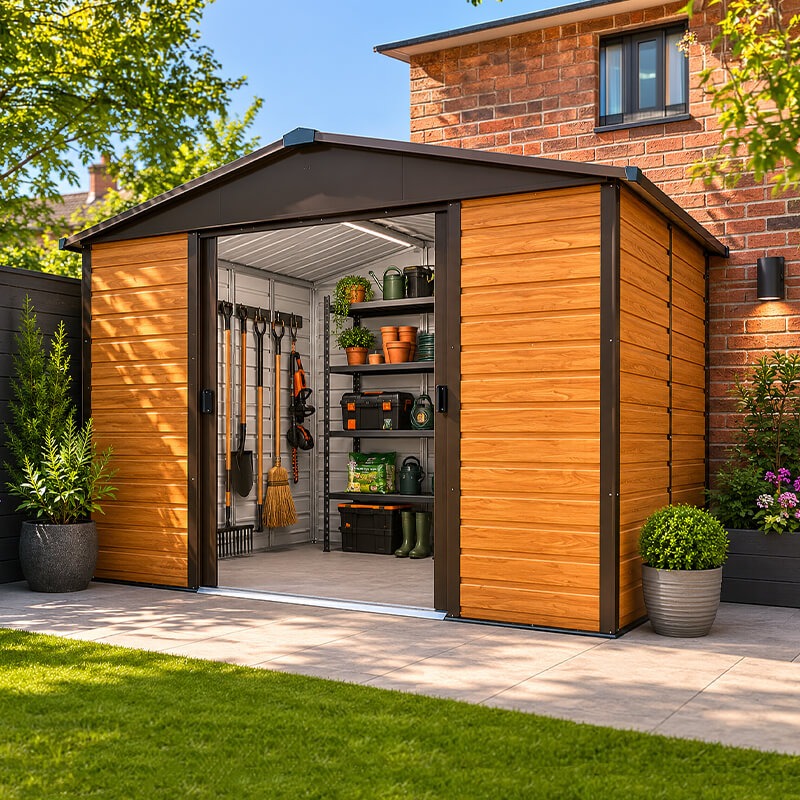
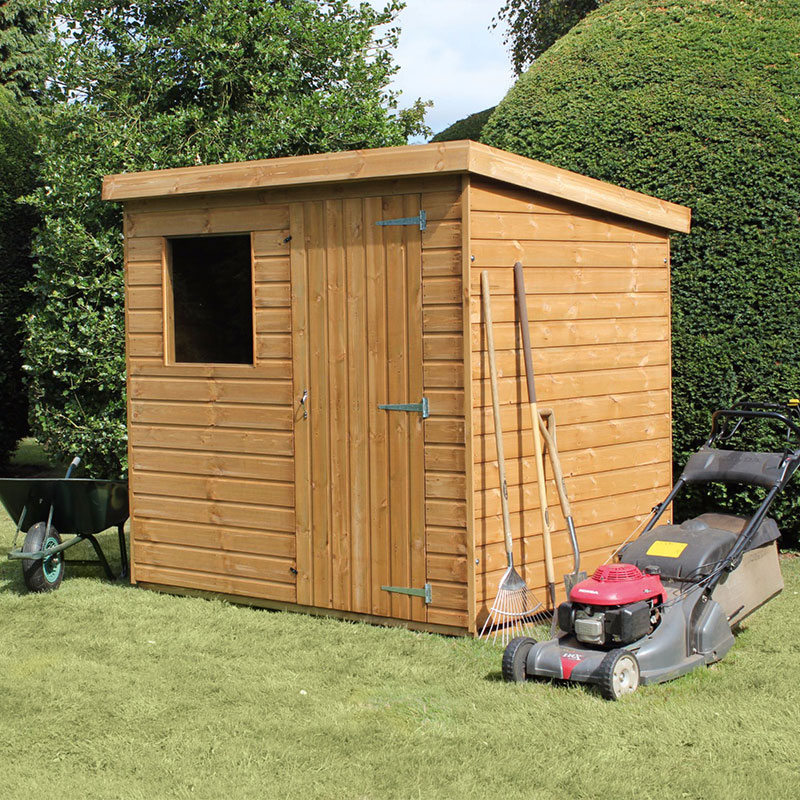
What buyers often like about this size is that it allows a clear division of space. One corner for tools, one wall for shelving, one side for taller items. You can keep the centre free for access, which makes a surprising difference when you are carrying in bags of soil or trying to find the hedge trimmer without moving five other things first.
Forms that change the feel of the shed
In this category, the shape of the shed can alter how it fits into the garden and how it feels to use. A pent roof wooden shed usually gives a neat, contemporary look and works well when placed against a boundary or fence, since the roof slopes in one direction. This can be helpful if you want rainwater to run off to the back, and the single slope often creates a slightly taller front wall that feels less cramped.
A gable roof wooden shed has the familiar pitched roof profile many buyers picture straight away. It tends to look a bit more traditional and gives a balanced appearance from the front. The ridge in the middle can make the shed feel more settled in a classic garden setting, especially if you already have timber fencing, a pergola, or a summerhouse nearby.
A lean-to style is another practical option when space is tight. It is usually chosen where the shed needs to sit close to a wall or boundary and where height needs to be managed carefully. It can be a good fit for gardens with planning or clearance considerations, though the exact suitability depends on local rules and the actual dimensions.
Some 6 m² sheds also come in apex, reverse apex, pent and corner-friendly layouts. The differences are not just visual. They affect headroom, access, and where you can place shelving without it interfering with the roof line. If you want to hang long-handled tools vertically, the wall height and roof pitch matter a lot more than people expect.
Timber styles: what changes beyond the outside look
The term wooden shed sounds simple, but there are real differences in the way timber sheds are made. A tongue and groove shed is often preferred for its tighter board fit and solid panel feel. The cladding pattern interlocks, which can give a more finished appearance and a reassuring sense of structure. It tends to be chosen by buyers who want the shed to feel a bit more substantial.
Overlap cladding has a more straightforward, traditional look. The boards overlap like roof tiles, which can be a straightforward and economical approach for basic storage use. It can suit a simpler garden setup where the priority is practical shelter rather than a polished exterior.
Shiplap cladding sits somewhere between the two in appearance, with a clean line and a more considered finish. It is often liked because it looks tidy without being fussy. For a shed in a visible position, that can make quite a difference.
There is also a difference in how the timber behaves visually over time. Some buyers prefer a natural wood grain they can leave more subdued; others want the shed to sit quietly beside planting and hard landscaping. Either way, the timber finish influences whether the shed feels like a working feature or a softer part of the garden composition.
Storage, workshop, bike shed: same size, different priorities
A 60 sq ft shed can lean in several directions, and that is part of its appeal. Used mainly for garden storage, it can take tools, compost bags, hose reels, folded chairs, children’s outdoor toys and the usual bits that tend to clutter patios. In this mode, the point is not to fill the shed wall to wall, but to make the garden feel calmer by giving everything a proper place.
As a compact workshop, the same footprint starts to work differently. The important features are then wall width, door opening, internal height and whether you can fit a bench without blocking access. A narrower rectangular shed can still work if the bench runs along the long side, but a more square layout often feels better when you need to turn around, clamp something, or keep materials on a shelf within arm’s reach.
As a bike shed, this size can be very handy, especially if the doors open wide enough and there is enough clear floor area to roll bikes in without scraping pedals against the frame. It can also help if the shed has a slightly taller roof or a door position that avoids awkward manoeuvring. For many people, keeping bikes dry and out of sight is reason enough to choose this category alone.
Flat pack feel or more of a built structure?
When comparing wooden sheds in this size, one major difference is whether the shed arrives as a panel-style build or in a more traditional sectional form. Panel construction can make assembly more straightforward because larger sections are easier to align, while sectional approaches may offer a different balance of handling and build sequence. Neither is automatically better; it depends on access, the location of the shed, and how much room you have for construction.
For buyers, the real question is often not simply “how is it built?” but “how does that affect the finished space?”. Thicker-feeling panels, better join alignment and sensible opening sizes often matter more than any flashy wording in the listing. A shed that fits your tools properly and doesn’t leave wasted space is usually the better purchase, even if it sounds less glamorous on paper.
Door positions, access and the everyday use test
In a 6 m² wooden shed, the door layout can make or break usability. A single door is fine for straightforward storage, but if you plan to move larger items in and out, double doors can feel much easier. They allow wider access for wheelbarrows, bikes, garden furniture and bulkier boxes, and they reduce that annoying angle-shuffle every time you want to get something out.
A door placed on the gable end can suit a rectangular footprint if you want the length of the shed for shelving or worktop space. A side door might be useful in a more compact garden arrangement, though it will also change how you organise the internal layout. Buyers sometimes focus only on roof shape and forget that door position affects almost every daily use case. It really does matter.
Also worth noticing is whether the threshold feels easy to step over. If you are moving heavier items, a low and practical entrance can be more useful than an overly decorative one.
Square, rectangular or corner-friendly: choosing the right footprint
The phrase 60 sq ft tells you the area, but not the shape. A square-ish footprint often feels balanced and easy to furnish with shelves, tool racks and a central aisle. It is a sensible choice if you want general-purpose storage and do not yet know exactly how the shed will be used.
A rectangular shed is often the stronger pick for organised storage along one side, because it gives you a clearer line of circulation. Think of it as better if you want zones: one end for larger items, the middle for access, one wall for smaller tools. It can be a bit more efficient for longer equipment, though it may feel more narrow if the proportions are too stretched.
Corner-friendly designs can be useful when the garden has an awkward angle or when you need to preserve open space elsewhere. These layouts may not suit everyone, but in the right setting they can make the most of a tight plot and keep the shed visually tucked away.
What timber sheds do better than plastic or metal in this size
Compared with other materials, a wooden shed often feels more at home in a domestic garden. It can sit beside planting, fences and decking without looking too stark or industrial. That makes it easier to treat the shed as part of the garden rather than just an add-on. For buyers who care about the way the space looks from the house, that is a meaningful advantage.
Wood also tends to be easier to adapt visually to nearby features. A timber shed can feel softer against shrubs and climbers, and it often suits both traditional and modern outdoor schemes. In this size especially, where the shed is not huge, the material choice can decide whether it looks like a neat garden structure or just a box at the end of the lawn.
Another benefit is how timber can support a more flexible internal arrangement. Shelving, hooks and fixed storage generally feel natural on wooden walls, and that can help you use the full height of the shed rather than letting space go to waste.
Buying tips that save disappointment later
When looking at wooden sheds 60 sq ft / 6 m², it helps to think in practical terms. First, check whether the internal space matches the type of items you actually own. A shed can sound roomy until you place a mower, two bikes, and a stack of garden pots inside it. So measure the largest things first, then compare them with the door opening and wall dimensions.
Second, look at the relationship between roof style and headroom. If you plan to stand inside for longer periods, even a small difference in eaves height can change the whole feel. Third, think about visibility. A shed that is seen from the patio may need a shape and timber finish that sits well with the garden, not just the boundary line. These things sound minor, but they shape the buying experience a lot.
Also useful: if the shed is intended for mixed use, choose a layout that allows one clear path from door to back wall. It sounds obvious, but many sheds become awkward because the first shelf is placed too deep or the bike rack ends up blocking everything else. A little planning now avoids a lot of small annoyances later.
Features buyers often compare side by side
- Roof type: pent for a more modern profile, gable for a classic balanced look, lean-to for tighter placements.
- Cladding: overlap for a straightforward traditional feel, shiplap for a cleaner finish, tongue and groove for a tighter, more substantial panel look.
- Door style: single for everyday storage, double for easier access to bulky items.
- Footprint shape: square for flexibility, rectangular for long-wall organisation, corner-oriented for awkward gardens.
- Internal usability: wall height, roof slope and threshold design all affect how the shed works once it is in place.
Why this category attracts both neat-freaks and practical gardeners
A 6 m² wooden shed often appeals because it solves a real garden problem without turning the space into a building site. For tidy households, it gives everything a place and reduces visual clutter. For practical gardeners, it keeps tools close by, protected and grouped in one spot. For people with limited outdoor space, it can act as a proper storage hub without swallowing the whole plot.
There is also a quiet confidence in timber. It does not shout for attention, but it rarely looks out of place either. That is part of why this category remains popular with buyers who want something useful, not overdone, and not too small to be frustrating. A good wooden shed in this size can feel like one of the most sensible additions to a garden, even if it is not the first thing guests comment on.
The details that make the difference when you are ready to choose
When browsing this category, keep your eye on the combination of shape, door access, cladding style and layout. Those four things usually decide whether a shed is genuinely convenient or just acceptable on paper. A shed that looks nice but makes it awkward to store a wheelbarrow or reach your tools will soon feel less appealing. On the other hand, a model with a straightforward plan, clear access and a timber style that suits your garden can make everyday jobs noticeably smoother.
If you want a shed that feels like a proper part of the garden rather than an afterthought, wooden sheds 60 sq ft / 6 m² are a very workable size. They give you room to organise, space to move, and enough presence to be useful without taking over. That balance is exactly why so many buyers keep coming back to this category when they are comparing their options.
[Sassy_Social_Share]