
wooden sheds 50 sq ft / 5 m² - Best Deals in UK!
Showing 1–12 of 18 results
-
27% OFF: 7′ x 7′ Forest 4Life 25yr Guarantee Overlap Pressure Treated Windowless Double Door Reverse Apex Wooden Shed (2.28m x 2.12m) £482.9927%

-
25% OFF: 7′ x 7′ Forest 4Life 25yr Guarantee Overlap Pressure Treated Double Door Reverse Apex Wooden Shed (2.28m x 2.12m) £496.9925%

-
23% OFF: 7′ x 7′ Forest 4Life 25yr Guarantee Overlap Pressure Treated Windowless Double Door Apex Wooden Shed (2.28m x 2.12m) £500.9923%

-
22% OFF: 6’7 x 7′ Shire Shiplap Pent Wooden Garden Shed (2.01m x 2.15m) £619.9922%

-
21% OFF: 7′ x 7′ Shire Shiplap Wooden Corner Garden Shed (2.16m x 2.16m) £729.9921%

-
20% OFF: 7′ x 7′ Forest 4Life 25yr Guarantee Overlap Pressure Treated Double Door Apex Wooden Shed (2.28m x 2.12m) £520.9920%

-
18% OFF: 7′ x 7′ Shire Premium Pressure Treated Wooden Corner Garden Shed (2.07m x 2.16m) £814.9918%

-
13% OFF: 9′ x 6′ Palmako Stella (16mm) Premium Large Garden Bar (2.7m x 1.9m) £1,899.0013%

-
8% OFF: 7â x 7â Mercia Premium Composite Pent Shed (2.03m x 2.08m) £1,479.008%

-
7% OFF: 6’7 x 7′ Shire Shiplap Pent Wooden Garden Shed (2.01m x 2.15m) £746.997%

-
7% OFF: 7′ x 7′ Shire Shiplap Wooden Corner Garden Shed (2.16m x 2.16m) £857.997%
-
7% OFF: 7′ x 7′ Shire Premium Pressure Treated Wooden Corner Garden Shed (2.07m x 2.16m) £922.997%
Wooden sheds 50 sq ft / 5 m² are a practical choice for compact gardens, offering tidy storage for tools, bikes, compost bins or a small potting area without taking over the plot.
Compact size, proper usefulness
A 50 sq ft / 5 m² wooden shed sits in that useful middle ground: small enough for tighter gardens, yet large enough to do more than just hide a lawnmower. This footprint is often chosen when space is limited but the need for enclosed storage is still quite real. It can keep garden gear out of sight, give structure to an awkward corner, and create a neat focal point without making the garden feel boxed in.
What makes this size appealing is the balance. It is not a huge outbuilding, so planning the garden layout stays easier, but it is also not a token cupboard at the back of the plot. For many buyers, the attraction is simple: enough room for everyday items, without the footprint becoming a problem itself.
Shapes that change how the space feels
Even within this size, the shape of the shed can alter how usable it feels. A rectangular shed is the most straightforward option, because straight walls make shelving, racking and stacking more efficient. It suits gardens where the shed is placed along a boundary or against a fence, and it tends to make the best use of the full floor area.
Bestseller der Kategorie wooden sheds 50 sq ft / 5 m²
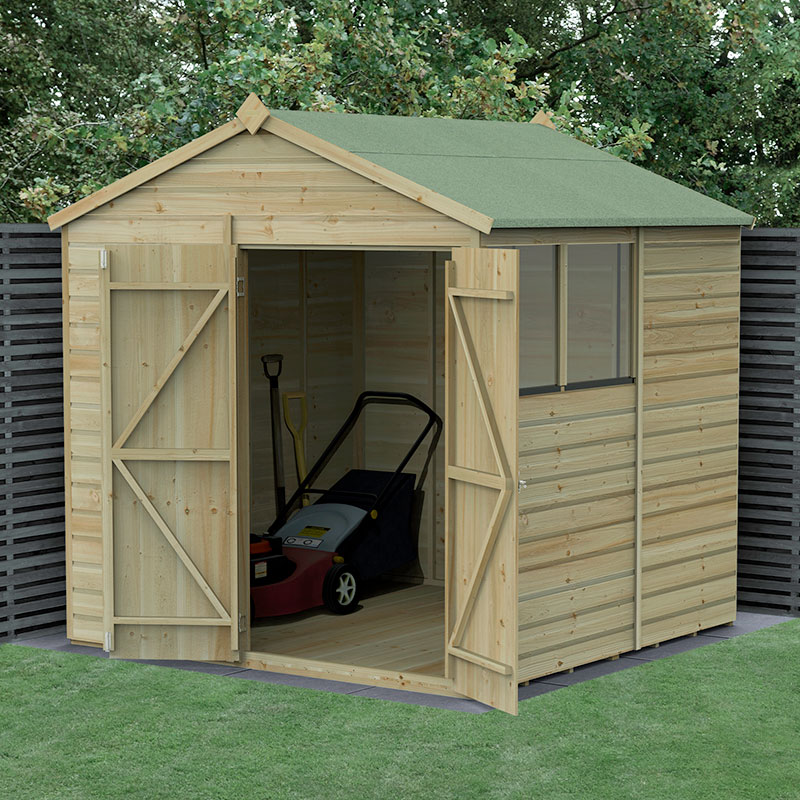
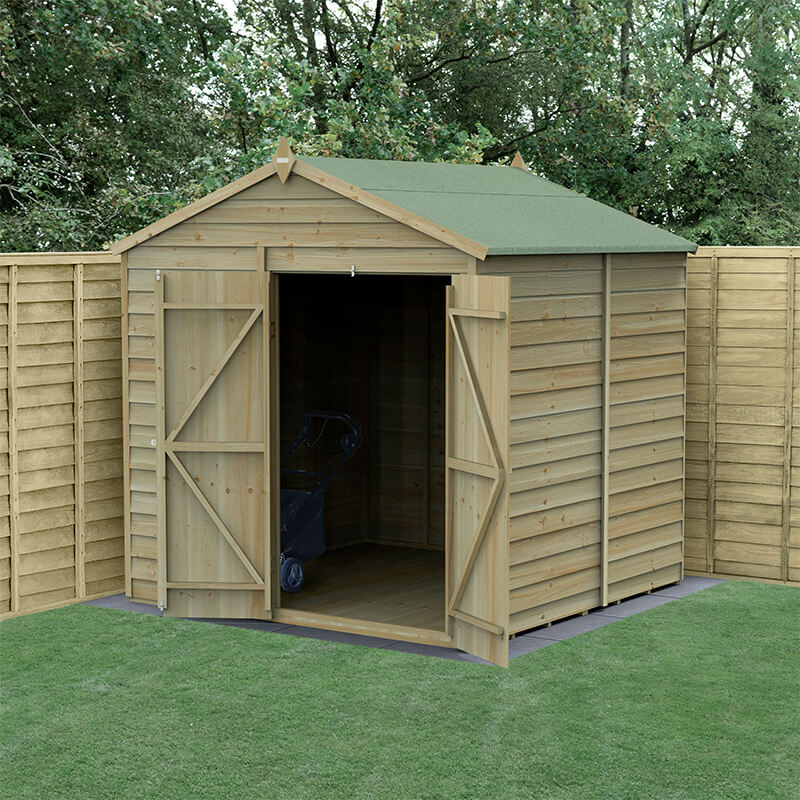
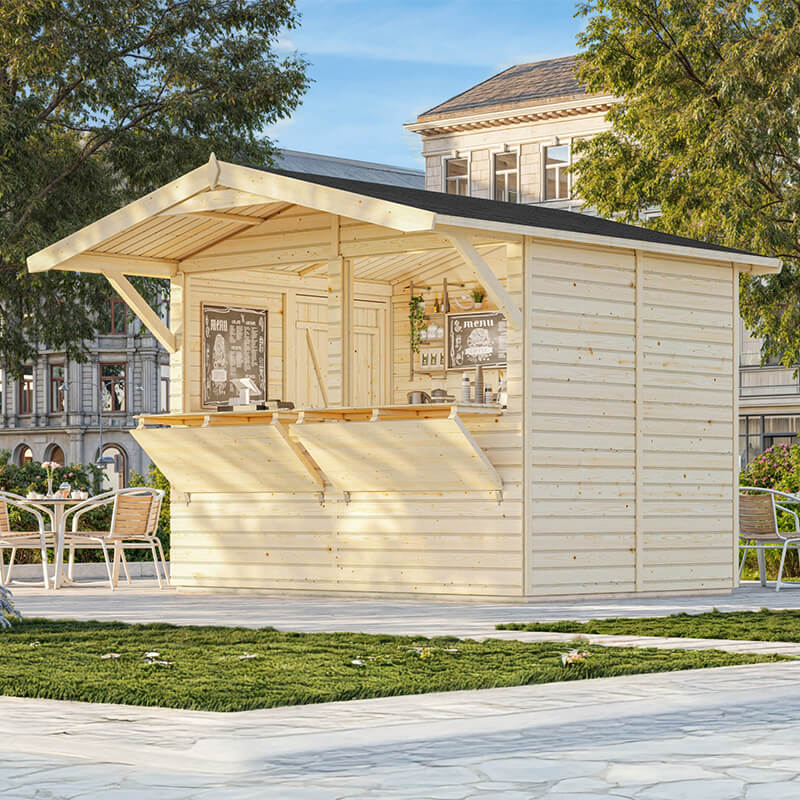
A square shed can feel more centred and flexible, especially if you want the interior to be arranged around a central aisle or want access on more than one side. It may suit a corner plot where depth is less important than balanced proportions. Then there are pent sheds, with one higher wall and one sloping wall, which can be a smart solution where you want a slimmer profile and a roofline that sits neatly beside a fence. Pent styles often look tidy in modern gardens and can help the shed blend in, rather than stand out.
Some buyers prefer a classic apex roof for a more traditional look. The pitched form can give the shed a more familiar garden-building character, and in a 50 sq ft footprint it often helps the structure feel less boxy. The difference is not only visual: the shape can influence how much standing space you have inside and where shelves fit best. Small details, but they matter when every foot counts.
Why wood works so well at this scale
Wooden sheds have a natural appeal that suits garden spaces. At 50 sq ft / 5 m², the material feels appropriate because the building is not trying to dominate the plot. Timber gives a softer appearance than metal or plastic, which matters if the shed sits near planting, a patio or a lawn edge. It tends to sit more quietly in the background, while still looking like a proper garden structure.
Another reason people choose wood at this size is the sense of adaptability. A wooden shell can take shelving, hooks, internal layout changes and different door positions in a way that many buyers appreciate. That does not mean every shed is custom, of course, but the material tends to feel more workable and less fixed. For buyers comparing materials, this often becomes a deciding factor.
Wood also suits mixed-use intentions. A 5 m² shed may be for garden tools today, and a few stacked chairs, a hose reel and pots tomorrow. The same space can shift with the season. That flexibility is one of the quiet strengths of a timber shed, and it is easy to understate it.
Different roof styles, different advantages
The roof is one of the clearest differences between wooden shed types in this size range. A pent roof gives a simple single slope, often making the shed look neat and slightly more contemporary. It can be useful when the shed is positioned against a higher boundary or under an area where you want the roofline to lean away from a wall. For buyers who like a crisp, compact appearance, pent roofs often make sense.
An apex roof offers a peaked top, which brings a more traditional silhouette. In a small footprint, that peak can help the structure feel less squat. It also gives the building a familiar shed profile, something many people prefer when the garden already has a classic feel. The two sides of the roof can also create a more balanced look from the front, which is handy if the shed is visible from the house.
A less common but still relevant distinction is the reverse apex layout, where the ridge runs front to back instead of side to side. This changes where the doors and end walls sit, which can matter if access is tight. It is a small point, but in a 50 sq ft shed, small points are often the whole story.
Log cabin, overlap or shiplap: the wall build matters
When browsing wooden sheds in this category, buyers often notice terms like overlap, shiplap and log cabin. These describe how the wall boards fit together, and the difference affects both appearance and the feel of the building.
Overlap sheds usually use boards that overlap one another. They are often chosen for straightforward storage and a more practical price point. The look is rustic, and the structure can suit a simple garden where the shed is there to do a job first. In this size, overlap can be a sensible choice if you want basic storage with a timber finish.
Shiplap sheds use interlocking boards that sit more tightly together. That creates cleaner lines and a more refined appearance. Many buyers like shiplap because it tends to look more finished, and the walls can feel more substantial. In a 50 sq ft model, that can make the difference between a plain utility box and a shed that looks like part of the garden design.
Log cabin construction is another option, often with thicker interlocking boards and a more solid feel. Within the 5 m² category, this style can appeal to people who want a sturdier, more substantial structure in a still-manageable footprint. It often has a more cabin-like character, which some gardens suit very well. The trade-off is usually a greater sense of weight and presence, so it is worth thinking about whether the garden wants a neat store or something with a stronger architectural look.
Which 50 sq ft layout suits what you need
Not every buyer wants the same use from a small shed, and that is where layout becomes important. A single-door shed can be ideal when the space is mainly for storage and you are happy moving items in one at a time. It keeps the front neat and simple, and it can work especially well if the shed sits in a narrow side return or against fencing.
A double-door shed changes the experience a fair bit. The opening is wider, which makes bulky items easier to move through. Garden furniture, larger tool cases, or even a push mower can feel less awkward going in and out. For some users, this is the difference between a shed that is merely compact and one that is genuinely easy to use. If the shed will be opened often, double doors can feel much less fiddly.
Side doors are less common in this size, but when available they can improve access if the front faces a path or a tighter part of the garden. The right door position can save hassle later, and that is worth thinking about before buying. A nice-looking shed is one thing, but a shed that opens in the wrong place can be mildly annoying every time you use it.
Inside space: how 5 m² can be used well
A 5 m² interior needs a bit of planning, even if the shed is not especially large. The most useful setups usually leave a clear route from the door to the back wall, with storage positioned up the sides. That allows you to reach items without having to unpack half the shed first.
Many buyers use this size for a mix of long-handled tools, stacked tubs, a wheelbarrow, and folded garden furniture. Others prefer a more workshop-style feel, with one side dedicated to shelving and the other to larger equipment. The key difference is whether the shed needs to be walked through or simply accessed. A walk-through layout benefits from wider doors and clear central floor space; a storage-led layout can be more tightly packed.
If you want the shed to do several jobs, think in zones. One wall for tall items, one wall for boxes, one corner for awkward bits like hose reels and planters. That sounds obvious, but it stops the shed becoming a jumble, which can happen fast in a compact building.
Useful differences between finishes and glazing
The finish of a wooden shed influences both appearance and how open it feels. A plain-clad shed without glazing is best for pure storage and a more discreet look. It hides contents well and can feel neatly private. That suits gardens where the shed should blend into the background rather than draw attention.
By contrast, a shed with glazed panels or small windows can feel lighter and less enclosed. In a 50 sq ft footprint, a bit of daylight makes a surprising difference, especially if the shed is used for potting, sorting, or simply finding things without a torch. The trade-off is that more glazing usually means less privacy for the contents, so it depends what you are storing.
There is also a style difference between a fully enclosed garden store and a more cabin-like shed with window features. The first is about security of sightlines and tidy concealment. The second feels more inviting and may suit a garden where the shed is visible and forms part of the design. Neither is better in all cases; they just serve different needs.
Placement tips that make the size work harder
The spot you choose can change how a 50 sq ft wooden shed performs. Placing it along the boundary often frees up the main lawn or patio area. Putting it in a back corner can make the shed feel less intrusive, while still keeping storage close at hand. If the garden is narrow, a rectangular shape with doors facing the longest clear run can make access much easier.
Think also about how the shed relates to movement in the garden. If the doors open onto a path, day-to-day use feels smoother. If they open into a cramped corner, even a useful shed can become a bit inconvenient. The same goes for where sunlight falls. A bright position can make the interior easier to use, while a shaded spot may help the shed visually recede. It depends what matters more: visibility, access, or a quiet background presence.
What buyers often like about this size
There is a reason this category keeps getting attention. A wooden shed around 50 sq ft / 5 m² can answer several needs at once without demanding too much of the garden. It gives enclosed storage, helps keep the garden looking calmer, and can reduce the feeling that tools and equipment are living everywhere. That alone can make a plot feel more sorted out.
For many people, the appeal is also psychological. A shed this size feels like a proper addition, not an afterthought. It can make a small garden feel more organised and a larger one feel better planned. It is not about having more stuff; it is about having a place for the stuff that already tends to gather. That makes the whole space easier to enjoy.
Choosing between a practical store and a more polished garden feature
Some wooden sheds in this category are clearly about utility first. Others have a more considered finish, with tidier cladding, better proportioned windows or a roofline that adds presence. The difference matters because it affects how the shed sits in the garden. If it is tucked away and rarely seen, a simpler style may be all you need. If it is visible from the house, patio or seating area, a more polished look can be worth choosing.
That does not mean you need to chase decoration for its own sake. Rather, it helps to ask whether the shed should vanish into the garden or act as a small feature within it. In a 50 sq ft footprint, that decision shapes the whole impression. A well-chosen timber shed can look calm, tidy and intentional, which is usually what buyers want without really saying so.
A smart fit for small gardens and tighter plots
Wooden sheds 50 sq ft / 5 m² are a useful answer when you need storage but still care about the shape of the garden. The range includes straightforward overlap stores, cleaner shiplap builds, and more substantial log cabin styles, along with pent, apex and reverse apex roof forms. Each version changes the look, the access, and the way the space feels inside.
If you are comparing options, focus on the shape, roof, door layout and wall build first. Those features do the real work. Once they suit the way you use the garden, the shed becomes more than a box for tools. It becomes a practical part of the layout, and one that can make the whole space easier to use day after day.
- Rectangular shapes make shelving and storage planning easier.
- Square footprints can feel balanced and flexible inside.
- Pent roofs suit neat, modern-looking gardens and tight boundary spots.
- Apex roofs give a more traditional shed profile.
- Overlap walls offer a simple, rustic storage solution.
- Shiplap walls give a cleaner finish and a more refined look.
- Log cabin construction feels more substantial in the same footprint.
- Double doors help with bulkier items and easier access.
- Single doors keep the front simple and can suit narrower spaces.
- Glazed panels can make the interior brighter and easier to use.
If you want a shed that fits a smaller garden without feeling cramped, this size is often the one people circle back to. It has enough presence to be useful, enough restraint to stay neat, and enough variety in form to suit different gardens, which is really the point.
[Sassy_Social_Share]