
wooden sheds 50 sq ft / 4 m² - Best Deals in UK!
Showing 13–14 of 14 results
-
7% OFF: 8′ x 6′ Keter Factor Plastic Garden Shed (2.57m x 1.82m) £859.997%

-
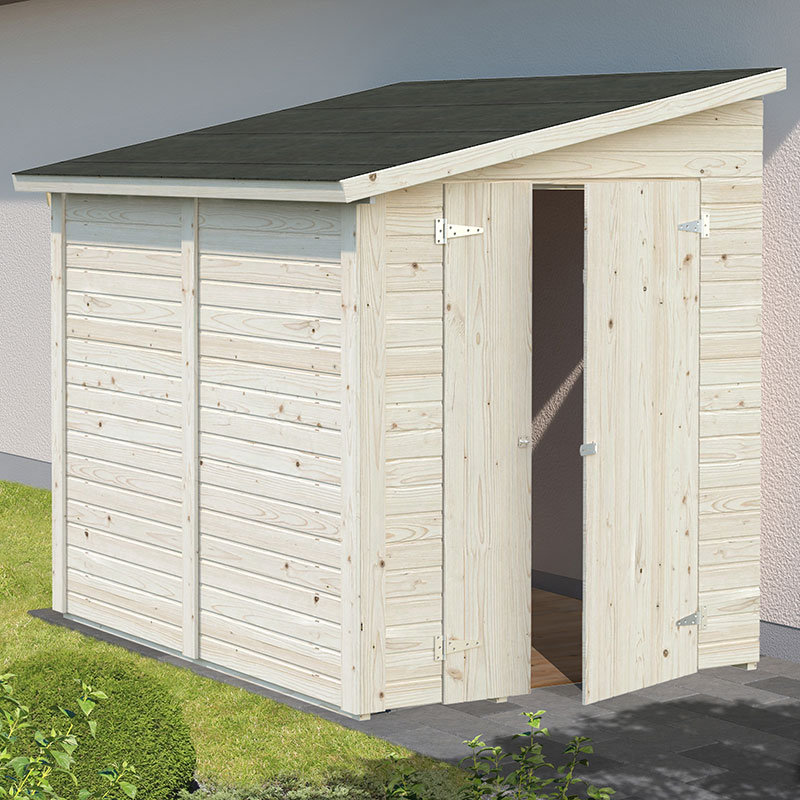
7% OFF: 8′ x 6′ Palmako Mia Heavy Duty Lean To Shed (2.4m x 1.8m) £998.007%

Wooden sheds 50 sq ft / 4 m² offer compact, attractive storage for tools, bikes, garden kit and hobby space, with timber construction, useful roof styles and shapes that suit smaller plots and tidy outdoor layouts.
Why a 50 sq ft / 4 m² wooden shed makes sense
A wooden shed around 50 sq ft / 4 m² sits in that very handy middle ground: large enough to store the things that usually clutter a patio, yet small enough to fit into many ordinary gardens without taking over the whole space. It gives you proper enclosed storage, but does not feel bulky in the way a bigger outbuilding can. For many buyers, that balance is the real appeal.
The timber look matters too. A wooden garden shed often feels softer and more in keeping with plants, fencing and lawn areas than metal or plastic alternatives. If you want storage that looks like it belongs in the garden rather than being plonked in it, wood is often the easier choice. It can sit neatly beside a boundary, tuck into an awkward corner, or serve as a small focal point with a practical job to do.
What fits inside this size without the squeeze?
At 4 m², the layout needs a bit of thought, but the capacity is still useful. This size is often chosen for:
Bestseller der Kategorie wooden sheds 50 sq ft / 4 m²
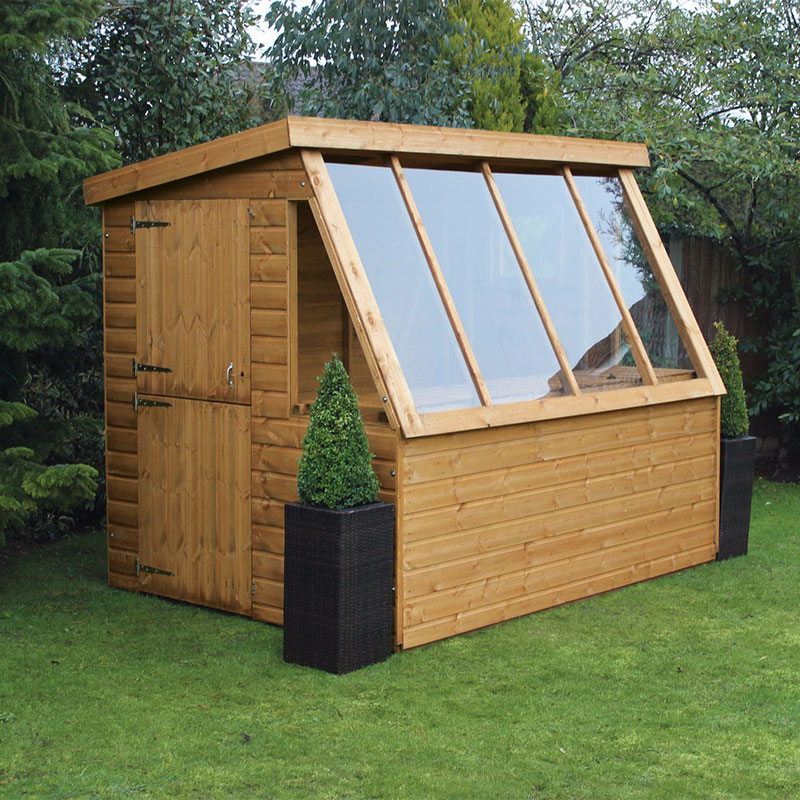
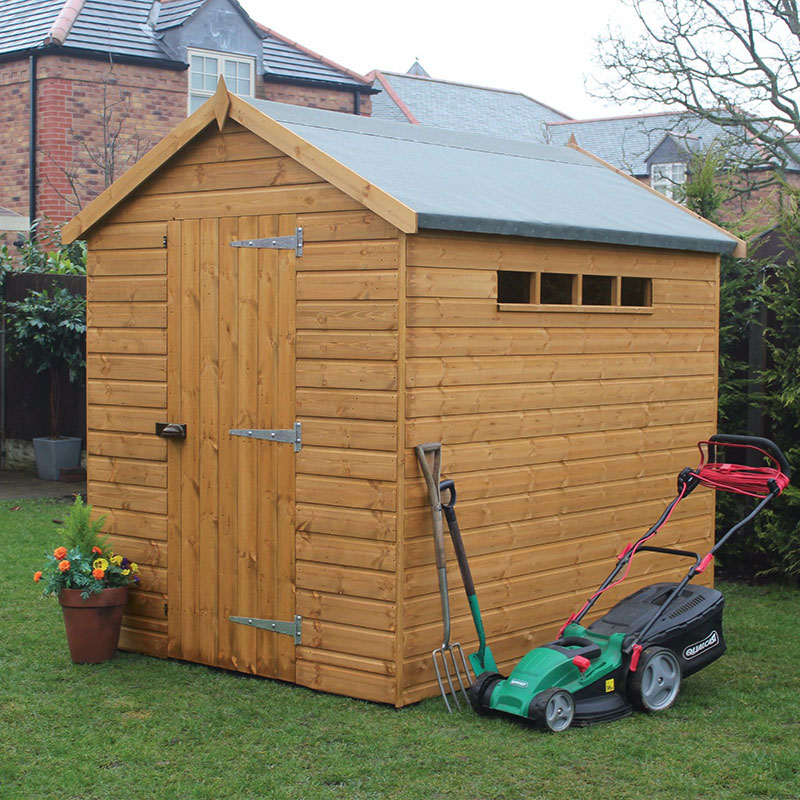
- Hand tools, long-handled tools and everyday gardening equipment
- Small lawnmowers, trimmers and hedge cutters
- Bikes for one adult or a couple of smaller bikes, depending on shape
- Potting supplies, compost bags and watering cans
- Folded outdoor furniture or cushions, where dry storage is needed
- Children’s outdoor toys that always seem to multiply by the door
The key is not just floor area, but how the shed is arranged internally. A model with a good roof height, sensible door opening and a clean rectangular plan will usually feel more usable than one with the same footprint but awkward corners. That is where shape and door position start to matter more than many shoppers first expect.
Classic shapes and how they change the feel
Not all wooden sheds 50 sq ft / 4 m² are laid out the same way. The footprint may be similar, but the shape can change how easy the shed is to use.
Rectangular sheds are the most straightforward. They are simple to organise, allow shelves or racking along the walls, and suit long items like spades, ladders and folding chairs. A rectangle often feels easier to “read” at a glance, so it is simpler to plan storage inside.
Square sheds can work very well if you want a compact footprint with a balanced layout. They often suit a central clear area with storage around the sides, though you do need to watch how door position affects access. In a square layout, a wide opening can make a surprising difference.
Corner sheds are useful where space is awkward or the garden has an unused corner that never quite serves a purpose. They can help the shed feel integrated rather than imposed. The trade-off is that the internal layout may be less forgiving for larger items, so they suit lighter, more organised storage.
Lean-to styles sit close to a wall or boundary and usually have a simpler profile. They are handy when ground space is tight, or when you want the shed to feel lower and less obtrusive. The sloping roof line also gives them a neat, practical look that many people prefer in smaller gardens.
Roof lines that do more than just keep the rain out
The roof style is one of the biggest differences you will see in a small wooden shed, and it affects both appearance and usable space.
Apex roofs create a familiar cottage-style profile, with the roof rising to a centre ridge. This often gives a more traditional look and can offer a better sense of height inside. If you plan to hang items or want to store taller things along the centre line, apex designs can be quite practical.
Pent roofs, by contrast, slope in one direction. They tend to look more modern and work well where the shed is placed against a boundary or beside another structure. A pent roof can also make the shed feel a bit quieter visually, which is useful in compact gardens.
Reverse apex layouts place the gable end at the front, which can improve the appearance when the shed is viewed from the garden path or lawn. The front-facing shape can also influence where doors and windows sit, so the external look and internal access are linked.
In this size range, roof style is not just decorative. It affects headroom, door height, and how the shed sits in relation to fences or trees. A roof that suits the site can make the whole structure feel more intentional, not just squeezed in.
Door choices that change everyday use
For a 4 m² garden shed, the door type matters more than people sometimes realise. If the opening is too tight, the shed can feel smaller than it is. If it is well chosen, the same footprint becomes much easier to use.
Single doors are common and work fine for basic storage, especially when the main contents are tools, cans, and smaller items. They are neat, compact and suitable for side access or a narrow plot.
Double doors make a big difference when you want to wheel in a bike, move a mower, or store bulky things without turning them sideways like a puzzle. They are also easier when you want quick access to the rear of the shed.
Stable-style doors can offer a charming, practical feel and may help with partial opening when you only need to grab one item. They suit a garden setting where the shed is part of the scene rather than hidden away.
Some sheds use doors positioned on the gable end, others on the long side. That choice changes the internal flow. A side door can suit narrow gardens and give a longer “run” inside, while an end door may work better for direct access and a more classic shed layout.
Timber types and what buyers often notice first
When comparing wooden sheds, timber thickness and construction style are often what separate one option from another. Buyers usually notice the look first, but the structure is what shapes the daily experience.
Shiplap cladding is a common choice and gives a neat, overlapping profile. It tends to look smart and familiar, with a tidy finish that many people associate with traditional garden buildings. The cladding style also influences how the shed sheds water visually, which is part of its appeal.
Overlap cladding has a more rustic appearance, with boards overlapping each other in a less formal way. It can feel characterful and straightforward, suited to buyers who like a simpler garden look. It may also feel a touch more relaxed in style.
T&G, or tongue and groove, is often chosen where the panels need a more fitted, joined look. It gives a cleaner, more solid impression and is frequently selected by buyers who want the shed to feel a bit more like a small garden building than a basic store.
Frame construction is important too. A solid timber frame gives the shed its structure, and in this compact size it is worth paying attention to how doors, corners and roof members are supported. A well-put-together frame helps the shed feel more stable and less “boxy”.
Where this size wins over bigger sheds
One of the main advantages of a 50 sq ft shed is that it solves storage problems without asking for a huge chunk of the garden. That sounds obvious, but it matters when outdoor space is already doing several jobs at once.
A smaller wooden shed can leave more room for planting, seating or open lawn. It can also be easier to position without blocking sunlight or dominating views from the house. If the garden is modest, a 4 m² shed can feel like a sensible compromise rather than a second building.
Compared with a larger shed, it may also be easier to place visually. Many people want a structure that adds order, not clutter. A well-proportioned timber shed can look tidy against a fence, a hedge, or even beside a greenhouse, and that sense of fit really changes how the garden feels overall.
There is also the point of everyday access. If you only need storage for selected items rather than a full workshop setup, a smaller shed can be quicker to use. Less wandering around, less unused space, fewer “where did I put that?” moments. In a way, the size encourages better organisation.
When a compact shed feels bigger than it is
Some features make a small wooden shed feel more generous inside, even when the footprint stays the same.
- Windows can brighten the interior and make it easier to find items quickly
- Double doors create a wider entry and help with bulky storage
- Higher eaves improve the sense of vertical space for tools and shelving
- Simple internal walls reduce awkward dead corners
- A clear rectangular plan often gives the easiest storage layout
It is not just about fitting things in; it is about whether the shed feels awkward when you use it. A shed with a sensible entrance and tidy proportions often gets used more naturally. People don’t usually want to wrestle with the space every time they need a rake or a bag of compost.
Style differences that suit different gardens
Different gardens call for different looks, and wooden sheds are one of the few storage options that can adapt well to that. In a traditional garden, an apex shed with shiplap cladding often feels at home. In a more modern setting, a pent roof and cleaner lines may suit the surrounding materials better.
If the garden already has plenty of straight edges, decking, paving or contemporary fencing, a more restrained shed shape can look neat rather than busy. If the garden is softer, with borders, climbers and curved paths, a timber shed with a more classic profile can sit in more naturally.
Colour also influences the feel, even though the shed is still unmistakably timber. A natural finish feels warm and straightforward, while painted or treated tones can help the shed blend in or stand out a little. Buyers often want the shed to complement the rest of the plot, not fight with it.
Practical buying checks that are easy to overlook
There are a few details worth checking before choosing a 4 m² wooden garden shed. They are not glamorous, but they affect how useful the shed is.
- Door width for bikes, mowers and larger storage boxes
- Internal headroom if you expect to move around inside
- Window placement for light and visibility
- Footprint shape so the shed fits the available space properly
- Wall style if you want a neater or more rustic finish
- Roof direction in relation to fences, trees or boundary lines
It is easy to focus on the headline size and forget the usable shape. A shed that technically fits the area can still feel wrong if the door clashes with a path, or if the roof line interferes with an overhanging branch. A bit of measuring now can save a lot of faffing about later.
Why timber remains such a popular choice
There is something about wooden sheds that makes them feel less like plain storage and more like part of the garden. That does not mean they are only about looks. Timber is also easy to work with in these compact sizes, which is one reason why the 50 sq ft category offers so much variety in shape and layout.
Wood can suit both functional and decorative roles. It can hide clutter, support gardening routines, and still contribute to the overall feel of the outdoor space. In a small to medium garden, that matters because every object is visible. A shed that looks considered can make the whole area feel calmer, even when it is full of practical things.
For buyers comparing options, the real question is usually not whether they need storage, but which wooden shed shape will make day-to-day use easier. Rectangular for order, corner for awkward sites, apex for height, pent for a tidier profile, single door for simplicity, double doors for access. Each version has a slightly different job.
Small footprint, proper purpose
A wooden shed 50 sq ft / 4 m² is a compact structure with a very clear purpose: tidy storage, easy access, and a look that feels at home in the garden. It works well when you want useful space without a heavy visual presence. And because there are so many shapes, roof styles and door setups in this size range, it is easier to find one that suits the plot rather than forcing the plot to suit the shed.
If you are comparing options, think about what you will store, how often you need access, and whether the shed should sit quietly in the background or play a more visible part in the garden layout. The best choice is usually the one that makes sense on a Tuesday afternoon when you need the rake, the mower, and somewhere to put the wet boots. That is when the difference becomes clear.
[Sassy_Social_Share]