
wooden sheds 25x12 - Best Deals in UK!
Showing the single result

Wooden sheds 25×12 offer a roomy, timber-built solution for gardens needing proper storage, a workshop corner, or a flexible space for bikes, tools, and seasonal items, with shape and layout choices that make a real difference.
A size that feels properly usable
A 25×12 wooden shed gives you a footprint that is broad enough to work with, yet still practical for many garden plots. The extra width is what people usually notice first. It means you are not forced into a narrow, tunnel-like interior where every item has to sit in a single line. Instead, there is room for shelving along one side, a central aisle, and storage zones that do not all fight for the same space.
This size suits buyers who want more than basic box storage. A 25×12 shed can be used for bulkier garden equipment, stacked timber, lawn machines, potting benches, or a mix of everyday tools and hobby items. If your current storage feels cramped, this format is often the point where the shed starts to feel like a proper outbuilding rather than just a cupboard outdoors.
What wooden construction brings to the layout
With wooden sheds, the material itself shapes the whole experience. Timber has a warmer look than metal or plastic, and it tends to sit more naturally in a garden setting. For a 25×12 size, that matters because the structure has a larger visual presence. The finish can help it blend into planting, fences, and paths instead of standing out like a hard utility block.
Bestseller der Kategorie wooden sheds 25x12
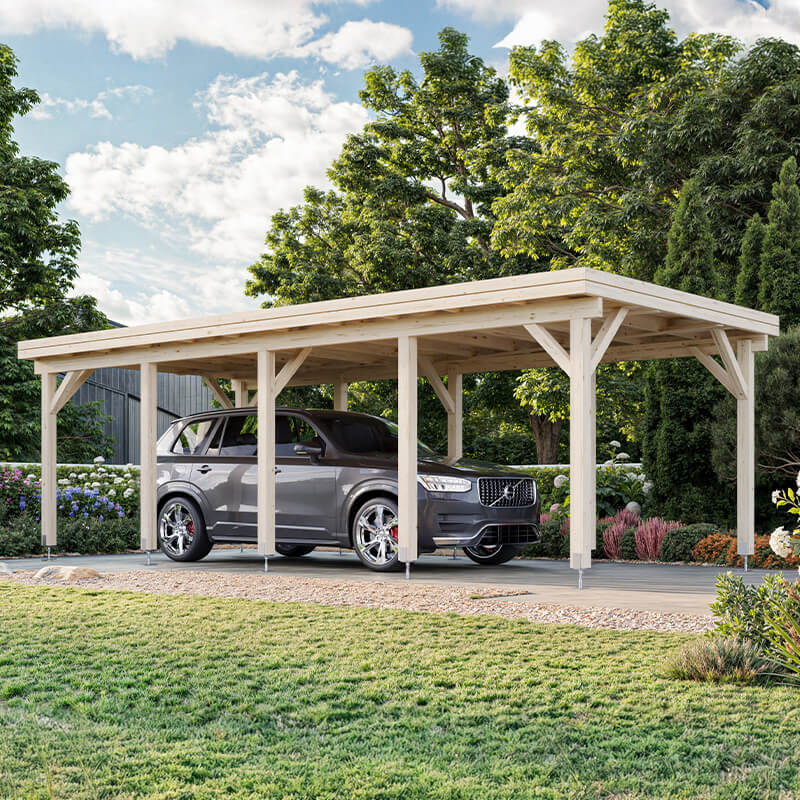
Wood also gives you a familiar kind of flexibility in use. Buyers often choose wooden sheds when they want a space that can feel more like an extension of the garden. The internal layout is easier to imagine: fixed shelving, wall hooks, worktops, or open storage sections all make sense in a timber shell. The result is usually a shed that is easy to organise around your own habits.
Lean-to lines, apex roofs and other shapes that change the feel
In the 25×12 category, the roof shape is one of the clearest differences between shed types. An apex roof brings a traditional pitched profile, which can help with headroom in the middle and gives a classic garden-building look. A pent roof has a single slope and often feels neat against a boundary or fence line, especially where you want a more straightforward silhouette.
Some buyers prefer a corner-friendly or lean-to style when the shed sits beside a wall or fence and they want the structure to feel integrated rather than separate. With a 25×12 footprint, the shape of the roof can affect not just appearance but also the way the interior is used. Apex designs often make sense if you want a more central standing area, while pent designs can work well if the shed is planned for one-sided storage or a specific access direction.
Workshop, storage room or mixed-use space?
A 25×12 wooden shed can serve different purposes depending on how it is set up. As a storage shed, it is useful for gardeners with multiple machines, folded furniture, pots, bags of compost, and long-handled tools. The advantage here is that you are not constantly rearranging things just to reach one item at the back.
As a workshop shed, the width really starts to pay off. It becomes possible to place a bench, keep tools within reach, and still move around without bumping everything. For buyers who tinker, repair, build, or pot plants, that extra room can make the shed feel far more workable. A mixed-use arrangement is also common: one end for tools, one side for project space, and a clear central route in between.
Side doors, double doors and access that actually helps
Access is not a small detail on a shed this size. On a 25×12 wooden shed, the door setup can change how easy it is to use the space every day. Single doors are fine where the contents are smaller or where the shed is mainly for general storage. They can feel tidy, especially on narrower garden runs.
Double doors, though, are often a better match for this footprint when larger items need to go in and out. Mowers, wheelbarrows, bench units, and stacked materials are simply easier to handle through a wider opening. Some buyers also prefer doors placed on the long side rather than the short end, because it can make the interior flow better. It is one of those details that sounds minor until you try moving a bulky item round a corner in the rain.
Windowed or plain? Light, privacy and use
Another important difference in wooden sheds is whether they are windowed or more closed-in. A windowed shed can make a real difference if you plan to spend time inside. Natural light helps with seeing labels, sorting small hardware, or using a workbench without feeling boxed in. For a 25×12 shed, windows can also reduce the heavy look that a large timber building might otherwise have.
A windowless shed tends to suit buyers who prioritise privacy or security for stored items. It can also help the building read as a more solid storage space rather than a hobby room. The choice is not only about appearance; it affects how the shed feels from the inside and how openly it sits in the garden. Some people want a brighter interior, others would rather keep contents out of sight, and both approaches make sense here.
Why the timber finish matters more on a larger footprint
At 25×12, the exterior finish becomes part of the buying decision rather than just decoration. Timber cladding can be set out in horizontal boards, tongue and groove sections, or other common wooden shed forms, and each one creates a slightly different visual rhythm. Horizontal lines can make the shed feel longer and lower. More panel-led looks may appear more structured and formal.
Because this is a fairly large shed, buyers often compare the way different finishes affect the garden view. A wide building can dominate if it feels too flat or too industrial. Wooden cladding softens that. It also gives the structure a more natural character, which is useful when the shed sits near planting beds, lawns, or a mature boundary. In short, the timber look is not just about style, it helps the shed sit better in scale with the rest of the space.
Different uses call for different internal zones
The real strength of a wooden shed 25×12 is that it can be divided into zones without feeling crowded. One section might hold larger garden tools, while another keeps hand tools, boxes, or seasonal items. If you are using it as a hobby space, you might want a clear working strip in the middle and storage kept to the sides. That arrangement is much easier to achieve at this size than in a standard small shed.
Buyers often look for a shed that supports tall storage as well as floor storage. Long-handled tools, ladders, and boards need headroom and sensible wall placement. A 25×12 format gives you the width to avoid stacking everything in one pile. That can mean fewer awkward reaches and less time moving things just to get at the one thing you need. It sounds simple, but it changes how useful the building feels from the start.
How shape changes the way the shed sits in the garden
Different wooden shed shapes suit different plots. An apex roof has a familiar profile and can feel balanced when the shed is seen from several angles. A pent roof is often chosen when the building needs to sit under a boundary line or keep a lower profile facing the house. On a 25×12 shed, that choice matters because the footprint already gives the structure a visible presence.
Some gardens benefit from a shed that reads as a long, orderly line. Others suit a building that looks more like a classic outbuilding with a central peak. The difference is partly aesthetic, partly practical. For example, if the shed is intended as a general storage room, a straightforward shape may be enough. If it is also meant to be used for longer tasks, a shape with stronger internal height can feel more comfortable.
Useful buying points people often forget until later
When comparing wooden sheds 25×12, buyers often focus on size and then realise the finer points matter just as much. Door width, window placement, roof type, and whether the shed feels suitable for one purpose or several all have an effect on daily use. It helps to think about what will move through the doors, what will stay on the walls, and whether you want open floor space or tighter storage.
- Double doors help if you expect larger equipment or regular loading.
- Window placement matters if the shed is for active use rather than only storage.
- Apex or pent roof changes both the interior feel and the exterior line.
- Long-wall access can work well for shelving and zone-based layouts.
- Wooden cladding style affects how the shed fits into the rest of the garden.
Where a 25×12 format stands apart from smaller sheds
Compared with smaller sheds, the 25×12 size does not force you into compromise quite so quickly. A compact shed may store things, but it often asks you to stack, shift, and squeeze. This larger footprint allows a more considered arrangement. That difference is important for people who are tired of pulling half the contents out to reach one item at the back.
It also stands apart because it can support more than one type of use. A smaller shed usually has one job. A 25×12 wooden shed can hold garden storage, workspace, and seasonal overflow all in one place. That mix is what makes it appealing to buyers who want the outbuilding to do proper work, rather than acting as a temporary dumping point for things with nowhere else to go.
Why buyers keep coming back to timber in this size
There are good reasons people choose wooden garden sheds at this scale. Timber has a familiar look, it suits garden settings, and it offers a sense of structure without feeling harsh. On a larger shed, that softer presence matters. It helps the building feel part of the plot instead of something bolted on for pure storage.
There is also the practical side of timber construction. It is easy to imagine different layouts inside, from basic shelving to a more organised workshop plan. The shed can be adapted to suit tools, sports gear, bags, boxes, or long items without looking awkward. For buyers who want a building that feels usable from day one but still leaves room to shape the interior around their own needs, this size and material combination makes a lot of sense.
Choosing the version that fits your plans, not just your space
Before choosing a 25×12 wooden shed, it is worth thinking about how you want the space to work, not just where it will sit. A storage-led shed may need wide doors and strong internal wall space. A workshop-led shed may be better with windows and a shape that gives a comfortable centre area. A mixed-use shed needs enough width to keep the different functions from colliding. That is the quiet advantage of this format: it can be adapted to the job without feeling overloaded.
If your garden has been missing a proper place for larger equipment, a timber shed of this scale can bring order without looking overdone. If you want a space that can hold more than storage, the 25×12 footprint gives that extra breathing room. And if the look of the building matters as much as the function, wooden construction gives you a natural finish that sits nicely in the garden, even when the shed is working hard.
[Sassy_Social_Share]