
wooden sheds 21x11 - Best Deals in UK!
Showing all 2 results
-
11′ x 21.3′ Palram Canopia Yukon Premium Dark Grey Plastic Shed with WPC Floor (3.32m x 6.43m) £3,849.00

-
11′ x 21.3′ Palram Canopia Yukon Premium Dark Grey Plastic Shed (3.32m x 6.43m) £3,349.00

Wooden sheds 21×11 offer generous storage, workshop room and garden structure in one footprint. Explore apex, pent, lean-to and cabin styles, timber options and layout ideas.
Room that feels properly usable
A 21×11 wooden shed gives you a footprint that is long enough for serious storage, yet still narrow enough to sit neatly along a boundary, beside a garage, or at the end of a garden. That shape matters. It is not just “a bigger shed”; it is a format that can separate tasks and kit in a way smaller buildings simply cannot. Bikes, mowers, long-handled tools, seasonal furniture, potting benches, workshop gear and even a compact hobby area can all be given their own place without everything ending up in one awkward pile.
The appeal of this size is the balance between length and depth. You get a run of wall space for shelving, hooks and tall items, while the 11ft width gives enough internal span to work across rather than only down a corridor. For buyers comparing sizes, that extra width can make the difference between a shed that stores things and one that actually helps you use them.
Shape changes the whole feel
Within the wooden sheds 21×11 category, the roof shape can change the whole character of the building. An apex shed brings a more traditional look, with a peaked roof that often gives a stronger sense of height in the centre. That can suit gardens where the shed is visible from the house, because the outline feels familiar and tidy. It also helps with headroom in the middle, which is handy if the shed doubles as a workspace or a place to stand up straight while handling awkward items.
Bestseller der Kategorie wooden sheds 21x11
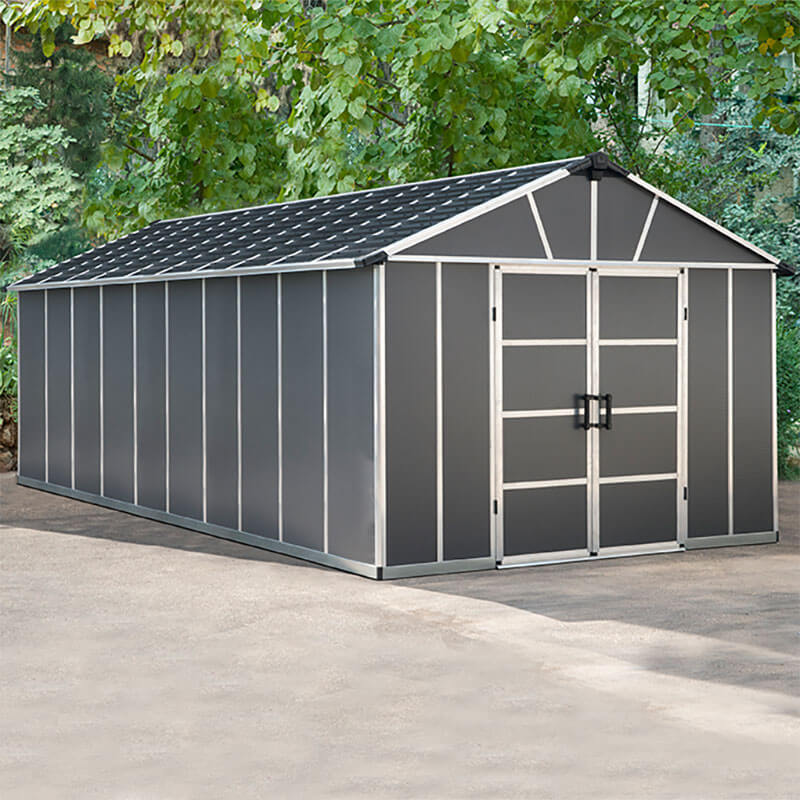
A pent shed gives a more contemporary profile. The single slope can look clean against a fence or wall, and it often suits positions where you want rainwater to shed away in one direction. In a 21×11 format, that long roofline can look especially smart. It is a good choice when the shed needs to sit quietly in the background rather than become a feature.
A lean-to style is worth considering if the shed will sit close to an existing structure. The lower front profile can help it tuck in under visual clutter and may be a practical match for gardens with restricted height near a boundary. A cabin-style shed, by contrast, tends to have a chunkier presence, often with more visible timber structure and a sturdier feel. If you want the shed to look more like an outbuilding than a box, this is the route many buyers go for.
Timber choice affects the look and the feel
Not all wooden sheds feel the same. The timber profile, board style and panel treatment change the final result quite a bit. Shiplap cladding is often chosen for its neat overlap and tidy finish. It gives a more refined appearance and a sense of solidity, which suits a 21×11 shed that is meant to be seen as part of the garden rather than hidden away.
Tongue and groove boards are another popular option, especially where buyers want a more substantial structure. The interlocking boards sit closely together and usually create a pleasing, even surface. On a larger shed, that uniform look can make the building seem calmer and more intentional. There is also a subtle difference in character: some people prefer the crisp lines of tongue and groove because it feels more like proper joinery and less like a simple garden store.
Overlap cladding has a more rustic, practical look. It can suit gardens with a natural or country style, where the shed is meant to feel relaxed rather than polished. In a 21×11 size, overlap can keep the building from looking too formal. The choice is not just about appearance either; the board style can influence how the shed looks in relation to fencing, planting and other timber features around it.
Why the 21×11 format works so well
The proportions of 21×11 wooden sheds are useful in a way that is not always obvious at first glance. A long shed can act almost like two zones joined together. One end can be fitted out for storage, while the other end becomes a work area, bike bay or seasonal kit zone. That division helps buyers who are tired of moving everything out just to reach one item at the back.
In a rectangular building of this size, it is easier to think in terms of zones. Long items such as ladders, canes, timber offcuts or folded garden furniture can be kept along one side, while bulkier items sit opposite. If you are comparing with a square shed, the difference is clear: a square building can feel spacious in the middle but awkward around the edges, while a 21×11 layout makes better use of wall length. That is a very practical advantage, and it often gets overlooked.
Storage that is more than just storage
A well-chosen wooden shed 21×11 can do more than hide things from view. It can become a proper working part of the garden. For some buyers, the attraction is being able to keep everything for outdoor jobs in one place: hand tools, pots, compost bags, seeds, watering cans and seasonal equipment. For others, it is about making room for a hobby or a light workshop without needing a separate outbuilding.
The layout possibilities are what make this size feel worth considering. You can use the long rear wall for shelving, the side walls for hanging storage, and still leave a central strip clear for access. If you want a bench along one end, the extra length makes that easier too. In smaller sheds, a bench often dominates the space. Here, it can be part of a proper arrangement rather than a compromise.
There is also a good case for buyers who need a shed that is not just functional but visually tidy. A larger wooden shed can replace several smaller storage solutions, reducing the number of separate items scattered about the garden. That can make the whole plot feel more composed, and the shed itself looks more intentional when it is housing everything in one place.
Different uses call for different layouts
One of the strengths of the 21×11 footprint is that it can adapt to different buyer needs. A garden-focused buyer might use one end for lawn equipment and the other for pots, feed and plant supports. Someone with bicycles may want a clear run along one side with wall hooks or vertical storage. A maker or DIY user may prefer a bench, pegboard-style organisation and an uncluttered central floor. It all depends on the sort of use the shed will see most often.
- Storage-led layout: best when the main goal is to keep larger tools, furniture and outdoor kit organised.
- Workshop-led layout: useful when bench space and access matter more than bulk storage.
- Mixed-use layout: ideal for buyers who need both room for garden items and a usable area for projects.
- Bike and equipment layout: suits households with multiple cycles, helmets, pumps and repair bits.
Because the shed is long, you can keep movement flowing from one end to the other without everything feeling cramped. That is a subtle but real difference compared with wider, shorter sheds, where kit tends to spread out across the floor and becomes harder to navigate.
Door position matters more than people think
For a shed this size, the door layout is not a minor detail. It can shape how easy the building is to use day to day. A single central door can give a straightforward front-facing entrance and suits buyers who want a neat, balanced look. A double door opening is often better if you expect to move bulkier items in and out, such as ride-on equipment, wide benches or boxed purchases. That wider access can make a 21×11 shed feel far more flexible.
There are also practical differences in how the shed sits in the garden. If the shed is going against a fence, a side-oriented entrance may suit the route from the house better. If it is placed at the end of a lawn, a front-facing entry may feel more natural. Small changes in access can save a lot of awkward carrying later on, so it is worth thinking beyond the first impression.
Windows, light and the sense of space
In a long wooden shed, the placement of windows can make a surprising difference. A few carefully positioned openings can stop the interior from feeling like one dark tunnel. If the shed is used for tools, hobbies or potting, light becomes part of the design. It helps you see what you are doing and makes the space feel less closed in.
For buyers choosing between styles, a shed with more glazing may suit those who want a workshop feel, while a more closed design can be better for secure storage and a cleaner exterior look. It is not only a visual question either. Windows can change how the shed reads from the garden. A building with too few openings may look heavy, while one with balanced glazing can feel more part of the landscape. There is a nice middle ground here, and the right choice depends on what the shed is expected to do.
The look can match the garden rather than fight it
A wooden shed has a natural advantage when the garden already contains planting, fencing, timber edging or pergolas. The material tends to sit comfortably in that setting. A 21×11 shed is large enough to be noticeable, so matching the style to the garden matters. A painted finish, a more rustic board style or a crisp clean timber profile will each create a different impression.
Buyers often like wood because it can feel less hard-edged than metal or plastic. That does not mean it disappears into the background, but it usually looks more at home among greenery. The longer side elevation of a 21×11 shed gives the wood plenty of surface to show its grain and line, so the finish becomes part of the visual appeal. If the shed is visible from a patio or kitchen window, that matters quite a bit.
Buying cues that make a real difference
When choosing among wooden sheds 21×11, it helps to think about what you want the shed to solve. Are you trying to free up the garage? Separate gardening from household clutter? Create space for a bench and tools? Or simply keep larger outdoor items under one roof? The best choice usually follows the actual job, not just the size label.
- Choose apex if you want a classic profile and a sense of height in the middle.
- Choose pent if you prefer a lower, more modern shape with a neat side-on look.
- Choose tongue and groove if you like a more structured, well-finished timber appearance.
- Choose overlap if a looser, more rustic character suits the garden better.
- Choose double doors if access for larger items is likely to matter.
These decisions are not just technical boxes to tick. They alter how the shed feels to use every week. A good shed tends to be the one that fits the way you move through the garden, not only the way it looks in a product photo.
Why buyers keep coming back to timber
There is something honest about a wooden shed. It has a familiar look, it sits naturally in most outdoor spaces, and it can be chosen in a range of forms without losing that timber character. For the 21×11 size in particular, wood brings the scale down visually. Even though the shed is substantial, the material softens the mass of it. That makes it a sensible choice for buyers who want a strong structure without an overly rigid or industrial appearance.
Compared with other materials, wood often feels more in step with garden design. The building can read as part storage, part feature, which is probably why this type remains such a common choice. In a size like 21×11, that blend of utility and appearance is especially useful. It gives you enough room to do something worthwhile, while still leaving the garden looking considered rather than packed full of hard surfaces.
A practical choice with a proper presence
If you need a shed that handles real storage demands but still looks at ease in the garden, wooden sheds 21×11 are worth a close look. The size offers room to organise, the timber brings warmth, and the different shapes let you pick the feel that suits your plot. From apex to pent, from shiplap to tongue and groove, the differences are not small details; they shape how the building works for you.
For many buyers, the attraction is simple enough: one well-sized shed can solve several outdoor storage headaches at once. But the better reason is this — a 21×11 wooden shed can become a space that feels planned, not improvised. And that is often what makes a purchase feel right when you stand back and look at the garden after it is in place.
[Sassy_Social_Share]