
wooden sheds 20x12 - Best Deals in UK!
Showing all 3 results
-
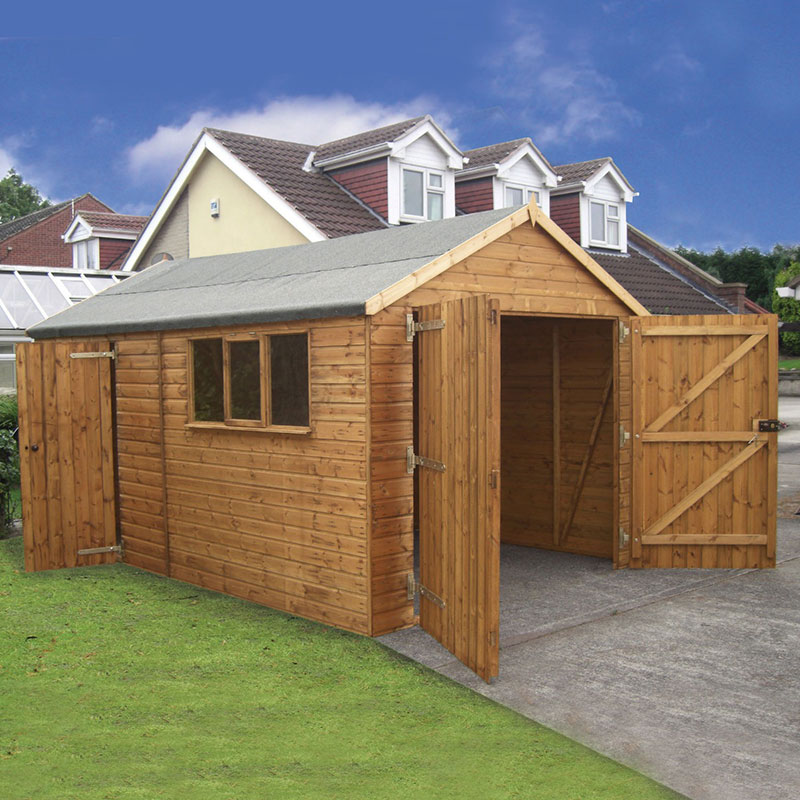
14% OFF: 20′ x 12′ Traditional Deluxe Shiplap Wooden Garage / Workshop Shed (6.10m x 3.66m) £5,529.0014%

-
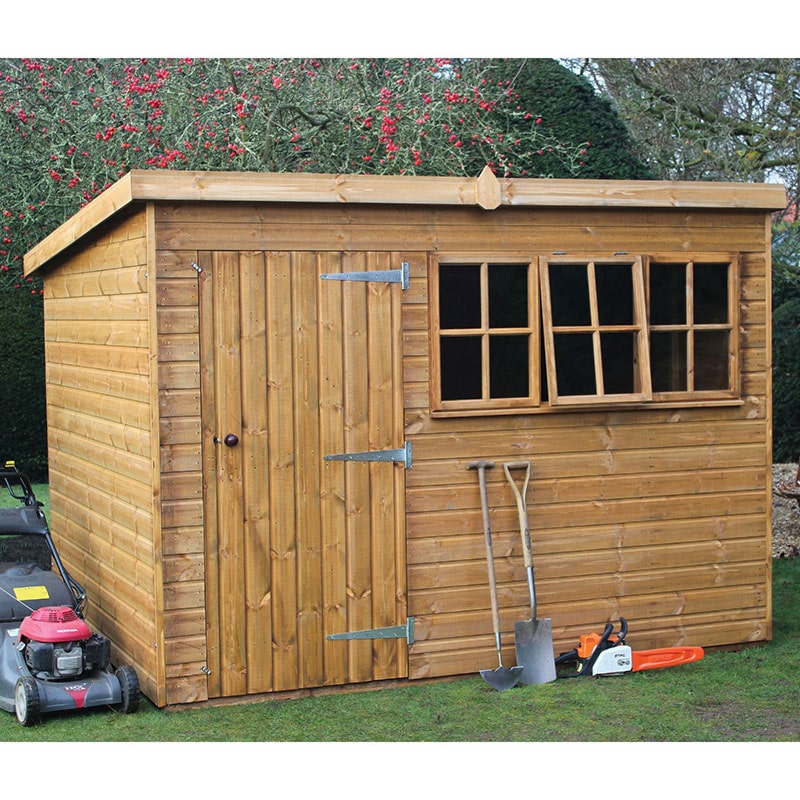
12% OFF: 20′ x 12′ Traditional Heavy Duty Shiplap Pent Wooden Garden Shed (6.10m x 3.66m) £5,729.0012%

-
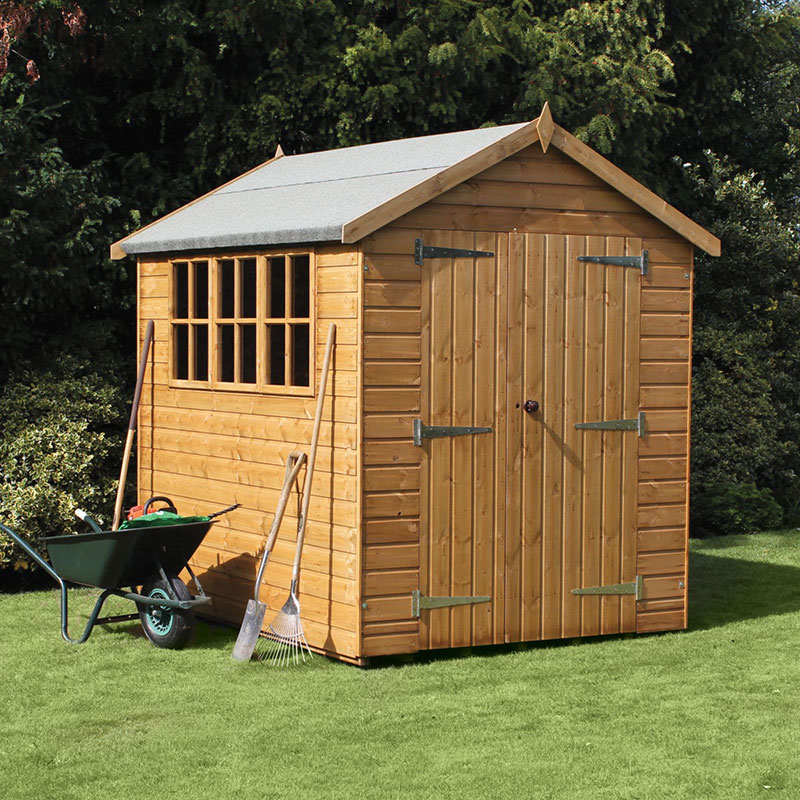
20′ x 12′ Traditional Heavy Duty Shiplap Apex Wooden Garden Shed (6.1m x 3.66m) £6,349.004%

Wooden sheds 20×12 offer a roomy garden store, workshop or hobby space, with timber frames, apex or pent roofs, double doors, windows and flexible layouts for everyday use.
Room to use, not just room to store
A 20×12 wooden shed gives you a proper amount of floor space without feeling oversized in a larger garden. It is the sort of size that works when you want more than basic storage: a place for lawn gear, bikes, patio furniture, hand tools, seed trays, a workbench, or a few big items that never seem to fit anywhere else. Because the footprint is generous, the inside can be arranged in zones rather than one crowded corner, which makes a big diffrence when you are trying to keep things usable.
Compared with smaller sheds, a 20×12 timber shed can feel more like an outbuilding than a box for clutter. That does not mean it has to be overcomplicated. Many buyers choose this size because it gives breathing room for shelves, storage units, and a clear walkway. You can open the doors without shifting half the contents first, which sounds simple, but it is one of those details people really notice once they have lived with it.
Why timber suits a 20×12 format
Wooden construction has a natural fit for this size because it balances strength with a friendly look. Timber softens the presence of a large shed, so it sits well in a domestic garden rather than dominating it. That matters more as the shed gets bigger. A 20×12 building in wood can look more like a natural extension of the garden, especially if it is finished to suit fences, planting or other structures nearby.
Bestseller der Kategorie wooden sheds 20x12
There is also a practical side. A timber shed is often chosen for its adaptable interior. Shelves, hooks, worktops and partitioning can be added in a way that suits the owner’s own plans. Some people want a tidy store for garden kit. Others want a room for hobbies, model making, cycling, or a small DIY area. The same footprint can handle different uses because wood is easier to work with than many harder, more rigid materials.
Shapes that change the way it works
When people compare wooden sheds 20×12, the roof shape is one of the main differences. It changes not only the look, but how the inside feels and how the space can be used.
- Apex roof designs create a traditional shed profile with a central ridge. They suit gardens where a classic look matters and often give a pleasing sense of head height in the middle.
- Pent roof sheds slope in one direction and can work well where a cleaner, more modern outline is preferred. They can sit neatly against a boundary or beside another structure.
- Corner roof forms are less common, but can help a shed settle into a specific site where the shape of the garden or access points matter.
- Lean-to styles can make sense when the shed needs to sit close to an existing wall or line of fencing, though the exact use depends on the build and layout.
The roof choice affects the feel inside too. An apex roof can give a more open central section, while a pent roof may offer a simpler internal layout and a cleaner exterior. If the shed is going to be used for tall items, a roof profile with good headroom in key areas is worth thinking about, especially in a size as usable as 20×12.
Cladding styles: small detail, big difference
The look and performance of a wooden shed 20×12 is strongly influenced by the cladding style. These are the details buyers often compare once they start looking closely.
- Overlap cladding has boards that overlap one another. It tends to give a more traditional garden shed appearance and is often chosen for straightforward storage use.
- Shiplap cladding creates a neater, more interlocking finish. The boards fit together in a way that gives a more refined outside face and a tidy inside line.
- Interlocking tongue and groove boards are usually valued for the solid, close-fitting feel they provide. In a 20×12 shed, this can make the whole building feel more substantial.
The main difference is not just visual. Cladding style affects how the shed reads as a garden feature. Overlap leans more towards practical, traditional storage. Shiplap and tongue and groove can make the shed feel better suited to mixed use, where appearance matters as much as utility. If the building will be seen from the patio or from the house, that finish can become a bigger part of the buying decision than people first expect.
Single doors, double doors, and easier access
With a shed this size, access really counts. Double doors are often a smart choice for a 20×12 timber shed because they make it easier to move larger items in and out. Bikes, barrows, mowers, foldable tables, sacks of compost, or boxed equipment are simply less awkward when the opening is generous. You are not forever turning things sideways and hoping they fit.
A single door may still work if the building is used mostly for storage and the contents are smaller, but many buyers prefer the flexibility of wider access. It also changes how the space feels day to day. Large doors make a shed less like a cupboard and more like a usable room. If you plan to step inside with tools in hand, or carry items out without a battle, door width matters more than most spec sheets make clear.
Windows and light: making the space feel usable
In a 20×12 shed, windows can make a noticeable difference. Not because the shed becomes decorative, but because light changes what the space can do. A shed with windows can work better as a workshop, garden room, or hobby area, where it helps to see what you are doing without relying on a torch or a door being left open.
Some sheds have a more enclosed feel, which suits secure storage or less visible placement in the garden. Others use multiple windows to lighten the interior and make it easier to divide the space into working and storing areas. The right choice depends on use. If you are aiming for a practical store, fewer openings may be fine. If you want a space that feels pleasant to spend time in, natural light becomes part of the appeal, not just a finishing touch.
Different layouts for different habits
The good thing about a 20×12 wooden shed is that the size supports several kinds of layout. Some buyers want one large open area. Others need a more deliberate split between storage and a work area. It depends on how you use your garden and how much you like to keep things sorted.
- Open-plan storage suits people with large items, garden machinery, or mixed equipment that needs flexible placement.
- Workshop-style layouts work well when a bench, wall storage, and a clear floor area are all needed together.
- Combined use is common in this size: one end for storage, the other for tasks, planting, repairs or hobbies.
- Partitioned setups can help if you want to separate clean, dry storage from a more active working side.
That flexibility is one of the main reasons people move up to this size. A smaller shed often forces compromise. A 20×12 gives you the chance to think about the shed as a proper part of the garden, not just a place where things are stacked until the door barely closes.
Garden uses that suit the extra width
The width of a 12ft span is useful because it allows a better side-to-side arrangement. A long narrow shed can be awkward when large items are involved, but 20×12 gives more scope for practical positioning. That matters for people storing lawn tractors, benches, bulkier tools or regular outdoor gear.
It can also suit more specialist garden habits. If you enjoy potting, cutting, repairing, sorting seed packets or keeping tools grouped by task, the extra width lets you set up proper sections. One wall can carry storage. Another can take a work surface. The middle can stay open. That sounds simple, but it changes how much you actually use the shed rather than just pass through it.
Traditional or more modern: the visual difference
Not every wooden shed 20×12 needs to look rustic. Some buyers want a classic timber shed with a familiar garden feel. Others prefer a cleaner shape that sits neatly beside contemporary fencing, paving, or a new patio. The same size can be styled in different ways depending on roof line, cladding, window placement, and door arrangement.
Traditional designs usually lean on apex roofs, visible timber grain, and straightforward proportions. More modern-looking sheds often use a pent roof, wider glazing, or a simpler face with fewer visual breaks. Neither style is better in itself. The main difference is how it sits with the rest of the garden. If you want the shed to blend in, the finish and shape matter a lot. If you want it to stand as a feature, those same details help it read as more intentional.
What buyers often compare before choosing
When people look at wooden sheds 20×12, the discussion usually comes down to a few concrete points rather than vague preferences. These are the things that tend to decide a purchase:
- How it will be used – storage, workshop, potting, hobby space or a mix of jobs.
- Roof shape – apex for a classic outline, pent for a simpler profile.
- Cladding type – overlap, shiplap or tongue and groove.
- Door size – single or double, depending on access needs.
- Window layout – more light for active use, fewer openings for a more enclosed store.
- Interior arrangement – open space, zones, shelves or bench areas.
These choices matter because a shed of this size is rarely a one-purpose item. It usually becomes part storage, part workspace, and part catch-all for the bits of outdoor life that never quite belong indoors. Buying well means matching the shape of the shed to the way you actually live with it.
Why this size often feels worth it
A 20×12 timber shed sits in an interesting place. It is large enough to solve real storage problems, but it still keeps the familiar character of a garden building. That balance is what many buyers want. The shed should help the garden work better, not take over the plot or feel like an afterthought.
Another point is value through usefulness. A shed that can handle several roles often makes more sense than a smaller unit that quickly becomes cramped. With the extra room, there is less pressure to decide whether the shed is for storage or for use. It can be both, and that is often the reason people end up happy with the choice. Not because it looks flashy, but because it keeps working in real life.
Practical details that make buying easier
It helps to think in terms of access, placement, and content rather than just measurements on paper. A wooden shed 20×12 needs a sensible position in the garden so the doors can open properly and the inside can be used without squeezing past corners. If you are planning to store wider items, check that the door opening and internal width suit them, not only the external footprint.
It is also worth thinking about whether the shed needs a clear front face or whether it will sit partly tucked away. A pent roof can be tidy near boundaries, while an apex roof may feel more at home where the building can stand as a feature. Neither is right for every plot. The best result is usually the one that makes daily use less fiddly.
A category for serious space, but still a garden shed
Wooden sheds 20×12 are a strong choice when you want the feel of a timber garden building with the advantages of a larger footprint. They offer room for storage, room for movement, and room for the shed to become genuinely useful rather than simply present. With the right mix of cladding, roof style, door access and window placement, the same size can lean towards traditional storage, active workshop use, or a mixed-purpose setup that changes with the seasons and your plans.
That is the main appeal: not a one-size answer, but a format that gives you choices. If you need space that is sensible, adaptable and still looks at home in a garden, a 20×12 wooden shed is a category worth a proper look.
[Sassy_Social_Share]