
wooden sheds 20 sq ft / 2 m² - Best Deals in UK!
Showing 1–12 of 19 resultsSorted by price: low to high
-
26% OFF: 6’5 x 2’10 Forest Overlap Double Door Wooden Bike Shed / Pressure Treated (no floor) £199.9926%

-
15% OFF: 6’5 x 2’10 Forest Overlap Double Door Wooden Bike Shed / Pressure Treated (no floor) £229.9915%
-
27% OFF: 6′ x 3′ Palram Canopia Grey Skylight Plastic Shed (1.85m x 0.9m) £319.9927%

-
19% OFF: 6′ x 3′ Forest 4Life 25yr Guarantee Overlap Pressure Treated Windowless Pent Wooden Shed (1.88m x 1.02m) £324.9919%

-
19% OFF: 6′ x 3′ Forest 4Life 25yr Guarantee Overlap Pressure Treated Windowless Pent Wooden Shed (1.88m x 1.02m) – Next Working Day Delivery £324.9919%
-
6′ x 3′ Forest Beckwood 25yr Guarantee Shiplap Pressure Treated Windowless Pent Wooden Shed (1.88m x 1.02m) £383.994%

-
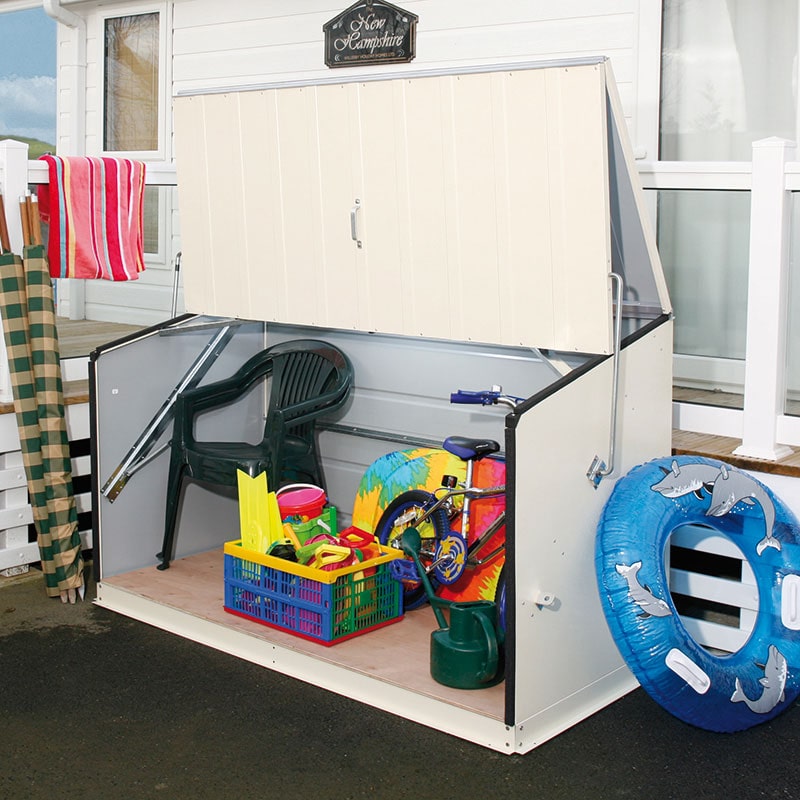
22% OFF: 6’4 x 2’9 Trimetals Storeguard Metal Garden Storage Shed – Cream (1.95m x 0.88m) £589.9922%
-
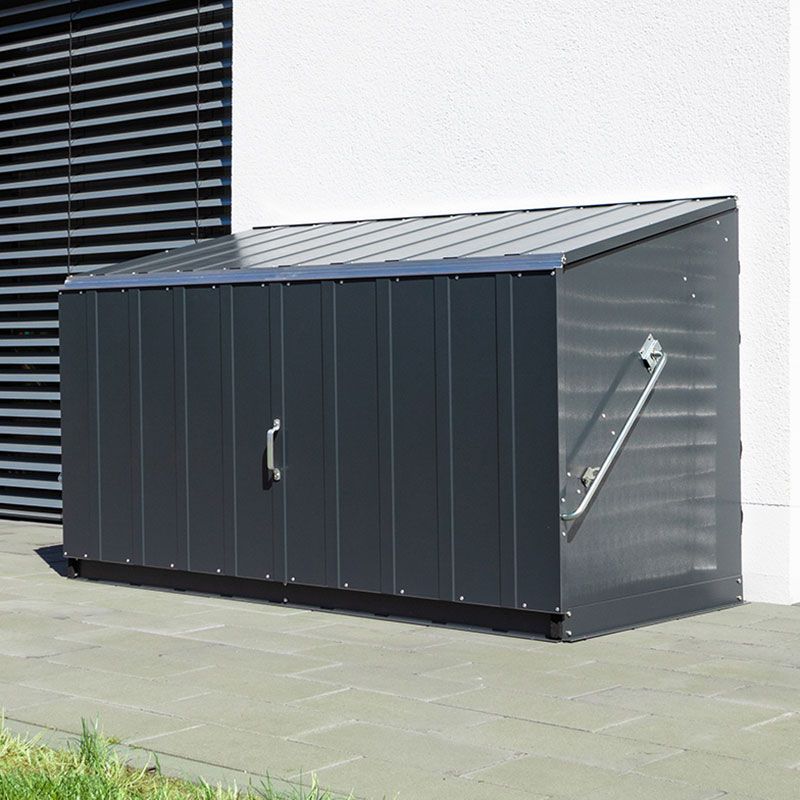
22% OFF: 6’5 x 2’11 Trimetals Storeguard Anthracite Metal Garden Storage Unit (1.96m x 0.89m) £589.9922%
-
19% OFF: 6’5 x 2’11 Trimetals Storeguard Green Metal Garden Storage Unit (1.96m x 0.89m) £614.9919%

-
21% OFF: 6’4 x 2’9 Trimetals Metal Bike Shed – Cream (1.95m x 0.88m) £629.9921%

-
21% OFF: 6’4 x 2’9 Trimetals Metal Bike Shed – Anthracite (1.95m x 0.88m) £629.9921%

-
6% OFF: 6′ x 3′ Traditional Shiplap Pent Wooden Garden Tool Storage Shed (1.83m x .91m) £639.996%

Wooden sheds 20 sq ft / 2 m² are compact garden buildings for storing tools, pots, bikes bits and more; choose from pent, apex and lean-to styles to suit tight spaces.
Popular products in this range
A Small Footprint, A Proper Job
Wooden sheds 20 sq ft / 2 m² are made for gardens where every metre counts. At this size, a shed can still take on a proper storage role without taking over the plot. It suits narrow side paths, tucked-away corners, patio edges and smaller lawns where a full-size shed would feel a bit much. The charm of this category is that it keeps things neat, but still feels like a real structure rather than a boxy afterthought.
Because the footprint is modest, the shed often works best when the layout is thought through from the start. That means looking at what needs to go inside: hand tools, watering cans, seed trays, fold-up chairs, children’s outdoor bits, or a few garden essentials that seem to multiply on their own. A 2 m² wooden shed is not about bulk storage; it is about making the most of a limited area.
Why Wood Feels Right In A Garden Setting
Among small sheds, wood has a natural place. It sits comfortably beside planting, fencing and paths, and it usually looks less harsh than metal or plastic in a domestic garden. For buyers who want the shed to blend with borders, sleepers or timber decking, a wooden shed often feels more settled in the space.
There is also the matter of character. Grain, boards, corner details and panel styles give wooden sheds a more crafted look. Even in a compact format, the material can make the building feel like part of the garden rather than just storage dropped into it. That matters if the shed will be seen from the house, the kitchen window or the seating area.
Shape Matters More Than You Might Think
In a shed of this size, the roof form and overall shape can change how useful the inside feels. The external style is not only about appearance; it affects headroom, wall height, rainfall run-off and where the shed can sit.
- Apex sheds have a pitched roof with a central ridge. They usually give a more traditional garden-shed look and can offer a useful sense of height in the middle.
- Pent sheds slope in one direction. They are often chosen for tucking against a fence or wall, where the lower rear profile helps the shed sit neatly in a boundary line.
- Lean-to sheds are similar in spirit to pent styles but are especially handy where a building edge or boundary line is doing some of the visual work. They can be a neat fix for awkward slots.
- Corner sheds are shaped to fit into a right-angled space. In a 20 sq ft / 2 m² category, this can make a big difference if the garden has a dead corner that is hard to use for anything else.
- Hexagonal or unusual compact forms are less common in this size, but when available they can suit gardens where the owner wants storage with a slightly softer or more decorative outline.
Each shape changes the feel of the interior, too. An apex roof may give more usable height in the centre for taller items, while a pent roof can feel more streamlined and easier to place beside a boundary. If the shed is meant mainly for low items, a lower-profile design may be the better fit. If it needs to take long-handled tools or a stack of small containers, headroom starts to matter more.
Panel, Tongue-and-Groove Or Overlap?
The way a wooden shed is built is just as important as the shape. Buyers often notice size first, but construction style can change the whole experience of using the shed.
Overlap cladding is common on more modest sheds and is recognisable by the boards overlapping each other. It can suit buyers looking for a straightforward, traditional look. Shiplap or tongue-and-groove panels are usually associated with a tighter, more refined board fit, with boards interlocking along the edges. This can create a cleaner finish and a more solid feel inside and out.
There are also panel-built sheds, where sections are pre-made and joined together, and framed construction, where the structure is carried by a timber frame. In a small shed, the difference can be quite practical. A framed structure may feel more robust and can give a neater internal outline, while panel-built styles are often chosen for ease of assembly.
For a compact footprint, the question is often not “which is best?” but “which suits what I want to store?”. A neatly boarded shed can feel better if it will be opened every day. A more basic build may do the job perfectly for seasonal bits and pieces. The important thing is that the shed matches the actual use, not just the wish list.
What Fits Inside 20 Sq Ft / 2 m²?
This category is small, so the best uses are specific. It is ideal when the aim is to store a defined set of items rather than create a mini workshop or a full garden room. A well-planned 2 m² shed can take quite a practical mix of belongings if the shape is chosen carefully.
- Hand tools such as trowels, forks, shears and a rake can be kept in order without taking over the floor.
- Small pots and trays fit well on shelves or in stackable sets.
- Watering equipment can be grouped together, making it easier to find what is needed when the weather changes.
- Foldable outdoor furniture or a couple of chairs may fit depending on the internal layout and roof shape.
- Children’s garden toys and games can be tucked away quickly when space is limited.
- Small machines or electrical garden items may fit if they are compact and the shed layout is planned around them.
Because the space is tight, shelves and wall-hung storage matter a lot. That is one reason buyers often prefer a shed with a more regular internal shape rather than a strongly angled one, unless the corner fit is the whole point. A couple of well-placed shelves can change a cramped store into a surprisingly orderly one. In this size range, a shed is often at its best when the floor is kept mostly clear.
Small Shed, Clear Advantages
The main draw of a wooden shed 20 sq ft / 2 m² is how manageable it is. It gives storage without making the garden feel crowded. That matters for terraces, narrow side returns, courtyard-style spaces and smaller suburban gardens where proportions need a bit of care.
Another benefit is placement. Compact sheds are easier to position near a wall, beside planting or in a corner that would otherwise be left unused. A buyer may not need planning the whole garden around the shed; instead, the shed can be slotted into the space that already exists. This can make the purchase feel less disruptive and more practical.
Wooden construction also helps if the look of the garden matters. For many people, a timber shed looks more in keeping with planting and outdoor furniture than brighter synthetic options. The effect is subtle, but in a small garden subtle is often the point. A small shed should solve a storage problem without starting a visual one.
Where The Differences Really Show
Not all compact wooden sheds feel the same, even when the floor area is similar. Small details can make a noticeable difference once the shed is in place.
- Door position: a centred door can feel balanced, while a side door may make access easier in a tight run alongside a fence.
- Roof pitch: a steeper apex roof can give better internal height; a flatter pent roof can look lower and more discreet.
- Wall height: taller side walls can improve usable storage space, which is helpful when the footprint is only 2 m².
- Windowed or windowless designs: a glazed section can make the shed feel less closed-in, though some buyers prefer a plain store for privacy and simple security.
- Panel finish: tighter boards tend to give a more finished appearance, while more basic cladding can keep the shed visually simple and plain.
These differences may sound small, but in a compact building they matter more than they would on a bigger one. The shed’s whole job is to make limited space work harder, so each detail should earn its place. A lower roof might be no issue if the shed sits against a boundary. A taller profile may be useful if the shed is visible from the house and needs to look proportionate rather than squat.
Choosing A Style That Suits The Garden, Not Just The List
It is easy to focus on what needs storing and forget where the shed will actually sit. In this category, the surrounding garden is a big part of the decision. A lean-to or pent wooden shed can be a tidy answer where the garden edge already has a strong line. An apex shed may suit a more open plot, where the roof shape becomes part of the view.
If the garden is tight and the available space is awkward, a corner shed may be the most efficient answer. If the shed needs to be reached often, check whether the door opens cleanly and whether there is enough standing room in front of it. That practical point is easy to overlook when looking at measurements on a page. A shed can technically fit, but still be awkward to use if access is pinched.
For buyers comparing options, it can help to think in terms of use patterns: quick access, hidden storage, or visible feature. A small shed can lean towards one of those roles more than the others, and the best choice usually matches the role that matters most.
What To Check Before You Decide
Before choosing a wooden shed in the 20 sq ft / 2 m² range, it helps to look closely at the real measurements, not just the headline size. The footprint is only one part of the story. Wall height, door width, roof shape and internal layout can all affect how useful the shed feels once it is in place.
It is also worth checking whether the shape matches the garden boundary. A shed with a low rear side can sit neatly beside a fence, but only if there is enough clearance where it needs to go. Likewise, a small apex shed may look more balanced in the open, but could feel unnecessary in a narrow strip where every centimetre counts.
Another useful tip is to think about the items you need to store in terms of shape, not just number. Long-handled tools, flat trays and chunky containers behave differently in a small interior. A compact shed with sensible internal height and a clear access point can feel easier to live with than a slightly larger one that is badly suited to the contents.
A Compact Shed With A Clear Purpose
Wooden sheds 20 sq ft / 2 m² are not trying to do everything. They are for buyers who want practical storage in a size that respects the garden. That makes them a good fit for smaller spaces, side return areas and corners that need a proper use. The best versions feel tidy, natural and well-proportioned, with a shape that suits both the plot and the things being stored.
Whether the appeal is a traditional apex look, a neat pent profile or a space-saving corner form, the category gives room for different needs without moving into oversized shed territory. For many gardens, that balance is the real advantage: enough room to be useful, small enough to stay out of the way.