
wooden sheds 18x11 - Best Deals in UK!
Showing the single result

Wooden sheds 18×11 give you a roomy, timber-built space for storage, hobbies, tools, bikes and garden kit, with a natural look, solid feel and shapes to suit practical plots.
An 18×11 footprint that actually works
An 18×11 wooden shed gives you a proper stretch of floor space without tipping into “too much shed” territory for a medium or large garden. That footprint is useful because it tends to create a layout you can live with, not just stand in. You can split the inside into zones for long-handled tools, mowers, bike storage, garden furniture, and the bits that always end up in a corner when the season changes.
The appeal of this size is that it feels balanced. It is long enough for shelving runs, workbenches or stacked storage along one side, yet wide enough to move around without having to shuffle everything out first. For people who want one building to do several jobs, 18×11 ft often hits a sweet spot. It can feel more organised than a smaller shed and less awkward than a huge outbuilding that eats the garden.
The timber look that blends in, not shouts
One reason buyers keep coming back to wooden sheds is the way they sit in a garden. Timber looks warmer than metal and less rigid than plastic, which matters if the shed is visible from the patio, lawn or kitchen window. An 18×11 shed has a fair amount of surface area, so the material choice really shows. Wood gives that natural grain, depth and texture that makes the building feel like part of the plot rather than a box dropped in the corner.
Bestseller der Kategorie wooden sheds 18x11
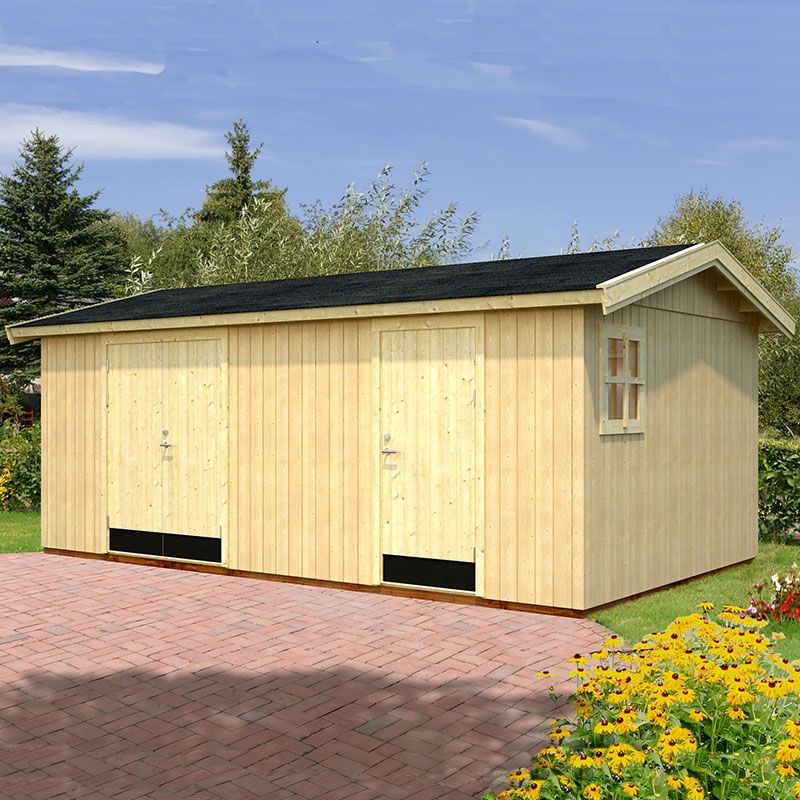
That softer appearance can suit traditional gardens, modern layouts, orchard-style spaces and even quite tidy urban gardens where a hard industrial look would feel out of place. A wooden finish also gives more choice in how the shed reads visually: some buyers like the raw, rustic feel, while others prefer a painted finish that matches fences, pergolas or outbuildings.
Gable, pent or apex: the roof changes the whole mood
When people talk about shape, they often mean more than the floor plan. Roof style changes both appearance and the way the shed behaves inside. An apex roof gives the classic triangular profile and usually feels familiar, almost cottage-like. It often creates a central high point, which is handy for storing taller items, hanging tools, or simply making the room feel less boxed in.
A pent roof has a single slope and looks more contemporary. It can suit side returns, boundary lines and modern gardens where a lower front edge helps the building sit neatly under a fence line or tree canopy. A pent design can feel tidy and straightforward, and many buyers like the cleaner outline.
A gable or barn-inspired profile gives a more pronounced roof shape and can suggest a bit more presence. In an 18×11 size, that can be useful if you want the shed to look like a garden structure rather than a simple storage unit. The shape you choose changes how the building blends in, how much headroom you notice, and how the shed “reads” when you look across the garden.
What the extra width gives you, and what the length gives you
An 18×11 shed is not just “bigger”; it is bigger in a way that changes storage logic. The 18 ft length lets you run long items along the wall without crowding the entry area. That is helpful for timber offcuts, ladders, rakes, edging tools, shelving lines and stacked containers. The 11 ft width is what stops the space feeling like a narrow corridor. It leaves enough room for a centre aisle, a work surface, or a second storage zone opposite the door side.
This proportion is especially useful if you want different sections inside the shed. For example, one end can handle bulky garden gear, the middle can carry boxes and seasonal items, and the far end can stay open for a bench, craft space or potting area. You are not forced into one long row of stuff, which is often the problem with slimmer sheds. In this size, the layout can become more deliberate, and a bit less chaotic, which is always a relief.
Different timber styles: overlap, tongue-and-groove and feather edge
Not every wooden shed is built the same way, and the construction style affects how it feels to use. A tongue-and-groove build has interlocking boards that create a neat, tight finish. That tends to appeal to buyers who want a more refined appearance and a structure that feels substantial. In an 18×11 format, tongue-and-groove cladding often suits the size well because the larger wall areas look more orderly.
Overlap cladding has boards that overlap one another and usually gives a more traditional, slightly rustic feel. It can look perfectly at home in a garden setting where a hand-built or classic look is part of the charm. Feather edge boarding, where boards taper and layer, leans more to a shed-with-purpose feel. It can suit a workshop vibe or a practical storage building where the visual message is honest and straightforward.
The difference is not only in appearance. Each style creates a slightly different sense of weight and finish. Some buyers want the crisp lines of tongue-and-groove, while others prefer the softer texture of overlap. In a bigger shed, these choices matter because the cladding becomes a major part of what you notice first.
Doors, openings and how you actually get things inside
In an 18×11 wooden shed, the door arrangement matters a lot more than people expect. A wide shed is only truly useful if you can bring things in without a awkward squeeze. Double doors are often the natural choice for bulkier kit, because they make it easier to move lawn mowers, wheelbarrows, bikes and storage boxes through the opening. They also help if you want to use the shed like a small workshop, where large items may need to come and go more often.
Single doors can still work well if the main role is storage and the layout is planned around a tighter entrance. Some people prefer a single-door look because it keeps the front cleaner and can suit a more compact access point. If the shed is going to hold machines or larger garden furniture, though, the door size should be thought through early, because it affects the whole experience of using the building.
Windowed, solid or mixed: light levels change the feel
Windows are not just decoration. In a wooden shed this size, they affect whether the space feels like a box or a proper room. A windowed shed lets in daylight, which is useful if you are sorting tools, reading labels, or spending time in there rather than just dropping things off. It can make the interior feel more open and less hidden away.
A solid-sided shed offers a more enclosed storage feel and can suit buyers who want a private, contained building for items that do not need daylight. Some 18×11 sheds use a mixed approach, with windows on one side and a stronger, more closed wall on the other. That gives the option of light where you want it and a more sheltered side for shelving or upright storage. It is a small detail, but it changes how the shed behaves all day long.
Inside space that suits more than one job
The nice thing about an 18×11 timber shed is that it can be configured for different uses without feeling cramped. You might use one section for tool storage, another for bicycles, and another for garden furniture cushions or seasonal items. The floor area is large enough to allow zones, which is why this size often appeals to households with a lot of different outdoor kit.
It also works well if you want a simple hobby space. A bench, some wall storage and a clear aisle can turn the building into a place for DIY jobs, model making, repairs or potting up plants. The point is not that it becomes a full-blown room, but that the proportions let it feel more flexible than a standard storage shed. That difference is important if you are choosing between “just enough” and “room to breathe”.
Why wood still wins for this size
For a shed as substantial as 18×11, the choice of material has a stronger visual and practical impact. Wooden construction tends to feel warmer and less severe, especially when the shed is sizeable enough to be seen from multiple angles. It can sit among planting, timber fencing and other natural materials without clashing. That makes it a good fit for gardens where the shed is not tucked away entirely.
There is also a sense of structure that timber gives. It feels like a proper garden building rather than just a box for stuff. People often choose wood because it allows the shed to look like it belongs to the rest of the outdoor space. And if you are investing in a larger footprint, that visual fit matters quite a bit. Nobody wants the biggest thing in the garden to be the least attractive one, not really.
Practical buying points that are easy to overlook
Before choosing an 18×11 wooden shed, it helps to think about how the space will be used in real life. A few points are worth checking:
- Door width if you need to bring in wide tools, bikes or furniture.
- Roof style if headroom matters at the centre or along the edges.
- Window placement if you want daylight on a work area rather than just anywhere.
- Internal layout if you plan to add shelving, hooks or a bench.
- Wall height if you are storing tall items like ladders or rakes.
- External shape if the shed needs to sit against a boundary or in a narrower part of the garden.
These details can make the difference between a shed that looks fine on paper and one that genuinely fits the way you live. It is easy to focus on the overall size and miss the bits that shape daily use, which is a shame because those bits matter a lot.
Which shape suits which garden?
An apex roof 18×11 shed tends to suit gardens where the shed is allowed to stand as a feature. It brings a familiar profile and gives the building a bit more presence. If the garden is more traditional, this shape often feels right without trying too hard.
A pent roof version can suit side access spaces, modern plots and places where a lower profile helps the shed tuck under nearby features. If you want something that looks neat and less bulky from the house, pent can be a very sensible option.
For people who want a slightly more workshop-like character, a shed with a stronger roof line or more robust cladding can feel appropriate. The “best” shape depends on whether you want the shed to disappear a bit or stand out as a purposeful garden building. Both are valid. It just depends how the rest of the space is arranged.
What makes this category worth browsing properly
When shoppers compare wooden sheds 18×11, they are often really comparing how much they can do with the space. This size is large enough to feel organised, but not so large that the building loses its garden character. It can hold serious storage, yet still look like part of the outdoor setting. That mix is why it gets attention from people who want one structure to handle several needs.
The variety within the category also matters. Different roof styles, door layouts, window options and cladding types mean the same footprint can feel quite different from one product to another. A buyer who wants a clean storage unit may choose differently from someone planning a workshop corner or a more decorative garden building. That range is useful, because it means you do not have to force one idea into every garden.
A sensible choice when space needs a bit of order
If your outdoor space has reached the stage where smaller storage no longer cuts it, an 18×11 wooden shed can bring a good sense of order without turning the garden into a yard. It offers room, shape and a timber look that sits naturally among plants, paving and fencing. It can be practical, but it does not have to look plain.
For buyers who want a shed that feels roomy, adaptable and visually in step with the garden, this category is worth a close look. The details are what matter: the roof line, the door choice, the cladding style, the window set-up and how the footprint suits your kit. Get those parts right, and the shed does more than store things. It starts to work with the garden, which is the point, really.
[Sassy_Social_Share]