
wooden sheds 17x11 - Best Deals in UK!
Showing all 2 results
-
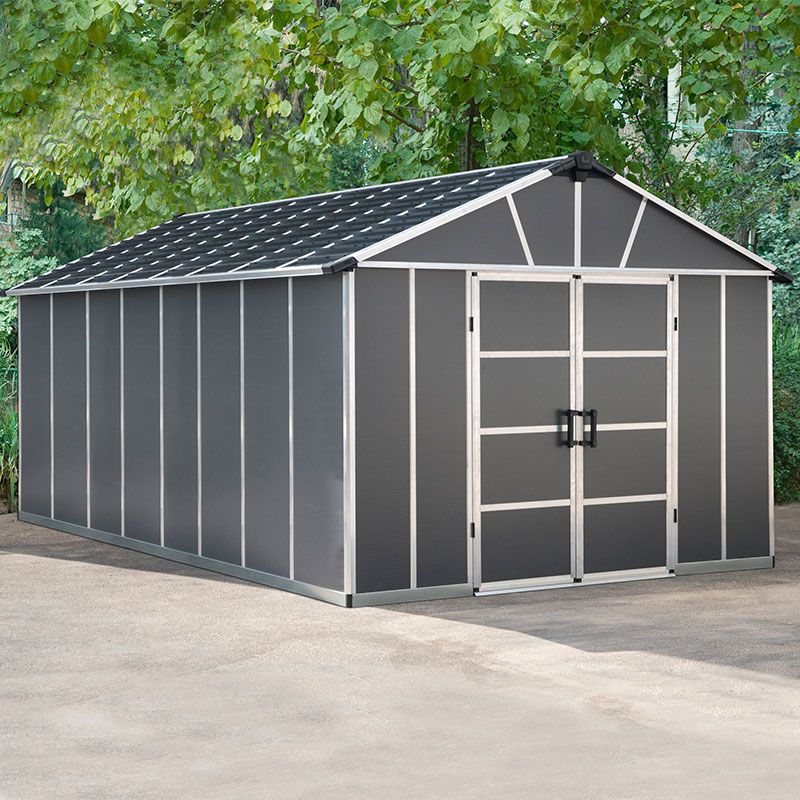
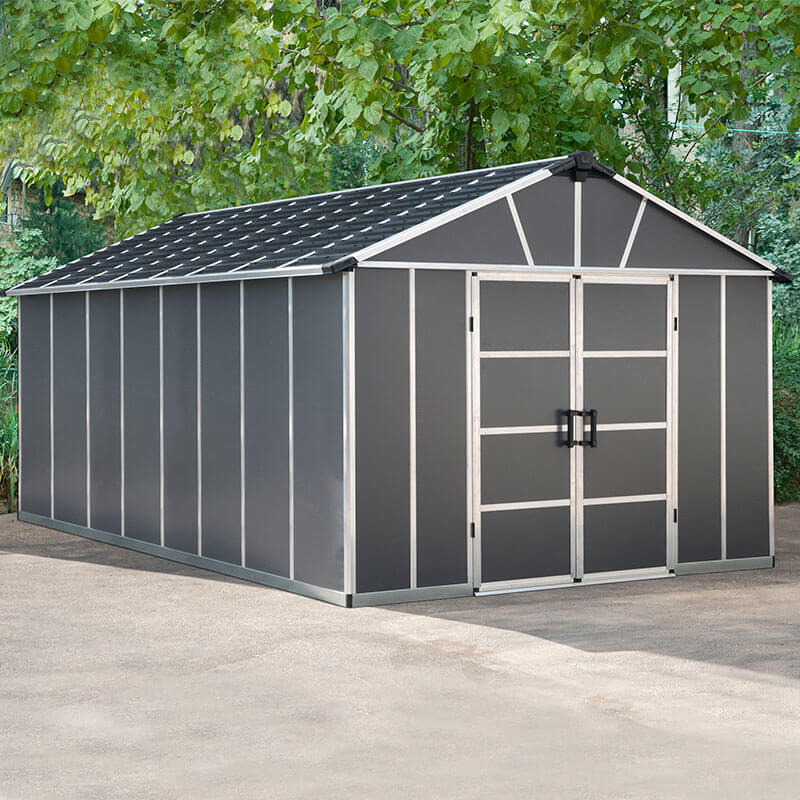
11′ x 17.2′ Palram Canopia Yukon Premium Dark Grey Plastic Shed with WPC Floor (3.32m x 5.19m) £3,549.00

-
11′ x 17.2′ Palram Canopia Yukon Premium Dark Grey Plastic Shed (3.32m x 5.19m) £2,799.00

Wooden sheds 17×11 give you a roomy, timber-built space for storage, workshop use, garden tools and organised outdoor living, with choices in shape, cladding and roof style.
A size that makes a proper difference
A 17×11 wooden shed sits in that useful middle ground where it is big enough to feel practical, but not so huge that it overwhelms a garden. The footprint gives you space for bulky items such as bikes, mowers, barrows, compost bins and patio furniture, while still leaving room for shelves, hooks and a clear walking area. For many buyers, this size is the point where a shed stops being just a storage box and starts becoming a proper outdoor utility room.
Because the shape is rectangular, the layout is straightforward and easy to plan. Long walls help when you want fixed shelving, racking or hanging storage, while the width gives enough depth for larger kit without everything sitting right at the door. If you have ever struggled with a smaller shed where one wheelbarrow blocks half the floor, the extra span here feels quite different.
What “wooden” brings to the look and the build
The appeal of a wooden shed is not just the appearance, though that matters plenty. Timber has a softer, more natural look than metal or plastic, so it tends to sit better beside planting, fencing and lawn edges. It can look like part of the garden rather than a thing placed in it. That makes a difference if the shed is visible from the house or patio.
Bestseller der Kategorie wooden sheds 17x11
Wood also gives you more variety in the way the shed is built. You will see different cladding styles, framing options and roof finishes, and those changes affect both the feel and the usefulness of the shed. Some people want a tidy, compact storage building. Others want something that feels more like a small workshop or hobby room. Timber works for both, which is part of the reason these sheds stay popular.
Cladding styles that change the character
One of the main differences between wooden sheds comes down to the cladding. The outside boards are not only about appearance; they also shape the structure and the way the shed sits in a windy, damp or exposed spot.
- Overlap cladding has boards that overlap each other, creating a traditional, practical finish. It tends to suit buyers who want a straightforward garden shed with a familiar look.
- Shiplap cladding gives a neater profile, with boards that interlock more closely. It often looks a little more refined and can feel more solid to the eye.
- Tongue and groove cladding fits boards together with a jointed edge, which can improve rigidity and gives a cleaner, more structured appearance.
For a shed in the 17×11 size, cladding choice matters because larger walls can show movement more clearly. If you want a shed that feels substantial and organised, shiplap or tongue and groove is often the route people look at first. Overlap has its own appeal though, especially if the shed is being used mainly for storage and you prefer a more traditional garden-building style.
Roof shapes: a small detail with a big effect
The roof is another place where wooden sheds differ in a way that is easy to overlook at first. On a 17×11 shed, the roof line changes both the visual balance and the usable interior height.
- Apex roof: the familiar central peak gives a classic shed look and can help water run off evenly. It also creates a useful centre line of extra headroom.
- Reverse apex roof: the ridge runs across the width instead of the length, which changes where the highest point sits inside. This can suit certain garden layouts and door positions.
- Pent roof: a single slope gives a modern feel and can work well where the shed sits against a boundary or where a lower profile is preferred.
If you are planning to move tall items in and out, headroom is worth paying attention to. An apex roof can feel more generous in the middle, while a pent roof often gives a sharper, simpler silhouette. There is no one right answer, but the roof should match the way you intend to use the shed, not just the look you first notice online.
Doors that decide how easy the shed is to live with
On a shed this size, the door layout affects more than access. It changes what you can store, how easy it is to carry things in, and whether the shed works as a storage room or a working space. Some buyers focus on the wall size and forget that door choice can make a big difference once the shed is full.
- Double doors are useful for bikes, larger machinery and garden furniture. They make moving awkward items less of a shuffle.
- Single doors suit simpler storage needs and can leave more usable wall space inside.
- Wide opening sets are especially handy if you want the shed to feel open and practical rather than cramped at the entry point.
For a 17×11 wooden shed, many people lean towards double doors because the size invites bigger items. Still, if the shed is more of a secure store for tools and boxes, a single-door arrangement can feel neater and sometimes leaves more freedom for the internal layout. It is one of those decisions that looks small on paper but changes everyday use quite a lot.
When the inside matters as much as the outside
A shed this large gives you room to think in zones. That is one of the real advantages of the 17×11 footprint. Instead of piling everything into one corner, you can separate storage by type. One section can hold lawn gear and long-handled tools, another can take boxes, and another can stay open for movement or a workbench. That separation is often what makes a large shed feel calm rather than cluttered.
Some wooden sheds suit a more open, utility-style interior, while others feel better with fixed shelving and wall storage from the start. The difference is worth thinking about if you want to use the shed for more than seasonal storage. A shed with a taller roof profile and a clean internal frame can be easier to adapt. If your aim is to store long items such as ladders, rake handles or timber lengths, wall height and ridge height become very relevant, not just floor area.
Shape, not just size: how a 17×11 can feel
Although the size is fixed, the shape and proportions of a wooden shed change its feel a lot. A 17×11 shed is rectangular, which usually means good wall runs and sensible use of space, but the door placement, roof pitch and window arrangement can make it feel more storage-led or more like a working garden room.
A long side wall suits shelving and hanging rails. A front-facing door can make entry simple when the shed is placed at the end of a path. Side doors or offset openings can work better if the building sits near a fence or if the front needs to stay uncluttered. These are practical differences rather than decorative ones, and they are exactly the details that tend to matter after installation.
Why buyers choose wood over metal or plastic
There are clear reasons why people still pick timber sheds at this size. First, wood often feels more at home in a garden setting, particularly where planting, lawn and timber fencing are already part of the view. Second, it usually offers a more flexible internal feel, with better options for adding shelving, hooks or a worktop. Third, timber tends to suit buyers who want the building to look a little more like part of the plot and less like a detached storage unit.
Compared with metal sheds, wooden sheds can feel warmer and less industrial. Compared with plastic sheds, they often offer a more substantial look and a wider range of styles. That does not make wood automatically the right choice for everyone, but for a 17×11 garden shed, the balance of appearance and practicality is often what pushes people in this direction.
Different uses that fit this size without forcing it
The best thing about a 17×11 wooden shed is how many uses it can support without feeling squeezed. It can act as a general storage shed, but it can also be organised into something more deliberate.
- General storage for garden furniture, tools, pots and household overflow.
- Bike storage where the extra width helps avoid constant rearranging.
- Workshop space for hand tools, bench work and small projects.
- Seasonal storage for items that come and go with the weather.
- Mixed use where one end is for storage and the other for active use.
The mixed-use option is especially attractive at this size. Smaller sheds often force a single purpose, but 17×11 allows a bit of separation. That can be the difference between a shed that stays tidy and one that becomes a pile of things you have to move just to reach other things.
Features worth checking before you decide
When comparing wooden sheds in this category, it helps to look beyond the headline size. Two sheds can both be 17×11 and still feel quite different once the details are taken into account. Pay attention to wall height, door width, window placement, cladding thickness and the overall roof shape. Those elements change everyday use more than most buyers expect.
If you want the shed to feel lighter inside, windows or glazed panels can make a noticeable difference, especially in a deep building where natural light can otherwise stop at the doorway. If security matters more, a simpler window arrangement may suit you better. It is always a trade-off between light, privacy and access, and the right choice depends on what you plan to store.
Useful buying tips that actually matter
Before choosing a wooden shed 17×11, it helps to think in a practical order. First, consider what will go in first. Large items should decide the doorway and internal layout, not the other way round. Second, measure the site carefully, including any overhang from the roof. Third, check whether the shed needs to sit near a fence, wall or planting bed, because that can affect which roof shape feels best.
It is also smart to think about how much standing space you want inside. Some people only need storage access, while others want enough room to work without having to step outside every few minutes. If you know that now, the shed is more likely to suit you later. And if you are choosing between a more traditional profile and a cleaner modern one, the surrounding garden usually tells you what fits better. A simple lawn and border can suit a classic apex shed. A more structured layout with paving or contemporary fencing may lean towards a pent roof.
The sort of shed people keep using, not just storing
A 17×11 wooden shed is often chosen by buyers who want the shed to do more than sit at the back of the garden. It can organise a space that used to feel scattered, hide the awkward bits of garden equipment, and create a defined place for projects or seasonal items. That usefulness is part of the appeal. You are not just buying square footage; you are buying a better way to use the garden.
If you want a shed that feels balanced, timber gives you that mix of practical and familiar. If you want one that is easier to sort into distinct areas, the larger footprint helps. If you want the building to look right beside planting and fencing, wood usually does that without trying too hard. And if you have been making do with a smaller store for years, this size can feel like the point where things finally have space to breathe, even if you end up adding a few more things than you planned.
Final details that tilt the choice
In the end, choosing among wooden sheds 17×11 comes down to the combination of cladding, roof form, doors and internal layout. Overlap feels more traditional. Shiplap gives a tidier profile. Tongue and groove leans towards a more structured build. Apex offers familiar headroom and shape. Pent brings a lower, neater line. Double doors make bulky access easier. Single doors keep the front simpler.
That is the real value of this category: it offers enough room to be useful, while still leaving space for choice. A good 17×11 timber shed does not have to shout for attention. It just needs to fit the way you use your garden, and do it in a way that feels sensible when you open the doors for the hundredth time.
[Sassy_Social_Share]