
wooden sheds 17x10 - Best Deals in UK!
Showing the single result

Wooden sheds 17×10 offer a practical mix of storage, workspace and garden structure, with enough room for bikes, tools, outdoor furniture and seasonal kit, while still fitting neatly into many medium-sized gardens.
Why a 17×10 wooden shed feels properly usable
A 17×10 wooden shed gives you a footprint that is easy to plan around, but still roomy enough to feel like a real outbuilding rather than a cramped box. The longer shape suits gardens where width is limited but depth is available, and it gives you clear zones inside for storage, potting, DIY work or even a small hobby area. Compared with smaller sheds, a 17×10 format lets you stack, shelve and separate items more sensibly, so you are not forever moving things around to reach what you need.
Wood also brings a more natural look, which matters in gardens where the shed is visible from the house, patio or lawn. A timber shed tends to sit more comfortably with planting, fencing and other outdoor materials than a metal or plastic structure. That makes the 17×10 size useful not only for what it holds, but for how it shapes the overall feel of the garden.
Shapes and layouts that change how the space works
Within the 17×10 wooden shed category, the actual shape and roof design can change the way the space feels and how you use it. A pent roof shed is often chosen when you want a lower front profile and a simple, clean outline. It can work well against a boundary or alongside a house because the sloping roof line helps it sit less intrusively. A apex roof shed, with the familiar central ridge, gives a more traditional look and often creates a more balanced interior height, especially in the middle of the shed.
Bestseller der Kategorie wooden sheds 17x10
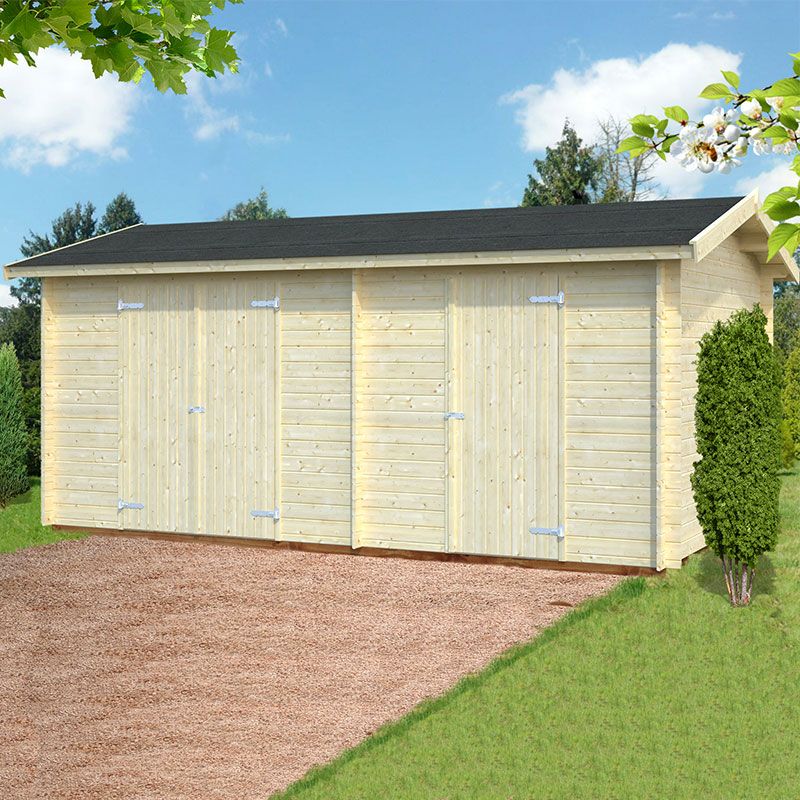
There are also differences in door position and internal layout. Some 17×10 sheds use double doors for easier access to larger items such as mowers, wheelbarrows or garden benches. Others may have a side door as well, which can make it easier to organise the inside into separate sections. If you need to move bulky items in and out often, door width matters as much as the size on paper, and that is easy to overlook at first.
Window placement can also alter the character of the shed. A model with more glazing feels brighter and more suitable for a hobby space or light workshop, while a more closed design is better if you want discretion and dedicated storage. The difference is not only visual; it affects how quickly you can find what you need inside without relying on artificial lighting all the time.
Timber styles you are likely to compare
When people look at wooden sheds 17×10, they often compare the construction style rather than just the exterior size. A shiplap shed is a common choice because the boards overlap in a way that creates a neat finish and a strong interlocking feel. This kind of cladding is often associated with a tidy, traditional appearance and can suit gardens where the shed is visible from several angles.
Overlap sheds have a different look and feel. The boards are layered more plainly, which gives a lighter, less refined appearance, but one that many buyers like because it feels honest and straightforward. This can be a sensible option if the shed is mainly for storage and you want to keep the structure practical rather than decorative.
Tongue and groove construction is another term that matters when comparing wooden sheds. It refers to boards that slot together for a more secure fit, often helping the wall panels feel more solid. For a 17×10 shed, that sort of construction can make a noticeable difference in how stable and substantial the building feels overall. It is worth remembering that not every timber shed uses the same board thickness or frame arrangement, so two sheds with the same dimensions can still feel very different in use.
What makes wood a good fit for this size
One of the main advantages of a wooden shed 17×10 is the way timber balances practicality and appearance. The material is easy to adapt to different garden designs, and the structure can be made to look more like part of the landscape than an added box. For buyers who want their shed to support the garden rather than dominate it, that is a useful quality.
Wood also tends to offer a more forgiving interior. Shelving, hooks and wall storage can feel easier to plan around in a timber building because the frame and panels are familiar to work with. That makes the 17×10 format attractive if you are thinking in zones: one side for tools, one side for larger storage, one corner for a workbench or planter tray. It is not just about capacity, but about how the space is divided.
Compared with many smaller garden buildings, this size gives you room to think beyond simple storage. You may use it for bikes in winter, outdoor cushions in bad weather, children’s play equipment, or gardening kit sorted by season. The size supports that kind of mixed use without forcing everything into one pile.
Open floor, split zones, or full storage wall: choosing the interior feel
The interior of a 17×10 timber shed can be approached in a few different ways. Some buyers prefer a mostly open floor plan so larger items can be rolled or carried in without awkward turning. That works well if the shed is for garden machinery, bicycles or bulky boxes. The drawback is that open space can become a bit messy if there is no structure to the layout.
Another approach is to create a split interior, with one side reserved for storage and the other used as a small workspace. This is useful when the shed is wide enough to support a bench or table without blocking the doors. In a 17×10 footprint, you usually have more freedom to do this than you would in a compact shed, and it can stop the whole building from becoming just a dump for things you do not want in the house.
A full wall of storage fittings, shelves and hanging points can also work well, especially if you want to keep the floor as clear as possible. That style suits buyers who like order and know exactly where things should live. It can make the shed feel more organised, though it does ask for a bit more planning before items start going in.
Which roof type suits which kind of garden
Roof design affects more than appearance. A pent roof usually gives a neat, practical silhouette and can feel especially suitable where the shed sits near a fence or side boundary. Because the roof slopes in one direction, it often looks less bulky from the front and can be easier to place where height is a consideration. It is a neat option when you want the shed to blend in quietly.
Apex roofs create a more classic shed profile, and many buyers like them because the internal ridge line gives a familiar sense of height and proportion. In a 17×10 building, that can help the shed feel less narrow inside. It can also give the impression of a more traditional garden building, which matters if you want the shed to complement a period property or a garden with a classic layout.
There are also subtle differences in how these roofs handle internal use. An apex design may feel better for taller items or if you like standing room in the middle. A pent design can feel tidier and less fussy, which is handy when the shed’s main job is storage. Neither is automatically better; it depends on what you need from the space and how visible the shed will be.
Doors, access and the small details that save hassle
On a shed this size, access details can make a lot of difference to everyday use. Double doors are useful if you plan to store larger items, because they reduce the awkward shuffle that happens when a doorway is too tight. That is especially relevant for wooden sheds 17×10, since the building is large enough to tempt you into storing more substantial kit.
If you are likely to carry in shelving, a workbench, boxes or even a small ride-on machine, make sure the entrance suits that purpose rather than just the overall footprint. A wide opening can be the difference between a shed that feels simple to use and one that always feels a bit cramped at the doorway, even when the interior itself is fine.
Windows are another detail worth thinking through. A shed with side windows can feel more open and usable for hobby tasks, while a more enclosed version suits security and privacy. In a garden where the shed is near neighbours or a road, a more closed design may feel calmer. If it is positioned deeper in the plot, glazing can make the space feel far less cave-like.
Common uses buyers consider for a 17×10 timber shed
This size works because it does not lock you into one purpose. A wooden shed 17×10 can function as a straightforward storage unit, but many buyers see it as a flexible garden structure. That flexibility is one of the main reasons people choose this footprint over something smaller. It gives room for:
- Garden equipment storage, including spades, rakes, hoses and hand tools
- Bikes and outdoor toys, with enough space to avoid constant rearranging
- Furniture storage, such as cushions, folding chairs and parasols
- DIY and hobby use, where a bench or table can sit beside stored items
- Seasonal organisation, letting summer and winter items stay separate
That ability to hold mixed uses is a real benefit, because many garden buildings only work well for one type of item. A 17×10 shed gives you room to be a bit more flexible, which can be useful if your needs change through the year. It might start as storage and then become half storage, half workspace, and that is a good thing rather than a compromise.
How different cladding and framing styles affect the feel
One of the clearest differences among wooden sheds is the sense of solidity they give. Some constructions feel lighter and more basic, while others feel more substantial because of the way the frame and cladding work together. In a larger shed like 17×10, that difference can be easy to notice once you step inside.
Thicker timber cladding can give the shed a more grounded look and a more reassuring feel. It tends to suit buyers who want the shed to last as a proper feature in the garden, not just a temporary store. Lighter cladding may be enough for basic use, but if the shed is expected to handle regular access, heavier items or a more varied role, a stronger build can feel like the sensible choice.
The frame arrangement matters too. A well-structured frame helps the walls feel straighter and the doors sit properly, which is important in a shed that sees repeated use. For a 17×10 shed, you are more likely to benefit from a layout that keeps the building feeling balanced over the full length, rather than one that only looks good from the front.
Buying tips that help you choose the right one
When comparing wooden sheds 17×10, it helps to think beyond the headline size. A shed can measure the same externally and still feel very different inside because of roof shape, wall style, door width and glazing. It is worth checking how much usable floor area you actually get once the walls and frame are taken into account. That sounds obvious, but it is easy to miss when looking at photos.
Also think about the garden position before settling on a style. A shed near a boundary may suit a pent roof better, while one standing more openly in the garden may suit an apex roof and a more decorative timber finish. If the shed is going to be part of the view from the house, a neat cladding pattern such as shiplap can make it feel more intentional.
Another useful point is access. A 17×10 shed sounds generous, but if you will be bringing in wide items, the doorway and internal route matter a lot. If storage is the main job, prioritise opening size and internal clearance over extra windows. If it is also a place to work, then light and headroom deserve more attention. Small decisions like these can save a lot of annoyance later, even if they do not seem dramatic at first.
Why the 17×10 format stands out for real gardens
The appeal of wooden sheds 17×10 is that they sit in a useful middle ground. They are not tiny utility huts, and they are not oversized buildings that take over the plot. They offer enough room to organise properly, enough shape to separate uses, and enough visual presence to feel like part of the garden rather than an afterthought.
That makes the category attractive to buyers who want a shed that can handle more than just a few tools. It can support a tidier garden, a more efficient storage setup and a more attractive outdoor layout at the same time. The differences between shapes, cladding types and roof lines may seem subtle at first, but they shape how the shed feels day to day. And that, in the end, is what makes one wooden shed fit a garden better than another.
[Sassy_Social_Share]