
wooden sheds 170 sq ft / 16 m² - Best Deals in UK!
Showing all 3 results
-
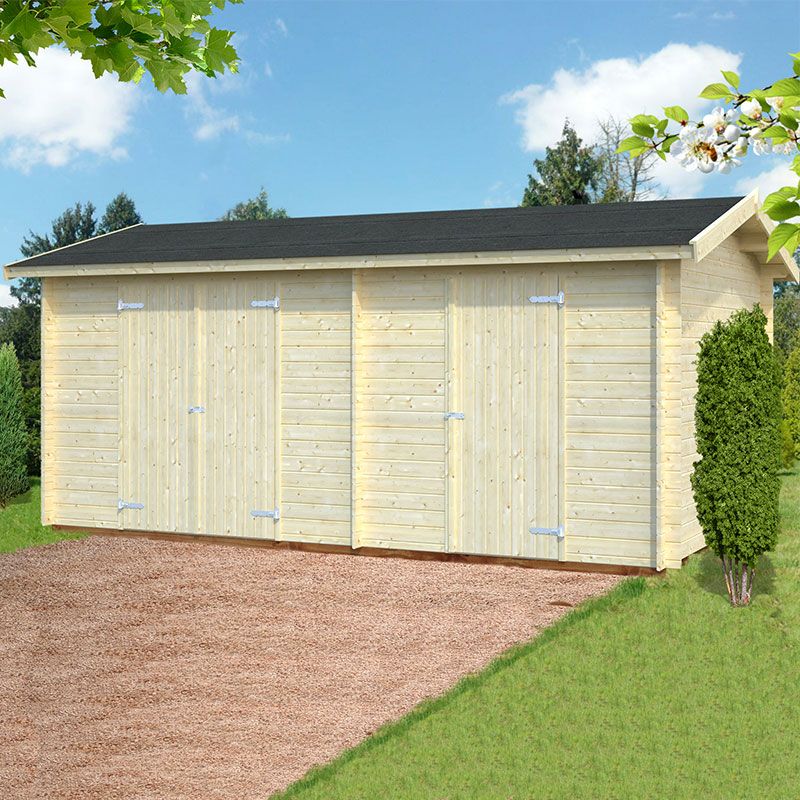
11% OFF: 17′ x 10’5 Palmako Jari Premium (28mm) Multi-room Shed (5.2m x 3.2m) £3,989.0011%

-
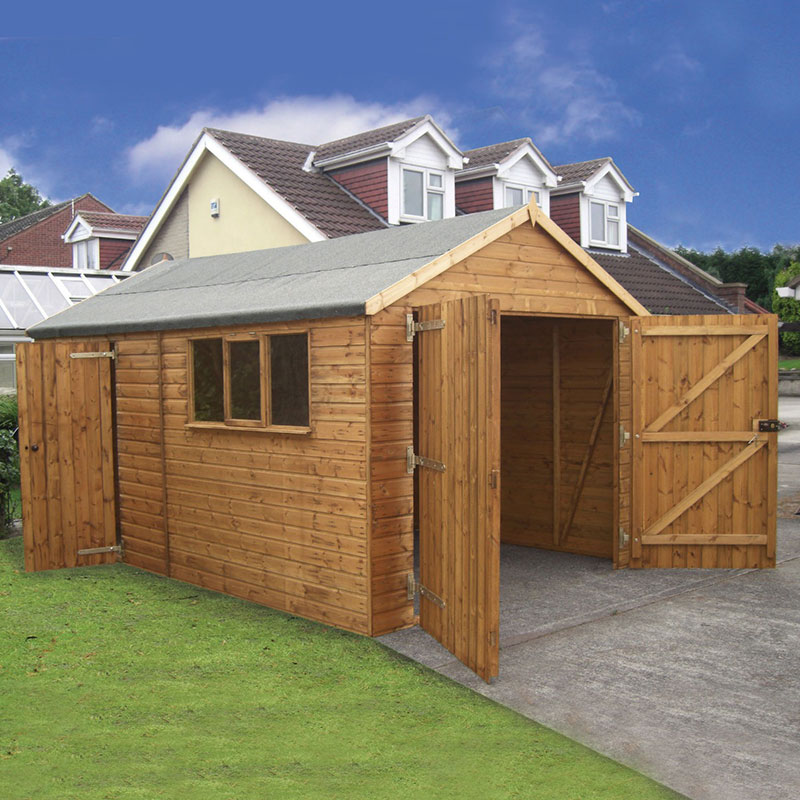
10% OFF: 14′ x 12′ Traditional Deluxe Shiplap Wooden Garage / Workshop Shed (4.28m x 3.66m) £3,849.0010%

-
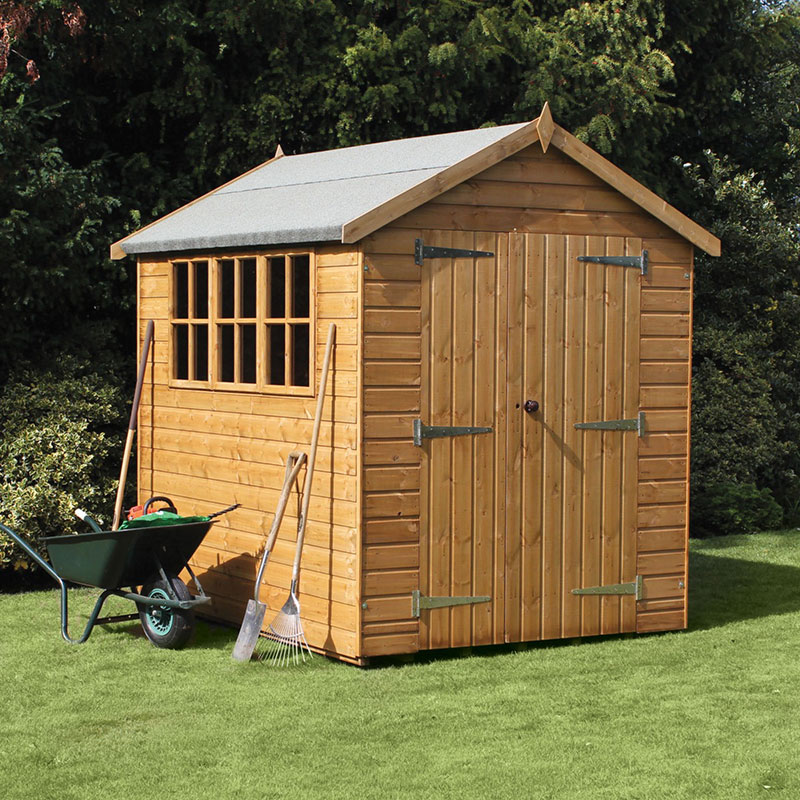
14′ x 12′ Traditional Heavy Duty Shiplap Apex Wooden Garden Shed (4.28m x 3.66m) £4,299.004%

Wooden sheds 170 sq ft / 16 m² give you a proper amount of storage and usable space for tools, bikes, garden furniture, or even a compact workshop, with the natural look of timber.
Why 170 sq ft / 16 m² feels like a practical middle ground
A wooden shed in the 170 sq ft / 16 m² range sits in that useful middle zone where the building is large enough to do more than just hide away a lawnmower, but not so vast that it dominates the garden. For many buyers, that size works because it can support zoned use: one side for storage, another for a potting bench, and a clear strip for moving around without squeezing past everything.
This size is often chosen when a smaller shed starts to feel cramped. Longer handles, bulkier tools, outdoor cushions, a bike or two, and even stacked crates all begin to need a bit more breathing room. The extra floor area also makes a difference when you want to open doors fully, turn around easily, or keep items grouped by use instead of piled in one corner.
What wooden sheds do better than metal or plastic
People often compare wooden sheds with metal or plastic versions, and the main difference is usually the feel of the space. Timber gives a warmer, more domestic look, which matters if the shed is visible from the house or sits close to a patio. It can blend into planting better than a shinier surface, and it tends to suit traditional gardens as well as more modern plots with softer landscaping.
Bestseller der Kategorie wooden sheds 170 sq ft / 16 m²
There is also the matter of internal usability. Wood is easier to adapt visually because it looks like a room rather than just a box. That makes the shed more appealing when you want to line it with shelving, add hooks, or divide the inside into working and storage areas. The structure can also feel less echoey, which sounds small but makes a difference if you are using it often.
Compared with some lighter alternatives, a timber shed in this size range often feels more substantial. Buyers usually notice the difference in doors, frame thickness, and overall presence. It is the sort of building that can look settled in place rather than temporary, though that still depends on the exact construction and specification.
Shapes that change how the space works
The footprint of a 16 m² wooden shed is one thing, but the shape influences how easy it is to use. A simple rectangular shed is the most straightforward choice because it makes shelving runs, storage stacks, and bench placement easier to plan. You do not waste awkward corners, and long items such as rakes, planks, or folded furniture can sit more naturally against the walls.
A pent shed has a sloping roof that usually looks neat against a fence or boundary. It can suit gardens where height is limited at the rear, and it often creates a slightly more discreet profile from one side. The internal headroom is not the same everywhere, so it works well when you know which side will take taller items.
A apex shed brings a more familiar pitched roof shape. Inside, that can offer a more open feeling, especially in the central area, and the external look can be a better fit if you want the shed to echo a classic outbuilding rather than a boxy store.
There are also corner-friendly layouts and wider front-facing designs that change how access feels. A broad double-door opening may suit heavier gear, while a narrower profile can keep the shed tucked out of the main view. The shape is not just about style; it decides how you move in and out every time you use it.
Subtypes worth comparing before you buy
Within the category of wooden sheds 170 sq ft / 16 m², the differences often come down to use case rather than just appearance. Some buyers want a straightforward garden storage shed with generous floor area and easy access. Others want a workshop-style shed with enough internal room for a bench, tool chest, and a clear path to walk through.
A bike store style version in this size can be useful if you want room for several bikes without lifting them over one another. The larger footprint gives space for stands, helmets, and accessories, not just the frames themselves.
A general-purpose storage shed is usually about flexibility. It may not be arranged for one exact job, but the additional square footage means it can adapt as your needs change. One year it holds garden tools and cushions, the next it takes on seasonal items, kids’ outdoor gear, or DIY bits that used to live in the garage.
Some sheds in this size band are also chosen as hobby spaces. That does not mean turning them into a fully fitted room; it means having enough area to keep materials, display boards, folding tables, or craft equipment in one place. The key difference is whether you need open floor space or simply maximum storage volume.
Door layouts, windows and access that make day-to-day use easier
With a shed this size, the door design matters quite a bit. Single doors can be fine for straightforward storage, but on a larger timber shed they may feel a little restrictive when carrying in bigger items. Double doors usually make more sense if you want to move wheelbarrows, garden furniture, or bikes in and out without awkward angles.
Window placement is another useful detail. A shed intended mostly for storage may only need limited glazing, keeping items less visible from outside. If you want to use the space more actively, windows can bring in natural light and make it easier to find things quickly. The position of the windows also affects furniture or shelving placement, so it is worth checking where the daylight will actually fall.
Vent openings, door height, and threshold style all influence how practical the shed feels. In a 16 m² structure, access is part of the purchase decision, not an afterthought. A shed can look generous on paper and still feel fiddly if the opening is narrow or badly placed for the items you plan to store.
Timber styles and finishes that shape the look
Wooden sheds come in different visual styles, even when the floor area is similar. A cladding style with horizontal boards often gives a more traditional garden-building appearance, while a tongue-and-groove finish tends to look neater and more tightly put together. The choice affects both appearance and how the shed sits in a planted setting.
Natural timber tones can suit gardens with softer colours, gravel paths, or older brickwork. A more treated finish may work better when you want the shed to visually tie in with fences, pergolas, or exterior woodwork. People sometimes overlook this, but on a larger shed the finish is more obvious because there is simply more wall surface to see.
In a category like this, some buyers prefer a look that feels workmanlike, while others want something that reads more like a garden feature. Neither is better, but the result is different. A plain, solid form can disappear into the background more easily, whereas a more characterful timber profile can become part of the garden scene.
How the extra square footage changes storage
The jump to 170 sq ft / 16 m² changes storage in a very real way. Instead of stacking everything vertically and hoping it stays manageable, you can organise by category. One wall can take long-handled tools, another can carry shelves, and the centre can stay open for larger items. That is a big difference if you are tired of lifting half the shed out just to reach one box.
This size also helps when you have mixed items. For example, you may need a place for a mower, extension hoses, plant pots, bags of compost, folding chairs, and seasonal decorations. In a smaller shed, those objects compete with each other. In a bigger one, they can be grouped, labelled, and kept more visible. It is less about sheer volume and more about order that makes sense.
A useful way to think about it is not “how much can I cram in?” but “how much can I find again without moving three other things?”. The larger footprint helps there quite a bit.
Workshop potential without forcing the issue
Not every buyer wants a workshop, but a wooden shed of this size can support light project space if that is part of the plan. The advantage is not that it becomes a full studio; it is that there is room for a bench, storage, and movement around both. That matters if you need to cut, sort, assemble, or simply keep a project on the go without packing everything away each evening.
The difference between a shed used as a store and one used as a work space is mostly in layout. A workshop-style setup usually needs a clear wall for a bench, storage above it, and enough central room to stand back. If you choose a shed that is too small, the bench ends up stealing the whole floor. In 16 m², you have more chance of keeping both access and function.
It is still worth being honest about what you need. If you mainly want storage, buying workshop-style features you will not use may be wasted. But if the plan may shift later, the larger timber shell gives you some room to change your mind, which buyers often appreciate.
Things to check before choosing one model over another
- Footprint and external dimensions — make sure the 170 sq ft / 16 m² refers to the space you are expecting, and check the exact outside measurements too.
- Roof shape — apex, pent, or another layout will change both appearance and internal height.
- Door width — especially important if bikes, mowers, or furniture will go inside.
- Window count and placement — useful for light, but they also influence shelving and privacy.
- Wall configuration — thicker-feeling timber often gives a more solid impression and can change how the shed sits in the garden.
- Internal layout flexibility — look for a shape that lets you organise by zone, not just by stacking.
- Overall height — this affects headroom, storage volume, and how visible the shed feels from nearby seating areas.
Why buyers often choose timber for this size
When the shed becomes this large, the material choice starts to matter more. Wooden construction usually feels more in keeping with a garden that already has planting, fencing, decking, or natural textures. The shed does not look out of place quite so easily, which can be a deciding factor if it will be seen from the house most days.
There is also a sense of usable depth to timber sheds. People often describe them as more “proper” looking, and while that sounds subjective, it connects to how the building is used. A 16 m² shed can seem like an extension of the garden rather than just a storage box. That makes it easier to justify the purchase when you know you need room, but still want the garden to feel considered.
For some buyers, the appeal is not dramatic. It is simply that a wooden shed of this size gives them enough space to stop improvising every time they need a tool, chair, or box. That may not sound glamorous, but it is often the reason they buy one.
Making the most of a larger shed without overfilling it
A common mistake with bigger sheds is assuming every inch should be used straight away. In practice, a little open floor area is valuable. It gives you turning space, easier access to shelves, and room to place something temporarily without making a mess of the whole setup. In a wooden shed 170 sq ft / 16 m², that breathing room is part of the benefit.
Think about the items you use together. Tools that go with gardening can stay near the door. Less-used or seasonal things can go higher up or further back. Bulky items that do not stack well need a dedicated patch rather than being mixed with smaller gear. That way the space starts to work for you, instead of asking you to remember where everything ended up.
The best part of this size is that it gives you choices. You can keep it simple and use it purely for storage, or divide it up in a more deliberate way. Either approach works, and that flexibility is exactly why many buyers settle on this category.
A clear fit for gardens that need more than a cupboard
If you have outgrown a compact store, a wooden shed in 170 sq ft / 16 m² can solve the problem without making the garden feel overwhelmed. The category suits people who need room for proper storage, but still want the building to sit comfortably among planting and outdoor living areas. The difference from smaller sheds is not just capacity; it is how calmly the space can be used.
Choose the shape, door style, and window arrangement based on what will actually go inside. A rectangular layout favours organisation. A pent roof can keep the profile lower. An apex shape can feel more open. Double doors help with bulkier items. Windows help if the shed will be used more often. These are the details that make one wooden shed feel right and another feel slightly off.
For buyers comparing options, this category stands out because it balances size, appearance, and day-to-day usefulness. It is a shed that can hold the things a garden seems to collect, while still looking like it belongs there. And that is often exactly what people are after, even if they put it in more practical words.
[Sassy_Social_Share]