
wooden sheds 170 sq ft / 15 m² - Best Deals in UK!
Showing 1–12 of 15 results
-
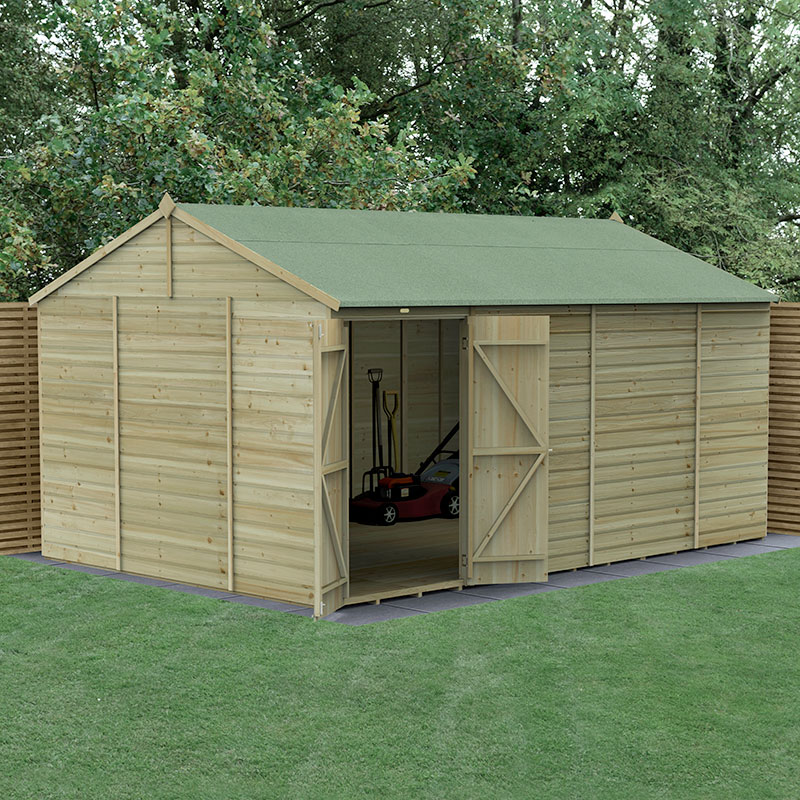
27% OFF: 15′ x 10′ Forest 4Life 25yr Guarantee Overlap Pressure Treated Windowless Double Door Reverse Apex Wooden Shed (4.48m x 3.21m) £1,110.9927%

-
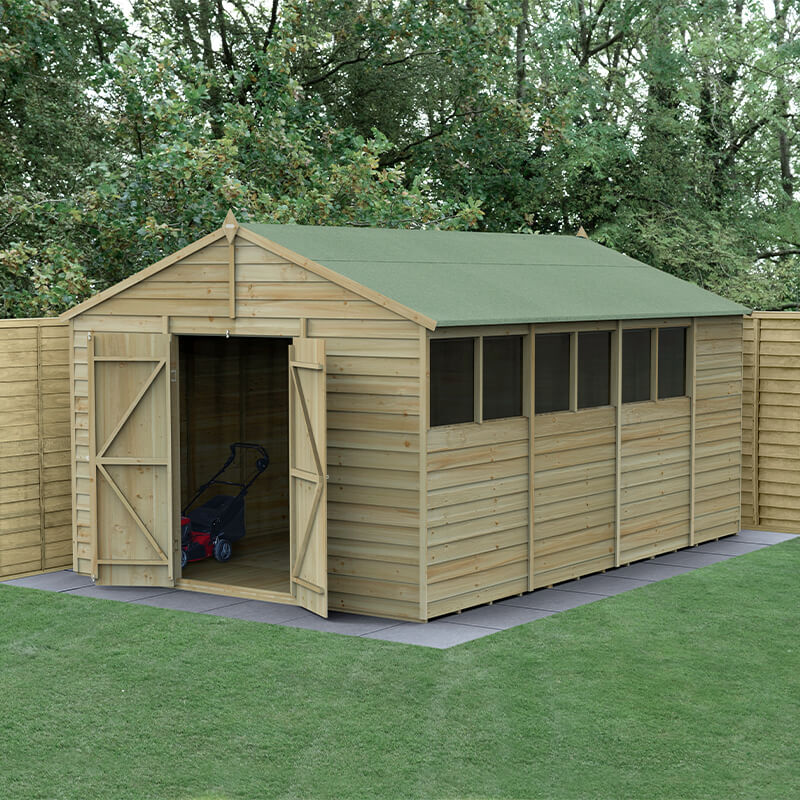
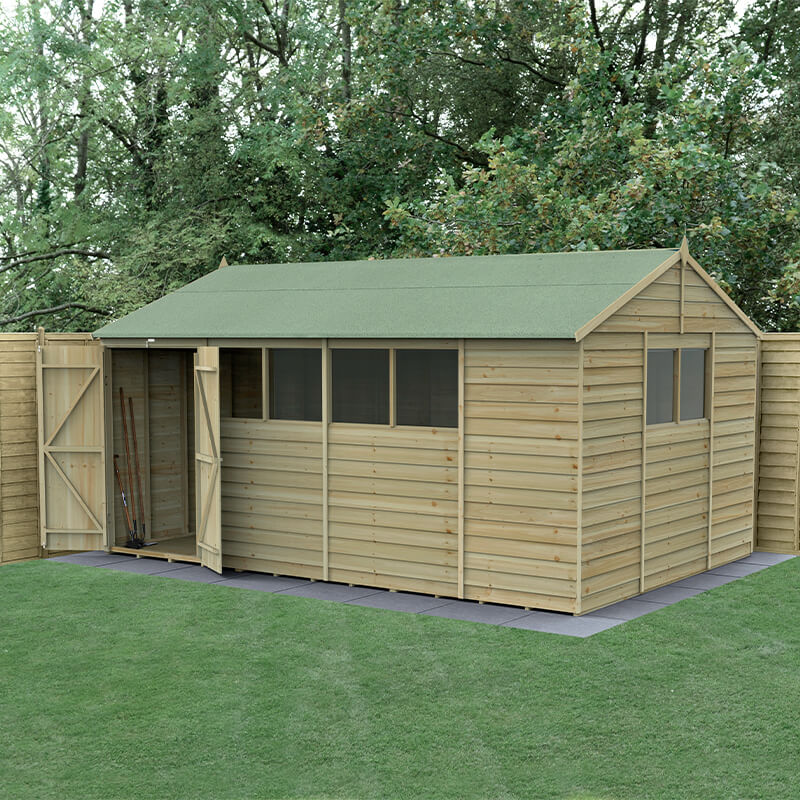
20% OFF: 15′ x 10′ Forest 4Life 25yr Guarantee Overlap Pressure Treated Double Door Apex Wooden Shed – 6 Windows (4.48m x 3.21m) £1,219.9920%

-
19% OFF: 15′ x 10′ Forest 4Life 25yr Guarantee Overlap Pressure Treated Windowless Double Door Apex Wooden Shed (4.48m x 3.21m) £1,199.9919%

-
19% OFF: 15′ x 10′ Forest Timberdale 25yr Guarantee Tongue & Groove Pressure Treated Double Door Apex Shed (4.53m x 3.21m) £2,159.9919%

-
19% OFF: 15′ x 10′ Forest Timberdale 25yr Guarantee Tongue & Groove Pressure Treated Windowless Double Door Apex Shed (4.53m x 3.21m) £2,056.4919%

-
19% OFF: 15′ x 10′ Forest Timberdale 25yr Guarantee Tongue & Groove Pressure Treated Double Door Reverse Apex Shed (4.53m x 3.21m) £2,267.9919%

-
19% OFF: 15′ x 10′ Forest Timberdale 25yr Guarantee Tongue & Groove Pressure Treated Windowless Double Door Reverse Apex Shed (4.53m x 3.21m) £2,150.9919%

-
19% OFF: 15′ x 10′ Forest 4Life 25yr Guarantee Overlap Pressure Treated Double Door Apex Wooden Shed (3.21m x 4.48m) £1,199.9919%

-
8% OFF: 15′ x 11′ Palmako Olaf Premium (88mm) Multi-room Shed (4.5m x 3.3m) £4,989.008%

-
6% OFF: 11′ x 15′ Palmako Martin Premium (88mm) Nordic Shed (3.3m x 4.5m) £4,989.006%

-
6% OFF: 15′ x 11′ Palmako Kalle (88mm) Premium Multi-room Shed (4.5m x 3.3m) £5,489.006%

-
15′ x 10′ Forest Beckwood 25yr Guarantee Shiplap Pressure Treated Windowless Double Door Apex Wooden Shed (4.48m x 3.21m) £1,599.99

Wooden sheds 170 sq ft / 15 m² offer a practical footprint for storage, a tidy workshop, or a compact garden room, with the warm look of timber and enough room to keep tools, bikes, and seasonal items in order.
Room that feels useful, not just bigger
A 170 sq ft / 15 m² wooden shed sits in that useful middle ground: larger than a simple tool store, yet still manageable for most gardens. It gives you space to separate items instead of stacking everything in one corner. That matters if you want to keep garden machinery, bicycles, pots, compost bags, and workshop bits in distinct zones. The extra footprint can also make the shed feel less cramped, which changes how often you actually use it. A shed that is easy to step into, turn around in, and sort through tends to become part of daily life rather than a clutter trap.
Timber character with a practical core
Wooden sheds have a different feel from metal or plastic buildings. Timber brings a softer look that blends with planting, fences, and outdoor furniture, while still offering a solid, enclosed structure. For this size, that matters even more, because the shed becomes a visible part of the garden layout. A wooden shed 15 m² can look calm and considered rather than industrial. Many buyers choose timber because it sits naturally beside lawn edges, patios, or allotment plots, and because the material is easier to adapt with shelves, hooks, and internal divisions.
Shapes and roof forms that change how the space works
At 170 sq ft, the roof form and wall shape make a real difference to how the shed feels inside. Different designs suit different tasks, and the choice is not only about looks.
Bestseller der Kategorie wooden sheds 170 sq ft / 15 m²
- Lean-to sheds fit neatly against a boundary or garage wall and are useful when the garden layout is tight.
- Pent roof sheds give a clean, modern profile and often create a useful slope for rain run-off and a slightly taller front side.
- Apex roof sheds provide a classic garden-shed shape, with a central ridge that can create more comfortable headroom in the middle.
- Corner-style layouts can make a 15 m² structure feel less intrusive if you want to tuck it into an unused edge of the garden.
- Wide-fronted rectangular sheds work well when you need to bring large items in and out without awkward turning.
The best shape depends on whether the shed is mainly for storage, hobby use, or mixed purposes. If you plan to keep taller items like rakes, ladder sections, or shelving units, the internal height and roofline matter as much as the floor area.
Storage shed, workshop, or both at once
The main advantage of a 15 m² wooden shed is flexibility. A smaller shed often has to choose between storage and function, but this footprint can sometimes handle both. You might keep one side for lawn equipment and general storage, while the other side stays clear for a bench, vice, or potting area. That split use is one reason buyers compare layouts carefully before deciding. A shed with a broader span, for example, can make it easier to create two internal “lanes” without the room feeling blocked.
If your goal is pure storage, a simple open interior with full-height walls and a wide doorway may be enough. If you want a working area, look more closely at how doors, windows, and wall lengths change the usable floor plan. A shed with a door positioned off-centre, for instance, can leave one wall free for longer shelving. A central opening may feel balanced, but it can reduce continuous wall space. These details matter more than people expect when the shed is near full.
Different timber styles, different looks
Wooden sheds in this size usually come in a few clear visual styles, and each one changes the character of the garden.
- Overlap-clad sheds have boards that partly overlap, giving a traditional appearance and a straightforward garden-shed feel.
- Shiplap-clad sheds create a tighter, neater finish with a more refined board profile and a more structured look.
- Framed panel sheds often feel more rigid and can suit buyers who want a firmer, more defined building form.
- Tongue-and-groove construction is popular where a tighter fit and a smarter finish are wanted, especially in larger garden buildings.
These terms are not only about appearance. They also affect how substantial the shed feels when you use it. A neater board profile, stronger framing, and well-joined panels can make the building feel more like a proper garden structure and less like a basic utility box. That can matter if the shed is visible from the house or sits close to a seating area.
Why the 170 sq ft size changes the buying decision
Compared with smaller sheds, a 170 sq ft wooden shed gives you more options, but it also asks for more planning. You are no longer simply looking for “somewhere to put the mower”. You are choosing how the building will sit in the garden, how you will move around inside it, and how much of the floor should remain open. Because of the larger size, many buyers think about access earlier: will a wheelbarrow pass through easily, can long handles and frames be carried in without pivoting, and is there enough door width to make loading practical?
This size also helps if you are storing bulkier items that don’t stack neatly. A ride-on mower is not the only example. Think of foldable tables, parasols, kids’ outdoor play pieces, sacks of bark, or spare slabs. The extra area can keep these from spreading across the garage or patio. In many gardens, the shed ends up freeing space elsewhere, which is part of the appeal even if the shed itself takes up a visible portion of the plot.
Door types and openings that make daily use easier
The way you enter a shed is more important as the size grows. In a smaller building, a narrow door may be acceptable. In a 15 m² shed, poor access can become annoying quickly.
- Single doors are simple and can suit lighter storage, but they may feel restrictive for larger items.
- Double doors are useful for bikes, sack barrows, and equipment that needs a wider turning path.
- Side doors can help separate access routes if part of the shed is used as a work area.
- Large front openings make it easier to move bulky items in and out without scraping corners or handles.
For many buyers, the door choice is the point where the shed becomes either practical or slightly awkward. A wider opening can make the difference between a building that is genuinely useful and one that only looks good from the outside. If the shed is going to store items on both sides of a central aisle, double doors often make sense. If it is placed in a narrower part of the garden, a carefully positioned single or side door may be better than forcing the layout.
Windows, light, and the feel inside
Natural light changes how a wooden shed feels the moment you step inside. At 170 sq ft, even a modest window can stop the interior from feeling like a dark box. That matters if you want to find tools quickly, label boxes without strain, or work on small tasks without relying on heavy lighting. Window placement also affects where you can put tall storage. A windowed wall may be less suitable for full-height shelving, but it can be a better spot for a workbench if you want daylight on the surface.
Some buyers prefer a more enclosed shed for security or privacy, while others want glazed sections because the building is also used for potting, repairs, or quiet sitting. The point is not to chase extra features for their own sake, but to match the internal mood to the intended use. A window can make a shed feel more connected to the garden, while a solid wall gives more uninterrupted storage space.
Security, visibility, and the things people actually store
People often think of sheds as only housing rakes and spare cans, but a 170 sq ft building is large enough to hold items of real value. Bikes, power tools, garden furniture cushions, seed trays, and seasonal equipment all become part of the decision. That is why buyers often look at door hardware, frame feel, and how visible the shed is from the house. Even without turning the shed into a fortress, small design choices can help.
- Double doors with strong closing points feel more dependable when larger items are inside.
- Smaller side windows can be a good compromise if you want daylight without making the interior too open.
- A simple, square footprint is often easier to fit with internal storage than a shape with lots of corners or awkward returns.
- Clear wall spans make it easier to position shelving where the stored items won’t be in the way.
If you are planning to keep bikes or machinery in the shed, think about how they will be turned, parked, and lifted. A shed can look generous on paper yet still feel tight if the entrance path is too narrow or if the doorway opens into a wall of shelving. The practical layout matters more than the headline size alone.
Garden placement that makes the shed feel part of the site
Because a wooden shed has a natural, lived-in appearance, it often works well as a garden anchor. In a 15 m² size, placement has a visual impact. Put it too centrally and it may dominate the view; tuck it into a boundary and it can support the layout instead. Many buyers prefer to align the shed with an existing edge, path, or fence line so it feels intentional rather than added later. This is especially useful where the shed needs to share space with a greenhouse, bin store, or patio storage area.
The orientation also affects convenience. If the main door opens toward the house or a path, daily use becomes easier. If the opening faces a hedge or a tight corner, the shed may be harder to reach when carrying bags or tools. For a footprint this size, a good site choice can make the building feel much more usable without changing the shed itself.
Useful differences that are easy to miss at first glance
When comparing wooden sheds of this size, buyers often focus on the outside look first, but the hidden differences are usually more important.
- Wall height affects whether tall shelving and hanging storage are realistic.
- Roof style changes how water sheds away and how much internal headroom you get.
- Door width decides whether the shed can handle larger items without hassle.
- Internal span tells you how much open floor remains after storage is installed.
- Panel layout can affect how easy the shed is to organise with hooks and racks.
Two sheds with the same floor area can feel very different in use. One may have a stronger storage rhythm, with clear wall sections and tidy access. Another may offer more visual charm but less practical spacing. That is why a good choice starts with what you plan to keep inside, not just how the shed looks on a product page.
What makes buyers lean toward wood at this size
At 170 sq ft / 15 m², timber often feels like the right balance between function and appearance. It is large enough to be useful in daily life, and wood gives that space a more settled presence in the garden. Buyers often like that it can support different uses over time: today it may be storage, later a hobby room, and after that a mix of both. That kind of flexibility is one of the strongest reasons people choose a wooden shed over a more rigid-looking alternative.
There is also a quiet design advantage. A timber shed can soften the visual weight of a larger structure, especially if the garden already has fences, paving, or high planting. Instead of feeling like an added utility box, it can feel like part of the landscape. For many shoppers, that makes the purchase easier to justify, because the shed earns its place both practically and visually.
Quick buying checks before you decide
A few focused checks can help narrow the choice without making the decision feel overcomplicated.
- Measure the access route to the shed location, not only the final footprint.
- Check the internal shape so shelving and stored items will not block the doorway.
- Think about the main job: storage, workshop use, mixed use, or seasonal overflow.
- Compare roof and door arrangements as these affect day-to-day ease more than décor details.
- Look at how the shed sits in the garden so the size feels balanced rather than forced.
A solid choice for tidy storage and garden life
A wooden shed 170 sq ft / 15 m² is a practical step up for anyone who needs space that works harder than a basic store. It can handle the odd mix of outdoor life: large tools, boxes, bikes, folding chairs, garden pots, and the things that never seem to fit anywhere else. With the right shape, door layout, and wall arrangement, it becomes more than a shed. It becomes the place where the garden finally has a proper home for its useful things.
[Sassy_Social_Share]