
wooden sheds 16x12 - Best Deals in UK!
Showing all 2 results
-
14% OFF: 16′ x 12′ Traditional Deluxe Shiplap Wooden Garage / Workshop Shed (4.88m x 3.66m) £4,479.0014%

-
16′ x 12′ Traditional Heavy Duty Shiplap Apex Wooden Garden Shed (4.88m x 3.66m) £4,849.005%

Wooden sheds 16×12 offer generous storage, a proper workshop footprint, and a warm timber look that sits naturally in British gardens, from neat town plots to wider country spaces.
Why the 16×12 Footprint Feels So Usable
A 16×12 wooden shed gives you a layout that does not feel cramped the moment you put something inside. With a footprint of roughly 192 square feet, it suits buyers who need more than basic tool storage but do not want to move up to a structure that dominates the whole garden. This size often works well for people comparing a simple storage hut against a more serious garden workshop or multi-use outbuilding.
The appeal is in the balance. A smaller shed can force everything into one corner, while larger builds may need a more careful check of the available plot. At 16×12, you get room for racking, benches, bikes, mowers, garden furniture, and still enough central space to walk in and out without turning sideways. That makes it a practical choice for anyone who wants the shed to feel like a proper part of the garden, not just a box at the end of it.
Forms That Change How the Space Works
Not every wooden shed 16×12 feels the same, because the shape and roof form alter how usable the interior becomes. The same footprint can behave quite differently depending on the style.
Bestseller der Kategorie wooden sheds 16x12
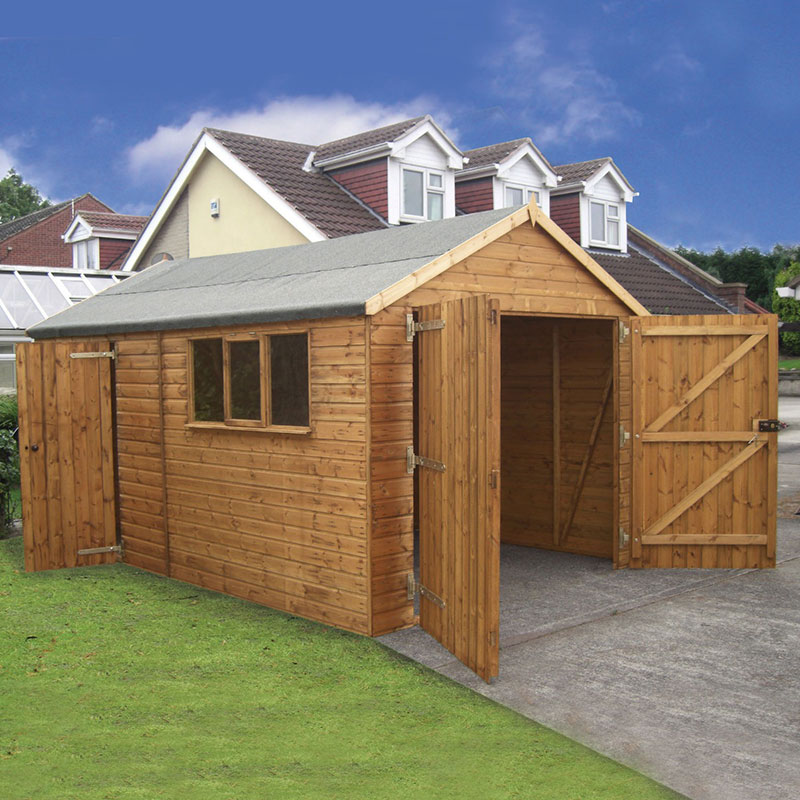
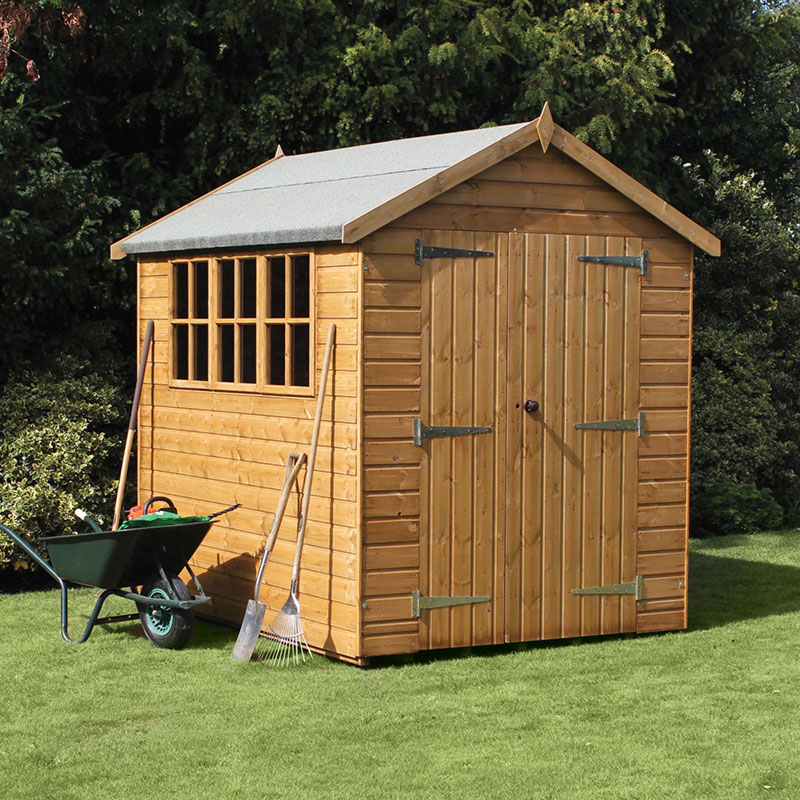
- Single pent roof sheds – These have a sloping roof that suits a modern look and can be handy where rainwater runoff needs to move in one direction. They often feel neat against a boundary fence.
- Aphex or apex roof sheds – The familiar pitched profile gives a more traditional garden-shed feel and can offer extra headroom in the centre, which is useful if you want shelving or taller tools inside.
- Reverse apex layouts – Similar to apex, but with the ridge running the other way. This can suit a wider frontage or a site where access is better on the long side rather than the gable end.
- Corner-style placement – A 16×12 shed can be used to make better sense of an awkward corner, especially when the garden plan is not a simple rectangle. Not a shape of shed exactly, more a way of setting it out, but it matters.
The roof form affects more than appearance. It influences internal head height, where tall items can stand, and how the shed sits visually in the garden. A pent roof can feel more restrained and contemporary, while an apex roof often reads as more classic and gives a bit of breathing space inside. If you are planning to store long-handled tools, ladders, or a bench with shelving above, that central roof height is worth paying attention to.
Timber Build: What Wooden Really Means Here
When people search for wooden sheds 16×12, they are often after the character of timber as much as the size. Wood has a different feel from metal or plastic sheds. It looks more settled in a planted garden, and it tends to give the space a softer, less industrial presence. That matters if the shed will sit near a patio, lawn edge, or veg patch.
There are also practical differences inside the structure. Timber sheds are often chosen because they can accommodate shelves, hooks, benching, and partitioned areas more naturally. For buyers weighing up a wooden build against a lighter garden store, the main draw is the sense of proper structure. A 16×12 timber shed can feel like a room, not just a container.
The timber cladding style changes the look and the feel of the build too:
- Overlap cladding – A more budget-conscious option with horizontal boards that overlap. It has a traditional shed appearance and suits straightforward storage use.
- Shiplap cladding – Tighter board profiles that give a cleaner finish and a more defined look. It is often preferred when the shed will be seen from the house and needs to look a bit more refined.
- Tongue and groove cladding – Boards slot together for a more solid wall finish and a neater interior feel. Buyers often compare this style with overlap when they want a sturdier impression.
Storage, Workshop, or Both?
The real strength of a 16×12 timber shed is that it can be organised in different ways without feeling forced. Some people need a tidy storage zone for seasonal items and bulky gear. Others want a proper garden workshop with a bench, vice, and enough floor space to handle projects. Many will want a bit of both, and this size is one of the few where that mix still feels workable.
For storage-led use, the shed can be divided into practical bands: one side for mowers, strimmers, and hand tools, another for potted plants, compost bags, or outdoor cushions. A workshop setup often leaves the middle open while using the walls for peg boards or shelves. The 16-foot length is useful here because it allows you to create zones rather than stacking everything vertically and hoping for the best.
That is one of the main differences between this size and smaller garden buildings. In a compact shed, the first item you store affects everything else. In a 16×12, there is room to think in terms of layout, which can save a lot of faffing about later on.
Door Options That Shape Access
The door arrangement on a wooden shed 16×12 makes a bigger difference than many buyers expect. It affects how easy it is to move large items in and out, how the interior is lit, and whether the shed feels open or enclosed.
- Single door – A neat solution when the shed is mainly for storage and the items stored are not overly bulky. It can work well on one end of the building.
- Double doors – Useful for wheelbarrows, bicycles, mowers, and bench tops that need a wider opening. A double-door entrance usually feels more practical on a 16×12 footprint because it helps the space act like a working room.
- Side access – Not a standard requirement, but a side door can make sense if the shed is long enough to divide use between front and rear zones. It reduces the need to walk through the whole building for small jobs.
The right door choice depends on what you are putting inside. If you are planning to store wide-handled tools, furniture, or a ride-on machine, the access width matters a lot. If the shed is mostly for boxed storage, a single door may be enough and keeps the front simpler. Some buyers like the look of double doors because it makes the shed feel more like a usable outbuilding than a box to hide things in.
Light, Layout and the Feeling of Space
A 16×12 shed can be surprisingly different depending on where the windows sit and how the internal layout is arranged. The same footprint can feel calm and open, or a bit dark and crowded, just from those small decisions. That is why people often compare windowed sheds with more enclosed versions before they decide.
Windows can be placed to support the purpose of the building. If the shed is for workbench use, you might want light falling across the bench rather than behind it. If it is for storage, smaller windows may be enough to bring in daylight without giving up too much wall area that could otherwise hold shelves. It sounds basic, but once you start fitting stuff inside, wall space is gold.
Another useful difference is between a shed that keeps the centre open and one that uses a central divider. An open plan works better for larger equipment and occasional workshop use. A split layout helps if you want a clean separation between, say, garden storage and hobby tools. It can make the whole thing feel tidier, though the first time you store something long and awkward, you may be glad you left a clear path.
What Makes 16×12 Different from Smaller Sheds
Buyers often begin by comparing a wooden shed 16×12 with something like an 8×6, 10×8, or 12×10 shed. Those smaller sizes are perfectly useful, but they serve a different kind of need. A 16×12 starts to feel less like a utility box and more like a dedicated outdoor space.
The difference is not just about space, it is about flexibility. A smaller shed can store what you already own. A 16×12 can be arranged for what you own now and what you may end up adding later. That matters if you have a growing collection of garden tools, plan to keep a bicycle store inside, or want room for a hobby bench without sacrificing storage. It also means the shed is less likely to become a pile-up of random items after a single season.
Compared with a larger outbuilding, though, 16×12 is easier to place in a typical garden. It often offers enough room without taking over the whole view. So if you want a strong middle ground between compact and expansive, this size sits in a useful spot. It is not tiny, but it is not overblown either.
Useful Features Buyers Often Look For
When choosing a wooden shed 16×12, the small structural details can matter as much as the headline size. Buyers usually scan for the bits that make the shed feel easier to use day to day.
- Wide opening doors for moving in bulkier kit
- High enough eaves for standing tools and shelves
- Good wall depth for fixing racking or storing long items along the sides
- Robust timber cladding for a more solid sense of build
- Glazed or fitted windows where daylight helps the space work as a workshop
- Roof style that matches both garden layout and internal headroom needs
These features influence day-to-day use more than people often expect. A shed that looks fine on paper can feel awkward if the door opening is too narrow or the wall height is a bit tight. Likewise, a layout with useful window placement and sensible access can make the same footprint much more satisfying. It is the sort of thing you notice every time you step inside.
A Garden Building That Can Sit Quietly or Take Centre Stage
One nice thing about wooden sheds 16×12 is that they can either blend in or become a feature, depending on the finish and placement. Natural timber tones work well when you want the shed to sit among hedges, fencing, and planting. Painted or treated finishes can make the same structure feel more intentional, especially where the garden has a neat design or a defined seating area nearby.
The proportions help here too. A 16×12 shed has enough presence to look purposeful, but it does not have the heavy footprint of a full detached garden room. For buyers who want something that looks like it belongs in the landscape rather than an afterthought, that balance can be a real advantage. And if you are the kind of person who likes a tidy line from house to garden structure, the longer side profile can look quite satisfying, even if that sounds a bit daft.
Choosing the Right Version for Your Use
There is no single version of a 16×12 wooden shed that suits everyone, which is exactly why the category is so useful. The right choice depends on how the building will be used, how much access you need, and what sort of look you want in the garden.
- For storage-heavy use – Look for straightforward internal space, practical door width, and wall area that can take shelving.
- For workshop use – Prioritise light, headroom, and enough uninterrupted floor area for a bench and chair.
- For mixed use – Aim for a layout that can divide into zones, so storage does not swallow the working area.
- For visual impact – Consider roof shape, cladding profile, and how the shed sits against fences, trees, or paving.
Thinking in these terms helps narrow things down quickly. It also avoids the usual trap of buying by size alone and then realising the interior does not quite match the job. With a 16×12 shed, there is enough space to be selective, which is rather the point.
Why Buyers Keep Coming Back to This Size
A wooden shed 16×12 keeps drawing attention because it answers more than one need at once. It can store, organise, and support hands-on use without becoming a clumsy add-on. It suits keen gardeners, weekend makers, families with bulky outdoor kit, and anyone who wants a timber structure that feels settled rather than temporary.
The category also offers useful differences within the same size: apex or pent roof, single or double doors, overlap, shiplap or tongue and groove cladding, and layouts that lean towards storage or workshop use. Those choices matter because they change how the shed behaves every day. That is really what buyers are looking for — not just a measurement, but a space that matches the way they actually use the garden.
If you are comparing options, a 16×12 timber shed is worth a proper look. It has room to do a job, enough flexibility to avoid feeling boxed in, and a natural wooden finish that tends to sit well in most gardens. Not flashy, just useful in a way that makes sense.
[Sassy_Social_Share]