
wooden sheds 16x10 - Best Deals in UK!
Showing all 2 results
-
17% OFF: 16′ x 10′ Shire Bison Heavy Duty Double Door Wooden Workshop (4.91m x 3.16m) £2,399.0017%

-
15% OFF: 16′ x 10′ Traditional Deluxe Shiplap Wooden Garage / Workshop Shed (4.88m x 3.05m) £3,329.0015%

Wooden sheds 16×10 give you a generous 16ft x 10ft footprint for storage, a workshop, hobby space or garden office use, with natural timber styling and practical layout options.
Why a 16×10 wooden shed feels different
A wooden shed 16×10 sits in that useful middle ground where the building is large enough to do proper work, yet not so oversized that it takes over the whole garden. The 160 square foot floor area gives you room to think in zones: one side for tools and bulky kit, another for a bench, shelves or bikes, and a clear walkway in between. That matters when you are comparing it with smaller 8×6 or 10×8 sheds, where every item has to fight for space. With a 16×10 layout, you can actually separate what you use often from what can be stored away.
Because it is timber, the shed has a warmer, more domestic feel than metal or plastic alternatives. That makes a difference if the shed is visible from the house or sits near a patio. The wooden finish blends into planting, fencing and decking more naturally, and many buyers like that the shed looks like part of the garden rather than a block placed into it. For people who want a practical outbuilding without the hard industrial look, that visual difference is often enough to sway the decision.
Layouts that make the most of the 16×10 space
The shape of the interior matters as much as the size on paper. A rectangular 16×10 shed gives the cleanest run for shelving, racking and long items such as ladders, timber offcuts or garden edging. It also suits a straight workbench along one long wall. If the door is placed on the 10ft end, the interior can feel open and easy to organise; if the door is on the long side, access to separate storage zones can be simpler. The right choice depends on what you plan to move in and out most often.
Bestseller der Kategorie wooden sheds 16x10
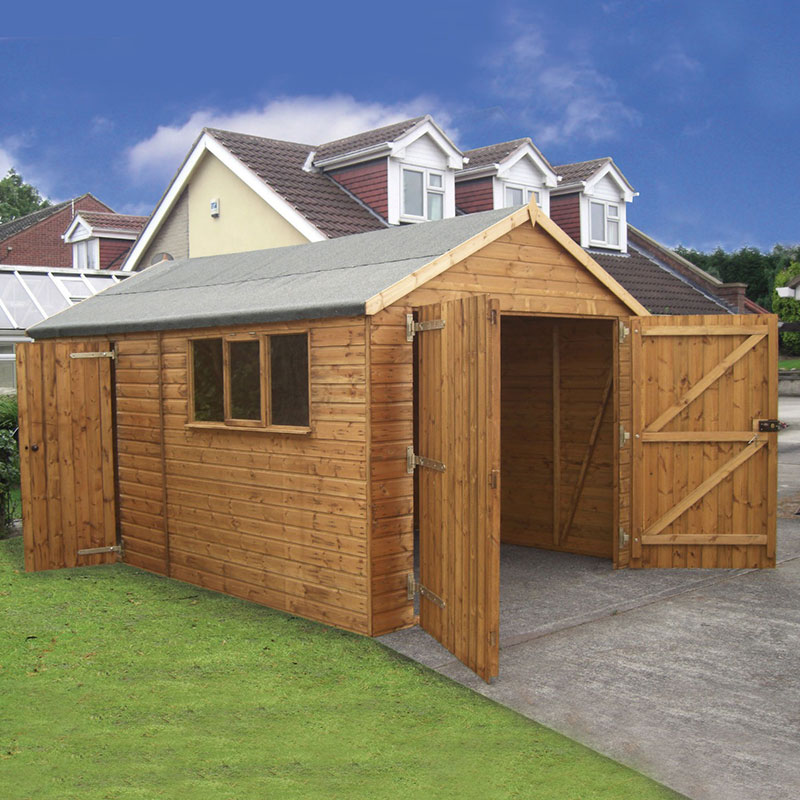
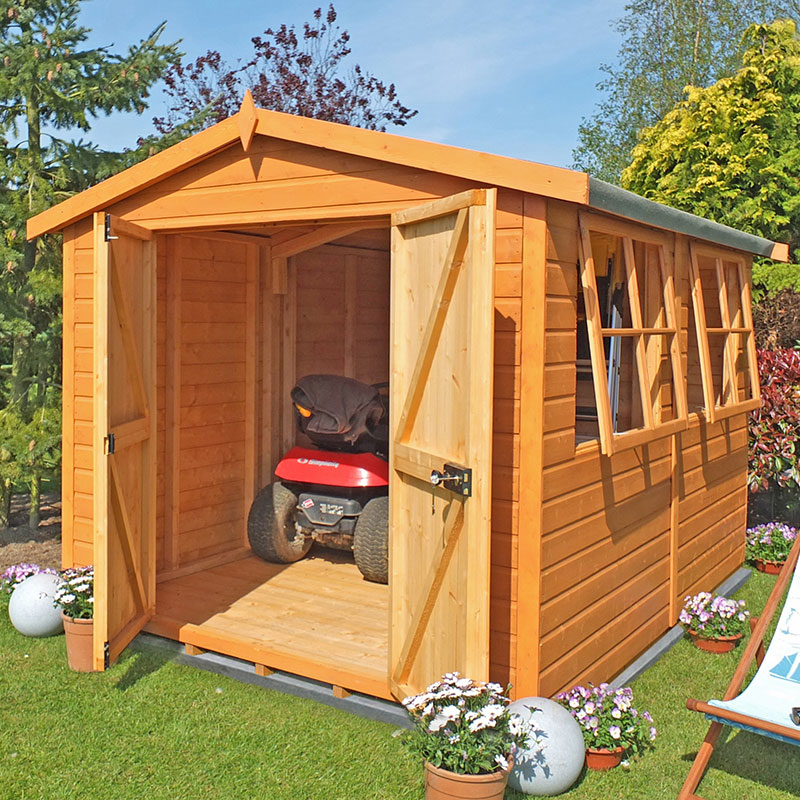
Some buyers prefer a design with double doors so larger items can be wheeled in without awkward lifting. Others want a side door to keep a working area separate from storage. That is one of the useful differences in this category: not every 16×10 shed is just a plain box. The door position, opening width, and roof shape all change how the shed behaves in real use. A model with a wider opening can be easier for ride-on equipment, garden furniture, or pre-assembled storage units, while a narrower opening may suit a more controlled, secure store for tools and materials.
Roof styles that change the look and the room
Roof design is one of the first things to compare when looking at wooden sheds 16×10, because it affects both appearance and usable height. A pent roof gives a neat, modern profile and often works well when the shed is positioned against a boundary or where rainwater needs to run in one direction. It can also feel more compact from the outside, which some people prefer in a garden with limited sight lines.
A apex roof brings a more traditional shed look and usually creates more headroom in the centre. This is handy if the shed will be used as a hobby room, potting area or general workspace, as the extra internal height can make the space feel less cramped. The visual difference is worth noting too: apex roofs often look more classic and “garden shed” in the familiar sense, while pent roofs lean towards a sharper, contemporary line. Neither is better in every case, but they do suit different garden settings and practical needs.
There are also variants with overhangs or deeper eaves, which can change the way the shed sits in the garden and how sheltered the doorway feels. On a 16×10 shed, these roof details can add character without changing the footprint. If the shed is viewed from the seating area or kitchen window, the roofline may matter more than people first expect.
Timber options and what they mean in real use
In this category, the word wooden covers a few different timber constructions, and the differences are worth paying attention to. Cladding style is one of the main points. Overlap cladding has boards that overlap slightly, which gives a more traditional shed appearance and can suit a straightforward storage building. Shiplap cladding interlocks more cleanly, creating a tighter, more finished look with a smoother exterior line. Tongue and groove is often chosen where a more solid feel is wanted, as the boards fit together closely and the walls tend to feel more refined.
The timber framing and board thickness also affect the overall feel. A 16×10 shed intended for heavy storage, such as bikes, mower equipment or stackable containers, may benefit from a more robust structure than one used mainly for lighter garden items. Buyers often notice the difference only after comparing door fit, wall rigidity and how the panels are assembled. That is why two sheds with the same size can feel quite different in person, even before anything is stored inside.
Some wooden sheds use pressure-treated timber or pre-treated panels, while others may arrive untreated. That detail is not just technical; it changes how ready the shed is for installation and how much preparation is involved before use. For a buyer looking for convenience, a treated shed can be a cleaner starting point. For someone wanting to choose a specific finish, an untreated timber shed offers more flexibility. The right choice depends on whether the priority is quick set-up or a more personalised final look.
Storage, workshop or somewhere in between
The best thing about a 16×10 wooden shed is the way it can serve more than one purpose. As a storage shed, it can take bulky garden furniture, hand tools, seasonal items and larger equipment without becoming cluttered. As a workshop, the same footprint allows for a proper bench, wall storage and a clear central area to move around in. If used as a combined space, the layout can be split into a “clean” side and a “working” side, which helps keep the building useful rather than just full.
That flexibility is one of the reasons this size appeals to buyers who have outgrown a smaller shed but do not want a full outbuilding. The space can support a mower store on one side and a DIY zone on the other, or shelving along the back wall with floor space left free for larger items. If the shed is being considered for hobby use, the 16ft width gives enough room to place items side by side instead of stacking everything into awkward piles. That makes the interior easier to use day after day.
Doors, windows and how they shape the feel
Door design has a bigger effect on usability than many buyers expect. A single door can work well where the shed is mostly for storage and space outside is tight. Double doors, however, are often chosen for a 16×10 shed because they make bulky items easier to move through and can make the opening feel less restrictive. If you are storing wheelbarrows, garden chairs or boxed equipment, that wider entrance can save time and reduce the awkward manoeuvring that smaller doors create.
Windows bring another layer of choice. A shed with one or more windows feels more open inside and may suit a workspace, hobby room or potting area. A windowless shed can feel more discreet and is often selected when security or privacy matters more than light. Some buyers like a compromise: enough glazing to brighten the interior, but not so much that the contents are on full display. The exact balance depends on whether the shed is being used as a visible feature in the garden or as a practical storage building tucked to the side.
How shape affects access and organisation
The standard rectangular form is the most common, but even within a wooden shed 16×10 range, small shape changes make a difference. A shed with a slightly deeper roof pitch can give more overhead room and a less boxy feel. A design with wider eaves may offer a better visual transition between shed and garden. These are not flashy changes, yet they affect how easily the space can be used and how comfortable it feels to stand inside.
For storage planning, the long walls are the key feature. They make it easier to install continuous shelving, hanging rails or tall storage units. The shorter end walls can then be kept for access points or larger tools. If you are comparing different 16×10 variants, think about which wall will hold the most fixed storage and which side needs to stay open. That simple decision can make the shed feel much larger, even though the footprint stays the same.
Where this size really earns its place
A 16×10 shed suits buyers who want a structure that can grow with their needs. It can begin as storage, then later become a workshop, then maybe take on a more mixed role as the garden changes. That is useful if you do not want to replace a shed every few years. The size gives breathing room for changes in use, and that is often more valuable than having a smaller shed that looks neat but fills up too quickly.
It is also a sensible choice where the garden already has other features. In a plot with a patio, lawn, raised beds or a play area, a 16×10 shed can be placed to support the way the garden is used rather than dictating it. The shed can hold the items that would otherwise clutter the house or garage, which helps keep the rest of the space tidy and more enjoyable. That practical benefit is one of the main reasons buyers move up to this size.
Details worth checking before choosing one
When comparing wooden sheds 16×10, it helps to look closely at the practical details, not just the headline size. Pay attention to door opening width, wall height, roof form, window placement and how the internal space is likely to be divided. A shed that looks suitable from the outside may be less handy if the entrance is awkward or the layout makes one side hard to use. It is often the small differences that make the biggest impact once the shed is in place.
Think also about how you will actually move things in and out. If the shed is for regular use, a flatter threshold and wide opening can make life easier. If it is mostly for long-term storage, you may value wall space and security more than a generous doorway. The category includes variations aimed at both kinds of use, so the key is matching the shape to the job rather than buying on size alone. That sounds obvious, but it is easy to miss when a shed looks good in photos.
What makes timber a strong choice here
Wood gives this category a set of practical and visual advantages that suit a 16×10 footprint particularly well. First, timber gives the shed a softer appearance that sits naturally among planting, sleepers and fencing. Second, it works well with the traditional shed shapes people expect, so apex and pent versions both feel coherent in wood. Third, timber structures often offer a more approachable feel for buyers who want a building that looks part of the garden rather than a separate piece of kit.
There is also a sense of adaptation. A wooden shed can fit different uses more comfortably because the interior can be thought about in zones, with shelving, hooks or benches positioned where they are needed. In a larger size like 16×10, that adaptability really matters. It means the shed does not have to stay a single-purpose store if your needs change. For many buyers, that is a key reason to choose timber in this category instead of a more rigid alternative.
Choosing the right version for your garden
If you want a simple storage shed, look for a layout with practical access, a straightforward roof and enough wall space for shelving. If you want a workshop feel, a model with more headroom, windows and a wider opening may be more suitable. If the shed must stay visually quiet in the garden, a darker timber finish or a more compact roof profile can help it settle into the background. None of these are cosmetic only; they affect how the shed is experienced every time you use it.
It also helps to imagine the shed as part of a route through the garden. Will you carry items from the house to the shed by hand, or wheel them in? Do you need space at the front for opening double doors fully? Is the shed likely to be seen mostly from one direction? A wooden shed 16×10 gives enough scale for proper function, but the best version is the one that fits the movement and sight lines of your garden, not just the measurements on a page.
The quiet appeal of a bigger shed done properly
There is something satisfying about a shed that is large enough to solve problems instead of creating them. A wooden shed 16×10 does that in a fairly understated way. It gives room for order, room for tools, room for a bench, room for things you do not use every day but still need close by. It can be a store, a workspace, a seasonal cupboard and a tidy place for the awkward bits of garden life that never seem to fit anywhere else.
For buyers comparing options, the real attraction is not just the size. It is the combination of timber character, usable proportions, and the many small choices that change how the shed works: roof shape, door style, cladding type, window placement and internal flow. Get those details right, and the shed feels less like an add-on and more like a proper part of the garden. That is usually the point where a purchase starts to make sense.
- Rectangular 16×10 footprint for flexible storage and workspace planning
- Pent roof for a sharper, contemporary profile
- Apex roof for extra centre headroom and a more classic shed look
- Double doors for easier access with larger items
- Single door for simpler storage-focused layouts
- Windows for brightness and hobby use
- Windowless versions for a more discreet store
- Overlap cladding for a traditional feel
- Shiplap cladding for a cleaner exterior finish
- Tongue and groove for a more solid, refined timber construction