
wooden sheds 160 sq ft / 15 m² - Best Deals in UK!
Showing all 4 resultsSorted by price: low to high
-
17% OFF: 16′ x 10′ Shire Bison Heavy Duty Double Door Wooden Workshop (4.91m x 3.16m) £2,399.0017%

-
21% OFF: 9′ x 18′ Palmako Dan Premium (16mm) Nordic Shed (2.7m x 5.5m) £2,589.0021%

-
15% OFF: 16′ x 10′ Traditional Deluxe Shiplap Wooden Garage / Workshop Shed (4.88m x 3.05m) £3,329.0015%

-
20′ x 8′ Traditional Heavy Duty Shiplap Apex Wooden Garden Shed (6.1m x 2.44m) £4,009.005%
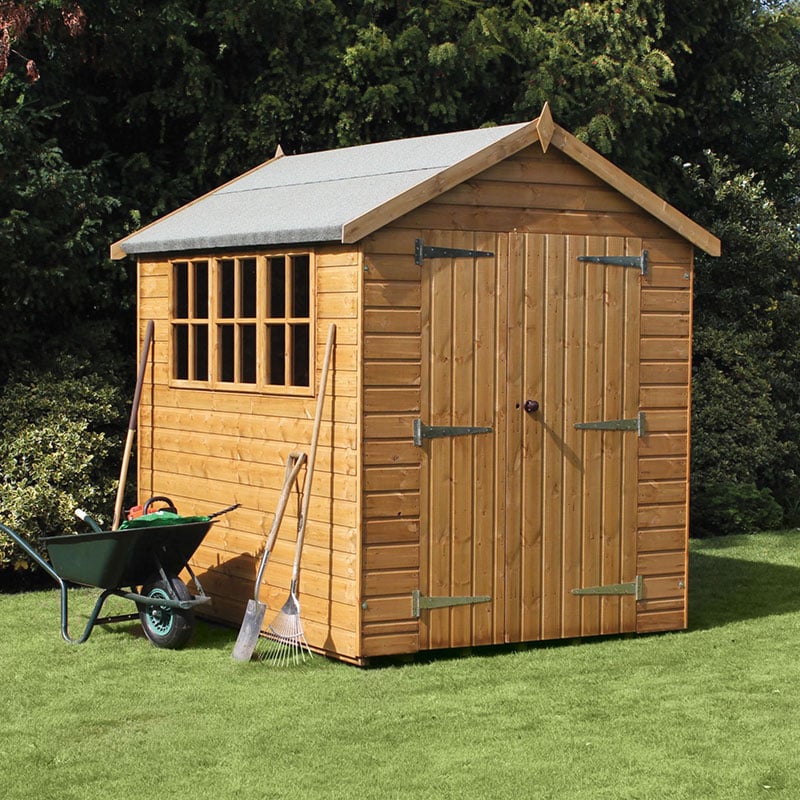
Wooden sheds 160 sq ft / 15 m² give you a compact but proper amount of storage for tools, bikes, garden kit and a neat work zone, with timber construction, useful roof options and a footprint that suits many plots.
Popular products in this range
A size that does more than “just store stuff”
A 160 sq ft / 15 m² wooden shed sits in that useful middle ground: not too small to feel cramped, not so large that it swallows the garden. This size is often chosen by buyers who want a building that can handle larger garden equipment, seasonal furniture, bicycles, a mower, firewood, or even a split-use layout with storage at one side and a small bench or potting area at the other. Because the surface area is around 15 square metres, you have enough room to think about access, shelving, and internal zoning rather than stuffing everything in one pile. That makes a real difference day to day, especially if you are trying to keep the garden looking tidy while still having things close at hand.
Timber character and why it matters in this size
The appeal of a wooden shed is not only the look of it, though the warm grain and softer lines do help it sit naturally in a garden. Timber also gives the building a different feel from metal or plastic units: it looks more like part of the plot and less like a box dropped into it. At 160 sq ft / 15 m², that visual difference becomes more noticeable because the shed has more presence. Buyers often choose wood when they want the structure to feel less industrial and more in keeping with planting, fencing, and other timber features. It can work well beside lawns, borders, patios, and allotment plots, where a shed needs to be practical but not harsh in appearance.
Which shape suits the space best?
One of the main choices in this category is the roof and shape style, since that changes how the shed looks and how the interior can be used. A pent roof shed has a single slope, which often creates a cleaner modern line and can be handy if you want rainwater to run off one direction. It may also give a slightly taller wall on one side, which is useful for shelving or hanging tools. A apex roof shed has the familiar ridge shape, often giving a more traditional garden-building look and a more balanced internal feel. This can suit buyers who want a classic appearance and a bit more headroom in the centre.
Lean-to styles can work when space is tight along a boundary or wall, though at 15 m² many people use the size to gain a freestanding building with more usable access. Some sheds in this footprint are arranged with a longer frontage, making them feel better for double doors and wider equipment. Others are more square, which can be easier to divide into zones. The difference really depends on what you need to store and how you want to move around inside. A square-ish footprint can feel easier for general storage, while a rectangular plan may suit long items and a clear walkway.
Build types inside the wooden-shed range
Within wooden sheds 160 sq ft / 15 m², the most noticeable differences are usually in wall construction, door layout, and the treatment of openings. A single-door shed can be enough if the building is mainly for storage and the doorway is sized properly, but in this category many buyers look at double doors because they make moving a mower, wheelbarrow, or bike much simpler. It is not just about convenience; a wider entrance can change how the shed is used, turning it into a space where bulkier items can be brought in without awkward lifting or turning.
There are also variations in cladding style. Overlap cladding tends to give a more informal, familiar look and can be a practical choice for straightforward storage. Shiplap cladding has a neater profile and is often preferred where buyers want a more finished appearance and tighter interlocking boards. Tongue and groove boards are commonly chosen when the aim is a more structured, substantial feel. The right one is not only a visual question; it also affects how refined the shed feels overall, especially if it will be seen from the house or used for more than just dumping tools in.
Where this footprint earns its keep
A shed of this size is often selected because it can solve more than one problem at once. For example, it can hold garden machinery on one side, while leaving room for seasonal storage such as cushions, pots, or outdoor games. It may also give space for an internal rack system, which is helpful if you want to keep items off the floor and easier to find. In a family garden, the ability to separate muddy tools from cleaner items becomes useful very quickly. In an allotment setting, the same size can act as a proper base for bags of compost, hand tools, trays, and a narrow workbench.
Because the building is large enough to feel usable but still manageable, it can also suit buyers who want to keep certain items out of sight without building a full outbuilding. The result is often a garden that looks calmer. Instead of several small storage pieces scattered around, you have one timber structure that brings the clutter together. That can make a plot feel more organised even before anything is moved inside. And if you are choosing between smaller units, this size usually avoids that awkward problem where you fill the shed almost immediately and still have overflow outside.
Different users, different layouts
Not every buyer uses a 15 m² shed in the same way, and that is one of its strengths. A homeowner might want a mix of bicycle storage, hedge trimmers, ladders, and garden furniture. A keen gardener may prefer a setup with wide central access, plus one wall for racking, seed trays, and a compact work surface. Someone with a hobby workshop need may look for a layout that allows a bench along one side and storage opposite. The same footprint can serve these different uses, but the best result usually comes from choosing the right door position, roof shape, and internal proportions from the start.
If the shed is going to be used for bulky items, a wide opening becomes a real advantage. If it is more about organised storage, then wall space and height may matter more than the overall floor area. That is why wooden sheds in this size range feel so flexible: you are not forced into one fixed purpose. Instead, the building can be set up to reflect how you actually use the garden, which is often different from how you first imagine it when shopping.
What makes wooden sheds different from metal or plastic?
In this category, the main difference is not only appearance but also the way the shed sits in a garden. Wooden sheds tend to blend in more naturally with planting and other timber features, so they often look less stark. Compared with metal sheds, they can feel more domestic and less utilitarian. Compared with plastic alternatives, they often have a more traditional presence and a broader choice of shapes and finishes. For buyers who want the shed to be part of the outdoor setting rather than a separate object, timber usually has the edge in feel, even before any practical details are considered.
Another difference is the sense of substance. At 160 sq ft / 15 m², a wooden building has a certain visual weight, and that can be positive if you want the shed to look intentional rather than temporary. It also tends to suit gardens where natural materials are already in use, like fencing, sleepers, decking, or pergolas. When the rest of the space uses warm textures, wood often feels like the easiest match. That does not mean it is the only choice, but it does explain why many people return to timber after comparing alternatives.
Useful features buyers usually look for
- Double doors for easier access with larger items
- Windowed sections where daylight is helpful for finding tools or using the space more actively
- High side walls in pent designs, which can improve usable storage height
- Apex roofs where a central ridge gives a more traditional outline and extra headroom in the middle
- Shiplap or tongue and groove cladding for a neater timber finish
- Rectangular layouts for long-handled tools and linear storage
- Square layouts when the priority is flexible zoning inside
- Pre-cut timber components where easy assembly is important, if offered in the product spec
How to think about access and internal flow
With a shed this size, it pays to think about how you will move inside it. It is easy to focus on capacity and forget that a building only works well if you can get to things without shifting half the contents first. A clear central route helps a lot. If one side is for tall items such as spades, rakes, or ladders, and the other is for stacked storage, the middle should stay open enough to allow movement. This is especially useful in a 15 m² shed, because the space is large enough to support a simple plan rather than a random one.
Door position also matters. A side door can suit a long building where you want to separate access points, while a front-facing double door can make sense if the shed is approached directly from a path. If there is a window, it is often better placed where it helps you see the working area rather than being purely decorative. Practical positioning can make the shed feel more spacious, even if the floor area stays the same. It is one of those details people notice later and think, yes, that was the right call.
Why this category appeals to careful planners
Buyers who compare options in the wooden sheds 160 sq ft / 15 m² category are often looking for a balanced decision rather than a quick fix. They may want enough room to avoid clutter, but not a building that dominates the garden. They may want timber because it looks better alongside planting, yet still need a shed that can take everyday use. That is where the category has a real advantage: it offers enough scale for sensible planning, while still remaining a garden feature rather than a full extension.
It can also be easier to justify than smaller sheds that end up being replaced later. If you already know you have bikes, tools, seasonal items, and maybe a few larger outdoor pieces to store, going straight to this size can save that common problem of buying too small. There is a quiet kind of value in getting the proportions right the first time. Not dramatic, just satisfying. And when a shed suits the way you live and garden, it tends to feel like money well placed.
Small details that make a big difference
When comparing wooden sheds in this footprint, look closely at the things that affect how the shed will actually be used. The door width should match the items you plan to move in and out. The roof style should suit the look of the garden as well as the internal height you want. The cladding profile should match your preference for a more rustic or more refined finish. And the overall plan should be checked against what will live inside it, not just the headline size. These are not glamorous details, but they are the bits that decide whether the building feels well chosen.
It is also worth thinking about how the shed will appear from different angles in the garden. A long side wall may be visible from a seating area, so a neat timber finish matters. A front elevation facing the house might benefit from a more balanced roofline or a centred door arrangement. Some people prefer a shed that recedes visually, while others want one that looks more like a proper garden room for storage. The good thing about this category is that there are enough shape and style variations to match either approach.
A timber shed with a proper sense of purpose
A wooden shed 160 sq ft / 15 m² is a strong choice when you want storage that feels considered, not cramped. It gives space for sorting, stacking, hanging, and separating items in a way that smaller sheds often cannot manage. It also brings the character of timber into the garden, which can make the whole space feel more settled. Whether you are comparing pent roof, apex roof, double-door, or more traditional rectangular forms, the right shed will depend on how you use your outdoor space, what you store, and how much you care about the building’s appearance from the house and the path.
For buyers who want a shed that can keep up with a busy garden without taking over the plot, this category offers a sensible middle line. It is large enough to be useful, varied enough to suit different layouts, and timber-led enough to feel like part of the place. That combination is why many people end up narrowing their search here.