
wooden sheds 15x6 - Best Deals in UK!
Showing the single result

Wooden sheds 15×6 offer a long, practical footprint for garden storage, hobby use, and tidy outdoor organisation, with room for tools, bikes, lawn gear and more in a slimline shape.
A narrow footprint with proper usable length
A 15×6 wooden shed suits gardens where width is limited but length can be used well. At around 15 feet long and 6 feet wide, the layout feels more like a smart corridor of storage than a boxy hut, which is exactly why it works for many outdoor spaces. You get a good run of wall space for shelving, hooks, racking and tall items, without eating up too much of the plot.
This size is often chosen when a standard square shed would stick out too far. It can sit neatly along a boundary, beside a fence line, or at the rear of a garden where the space is long rather than broad. That makes the 15×6 format especially useful for town gardens, narrow side returns and allotments where every foot counts.
What the 15×6 shape does better than square sheds
The main difference between a 15×6 wooden shed and a more traditional square shed is how the interior works. A square shed gives you a central open area, but a long shed gives you a clear direction. That can be a real advantage if you want to separate uses: tools at one end, bikes in the middle, planting gear or a bench at the other. The shape makes it easier to organise by zone, so things do not end up piled in one corner.
Bestseller der Kategorie wooden sheds 15x6
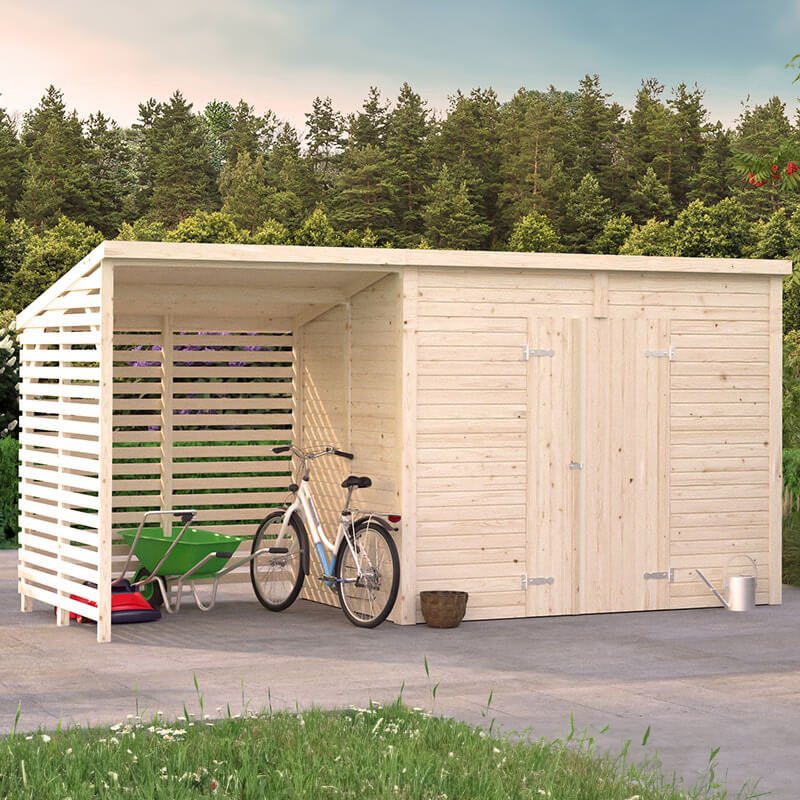
The extra length also helps with bulky items that need to sit in a straight line rather than being turned awkwardly. Think of long handled tools, ladders, fold-up garden furniture, compost bins, spare slabs, or even stacked timber. You can often move around inside more naturally too, because the path is simple and direct. Not a lot of fuss, just sensible space.
Styles you will actually come across
When looking at wooden sheds 15×6, there are several common subtypes and roof forms that change both the look and the way the space feels inside.
- Aped roof sheds – these have one sloping roof plane and a neat, compact look. They work well against a fence or wall and can feel a bit more understated.
- Gable roof sheds – the classic pitched roof shape, which gives a more traditional garden building feel and often a little more headroom in the middle.
- Reverse apex sheds – the roof ridge runs across the width rather than lengthways, which can change how doors and internal storage are arranged.
- Shiplap-clad sheds – a popular timber finish where boards overlap in a way that creates a tighter, cleaner appearance.
- Overlap-clad sheds – usually a simpler construction style, often associated with a more straightforward, rustic look.
- Corner or side-entry layouts – not a shape in itself, but a useful difference in how the long interior is accessed and used.
These variations matter because a 15×6 wooden shed does not only mean one look. The roof line, cladding style and door position can make the same footprint feel quite different. A gable roof may feel more open overhead, while an apex or lean-to style can suit a tighter boundary position. A side door can make long storage easier to reach, while double doors at the front can help with wheeled equipment.
Why timber suits this size so well
Wooden construction gives a 15×6 shed a warmer, less boxy presence than metal or plastic alternatives. In a long format, timber helps the building sit more naturally in a garden, especially where planting, fencing and paths already use softer materials. The result is a structure that looks like part of the garden rather than something dropped in by mistake.
Wood also tends to suit the practical needs of this size. The panels can be configured for windows, doors and internal fixtures in a way that makes sense for storage and use. A long timber shed can feel calm and ordered, and for many buyers that matters as much as the dimensions themselves. It is not just about fitting in equipment, but about making the whole space feel usable.
Storage zones that make the length work harder
A 15×6 shed gives you enough room to think in sections. That is one of its better points, honestly. Instead of stuffing everything in at random, you can set up distinct storage zones that match how you actually use the garden.
- Front section – for items you reach often, like hand tools, compost scoops or watering cans.
- Middle section – for bulkier items such as bikes, wheelbarrows, foldable tables or power tools.
- Rear section – for longer-term storage, spare pots, seasonal gear or stacked materials.
- Wall run – for hooks, racking, brooms and long-handled tools that would otherwise lean awkwardly.
This is where the narrow but long layout really earns its keep. It can stop the familiar problem of one end becoming cluttered while the other is left empty. If you want a shed that feels organised without needing a huge footprint, the 15×6 proportion is quite good at that.
Door choices that change how the shed feels
The door setup makes a bigger difference than many people expect. On a wooden shed 15×6, the doorway can alter access, light, and the way the interior is arranged. Single doors can suit straightforward storage, especially when the opening is used for smaller items or when the shed sits in a narrower part of the garden. Double doors, on the other hand, are useful if you want to wheel in a mower, bicycle, sacks of compost or larger storage boxes without a shuffle and a sigh.
Some 15×6 sheds also work with the door on the narrow end, which creates a long aisle effect, while others place access along the side for easier reach into the length. Each setup gives a slightly different feel. End-entry can feel more enclosed but tidy, while side-entry often makes the full run of the shed easier to use day to day. There is no one right answer, only the version that matches what you are putting inside.
Windows, light and the question of visibility
In a long wooden shed, window placement matters because light can fade as you move down the interior. Small glazing panels near the door may be enough for storage-only use, but if you plan to use the shed as a potting area, workspace or general garden hub, then the position of windows makes a real difference. A 15×6 format can handle windows on one side, at the front, or sometimes in a pair, depending on the design.
There is also a privacy point here. A shed with more glazing can feel brighter, but if it sits close to neighbouring properties you may prefer a more closed layout. A more solid timber run can help the structure feel tucked away, which is useful in a narrow garden where sightlines matter. It is a small thing, but these details change how comfortable the building feels once it is in place.
Which roof shape suits which kind of garden
The roof shape affects both appearance and practical use. A gable roof gives a classic profile and often suits gardens where the shed can be seen from several angles. It can also provide a bit more central height, which is handy if you want to stand upright while sorting gear or storing taller items. A lean-to roof or apex-style end profile can be better where the shed sits against a boundary and you want a cleaner, lower outline.
For a 15×6 shed, the roof should feel in proportion to the long body beneath it. Too low and it can seem cramped; too steep and it may dominate the space. The better designs keep the silhouette balanced, so the shed looks purposeful rather than awkward. A good roof line also helps the building sit with the rest of the garden, especially if there is already a mix of fencing, pergolas, and planted edges.
Timber cladding: the small detail with a big effect
Cladding type changes not only the appearance of a wooden shed but the overall feel of the build. Shiplap cladding gives a neat lined finish that many buyers like for its clean look. Overlap cladding has a more traditional, less formal character, which can suit a rustic garden or a more budget-conscious choice. The difference is not just visual; it also changes how substantial the walls seem when you are standing beside the shed.
On a 15×6 building, the cladding runs along a longer surface area, so its pattern is more visible. That means the grain, board spacing and board direction become part of the design language. If you want the shed to read as a proper garden feature rather than a plain store, this is where the style starts to show itself. A timber shed can feel quietly tailored, even if the purpose is mostly practical.
Uses that suit the long format rather than fighting it
Not every shed shape suits every purpose, and this is where the 15×6 footprint has a clear identity. It works well for:
- Bike storage, especially if you want to line bikes along one wall rather than turn them repeatedly.
- Garden machinery, such as mowers, strimmers and larger tools that need straight access.
- Seasonal storage, with summer furniture on one side and winter items on the other.
- Potting and planting areas, where a bench can run down part of the length.
- General garden overflow, for boxes, planters, parasols and materials that tend to clutter up patios.
The shape is less ideal if you want one large central floor area for a table, chairs and open movement all at once. In that case a broader footprint may feel more relaxed. But if your aim is to store, sort and separate, the 15×6 size is very useful indeed.
How the proportions help with layout decisions
One of the nicer things about wooden sheds 15×6 is that they force a bit of thought, in a good way. Because the building is long and relatively slim, you naturally consider placement before purchase. That means you are less likely to end up with wasted corners or a door that opens into a pile of stuff. A well-planned long shed can feel better organised from day one.
Think about how the doors open, where the path to the shed runs, and which side is most visible from the house. If the long face will be seen often, a tidy timber finish and balanced window placement matter more. If it is hidden down the side of the garden, then access may matter more than appearance. This is the practical charm of the format: it adapts to the site, but only if you choose the right version.
Buying points that are worth checking before you decide
When comparing 15×6 wooden sheds, it helps to look past the headline dimensions and check the build details that affect how the shed will actually work.
- Internal clearance – useful if you need to stand, store tall items or install shelving.
- Door width – especially important for bikes, wheelbarrows and larger garden kit.
- Window position – affects light and privacy more than people sometimes expect.
- Cladding style – changes both appearance and the sense of solidity.
- Roof form – influences headroom, height and how the shed sits in the garden.
- Access side – end access or side access can change the whole storage plan.
It is worth thinking about these choices before you commit, because in a shed this size, the layout is half the appeal. A good 15×6 design feels easy to use from the moment you open the door. A poor one can still look fine from outside but become annoying once your stuff is inside, which nobody really wants.
A tidy answer for long gardens and busy storage
If your outdoor space calls for a building that is neat, practical and not too wide, a wooden shed 15×6 can be a very sensible fit. It offers a long run of usable storage, several roof and cladding styles, and enough flexibility to handle everything from bikes to tools to seasonal clutter. The shape is a little different from the usual shed box, and that difference is the point.
For buyers who need order more than bulk, and a structure that sits along the garden rather than taking over the middle of it, this format brings together size, timber character and sensible access in one place. The result is a shed that does its job properly and still looks like it belongs there, which is what most people are after in the end.
[Sassy_Social_Share]