
wooden sheds 12x10 - Best Deals in UK!
Showing all 4 results
-
21% OFF: 10′ x 12’4 Yardmaster Balmoral Metal Shed (3.03m x 3.78m) £609.9921%

-
19% OFF: 10′ x 8′ Forest Timberdale 25yr Guarantee Tongue & Groove Pressure Treated Double Door Apex Shed with Logstore (3.56m x 3.05m) £1,682.9919%

-
19% OFF: 10′ x 8′ Forest Timberdale 25yr Guarantee Tongue & Groove Pressure Treated Windowless Double Door Apex Shed with Logstore (3.56m x 3.05m) £1,601.9919%

-
17% OFF: 12′ x 10′ Shire Bison Heavy Duty Double Door Wooden Workshop (3.59m x 3.16m) £2,059.0017%

Wooden sheds 12×10 give you a roomy, practical outdoor building for storage, hobby use and tidy garden organisation. Explore pent, apex and corner designs, plus key differences in timber cladding, roof style and layout.
A generous 12×10 footprint that works hard
A 12×10 wooden shed gives you a proper amount of usable space without feeling oversized in many gardens. The proportions suit people who need more than a basic tool store, but do not want to give over the whole plot to one building. At this size, the shed can take on several jobs at once: it can hold larger garden kit, seasonal furniture, bicycles, benches, bags of compost, and still leave room for moving around inside. That extra floor area makes a big difference, because a shed that feels easy to enter and use is usually the one that gets used properly.
This category is especially useful if you want a structure that feels more like a small garden room than a box for odds and ends. A 12 x 10 shed often suits long-handled tools on one wall, shelving on another, and a clear central aisle. If you have previously looked at smaller sizes and found them a bit cramped, the 12×10 format tends to solve that without becoming awkward. The shape is also flexible enough for different layouts, which matters when your garden storage needs are not all the same.
Timber character that looks at home in a garden
One of the main reasons buyers choose wooden sheds is the way timber sits naturally among planting, paving and lawn. A wooden structure softens the look of the garden compared with some harder materials, so the building feels like part of the space rather than something dropped in for convenience. The grain, board lines and natural tone give a warmer appearance, and that matters when the shed is visible from the house or patio.
Bestseller der Kategorie wooden sheds 12x10
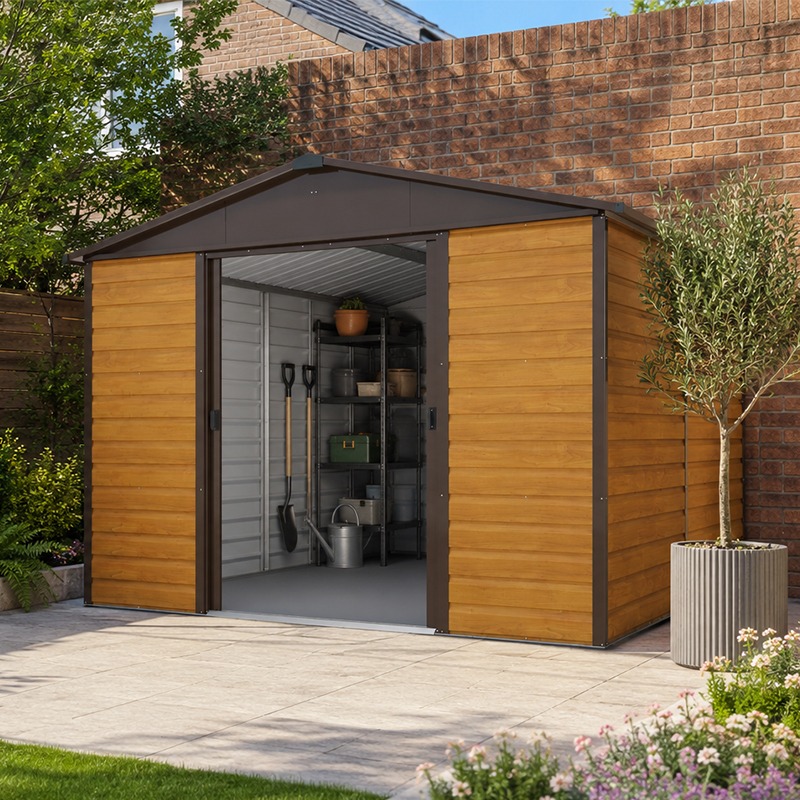


Wood also gives a practical kind of character. It can be configured in different cladding styles, thicknesses and profiles, each changing the look and the feel of the shed. Some people prefer a more traditional appearance with featheredge or overlap boards, while others go for a neater tongue and groove finish. In a 12×10 size, these differences are easier to notice because there is enough wall area to show off the detail.
Shapes that change the way the space works
When looking at wooden sheds 12×10, the roof and plan shape are not just visual choices. They affect headroom, water runoff, internal arrangement and how the building sits in the garden. The main forms you will come across are:
- Apex sheds – with a ridge running through the centre and sloping sides, giving balanced headroom and a familiar shed profile.
- Pent sheds – with a single sloping roof line, often chosen where a lower front profile is wanted or where the shed needs to sit against a fence or wall.
- Corner sheds – designed to fit neatly into a garden angle, making use of space that might otherwise go unused.
- Heavy-duty workshop style sheds – still within the 12×10 footprint, but arranged to support a more substantial internal layout for tools, benches or equipment.
Each shape has a different feel. An apex 12×10 shed often looks more like a classic garden building, with a centred ridge that can offer good standing room through the middle. A pent 12×10 shed can be better for a modern look or for low-profile positioning beside an existing boundary. If space in the garden is a bit awkward, a corner style can turn a tricky area into a useful one, which is handy when the main lawn or patio needs to stay open.
Cladding choices that make a real difference
The cladding type on a wooden shed has a real impact on durability, appearance and how solid the building feels. In the 12×10 size, these differences become more noticeable because the walls are larger and the interior use is often more demanding. Common cladding styles include:
- Overlap cladding – a straightforward option with boards that overlap each other, often chosen for its simple construction and traditional garden-shed look.
- Tongue and groove cladding – boards lock together for a tighter fit, usually giving a more polished appearance and a more substantial feel.
- Shiplap cladding – boards shaped to interlock with a clean finish and a neat external face, sitting between overlap and tongue and groove in appearance.
If you want a shed that feels more structured for frequent use, tongue and groove is often the point people look at first. If the priority is a more classic or budget-conscious garden store, overlap has its place. Shiplap tends to appeal when you want a tidy finish without going too far into a workshop look. These are not just labels; they change the way the shed handles daily use and how it presents in the garden.
Roof styles that influence space and presence
The roof is another part of the design that helps define a 12×10 shed. It can affect usable height, the impression of bulk, and how well the shed blends into the surroundings. In practice, the main roof types are:
- Apex roof – gives more peak height in the centre, which can make moving around inside feel easier.
- Pent roof – keeps the line simpler and lower, often suiting side returns, boundary edges or more contemporary settings.
- Reverse apex – places the ridge across the width rather than the length, which changes the internal layout and where the doors sit.
These roof differences can matter more than you might expect. An apex roof can make a 12×10 shed feel less compressed because of the central rise. A pent roof may be a better fit where planning around fence height or garden sightlines matters. A reverse apex arrangement can suit certain internal setups, especially if you want the entrance on the longer face or need the inside divided in a specific way. It is a small detail, but it changes how the shed is used day to day.
Why the 12×10 size appeals to so many buyers
The strength of a 12×10 garden shed is its balance. It is large enough to hold serious storage, but not so large that it becomes hard to position in a normal garden. That middle ground makes it useful for households that have grown beyond a small store but are not ready for a full outbuilding. It is a good size for keeping the mess out of view while still leaving the garden with breathing space.
It also supports better sorting. In a smaller shed, everything tends to get stacked together and finding the thing you need becomes a faff. In a 12×10 layout, you can create clear zones: one area for outdoor furniture, one for tools, one for bikes, and another for seasonal items. That makes the shed easier to live with, not just easier to fill. For buyers comparing sizes, this extra organisation is a practical reason to move up to 12×10 rather than settling for a tighter footprint.
Use cases that go beyond simple storage
Although many buyers start with storage in mind, a wooden shed 12×10 often suits several uses because of its floor area and enclosed feel. Common uses include:
- Garden equipment storage – for mowers, strimmers, rakes, hoses and hand tools.
- Bicycle storage – where the longer floor space helps with side-by-side or end-to-end positioning.
- Furniture storage – chairs, tables and cushions can be kept together without crowding other items.
- Hobby space – useful for potting, model making, DIY tasks or other hands-on projects.
- Combined storage and workspace – one end for kit, the other for a small work bench or standing area.
This versatility is a big part of the appeal. A 12×10 shed can start life as storage and then develop into something more useful as needs change. Buyers often like that they do not have to choose just one function. The building can be adapted with internal organisation to suit the way you actually use the garden, not just the way the catalogue suggests.
Door positions, access and day-to-day use
Door layout matters more than many people expect when choosing a 12×10 wooden shed. The size gives you room to think about how you enter, what you bring in, and how the interior is arranged around the opening. Some sheds come with double doors, which are useful for larger items such as mowers, bikes or tables. Others use a single door, which can work well where the contents are more compact or the shed sits in a narrower run of garden.
Where the doors are placed also changes the feel. A central opening on an apex shed may create a more symmetrical look, while an offset door on a pent design can leave wall space free for shelving or hooks. If you are planning to use the building frequently, it is worth thinking about the clearance needed for carrying things in and out. A shed can look fine on paper, but if the doorway feels awkward, you notice it every time you use it.
Practical differences between light and substantial builds
Not all wooden sheds in this size are built the same way. Some feel lighter and more suited to general storage, while others are made to give a more solid impression. The differences usually show in the timber thickness, frame construction, cladding style and door set-up. A more substantial build may suit frequent access, heavier items or a plan to use the shed as a workspace. A lighter build may be enough if you mainly need covered storage for seasonal goods and garden tools.
For buyers comparing options, it helps to look at how the shed is intended to be used rather than only how it looks from outside. A 12×10 shed with a strong frame and neat cladding can feel very different from one that is designed for lighter storage. That difference shows up in the way doors open, the way panels sit, and how settled the structure feels once installed. If you are storing awkward or valuable items, that sense of solidity is worth paying attention to.
Small details that help the shed fit your garden better
Once the main shape and size are sorted, a few smaller design choices can change how well the shed works in your space. Think about window placement if light is needed inside. Consider whether the doors should open towards a path, lawn or patio. If the shed is going against a boundary, a pent roof or side-facing layout may suit better. If the structure needs to sit more centrally, an apex design may look more natural.
It can also help to picture the shed in use rather than just as an object in the garden. Where will you stand when unlocking it? Where will the larger items go first? Will shelves run along the back, or should one wall stay open? These are the sort of questions that turn a decent purchase into one that feels right. A 12×10 size gives you enough room to answer them properly, which is one reason so many people settle on it after comparing smaller options.
What buyers often compare before choosing
When shopping for wooden sheds 12×10, buyers usually compare a few specific points:
- Roof shape – apex, pent or reverse apex depending on garden position and interior height.
- Cladding style – overlap, shiplap or tongue and groove, depending on the finish and feel wanted.
- Door layout – single or double doors, and where they sit on the front or side.
- Intended use – storage, workshop use, hobby space or mixed use.
- Visual style – traditional garden look or a cleaner, more modern shape.
Comparing these points makes the category easier to shop. The right shed is not only about size; it is about how that size is used. Two 12×10 models may look similar at a glance, but one might suit a tidy storage plan while another feels better for active, repeated use. That is the kind of difference buyers notice once the shed is in place and being used for real.
A sensible choice for gardens that need more room
If your garden storage is starting to spill across the patio, lean against fences or crowd the garage, a 12×10 wooden shed can bring proper order to the space. It offers enough capacity to make a visible difference, while still keeping the look grounded and natural. With the right shape, roof and cladding, it becomes a useful part of the garden rather than just a storage box tucked in a corner.
For many buyers, the appeal is simple: more space, better layout and a timber finish that sits comfortably outdoors. The 12×10 size gives you room to think, room to sort, and room to keep the things you actually use close at hand. If you want a shed that feels practical without being overdone, this category gives you plenty of good reasons to choose carefully and buy once.
[Sassy_Social_Share]