
wooden sheds 120 sq ft / 11 m² - Best Deals in UK!
Showing all 6 results
-
21% OFF: 10′ x 12’4 Yardmaster Balmoral Metal Shed (3.03m x 3.78m) £609.9921%

-
19% OFF: 10′ x 8′ Forest Timberdale 25yr Guarantee Tongue & Groove Pressure Treated Double Door Apex Shed with Logstore (3.56m x 3.05m) £1,682.9919%

-
19% OFF: 10′ x 8′ Forest Timberdale 25yr Guarantee Tongue & Groove Pressure Treated Windowless Double Door Apex Shed with Logstore (3.56m x 3.05m) £1,601.9919%

-
17% OFF: 12′ x 10′ Shire Bison Heavy Duty Double Door Wooden Workshop (3.59m x 3.16m) £2,059.0017%

-
15% OFF: 10′ x 10′ Shire Sun Pent Wooden Garden Potting Shed (3.22m x 3.21m) £1,819.0015%

-
13% OFF: 13’5 x 8’5 Palmako Jari (28mm) Premium Nordic Shed (4.1m x 2.6m) £2,989.0013%

Wooden sheds 120 sq ft / 11 m² offer a practical mix of storage, workspace and garden structure, with enough room for bikes, tools, seating or a compact hobby area without taking over the plot.
Why 120 sq ft / 11 m² feels like the sweet spot
A wooden shed of 120 sq ft / 11 m² sits in that useful middle ground where a shed stops feeling cramped and starts feeling properly usable. It is large enough for garden machinery, bikes, shelving, seasonal storage and even a small bench or potting corner, yet it still suits many domestic gardens without looking like a giant outbuilding. For buyers who need more than a cupboard-sized store but do not want a full garden room, this size often makes sense straight away.
The main appeal is flexibility. You are not locked into one use. A 120 sq ft shed can be a tool store one week, a workshop the next, or a neat place for outdoor furniture and sports kit. That kind of adaptability matters because garden space is often doing several jobs at once.
Timber that changes the feel of the garden
Wooden sheds bring a different look from metal or plastic alternatives. Timber has a softer, more natural presence, which usually sits better beside fences, planting and lawn areas. In a garden where hard surfaces already dominate, a wooden structure can make the space feel more settled and less industrial.
Bestseller der Kategorie wooden sheds 120 sq ft / 11 m²
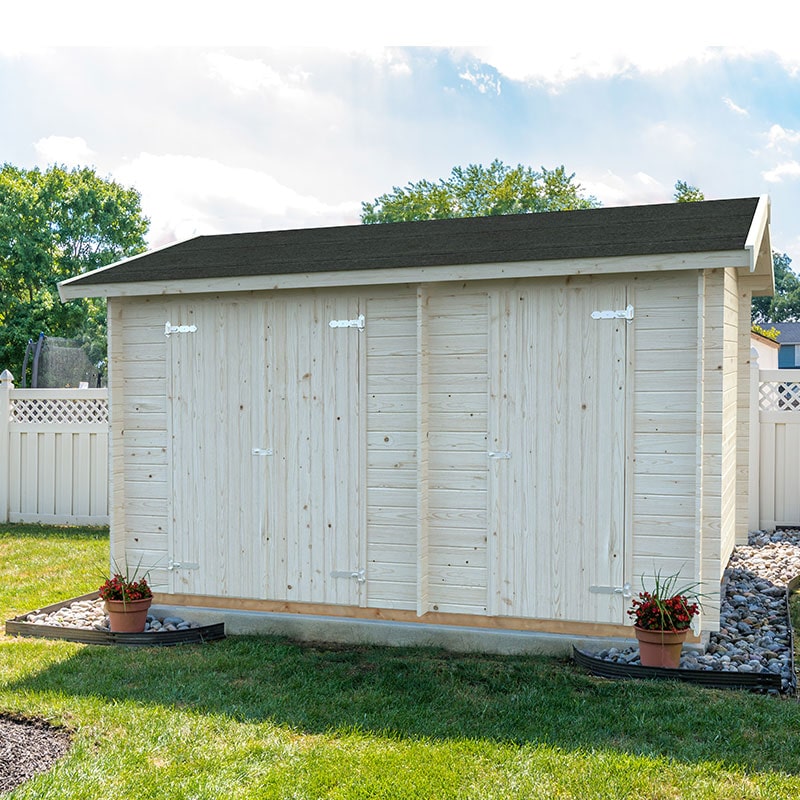
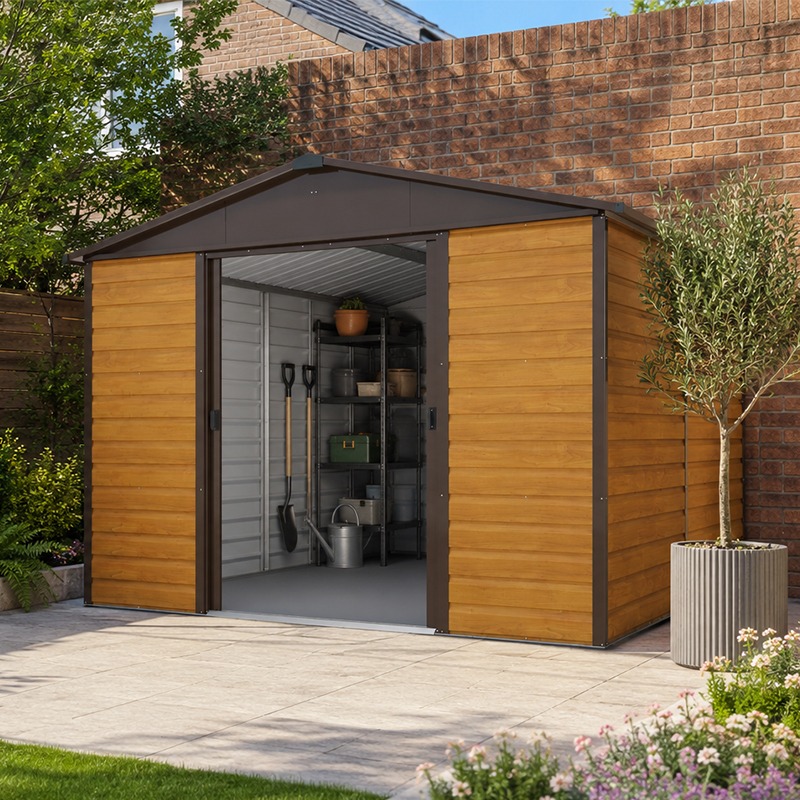

There is also a practical side to the material choice. A timber shed tends to be easier to adapt visually, because the finish can be painted or left with a more traditional look, depending on the design. That gives buyers a bit more control over how the shed blends in with the rest of the outdoor area. It is not just a box for stuff, it becomes part of the layout.
Different shapes, different uses
Not every 11 m² wooden shed is built the same way. Shape makes a big difference to how the interior works and how the building feels from outside.
- Pent roof sheds are a popular choice where rainwater runoff and a more compact profile matter. The sloping roof usually gives a slightly taller side at the front or back, which can be handy for racking or hanging tools.
- Apex roof sheds have a central ridge and a more classic outline. They often feel more balanced inside, especially if you want standing room in the middle and storage along the edges.
- Corner sheds are useful when the plot has awkward gaps or you want to keep the main garden open. At 120 sq ft, a corner layout can make a surprising difference to circulation in smaller or irregular spaces.
- Rectangular sheds are probably the easiest to furnish. Shelves, benches, bikes and long-handled tools all line up neatly, so the room is simple to organise.
- Square formats can feel more centralised and work well if the shed is meant to be used as a mixed-purpose room rather than just linear storage.
Panelled, tongue-and-groove or overlap: the build style matters
One of the biggest differences between wooden sheds is how the wall sections are made. This changes both the appearance and the way the structure feels in use.
Overlap cladding gives a more traditional shed look. The boards overlap each other, which creates a simple, familiar style and usually a lighter visual finish. It is often chosen for straightforward storage sheds where appearance is honest and functional.
Tongue-and-groove timber is tighter and more polished in appearance. The boards fit together more closely, so the wall surface looks cleaner and more substantial. For a 120 sq ft shed that is expected to do more than store a few bits, this style often feels more convincing.
Panelled construction can be quicker to assemble and is often found in sheds designed for a practical, ready-made layout. It is a good option when the main priority is getting a useful building in place without overcomplicating the order.
These are not tiny differences. They affect the way the shed handles storage, how solid it feels, and even how easy it is to imagine using the space for something beyond simple tool keeping.
Height, headroom and the feeling inside
With wooden sheds 120 sq ft / 11 m², height is almost as important as floor area. Two sheds can share the same footprint and still feel completely different. One may be ideal for boxed storage, while another gives enough headroom to work comfortably with a bench or shelf system.
If the shed is intended for upright items like rakes, ladders or hanging rails, a taller profile is worth considering. If the aim is mostly storage of low items, then a lower and more compact design may suit the garden better. The key point is that a shed only feels useful if the interior lets you move around without constantly ducking or squeezing past things.
Storage that actually makes sense at this size
This category is especially attractive because the size supports a proper layout. You can divide the interior into zones, which is hard to do in smaller sheds. That makes the building feel less like a pile-up of garden clutter and more like a planned storage space.
- Long wall runs can hold shelves, hooks or narrow cabinets for smaller items.
- One side for tall tools keeps spades, brooms and garden forks from getting in the way.
- A central clear area leaves room for moving larger items in and out with less faff.
- Rear storage works well for boxes, seasonal pieces and less frequently used equipment.
The useful thing about 120 sq ft is that you do not need to choose between bulk storage and a bit of working space. You can usually have both, provided the layout is thought through from the start.
Workshop, hobby room or sturdy storage? The same shed can lean either way
One reason buyers search for this size is that it can be used in more than one way. A wooden workshop shed in this footprint has room for a bench, tool storage and movement around the centre. A storage-led version can be fitted with shelves and still leave a walkway. A hobby-focused shed might take on a craft table, gardening station or model-building setup.
The difference is not only in what goes inside. It is also about the shed form. For example, an apex shed can feel more comfortable if someone will spend time inside, while a pent shed may be chosen more for a tidy, lower profile at the edge of a boundary. These choices matter because the best shed is the one that fits the actual use, not just the idea of storage.
Single-door, double-door and access choices
Access is often underestimated until the day you try moving something bulky through a narrow opening. At this size, door style can make the shed much easier to use.
- Single doors suit more traditional storage layouts and can work well when the contents are mostly smaller items.
- Double doors are helpful for bikes, lawn equipment, wheelbarrows and anything awkward to angle through.
- Wide-opening doors make the interior feel less confined and are a good match for a shed that doubles as a working space.
The choice also affects the look from the garden. A pair of doors tends to make a shed feel more substantial, while a single door can keep the frontage simpler. Neither is better across the board; it depends on whether convenience or a more compact frontage matters more.
Windows, light and the kind of shed you really want
At 120 sq ft, natural light becomes more than a nice extra. It changes how usable the shed feels. A windowless model may be fine for secure storage, but if the building is meant for any kind of daily use, light makes a noticeable difference. It helps you find items faster, and it makes the room feel less like a dead end.
Different window arrangements create different effects. A shed with high-level windows can keep wall space free for storage while still bringing in daylight. A shed with larger side windows feels more like a garden room and can be appealing if the space will host a bench or project table. Some buyers prefer the more closed-in look of fewer openings, especially if the shed stores valuable items. So the right answer depends on the balance between visibility, privacy and internal layout.
Security, access and peace of mind
When the shed is this size, it often ends up holding things that are expensive to replace, from bikes to powered tools. For that reason, buyers often look for features that support a more secure feel. A solid wooden structure can already feel reassuring, but the layout still matters.
Fewer weak points, sensible door positioning and a design that does not leave content visible from every angle can all help the shed work better as a storage building. For many people, the benefit is not just physical security but the comfort of knowing the garden is better organised and less exposed. That is a pretty strong reason to move up to this category from a smaller shed.
Choosing between traditional charm and cleaner lines
Wooden sheds in this size range usually come in styles that lean either traditional or more contemporary. Traditional sheds often feature apex roofs, classic cladding and a familiar garden-building shape. They tend to feel right in older properties or gardens with softer planting and mixed materials.
Cleaner-lined sheds, often with pent roofs and simpler façades, can sit nicely in modern plots or alongside patios and paved areas. They may feel less decorative and more architectural. That difference is useful because buyers often want the shed to either blend in quietly or look intentionally placed. It is a small thing, maybe, but it changes how the whole garden reads.
What 11 m² lets you do that smaller sheds cannot
The jump from a small shed to 120 sq ft is not just about “more room”. It opens up practical combinations that are difficult elsewhere.
- You can separate storage from work space rather than mixing everything together.
- You can keep bikes and garden tools without filling the entire floor.
- You can add shelving on more than one wall and still retain access.
- You can store seasonal furniture, planters or foldaway items in a more orderly way.
- You can choose a layout that suits future changes, not just the current load.
This is often what persuades buyers. The shed is not just bigger, it is more usable. That matters if the idea is to buy once and avoid outgrowing it too quickly.
How the roof shape changes storage decisions
Apex and pent roofs do more than change appearance. They influence where taller items fit and where shelves make sense. In an apex shed, the highest point is usually central, so the middle can be reserved for standing or taller objects, while the lower sides suit storage. In a pent roof shed, the slope creates a higher edge at one side, which can be useful for placing cabinets or hanging longer items along the tallest wall.
If you already know the shed will hold awkward items like ladders, fishing gear or long garden tools, the roofline should be considered alongside the floor plan. It is one of those details that seems minor until the shed is full. Then it matters a lot.
Practical buying tips that help before you order
A 120 sq ft shed sounds straightforward, but there are a few details worth checking before choosing one. These are the things that make the building fit the garden properly rather than just fit in theory.
- Measure the footprint carefully, including any overhangs, door swing and surrounding clearance.
- Think about what goes in first, because bikes, benches and mowers all want different access.
- Check the door width against the widest item you expect to move in and out.
- Match the roof style to the garden layout, especially where boundary height or sightlines matter.
- Decide whether the shed is mainly for storage or mixed use, since that changes the ideal window and height setup.
The appeal is in the balance
What makes wooden sheds 120 sq ft / 11 m² so attractive is not just the amount of space, but the balance they strike. They are roomy without becoming excessive, adaptable without feeling vague, and practical without losing the charm that timber brings to a garden. The right design can support storage, hobby use, tool organisation and a more polished outdoor layout all at once.
If you are comparing different shed types, this category stands out because it gives room to think beyond basic storage. The shape, roofline, door style and cladding all influence how the building works day to day. Once those details are aligned with what you actually need, the shed stops being just a purchase and starts feeling like a proper part of the garden.
[Sassy_Social_Share]