
wooden sheds 11x11 - Best Deals in UK!
Showing the single result

11×11 wooden sheds bring together practical storage, garden workspace potential, and a timber look that sits naturally in larger outdoor spaces. Compare shapes, layouts, and uses.
Why the 11×11 footprint works so well
An 11×11 wooden shed gives you a square format that feels balanced and easy to plan around. With the same length and width, the internal space is simpler to divide than in a narrow shed, which is handy if you want one area for tools and another for bulkier items. The square layout also helps if you like a tidier, more ordered setup, because shelving, benches, bikes, and stacked boxes all sit in a more predictable way.
This size tends to suit gardens where you want more than a basic storage box, but not a structure that dominates every view. It can work for garden equipment, DIY materials, seasonal furniture, or even a small hobby space, depending on the internal specification. The charm is in the balance: there is enough room to make the shed useful, but it still keeps a compact footprint compared with larger outbuildings.
Timber character with a practical edge
Wooden sheds have a different feel from plastic or metal options. The timber finish gives a softer look in the garden, especially when placed near planting, fencing, or a lawn. For many buyers, the appeal is not just appearance; it is also the way wood allows a shed to feel more like part of the garden rather than something added on at the end.
Bestseller der Kategorie wooden sheds 11x11
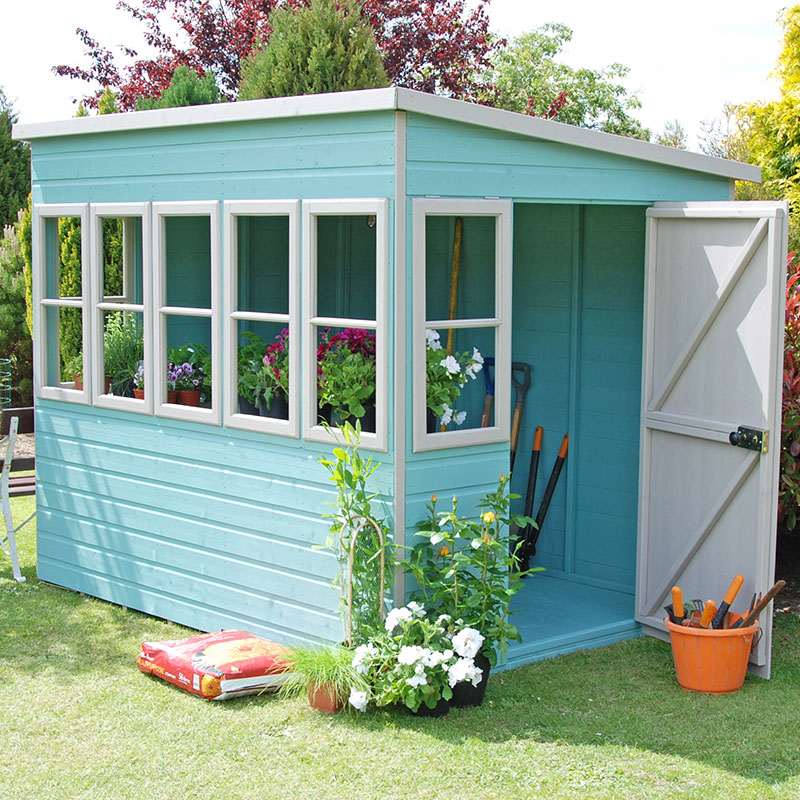
In the 11×11 size, that visual effect matters quite a lot. A square wooden shed can sit neatly against a boundary or within a corner, and the natural grain of the timber helps it blend with outdoor materials such as gravel, sleepers, and paving. If your garden has a traditional, cottage-style, or mixed planting feel, the wooden construction tends to fit in without fuss.
Different forms you may see in this category
Not every 11×11 wooden shed is arranged the same way. The shape of the roof, the position of the doors, and the number of windows can change how the shed feels and functions. Small differences matter here, because the same footprint can be used in quite a few ways.
- Single-door sheds for straightforward storage and a cleaner front face.
- Double-door sheds for moving larger items in and out with less awkward lifting.
- Windowed sheds where natural light helps the inside feel less enclosed.
- Windowless sheds when privacy, security, or a fully closed storage space is more important.
- Corner-style siting where the square base is used to make good use of an awkward plot.
Roof shape is another difference worth noticing. A pent roof gives a cleaner, more modern outline and can suit a shed that sits close to a wall or fence. A gable roof usually brings a more traditional look and can provide a little more head height at the centre. If you like the shed to feel a bit more like a small garden building than a pure store, that extra interior shape can be useful.
What the square layout changes inside
The 11×11 plan is appealing because the storage zones are easier to organise. In a long, narrow shed, bigger items can end up blocking access. In a square shed, you can often split the space into zones without one side becoming hard to reach. That means gardening tools, bags of compost, foldable chairs, and boxes can each have their own place.
The shape also makes it easier to think about symmetry. Shelving can be fitted more evenly along two or more walls, and central standing space may feel less cramped. If you are using the shed for mixed storage, this is one of the clearest advantages over a slimmer format. It is a bit easier to live with, frankly, because the layout tends to make sense from the start.
When double doors make a difference
One of the most practical choices in this category is whether to go for single doors or double doors. In an 11×11 shed, double doors are often helpful if you plan to store wider or bulkier items. Think garden benches, wheelbarrows, small machinery, or stacked timber. You get a better opening width, which makes loading and unloading less of a faff.
Single doors can still work well if the shed is mainly for everyday tools, hand tools, and smaller containers. They can also keep the front of the shed looking neat and simple. The difference is really about how you use the space: a narrow opening suits a storage-led setup, while wider doors make the building more flexible for larger items or semi-workshop use.
Windows, light, and the feel of the room
Windows change the atmosphere of a wooden shed quite a lot. In an 11×11 wooden shed, even a modest amount of glazing can make the interior easier to use during daylight hours. If you are stepping in and out often, or you want to find items quickly, natural light is useful. It makes the space feel less like a box.
That said, not every buyer wants windows. A windowless shed can feel more secure for storage, especially if you prefer the contents not to be visible from the garden. It also creates a cleaner exterior wall surface for positioning against a boundary. So the choice is not only about looks; it changes how visible, open, or enclosed the shed feels in practice.
Roof styles that shape the whole look
The roof does more than keep the rain off. It sets the tone of the shed. A gable roof often gives a more classic garden-building appearance, with a central peak that can make the shed look a touch taller and more settled in the landscape. A pent roof has a lower, angled profile and tends to look neat in modern or space-conscious gardens.
For an 11×11 shed, the roof style can also affect how the building sits beside other garden features. A lower pent design may suit tighter sightlines, while a pitched or gable design can feel more substantial. It’s one of those choices that seems small at first, but it changes the overall impression a lot. Honestly, it can be the difference between “just storage” and “that actually looks quite good”.
Storage-led or hobby-led: what you want the shed to do
Some 11×11 wooden sheds are mainly storage buildings. Others are picked because they can handle a bit more activity inside. The square floor plan gives room for both approaches, but the interior specification makes the bigger difference. If you want mainly storage, focus on access, door width, and wall space. If you want a hobby area, consider how the shape supports a bench, shelving, and movement around them.
The useful thing about this category is that it doesn’t force a single purpose. It can be a tool store, a place for seasonal furniture, a home for bikes, or a more organised spot for DIY bits. It may even suit light use as a garden project room, depending on the build style and the features included. The point is that the square base gives you options without needing a huge plot.
Practical differences between timber shed types
Within wooden sheds, there are a few differences buyers often compare. These affect not only appearance but how the shed behaves in everyday use. Paying attention to these details can help you choose the right one first time, instead of ending up with a shed that looks fine online but feels awkward in the garden.
- Overlap cladding can give a more traditional timber appearance.
- Tongue and groove boards usually create a tighter, more finished panel look.
- Framed construction supports a steadier feel for regular use.
- Plain storage design keeps the focus on utility and simple access.
- Feature-led designs with glazing or better door arrangements suit mixed use.
These are not just style choices. They change how the shed works in daily use, especially where access, internal layout, and visual finish are concerned. A buyer looking for simple garden storage may prefer a plainer build, while someone wanting the shed to feel like a small outdoor room may lean toward more defined panel work and better light.
Where an 11×11 shed tends to fit best
This footprint works well in medium to larger gardens, particularly where there is a clear area for the shed without making the whole plot feel crowded. Because it is square, it can sit neatly in a rear corner, near a fence line, or along a side boundary if access is planned properly. The shape can also make the garden appear more organised, because the building doesn’t seem stretched out in one direction.
If your outdoor space already includes a patio, lawn, or planting beds, the 11×11 size often feels proportionate. It is large enough to justify itself, but not so oversized that it swallows the garden. That balance is one reason people look at this size when they want a shed that is clearly useful but still visually controlled.
Useful buying points that are easy to miss
When comparing wooden sheds 11×11, it helps to think beyond the headline size. Two sheds with the same footprint can feel quite different once the doors, roof line, and wall setup are taken into account. A careful look now can save a lot of “wish I had noticed that” later on.
- Door position affects how easy it is to organise shelves and bulk storage.
- Window placement changes where taller items can stand without blocking light.
- Roof profile affects the overall look and interior feel.
- Square footprint makes zoning easier than a narrow rectangle.
- Timber finish gives the shed a softer garden presence.
It is also worth imagining the route to the shed before buying. An 11×11 structure can be very manageable in the garden, but access through gates, paths, and turning points still matters. A neat-looking shed is one thing; a shed that is practical to place and use is another.
Why buyers keep coming back to timber
There is a reason wooden garden sheds remain such a common choice. They offer a familiar structure, a natural appearance, and enough flexibility to suit different uses. In an 11×11 size, that flexibility becomes even more noticeable because the extra floor area allows for better organisation. You are not constantly working around a tight corner or trying to force large items into a space that is really too small.
Timber also gives a sense of ownership and character. It can look tidy, useful, and quietly traditional without taking over the garden. For buyers who want the shed to feel like part of the outdoor space, rather than a box dropped into it, that difference matters more than people sometimes expect.
Small details that help you choose well
When narrowing down the right 11×11 wooden shed, it helps to ask what you want to see from the front, what you want to store inside, and how open you want the interior to feel. These questions sound simple, but they separate a good fit from a near miss. A windowed, double-door shed with a gable roof gives a different experience from a plain, windowless model with a pent roof.
If you want a shed that feels organised, easy to access, and visually calm in the garden, this category has plenty to offer. The 11×11 format gives enough room for real use, while the wooden finish keeps the look grounded and adaptable. It’s the sort of shed people often end up using more than they expected, which is usually a good sign.
A final look at what makes this category worth browsing
Wooden sheds 11×11 stand out because they combine a sensible square footprint with the warmth of timber and a range of practical layout choices. Whether you want single doors, double doors, windows, a gable roof, or a simpler storage-only build, this category gives you a proper spread of options without drifting into oversized garden-building territory.
If you are comparing sheds for storage, organising, or a more flexible outdoor space, this size is worth a careful look. The square shape helps with planning, the wooden finish sits well in most gardens, and the variety of forms means you can match the shed to the way you actually use your space, not just the way it looks on a screen.
[Sassy_Social_Share]