
wooden sheds 10x8 - Best Deals in UK!
Showing all 9 results
-
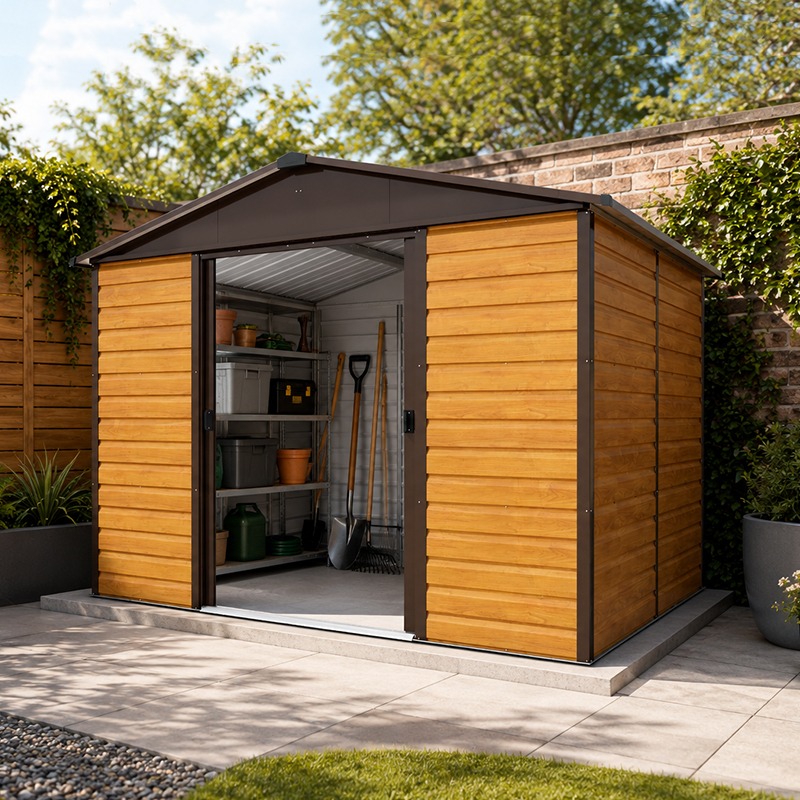
24% OFF: 10′ x 8′ Yardmaster Balmoral Metal Shed (3.03m x 2.37m) £479.9924%

-
15% OFF: 10′ x 8′ Traditional Shiplap Wooden Potting Garden Shed with 8′ Gable (3.05m x 2.43m) £2,219.0015%

-
14% OFF: 8′ x 10′ Shire Premium Security Apex Wooden Garden Shed (2.39m x 2.99m) £1,369.0014%

-
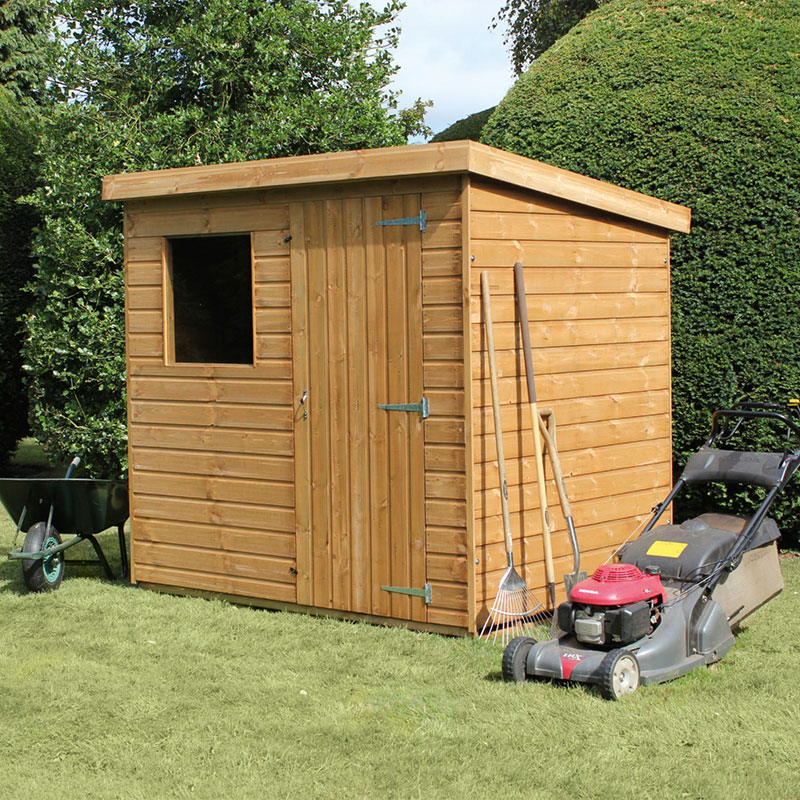
13% OFF: 10′ x 8′ Traditional Shiplap Pent Wooden Security Garden Shed (3.05m x 2.44m) £1,849.0013%

-
11% OFF: 10′ x 8′ Traditional Heavy Duty Shiplap Pent Wooden Shed (3.05m x 2.44m) £1,929.0011%

-
10% OFF: 10′ x 8′ Traditional Standard Shiplap Pent Wooden Garden Shed (3.05m x 2.44m) £1,579.0010%

-
5% OFF: 10′ x 8′ Traditional Shiplap Sun Pent 6′ Gable Wooden Garden Shed (3.05m x 2.44m) £2,469.005%

-
10′ x 8′ Traditional Shiplap Apex Wooden Security Garden Shed (3.05m x 2.44m) £1,899.004%

-
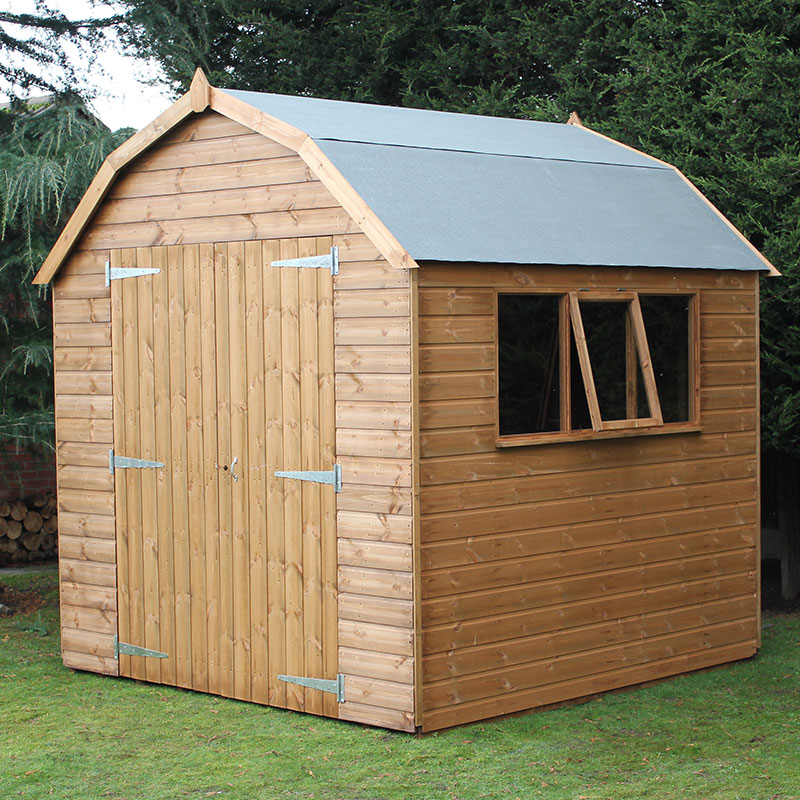
10′ x 8′ Traditional Shiplap Dutch Barn Heavy Duty Wooden Garden Shed (3.05m x 2.44m) £2,319.00

Wooden sheds 10×8 offer a practical balance of storage, workspace and garden style, with room for tools, bikes, outdoor furniture and more. Explore timber shed styles, roof types and layouts.
Why a 10×8 wooden shed works so well
A 10×8 wooden shed sits in that useful middle ground where a garden store starts feeling like a proper outbuilding. You get enough floor space for everyday bits and pieces, but not so much bulk that the shed takes over the whole plot. That makes it a popular choice for people who want more than a basic tool box on legs, yet do not need a full workshop barn.
The 10ft x 8ft footprint gives room for longer items such as strimmers, rakes, ladders and fence panels, while still leaving space for shelves, a bench or stacked storage boxes. Compared with smaller sheds, it is easier to organise things into zones. Compared with larger sheds, it is often easier to fit neatly into a standard garden layout, especially where boundaries, patios or planting beds already shape the space.
The timber feel that suits a garden
One reason buyers choose wooden sheds is the way timber sits in the garden. Unlike metal or plastic, wood tends to blend with fences, trellises and planting, so the shed can feel like part of the garden rather than a box placed into it. That matters quite a lot when the shed is visible from the house or sits near a seating area.
Bestseller der Kategorie wooden sheds 10x8
A timber shed also offers a softer look if you want the building to feel less industrial. The grain, panel lines and natural tone give a more traditional character, though the finish can range from rustic to fairly crisp and modern depending on the cladding, roofline and door style. For buyers who like a garden to feel planned rather than practical-only, that difference is a real one.
Panel styles and timber build types
When looking at a 10×8 garden shed, the construction style is just as important as the footprint. Different build types change how the shed looks, how it feels inside and how solid the walls can seem in use.
- Overlap cladding — a more traditional style with boards that overlap. It is often used for a straightforward storage shed and gives a familiar garden-shed appearance.
- Shiplap cladding — boards interlock with a neat rebate, creating a tighter finish and a tidier face. Many buyers like it for the cleaner look and the way it suits both classic and modern gardens.
- Tongue and groove — interlocking boards that make a more structured wall or roof surface. This is often chosen where a more substantial feel is wanted.
- Framed timber sheds — with a visible framework supporting the panels. These can feel more robust and are useful when you want a shed that works harder than simple storage.
The difference is not only visual. The cladding style can affect the look of the walls, the inner sense of solidity and the overall finish. Some people prefer the more rustic character of overlap panels, while others go for shiplap or tongue and groove because the lines look more ordered and the whole thing feels less rough around the edges.
Roof shapes that change the whole look
Roof style matters a lot on a 10×8 wooden shed. It changes the profile you see from the garden and can affect how the shed fits into a restricted space. It also changes the internal feeling a little, especially near the higher wall or centre line.
- Aped roof — a single slope that gives a lean-to style and suits tight areas, boundary lines or positions beside another structure. It can be a useful choice where height needs to stay controlled.
- Apex roof — the familiar pitched roof with a centre ridge. This is a common shed shape and gives a balanced look with a bit more headroom in the middle.
- Reverse apex — where the roof ridge runs across the width rather than the depth, which changes the appearance of the front and side elevations.
- Curved or less traditional roof lines — less common on timber sheds, but when present they create a different visual feel and can soften the overall outline.
For many buyers, the apex roof is the easiest to live with because it looks familiar and tends to suit most gardens. A pent style can be better where you want the shed to tuck under a fence line or run alongside a wall. The best option usually depends on where the shed will sit, how visible it is and whether you prefer a more classic or more understated profile.
Door layouts that shape everyday use
On a shed this size, the door arrangement makes a big difference to how easy it is to use the space. A 10×8 shed can be set up as a simple store, a mixed-use utility space or a more organised hobby room, and the door choice should match that use.
- Single door — suits slimmer access needs and can work well if the shed is mainly for general storage.
- Double doors — useful where you need to wheel items in and out, such as bikes, barrows or larger equipment.
- Offset doors — leave one side clearer for shelving or standing tools.
- Centred doors — give a balanced frontage and can make the shed feel more symmetrical.
For buyers who plan to store bulkier items, double doors are often worth looking at because they make access less awkward. A single door can still be enough, but on a 10×8 shed the extra width of a double opening can save a lot of shuffling about. It is one of those details that sounds minor at first, then becomes very noticeable once the shed is in daily use.
What a 10×8 layout can actually hold
Size is easiest to judge when you picture real items rather than just measurements. A 10×8 timber shed can accommodate a mix of storage and working space without feeling cramped, depending on how it is arranged.
- Garden tools like spades, forks, hoes, rakes and long-handled equipment
- Bikes or children’s outdoor gear
- Patio furniture in the off-season
- Lawn care equipment and fuel-free garden machinery
- Storage shelving for pots, bags of compost, bird care items and smaller hand tools
- A workbench zone for potting, repairs or light DIY
The advantage of this footprint is that it can be split into zones more easily than a smaller shed. One side can handle long or awkward items, while the other can be used for stacked storage or a bench. That makes it especially handy for people who do not want everything piled up in one corner. It also means you can keep the space clearer without needing a massive building.
How wooden sheds differ from metal or plastic
When shopping for a 10×8 shed, buyers often compare wood with other materials. Timber has its own strengths, and the differences are worth noting if you want the shed to suit both the garden and the way you use it.
Wooden sheds are usually chosen for appearance first, but they also offer a more customisable feel. Shelves, hooks and fixings are often easier to add to timber walls. That matters if you want the shed to become more than just a box for storage.
Compared with metal sheds, timber tends to feel warmer and less echoey inside. It can also look more settled in a domestic garden. Compared with plastic sheds, wood often gives a more traditional finish and a stronger sense of structure, especially in larger sizes like 10×8.
That said, the right choice depends on use. If you want a shed to visually sit with planted borders and fencing, timber usually works well. If you want something with a softer, more garden-room look, wood is often the better fit. If you are after a purely functional store, the appearance still matters, because a 10×8 shed is a visible part of the garden rather than a hidden box.
Design details buyers notice straight away
There are certain features that can make one wooden shed 10×8 feel noticeably different from another, even when the size is the same.
- Window placement — affects light, privacy and how easy it is to see what is inside.
- Glazed or unglazed openings — useful if the shed is for storage only, or if it needs some natural light.
- Corner position of doors — can change how easily the floor space is used.
- Height profile — a taller ridge can make the space feel less boxed in.
- Cladding thickness and board style — affects the visual weight of the shed and how it sits in the garden.
These details often decide whether the shed feels practical, tidy or a bit awkward. For example, a 10×8 shed with good door placement may be easier to organise than one with a slightly more attractive but less convenient entrance. It is worth thinking through the items you will store first, then matching the layout to that rather than choosing by appearance alone.
Helpful buying points for the right fit
If you are looking at wooden sheds 10×8, a few practical checks can help narrow the choice. Nothing fancy, just the sort of things that make day-to-day use easier.
- Measure the actual garden space, not just the open area you think is available. Account for doors, access and any overhang.
- Think about access routes for carrying the shed parts through gates or along narrow paths.
- Choose the door style first if you expect to store larger items.
- Match the roof shape to the position in the garden and the height around it.
- Consider internal organisation before buying, so you know whether you need shelves, a bench or a clear central floor area.
- Look at how the shed will sit visually beside fencing, planting and patios, because a 10×8 shed is noticeable.
A good shed should do more than hold things. It should make the garden feel easier to use. That is where this size works well: it is large enough to solve a few storage headaches, but still compact enough to keep the plot balanced. If the layout is thought through early, the shed can feel tidy from day one, and not like a last-minute addition.
Styles that suit different garden looks
Because timber has such a natural finish, a 10×8 wooden garden shed can fit a range of outdoor styles. A more traditional garden often suits a classic apex design with shiplap cladding and a simple painted finish. A modern setting may work better with a neat pent roof, clean straight lines and a more restrained frontage.
There is also a difference between a shed that is meant to disappear into the background and one that is intended to sit as part of the garden design. Some buyers want the shed to blend in with the fence and planting, while others are happy for it to stand out a bit as a proper feature. Timber gives room for both approaches, which is one reason it remains a popular material for this size.
The 10×8 format can even suit mixed-use spaces. For example, one side may be used for garden storage, while the other side is kept clearer for potting, boot storage or outdoor project items. That flexibility is useful if you want the shed to earn its place rather than just sit there taking up room.
Why this size often feels like a sensible buy
A wooden shed 10×8 tends to appeal to buyers who want a bit of breathing room without stepping into oversized garden building territory. The floor area is enough to organise properly, but still compact enough to fit many domestic gardens with some care. That middle-space quality is a real part of its appeal.
It can replace clutter in garages, make patios less crowded and give outdoor items a defined home. It can also be a more comfortable choice than a smaller shed if you know the collection of tools, bikes and garden bits will keep growing. In other words, it is the sort of size that often solves a problem before it turns into one. And that is maybe the point. Not dramatic, just useful, solid and well suited to a normal garden life.
A few final things worth keeping in mind
When comparing wooden sheds 10×8, try to look beyond the headline size and into the shape, cladding and door arrangement. Those are the details that change how the shed feels every time you use it. A well-chosen 10×8 shed can make storage easier, improve the look of the garden and give you a proper place for the things that never quite fit anywhere else.
If you want a shed that feels part of the garden rather than just placed in it, timber is a strong option. If you want room to sort things properly, this size gives you that extra bit of space without making the garden feel overbuilt. And if you want a building that can be used in more than one way, the 10×8 layout gives you a fair bit of room to think it through.
[Sassy_Social_Share]