
wooden sheds 10x4 - Best Deals in UK!
Showing the single result

Wooden sheds 10×4 give you a slim, practical storage footprint for long gardens, side returns and tighter plots, with room for tools, bikes, pots and seasonal gear.
A neat footprint that works harder than it looks
A 10×4 wooden shed is often chosen when space is not huge, but the shape still needs to do a proper job. The long, narrow layout makes it easier to site along a fence, against a wall, or at the end of a garden path without taking over the whole outdoor area. Compared with a square shed, this format tends to feel more organised, because items can be grouped along the length instead of being stacked into one deep boxy space.
That layout suits buyers who want storage without bulk. It can hold long-handled tools, folded furniture, planters, bags of compost, ladders, or smaller bikes, while leaving a clear walkway inside. For many gardens, the real advantage is not only capacity, but how cleanly this size fits into a narrow run of ground that might otherwise go unused.
Why the 10×4 shape makes sense in real gardens
The 10×4 dimension creates a long internal run, which changes how you can use the shed. Instead of opening the door and facing a cramped pile, you get a more linear storage zone. That matters when you want to separate items by type: tools at one end, garden supplies in the middle, and outdoor accessories or hobby bits at the far side.
Bestseller der Kategorie wooden sheds 10x4
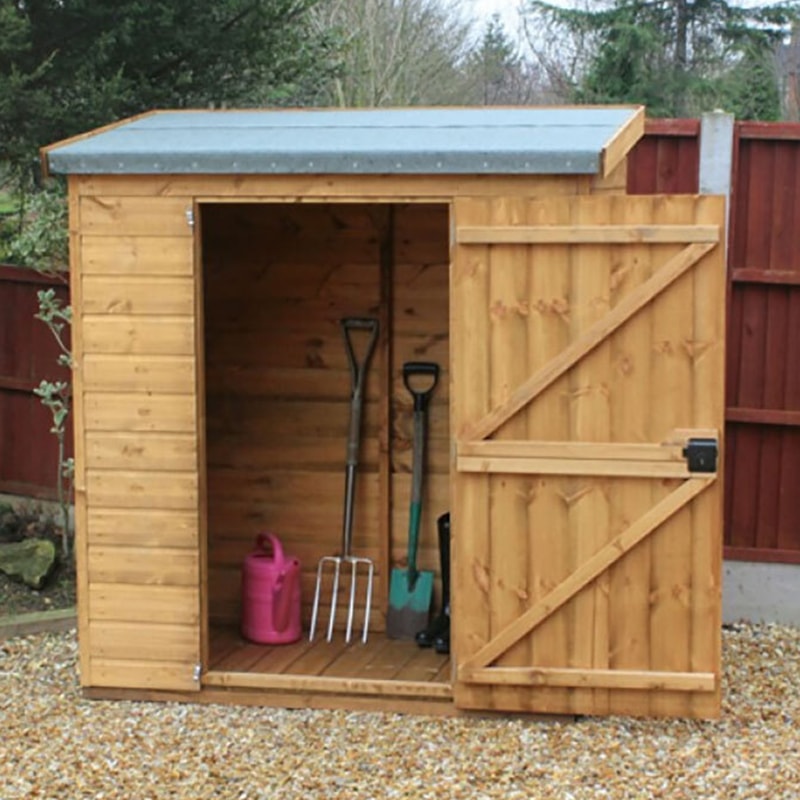
This shape is also handy where access is limited. A shed with a smaller width can fit into side passages or boundary spaces that might be too tight for a broader building. If your garden has an odd corner, a 10×4 can sometimes look more natural than a wider unit, because it follows the line of the plot rather than fighting against it.
Different roof styles and the feel they give
When looking at wooden sheds 10×4, the roof style changes both the look and the useable space. A pent roof has a single slope and often suits a modern garden, especially where you want the back edge kept lower against a fence. It can also work well in tighter spots because the lower side helps the shed sit quietly in the landscape.
A reverse pent roof can shift the higher point towards the front or back depending on the design, which may help with headroom where you stand most often. Meanwhile, a apex roof gives a more traditional shed profile and usually creates a stronger sense of height in the centre. That can make the interior feel less narrow, which is useful in a 10×4 shape where the width is limited.
Some buyers prefer overlapping roof boards for a more classic, hand-built character, while others look for shiplap or tongue-and-groove cladding paired with a matching roof finish for a cleaner appearance. The right choice often depends on whether you want the shed to blend in, or act as a more defined garden feature.
Cladding choices that change more than just the look
The cladding on a wooden shed 10×4 affects the feel of the structure, the visual depth of the panels, and how the shed sits in your garden. Overlap cladding has a straightforward, rustic appearance and can suit buyers who like a more traditional shed with a softer, less polished look. It often feels very practical and familiar.
Shiplap cladding tends to look neater, with boards that overlap in a way that creates a tighter finish. This gives a more ordered appearance and is popular where the shed will sit in view from the house or patio. It can also make the walls feel more substantial.
Tongue-and-groove cladding is another option often chosen for a more joined-up look, with boards fitting together closely. In a 10×4 shed, that can help the long sides appear smoother and more intentional. The difference between these cladding types is not just about appearance; it also changes how formal or relaxed the shed feels in the garden.
Door positions that affect access every day
One of the most practical differences between 10×4 shed styles is where the door is placed. A model with the door on the short end can create a straightforward entry point, especially if you want to walk in and see the full length of the shed ahead of you. This works well for storage that is arranged in sections.
Some sheds place the door along the long side, which can be better if the shed sits in a narrow run and the side face is easier to reach. Side access can make it simpler to pull out a bike, wheelbarrow, or tool trolley without having to shift other items around first. In a long shed, the door position really changes how the space functions, so it is worth thinking about the objects you will move most often.
Double doors can also be useful in this size, especially if you need to bring in bulkier garden items or want a wider opening for easier loading. A single door may take up less wall space, but double doors can make the layout feel less awkward when handling bigger pieces.
What fits inside without feeling crammed
The appeal of a 10×4 wooden shed is often about balance: enough room for useful storage, but not so much that it swallows the garden. It is a good size for long-handled tools, hose reels, seed trays, foldable chairs, parasols, and garden boxes. Many buyers also use this shape for lighter DIY storage, or as a place to keep items that should stay dry and out of sight.
Because the footprint is narrow, placement becomes part of the planning. Items that are long and slim naturally suit this format, while very bulky furniture may feel less comfortable unless the interior is kept open. For that reason, many people choose shelving, hooks, or wall-mounted storage inside the shed so the floor stays clear. That is not about cramming more in for the sake of it; it is about using the long sides sensibly.
Storage layout ideas that suit the narrow shape
A 10×4 shed lends itself to zoned storage. You might keep garden tools on one side, pots and compost bags at the centre, and seasonal items towards the back. This makes the space easier to use because you are not constantly shifting one thing to reach another. If the shed is for mixed storage, a simple internal split can save a lot of fiddling about later.
- Wall hooks for rakes, brooms and spades
- Shallow shelving for plant pots, gloves and small hand tools
- Floor space for long items like ladders or folded garden furniture
- Vertical storage along the long side to keep the centre passage open
This kind of arrangement suits the proportions of the shed better than wide, deep stacking. The aim is to make the length work for you, not against you.
Timber styles and how they change the character
With wooden sheds, the timber itself shapes the final impression. A lighter-looking timber finish can help the shed blend into a garden with planting, gravel or pale fencing. A more natural grain can add warmth, especially if the shed is visible from a seating area or kitchen window.
The form of the boards matters too. Wider boards can give a bolder, more solid face, while narrower ones may make the shed look a touch more detailed. In a 10×4 format, that visual rhythm is noticeable because the long sides stretch across the garden view. If you want the shed to feel less boxy, a timber finish with a bit of texture can help soften the outline. If you prefer a tidier look, a cleaner board pattern may suit better.
Benefits that matter when space is tight
The main benefit of wooden sheds 10×4 is the way they combine storage capacity with a restrained footprint. That makes them useful for town gardens, side passages, narrow lawns and plots where every metre has a job to do. Rather than taking the space of a larger workshop-style building, a 10×4 provides a more measured solution.
Another benefit is visual. A long, slim shed can follow the line of the garden more naturally than a wider unit, which may make the whole area feel less interrupted. If the shed sits beside hedging or fencing, the rectangular shape can almost read like part of the boundary rather than a separate obstacle.
It can also help with organisation. Because the space is clearly defined by length, it becomes easier to keep similar items together. People often find that a shed of this shape encourages better storage habits, simply because there is less temptation to dump things into one central pile.
How 10×4 compares with other shed sizes
Compared with a 6×4 shed, a 10×4 gives you more room to sort items out instead of stacking them tightly. It feels more usable if you have several categories of garden gear. Against a 8×6 or similar broader shed, the 10×4 may offer less floor width, but it can fit more neatly into a restricted side area or long border.
Compared with larger garden buildings, the 10×4 is often easier to place without changing the whole layout of the plot. That makes it a useful middle ground for buyers who need more than a compact store but do not want a shed that dominates the space. The difference is really about shape, not just size: 10×4 is chosen as much for its proportions as for its volume.
Things to think about before choosing one
Before buying a 10×4 wooden shed, it helps to think about how the shed will be used day to day. If you need frequent access, door placement matters a lot. If your plot is narrow, a side-facing entry may work better. If the shed will sit in a visible spot, the roof shape and cladding style become part of the garden’s overall look.
It is also worth checking what you plan to store. Long-handled tools and foldable furniture are easy fits, while wider objects may need careful positioning. If the shed is intended for mixed use, a model with a more open interior can be easier to adapt. In a narrow shed, awkward bulk can make the whole space feel smaller, so a practical layout is often more useful than just chasing extra volume.
One small but useful tip: picture the movement inside the shed, not just the empty shell. If you can stand, turn, and take out what you need without rearranging half the contents, the size is probably right.
A garden feature that still feels useful
A wooden shed 10×4 does more than hide things away. It can become part of the garden’s structure, helping define zones and giving outdoor space a clearer shape. In a narrow garden, that can be a real advantage because it brings order without making the area feel crowded.
For buyers who want a shed that works with a slimmer plot, this format has a lot going for it. It is practical, adaptable, and available in styles that can look traditional or more pared back. Whether you prefer pent roof, apex roof, single door, double doors, overlap cladding or a more refined timber finish, the 10×4 shape gives you a sensible base to build around.
If you are looking for a shed that fits neatly, stores properly, and does not feel overbearing in the garden, this size is often worth a closer look. It is one of those formats that seems modest at first, then starts making sense once you think through what really needs storing.
Small details that can make the difference
In this size category, the little details often shape whether a shed feels awkward or easy to use. A slightly wider doorway can help with daily access. A roof with a bit more headroom in the right place can make the interior feel less compressed. A timber finish that matches nearby fencing can help the shed settle into the garden instead of standing out harshly.
- Choose the roof shape to suit both garden style and interior headroom
- Match the door position to the side of the garden you can actually reach easily
- Think in long rows rather than stacked piles when planning storage
- Use the length of the shed to separate tools, outdoor kit and seasonal items
These are not flashy features, but they are the things buyers often notice later, after the shed has been in use for a while. A well-chosen 10×4 wooden shed feels less like an add-on and more like part of the garden working properly.
[Sassy_Social_Share]