
wooden log cabins 18x11 - Best Deals in UK!
Showing the single result

Wooden log cabins 18×11 offer a roomy timber build for gardens, combining a practical footprint with a warm, natural look for storage, work, or leisure.
A footprint that gives you real options
An 18×11 log cabin sits in that useful middle ground where space starts to feel properly usable, without taking over the whole garden. The proportions suit people who want more than a tiny shed but do not need a full outbuilding. With 18 feet by 11 feet to work with, the layout can be arranged in several ways: one open room, a split interior, or a design with a more defined front area and a quieter back section.
That size is often chosen because it gives enough room for everyday use and still leaves a sensible border around the cabin for planting, access, or simply keeping the plot balanced. It also tends to work well on medium and larger gardens where a square shape might feel too boxy and a very long cabin would be awkward.
The shape matters more than people think
When comparing wooden log cabins 18×11, the outside shape changes the feel of the whole build. Some cabins use a more traditional rectangular layout, which makes furniture placement straightfoward and gives a tidy, ordered look. Others lean into a slightly more cabin-like profile with a deeper roof overhang or a more pronounced front elevation, which can make the structure feel less like a storage building and more like a proper garden room.
Bestseller der Kategorie wooden log cabins 18x11
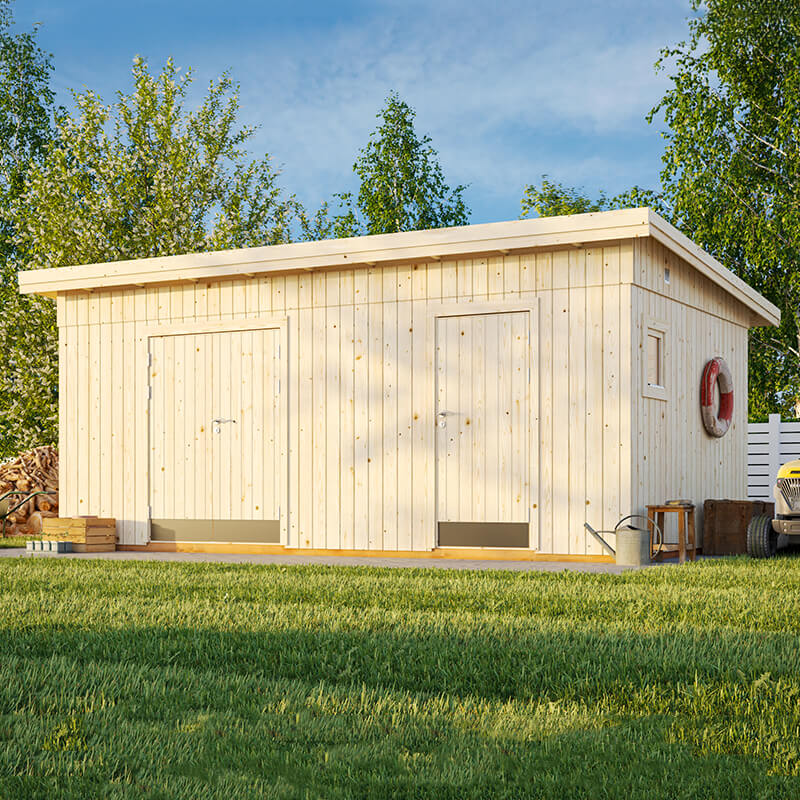
A rectangular form usually makes the most of the footprint, especially if the cabin is used for a desk, seating, or hobby equipment. A design with a more open front or larger glazed section can bring in more light and soften the timber exterior. For buyers comparing options, the shape is not only about style; it changes how the cabin performs in daily use and how it sits in the garden.
Why timber log cabins feel different from panel builds
The appeal of a wooden log cabin is not just the appearance. The log construction gives the walls a solid, layered character that many people prefer over lightweight panel buildings. There is a visual depth to the timber lines, and the cabin reads as something more permanent and grounded. That matters when the cabin is meant to be part of the garden, not just placed in it.
Compared with a basic shed, the log profile gives more presence and tends to look better alongside planting, lawns, gravel areas, or paving. Compared with flatter wall systems, the interlocking logs create a more traditional cabin feel, which suits both rustic and cleaner contemporary gardens. If the aim is to have a building that looks intentional rather than improvised, the log style usually makes that easier.
What 18×11 can do in real life
One of the main strengths of an 18×11 cabin is flexibility. It can be used as:
- a garden office with enough room for a desk, storage, and a chair without everything feeling crammed
- a hobby room for making, painting, model work, or other activities that need a clear table space
- a family space where seating can be arranged with a bit of breathing room
- a combined store and use room if the layout includes a more practical corner for equipment
- a quiet retreat for reading, music, or just having somewhere separate in the garden
The useful point here is not that it does everything, but that the size makes trade-offs easier. A smaller cabin often forces one purpose only. An 18×11 wooden cabin gives more room to mix uses without the interior feeling chopped up in a bad way.
Different log cabin types within this size
There are several sub-types that show up in the 18×11 range, and the differences are worth noting before buying. A single-room cabin gives the cleanest open plan and usually feels the easiest to furnish. A split-space cabin can help if you want one side for work and the other for relaxing or storage. A cabin with a side entry changes the traffic flow and can make the front wall more usable for windows.
Some 18×11 designs are more traditional and rustic, with heavier-looking log lines and a stronger cottage feel. Others are more contemporary, using broader glazing areas and a simpler roofline. Both belong in the same category, but they create very different impressions. The traditional style feels grounded and warm; the more modern one feels lighter and more open.
Roof forms that change the whole look
The roof is a bigger part of the cabin’s identity than many buyers expect. In wooden log cabins 18×11, common roof styles often include a pent roof, an apex roof, or a more extended pitched form depending on the design. Each gives the cabin a different stance.
An apex roof has that familiar cabin profile and usually gives a more balanced, classic appearance. It can make the building feel taller and more recognisable from the garden. A pent roof can appear neat and slightly more contemporary, often suiting a modern garden layout or a cabin placed beside a straight boundary line. The difference is partly visual, but also practical in how the room feels inside. Higher roof profiles often add a little more headroom and a less compressed atmosphere.
Windows and doors: where the light really comes from
Glazing makes a huge difference in an 18×11 cabin. A layout with larger front windows brings the outside in and makes the room feel bigger than the measurements suggest. This is especially useful if the cabin is going to be used as a work or social space, because daylight changes how comfortable the room feels over the day.
French doors, double doors, and side windows all create different effects. French doors can open up the front and make the cabin feel more connected to the garden. Double doors offer a wider route in and can be handy when moving furniture. Smaller side windows can help balance privacy with light, which is useful if the cabin is near a fence or neighbouring property.
People often compare cabins by wall thickness or roof style first, but in a room this size the window and door layout can make a bigger difference to how the building is actually used. A slightly better placed window can make the whole space easier to arrange. Sounds obvious, but it gets overlooked a lot.
How the layout changes the way you use the room
With 18×11 feet, the room can be organised into zones without feeling forced. A desk can sit near a window, a sofa or armchairs can go on the opposite side, and a storage wall can be kept clear of the main opening. That kind of set-up is easier in a cabin with a sensible door position and a more regular internal shape.
If the cabin is meant for work, the best layout is usually one that keeps the entrance from cutting across the most useful wall. If it is for leisure, a more central open area can feel better. If the cabin is used for mixed purposes, look for a layout with a natural divide, even if it is only suggested by window positions and the way the roof falls. Small things like this matter more than a lot of people think when they are standing in the finished room.
The timber look that suits more than one garden style
Wooden log cabins 18×11 sit comfortably in a range of garden settings. In a more rural or traditional space, the log walls feel like they belong straight away. In a more modern garden, the cabin can still work, especially if the glazing is larger and the roofline is clean. The timber keeps the building from feeling cold or overly technical.
The natural grain and the visible log joints give the cabin a texture that pairs well with stone paths, sleepers, gravel borders, lawns, and planted edges. That helps the structure look integrated rather than dropped in. For buyers who want the cabin to feel like a proper part of the garden plan, that visual connection is often a key reason for choosing logs over a more generic build.
Practical advantages buyers usually care about
There are a few advantages that come up again and again when people compare cabins of this size:
- useful room proportions for work, seating, or storage combinations
- a stronger visual presence than a small shed, without needing a huge plot
- natural timber character that suits most garden styles
- flexible internal planning because the space is not too narrow
- a more permanent feel than lighter-looking garden structures
These are not abstract benefits. They affect how easy the building is to furnish, how it looks from the house, and whether it feels worth having in the garden year after year. An 18×11 wooden log cabin is often chosen because it does not demand compromise in just one direction. It offers a fairly balanced set of choices.
When 18×11 works better than smaller cabins
A smaller cabin can be enough for a simple storage role, but the jump to 18×11 brings a different level of usefulness. Once the room has to hold a desk, chair, shelves, and still allow movement, the extra floor area starts to matter. It also gives the cabin a calmer feel, because furniture does not need to sit right up against every wall.
For people comparing sizes, the key difference is not only square footage. It is the sense that the room can be arranged properly rather than squeezed into one use. An 18×11 cabin can support a more deliberate layout, which makes it easier to feel settled once it is in place. A lot of buyers notice that after the first viewing, even if they could not quite explain why.
Small details that change buying confidence
It is often the smaller details that make one cabin more appealing than another. The position of the doors, the shape of the roof, the balance between solid wall and glazing, and the exact room proportions all add up. In wooden log cabins 18×11, those details are especially important because the cabin is large enough for choices to matter, but not so large that anything will do.
Look at how the front elevation reads from a distance. Does it feel balanced? Is the glazing too sparse, or does it open the room nicely? Does the shape suit the space you have in the garden? These are the questions that help separate a cabin that merely fits from one that actually looks right. And if the cabin looks right, you are far more likely to enjoy using it.
A useful way to think about value
Value in this category is not only about price. It is also about how much of the garden you are willing to use, how much internal space you actually need, and how the cabin will feel once it is placed. A well-proportioned 18×11 log cabin can offer a satisfying middle point: enough room to be useful, enough presence to look substantial, and enough flexibility to avoid feeling one-note.
For buyers who have outgrown a basic garden shed or are trying to avoid a building that feels too large, this size can be a strong fit. It offers room to grow into, but not so much that the space becomes difficult to define. That balance is part of why this category remains so appealing.
What to compare before choosing
If you are narrowing down wooden log cabins 18×11, compare the following:
- roof style and how it changes the cabin’s appearance
- window and door placement for light and layout
- interior shape to see whether furniture will sit naturally
- overall style from rustic to more modern
- how the footprint sits in the garden so the cabin does not feel too broad or too tight
That shortlist helps you compare cabins in a more realistic way. A build can look good in a picture, but the right one should also suit the space it is going into and the way you plan to use it. A tidy fit is often more satisfying than a dramatic one.
The cabin that feels made for the plot
The best thing about an 18×11 wooden log cabin is that it can feel tailored without being custom made. The size is substantial, but still manageable. The timber finish gives it warmth. The shape can lean traditional or modern. And the layout can be chosen to support a practical purpose without losing that garden-room feeling.
For anyone comparing cabins and trying to avoid a rushed choice, this category gives a good amount of room to think. It is large enough to be useful, refined enough to look considered, and varied enough that the right version is usually out there. If the aim is a timber building that adds something real to the garden, this is a size worth taking seriously.
[Sassy_Social_Share]