
wooden gazebos - Best Deals in UK!
Showing 13–20 of 20 results
-
19% OFF: 11’x11′ (3.5×3.5m) Square Wooden Garden Gazebo with New England Cedar Roof £9,859.9919%

-
19% OFF: 20’x15′ (6×4.7m) Premium Oval Furnished Wooden Garden Gazebo with New England Cedar Roof – Seats up to 27 people £15,359.9919%

-
18% OFF: 15’x13′ (4.7x4m) Luxury Wooden Furnished Garden Gazebo with Timber Roof – Seats up to 19 people £9,789.9918%

-
13% OFF: 6×4.5m (20’x15′) Palmako Betty Garden Pavilion – Luxury Gazebo £5,249.0013%

-
12% OFF: 3.3×3.3m (11’x11′) Palmako Betty Garden Pavilion – Luxury Gazebo £2,589.0012%

-
10% OFF: 3x3m (10’x10′) Palmako Betty Garden Pavilion – Luxury Gazebo £2,489.0010%

-
8% OFF: 4.5×4.5m (15’x15′) Palmako Betty Garden Pavilion – Luxury Gazebo £4,249.008%

-
8′ x 6′ Trimetals Sojag Maui Wood Effect BBQ Garden Gazebo (2.49m x 1.78m) £859.994%

Wooden gazebos bring sheltered seating, timber character and clear garden structure, with open-sided, partially enclosed and hexagonal forms for dining, relaxing and year-round outdoor use.
Timber that changes the feel of a garden
A wooden gazebo does more than mark out a spot in the garden. It gives that space a shape, a purpose and a bit of presence. Compared with metal or plastic versions, timber usually feels warmer, softer and more at ease beside planting, lawn and stone. It can sit quietly in a corner or act as a clear centrepiece for a patio, lawn or outdoor dining area. For buyers looking for a structure that looks at home in both traditional and modern settings, wood has a natural advantage: it does not fight the landscape, it sits within it.
The category also offers a fair amount of choice. Some gazebos are built with open sides for a light, airy feel. Others add railings, partial panels or screening for a more sheltered space. The roof line might be flat, pitched or domed. The footprint may be square, rectangular, hexagonal or octagonal. These differences are not just visual; they change how the gazebo is used, where it fits and how much room it gives for furniture.
Shapes that suit different corners and layouts
Shape matters more than many people think. A rectangular wooden gazebo works well where the layout already follows strong lines, such as beside a patio, deck or long dining table. It often gives the cleanest use of space, especially when the plan is to place benches, a sofa set or a barbecue station underneath.
Bestseller der Kategorie wooden gazebos
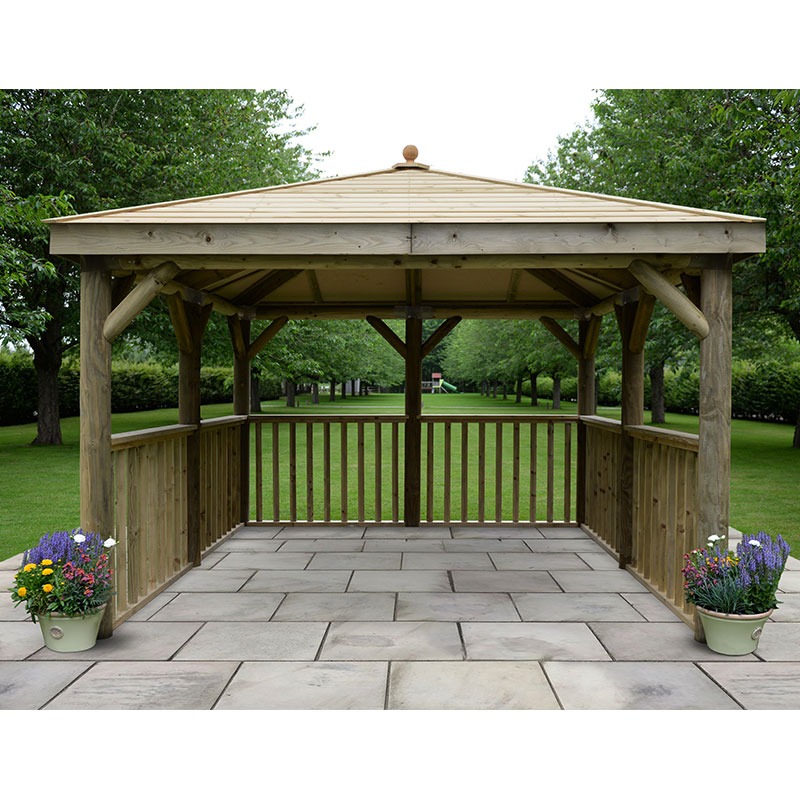
A square gazebo feels balanced and straightforward. It is a practical choice for compact gardens or more formal layouts, where symmetry is part of the design. If the aim is to create a clear seating area without wasting space, square formats are easy to place and easy to read visually.
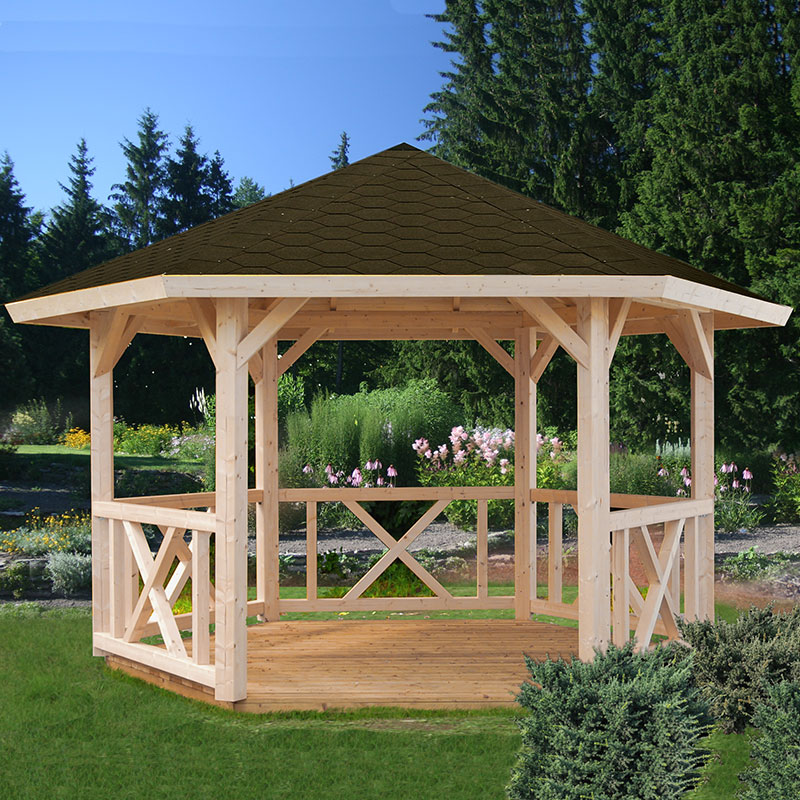
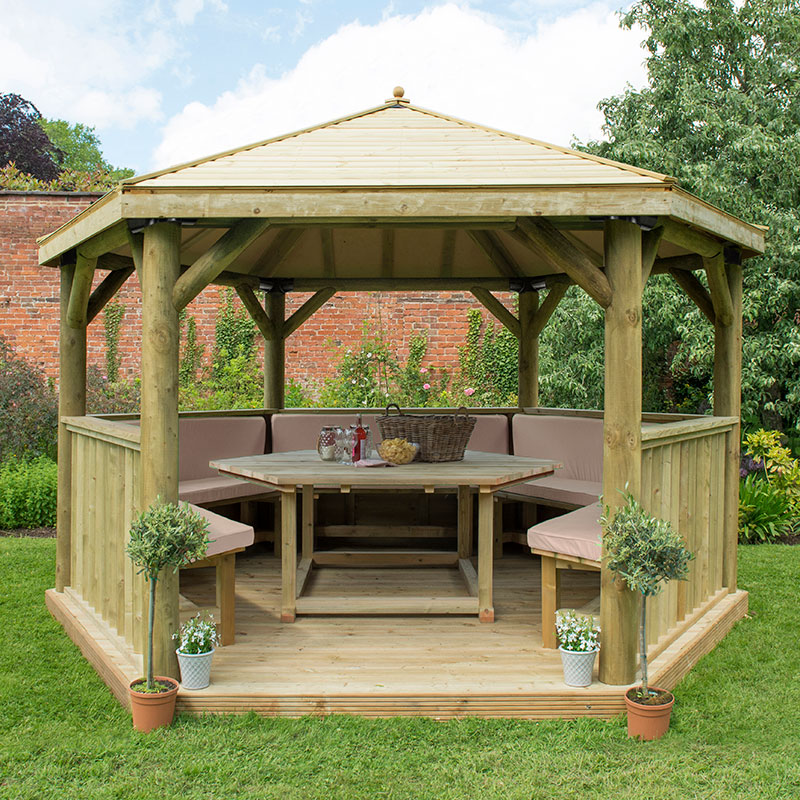
Hexagonal and octagonal gazebos have a more decorative profile. Their angled sides soften the look and create a pavilion-like feel, which can be handy when the gazebo is meant to act as a feature as much as a shelter. These shapes often suit lawns, open garden rooms or focal points at the end of a path. They also make the inside feel slightly enclosed without becoming boxy. It is a subtle diffrence, but a real one.
Rounder or multi-sided designs can also make circulation easier, since movement around the inside feels less directional. That can be useful if the structure will be used for mixed purposes, not just sitting but also serving drinks, hosting small gatherings or placing a table in the middle.
Open sides, partial panels and full shelter
The level of enclosure is another key decision when choosing a wooden gazebo. Open-sided structures are the most visually light. They keep views open and let the garden remain part of the experience, which is ideal for buyers who want cover without losing the sense of being outside.
Partially enclosed versions may include side panels, half walls or decorative balustrades. These details add definition and a bit more privacy, while still keeping airflow and daylight. They can help create a dining area that feels separate from the rest of the garden, without turning the gazebo into a closed room.
More enclosed wooden gazebos often bring a stronger feeling of shelter. These are useful when the space is intended for longer sitting, more frequent use or a setting where a bit of screening is wanted from neighbouring gardens. The difference is not only about rain cover; it is also about how private or open the space feels. For some buyers, that is the main reason to choose one type over another.
Roof styles that set the tone
The roof is one of the features that gives wooden gazebos their character. A pitched roof has a familiar, practical look and usually suits gardens where the structure should feel classic rather than ornate. It creates a strong silhouette and can make the gazebo seem more settled in the landscape.
Hexagonal and octagonal roofs often have a more pavilion-like appearance, especially when the roof slopes up from the sides to a central point. This can add height and a sense of space inside, which is useful if the gazebo is going to be used with taller furniture or if you simply want a roomier feel overhead.
Some wooden gazebos use a simpler, flatter roof line. That can work well in more contemporary gardens or where the goal is to keep the structure visually understated. A flatter form may blend neatly with decking and fencing, whereas a more peaked shape can stand out as a garden feature.
In category terms, roof design often goes hand in hand with shape and side treatment. It is worth looking at the whole structure rather than one feature on its own, because the roof, frame and sides work together to create the final impression.
Where wooden gazebos earn their place
A gazebo is usually chosen for one of three reasons: shelter, structure or setting. Wooden versions often score well on all three. The shelter is obvious, giving some protection from sun or light showers. The structure comes from the timber frame, which brings order to an open garden. And the setting is about atmosphere; wood makes outdoor furniture and planting look more connected.
They work especially well for:
- Outdoor dining areas, where a defined overhead frame helps the table feel intentional rather than temporary.
- Garden seating spaces, giving chairs or a bench a proper home within the garden layout.
- Hot tub surrounds, where partial screening and shelter can help create a more private feel.
- Pathway focal points, especially when the gazebo sits at the end of a route or frames a view.
- Event areas, where a timber structure adds a calm backdrop for small gatherings.
Because wood sits well with natural materials, it also pairs nicely with brick, gravel, paving, planting and decking. That makes it easier to bring the gazebo into an existing garden without it looking like an afterthought.
What sets timber apart from other materials
When comparing wooden gazebos with aluminium, steel or resin options, the main difference is the feel of the structure. Timber has grain, texture and depth. Even when painted or stained, it tends to look like part of the garden rather than a separate product dropped into it. That can matter quite a lot when the gazebo is meant to be seen from indoors as well as used outside.
Wood also tends to suit a wider range of garden styles. In a cottage garden, it can feel relaxed and classic. In a more modern setting, it can be chosen with sharper lines and a simpler finish to keep the look tidy. The material itself is flexible in style, which is why the category includes so many forms and sizes.
Another difference is how substantial the structure can appear. Timber frames often look more grounded, with posts and beams that give a sense of permanence. For buyers who want something that feels like a proper outdoor room, that presence is part of the appeal.
Small details that make a big visual difference
It is easy to focus only on size, but the smaller features can change how a gazebo fits into a garden. Decorative braces, rail panels, post thickness and roof detailing all affect the look. A more open frame can feel elegant and light. A heavier frame can read as sturdier and more enclosed.
The style of joinery also matters. Visible timber lines can give a traditional impression, while simpler framing can lean more contemporary. Some designs include lattice or shaped edge details that add interest without making the gazebo feel fussy. That is useful if the surrounding garden already has plenty of visual activity from planting, paving or furniture.
The placement of the posts can change usability too. Wider-spaced posts may make movement easier around a table or sofa set, while more closely set frames can offer a stronger sense of enclosure. These are the kind of differences that matter once the gazebo is actually in use, not just in the catalogue photo.
Buying for the way you really use the garden
Before choosing a wooden gazebo, it helps to think about the main use rather than only the look. If the space is for dining, check the internal layout and the footprint against the table size. A gazebo can look generous from the outside and still feel tight once chairs are pulled out. If the plan is lounging, consider whether the sides are open enough to keep the view pleasant, or enclosed enough to give the calm, tucked-away feel you want.
For gardens with a strong centre line, such as a path leading to a focal point, a multi-sided gazebo often works well. For side patios or smaller plots, a square or rectangular format may fit more naturally. If the gazebo will sit near planting, timber tones can be matched to fences, pergolas or raised beds for a more joined-up look.
It is also worth thinking about ceiling height and openness. A taller roof can make the space feel less compressed, while a lower, more compact profile may suit smaller gardens where the structure should not dominate. Choosing the right scale is often the thing that decides whether a gazebo feels useful or just looks nice from a distance.
Why buyers keep coming back to wooden designs
Wooden gazebos continue to appeal because they balance looks and function in a very direct way. They create a place to sit, eat or gather, but they also improve the shape of the garden itself. Many buyers want a structure that does not feel too hard-edged, and timber answers that well. It softens hard landscaping and makes outdoor furniture feel more like part of a scene than an add-on.
There is also a sense of choice that makes this category useful. You can go for open pavilion-style gazebos, more sheltered versions with side panels, compact square formats or more decorative multi-sided forms. That variety means the category can suit a lot of different garden plans without drifting away from its core purpose.
And because the material is naturally linked with garden settings, it tends to age visually in a way many people find appealing. Not in a dramatic way, just enough to keep the structure feeling grounded instead of shiny or overly manufactured. For a lot of buyers, that is the quiet reason wood keeps winning out.
Choosing with the finished space in mind
It helps to picture the gazebo as part of a complete outdoor room. Think about the furniture, the route to it, the angle from the house and what the structure frames when you look through it. A wooden gazebo is not only a cover; it is a way of organising the garden. The right one can turn a loose patch of lawn or paving into a place that feels planned and ready to use.
Different subtypes serve different aims:
- Open gazebos suit lighter, more social spaces with wide views.
- Partially enclosed gazebos add privacy and definition without shutting the garden out.
- Hexagonal and octagonal gazebos bring a more decorative, pavilion-like shape.
- Square and rectangular gazebos work well for efficient furniture layouts and straightforward positioning.
- Pitched-roof designs feel familiar and settled, while flatter profiles can suit cleaner, modern layouts.
That range is what makes the category worth browsing carefully. The right gazebo is usually the one that fits the space as it is, not the one that asks the garden to change around it.
A finishing note that helps the choice feel easier
When looking through wooden gazebos, the best approach is to start with shape, then side style, then roof profile. That order makes the options easier to compare. After that, consider how much openness you want, how many people will use the space and whether the gazebo should blend in or stand out a little. Small differences in frame, footprint and enclosure can shift the whole feeling of the garden.
For buyers who want an outdoor structure with character, timber remains a strong fit. It offers shelter without looking severe, definition without feeling closed in, and enough variety to suit everything from a simple seating nook to a more formal garden feature. In short, a well-chosen wooden gazebo gives the garden somewhere to go, not just somewhere to stand.
[Sassy_Social_Share]