
wooden gazebos 15x15 - Best Deals in UK!
Showing the single result

15×15 wooden gazebos offer a balanced, square footprint for garden seating, dining and shade, with natural timber looks, multiple roof styles and flexible layouts for patios, lawns and outdoor corners.
A square footprint that does a proper job
A 15×15 wooden gazebo gives you a generous, even layout without the awkwardness of a rectangular frame. The square shape makes it easier to centre over a table, hot tub area, seating set or open patio, and it usually feels more settled in the garden than a long narrow shelter. That balanced form is one reason people choose it when they want a structure that looks intentional rather than bolted on.
With wooden gazebos 15×15, the usable space is a big part of the appeal. You have enough room for chairs to sit back properly, for movement around the middle, and for a layout that does not feel cramped. If the aim is to create an outdoor room that can hold a few uses over the season, this size often sits in the right middle ground.
Timber that changes the whole feel
The material matters as much as the size. A wooden gazebo brings warmth, grain, and a softer edge than metal or plastic-framed options. In a 15×15 format, timber tends to give the structure a calmer visual weight, especially in gardens with borders, hedging or older trees. It can sit in a modern plot too, but it often blends in more naturally where there is planting and softer landscaping.
Bestseller der Kategorie wooden gazebos 15x15
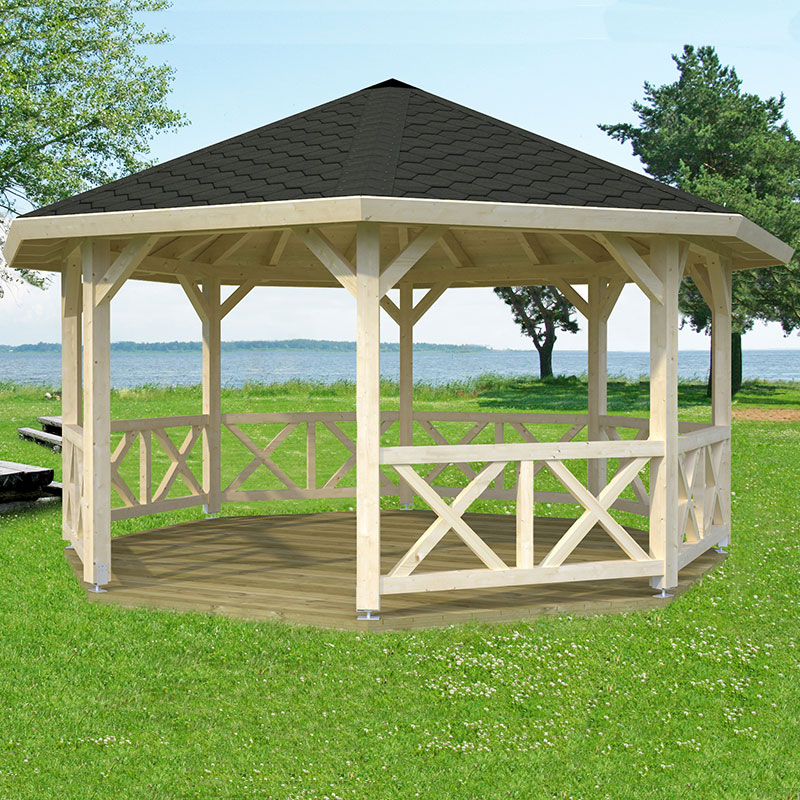
Compared with lighter-framed garden shelters, wood usually feels more like a fixed feature. That is not just about appearance; it changes how the space is used. People often treat a timber gazebo as a defined gathering area, which can make the garden feel more organised. It can also sit well beside decking, gravel or paving without looking out of place.
Open sides, closed sides, and the in-between versions
When shoppers look at 15×15 wooden gazebos, the first thing to compare is the side design. An open-sided gazebo keeps the area airy and connected to the garden. It is useful if you want shelter overhead but still want wide views, easy movement and a less enclosed feel. This style suits dining spaces and casual seating, where people may come and go during the day.
An partly enclosed gazebo has more visual definition. It may include side panels, rails or partial walls, which can help create a stronger “outdoor room” effect. That makes the structure feel a bit more private and can help separate the area from the rest of the garden. It also gives a more architectural look, which some buyers prefer when they want the gazebo to act as a focal point.
Then there are versions with solid back panels or a more sheltered rear section. These are often chosen when the gazebo needs to sit against a boundary or when the back side is facing a less attractive part of the garden. The difference is subtle but important: one style is about openness, the other is about giving a stronger sense of enclosure. Neither is better in every case, it depends what the space needs to do.
Roof shapes that quietly change the whole silhouette
The roof is where a lot of the character comes from. On a wooden gazebo 15×15, the roof style can shift the whole feel of the structure, even if the floor area stays the same. A hip roof gazebo has slopes on all sides and usually looks compact and settled. This shape often feels well proportioned in a square footprint, and it can sit neatly in both formal and casual gardens.
A gable roof gazebo gives a stronger ridge line and a slightly more architectural look. It can feel a little taller inside, and the shape tends to read clearly from a distance. Buyers sometimes choose this form if they want the gazebo to look a bit more like a garden pavilion than a simple shelter.
Some timber gazebos use a pagoda-style roof or layered roof lines. These have more decorative presence and can make the whole structure feel more defined. They suit gardens where the gazebo is meant to be a feature rather than only a practical cover. The difference between roof types is not just visual, it changes how the gazebo sits in the garden and how formal it feels.
Square, octagonal, and the shape debate
Although this category focuses on 15×15 size, there are still different overall shapes within that footprint. A square gazebo is the most straightforward choice, especially if you want to use the space efficiently. Furniture tends to fit easily, and placing seating around the edges is less fiddly. If your main concern is practical use, square is usually the easiest shape to work with.
An octagonal wooden gazebo within a similar sized footprint brings a softer outline. The corners are less abrupt, and the structure can look more decorative. This shape often works well in gardens where the gazebo is viewed from several angles, because it gives a more refined outline than a plain square frame.
There are also hexagonal forms in gazebo design, though not as common in a 15×15 category. The difference between these forms is partly about appearance, but also about how the internal space feels. Square layouts are easier for large furniture, while angled forms can create a more central, conversation-style arrangement. That little detail can matter more than people think.
Why 15×15 is a size people keep coming back to
15×15 wooden gazebos sit in a useful zone between compact and over-sized. Smaller gazebos can feel limited once a table, chairs and a bit of movement are inside. Larger ones can dominate the garden or demand a space that many plots simply do not have. A 15×15 footprint gives enough presence without turning the whole area into a structure-led design.
This size also gives buyers flexibility. It can work as a dining shelter, a seating area, a social hub, or a garden feature with room for mixed use. If the garden has to do several jobs, that is a strong point. The square format makes it easier to plan around than odd proportions, and it often feels more “complete” when viewed from a house or terrace.
Timber species and the look they bring
In wooden gazebos, the actual timber type can alter the final appearance quite a bit. Some woods have a lighter, cleaner grain that gives a fresher look. Others feel denser and more traditional, with deeper colour and more visible texture. Buyers often notice the style first, but the timber character is what gives the gazebo its personality.
A lighter timber can suit modern patios and clean paving lines. A darker or more pronounced grain can sit better in cottage-style gardens or plots with a lot of planting. The point is not only how the wood performs, but how it reads visually at 15×15 scale. At that size, the structure is present enough to matter, so the timber choice really does shape the mood of the space.
Gazebo or pergola-style shelter? Not the same thing
People sometimes compare a wooden gazebo 15×15 with a pergola-style structure, but they are not identical. A gazebo usually has a more complete roof and feels more enclosed overhead. That makes it better if the idea is to create a clear shelter from above. A pergola is more open by nature, even when it has slatted cover or partial roofing.
This difference matters when the gazebo is being bought for actual day-to-day use. If the aim is to make a fixed place for sitting out with more overhead coverage, a gazebo tends to fit that brief more closely. If the goal is mainly to define a garden zone while keeping it visually open, a pergola might suit better. The 15×15 gazebo sits somewhere in between function and design, which is why it is often chosen over simpler frames.
What the space can do once it is in place
The best thing about a 15×15 wooden gazebo is the way it changes what the garden can hold. It can support a dining set without the chairs feeling pushed in. It can give a proper shape to a lounging area, especially with corner seating or a central bench. It can also work as a sheltered point for outdoor entertaining, where the structure gives the gathering a clear centre.
Some buyers use the gazebo as a visual anchor. In a larger plot, that can help the garden feel less empty. In a narrower layout, it can create a destination at the end of a path or lawn. Because the footprint is square, it often aligns neatly with paving patterns, decking boards or symmetrical planting. That makes planning easier, which is not a small thing when you’re trying to get the garden to feel sorted.
Things that make one 15×15 gazebo different from another
When comparing wooden gazebos 15×15, it helps to look past the headline size. One model may have thicker posts and a heavier frame, giving it a sturdier visual presence. Another may use slimmer lines and a lighter roof profile, which can feel less bulky in a smaller garden. Both can work, but they give a very different result.
Some designs include more decorative joinery, such as shaped braces or trimmed edges. Others keep the lines plain and straightforward. That difference changes the tone a lot. Decorative details suit gardens where the gazebo is meant to be seen as part of the landscaping, while simpler frames are often better if you want the space to stay versatile. It is a bit like choosing between a feature chair and a plain one: same job, different feeling.
Useful buying points that save second-guessing later
If you are comparing options in this category, it helps to think about the practical shape of the space before anything else. A 15×15 gazebo is square, but the way it is framed can make the interior feel tighter or looser. Wider openings make movement easier. More enclosed sides create more shelter and privacy. The right answer depends on how the gazebo will actually be used, not only how it looks in a photo.
Also look at the relationship between the roof and the side structure. A tall roof can make the gazebo feel more open inside, while a lower roof line can feel more compact and grounded. If the gazebo is going near a house or fence, the roof shape matters even more, because it changes how much of the structure you notice at eye level. These are small differences, but they shape the overall result quite a lot.
Where the square shape tends to suit best
Wooden gazebos 15×15 are often a good fit for central garden spaces, broad patios, or corners that need defining. In a square setting, the shape feels calm and balanced. In a corner, it can make the most of an area that might otherwise be hard to use. On a lawn, it creates a strong focal point without needing a huge footprint.
They also work well where the garden has clear lines already, such as straight paving, clipped hedges or structured beds. The square form tends to echo those lines, which helps the gazebo feel integrated rather than dropped in. Even in a more relaxed garden, the shape can give a helpful sense of order. That is one of the quieter advantages people notice after living with it for a while.
Why buyers choose timber over more rigid materials
There is a practical reason as well as a visual one. Timber has a natural, tactile look that many buyers prefer when the gazebo is meant to feel like part of the garden, not a separate object. A wooden gazebo also has more character in the joins, posts and roof lines. That can make a 15×15 structure feel less industrial and more suited to a home garden setting.
Wood also gives a different impression of weight. Even before you sit underneath it, the structure can feel more substantial and steady. For buyers comparing types of shelters, that can be reassuring. It suggests a garden feature that has presence. Not every garden needs that, of course, but when the goal is to create a proper outdoor space, it often matters more than people expect.
Small details that help the right choice stand out
It is worth paying attention to the little things in a gazebo listing, because the details change the experience. The spacing of the posts affects how open the interior feels. The roof pitch changes the silhouette. The side treatment changes privacy and shelter. Even the way the corners are joined can shift the impression from plain to more finished. In a 15×15 wooden gazebo, these details are easy to notice because the footprint gives them room to show.
That is why shoppers often end up comparing more than one style before choosing. One gazebo may look better from a distance, while another may suit furniture better. One may feel airy, another more enclosed. If you know what the gazebo has to do, these differences are easier to judge. And that makes the whole buying choice less of a guess.
A category for proper outdoor living, not just decoration
The appeal of wooden gazebos 15×15 is that they are not purely ornamental. They can hold furniture, define a space, and give the garden a clear centre that feels usable rather than just nice to look at. The combination of timber, square format and roof choice lets buyers pick a structure that suits their garden instead of forcing the garden to fit the structure.
Whether you lean towards an open-sided gazebo, a more enclosed version, a square or octagonal outline, a gable roof or a more traditional profile, the 15×15 category gives plenty of room for the right match. It is a size that feels considered. And in a garden, that usually makes all the difference.
- Open-sided designs suit easy access and a lighter, airier look.
- Partly enclosed versions create more privacy and a stronger room-like feel.
- Square frames are practical for dining sets and straight layouts.
- Octagonal forms soften the outline and add decorative character.
- Hip roofs feel compact and balanced in a square footprint.
- Gable roofs give a clearer ridge line and a more architectural silhouette.
- Timber choice changes the tone, from light and clean to darker and more traditional.
If you are looking for a gazebo that feels settled, usable and visually in step with the garden, a 15×15 wooden gazebo is a very solid place to start. It has enough size for comfort, enough shape to feel deliberate, and enough timber character to make the space feel like it belongs there.
[Sassy_Social_Share]