
wooden garden storage 5x3 - Best Deals in UK!
Showing all 2 results
-
13% OFF: 5′ x 3′ Keter XXL Plastic Garden Storage Box – Anthracite (1.47m x 0.83m) £241.9913%

-
13% OFF: 5′ x 3′ Keter XXL Plastic Garden Storage Box – Brown (1.47m x 0.83m) £241.9913%

Wooden garden storage 5×3 units bring compact outdoor organisation to smaller plots, offering a neat way to store tools, cushions and garden bits without taking over the garden.
Small footprint, useful space
A 5×3 wooden garden storage unit is all about making a tight area work harder. The 5×3 size is handy when you need storage that fits along a fence, beside a patio, or into a narrow side return. It does not ask for much ground space, yet it can still take on a surprising amount of everyday outdoor clutter. That balance is a big part of the appeal: the footprint stays modest, while the inside can be organised around real use, not just looks.
In this category, the charm is not just the size but the way wood naturally suits garden settings. Compared with plastic or metal storage, timber has a softer presence and blends in with planting, paving, and lawn edges more easily. For many buyers, that makes a wooden store feel like part of the garden rather than a box dropped into it.
What a 5×3 wooden store is good for
These units are usually chosen for everyday garden storage where space is limited but access still matters. A 5×3 footprint can work well for:
Bestseller der Kategorie wooden garden storage 5x3
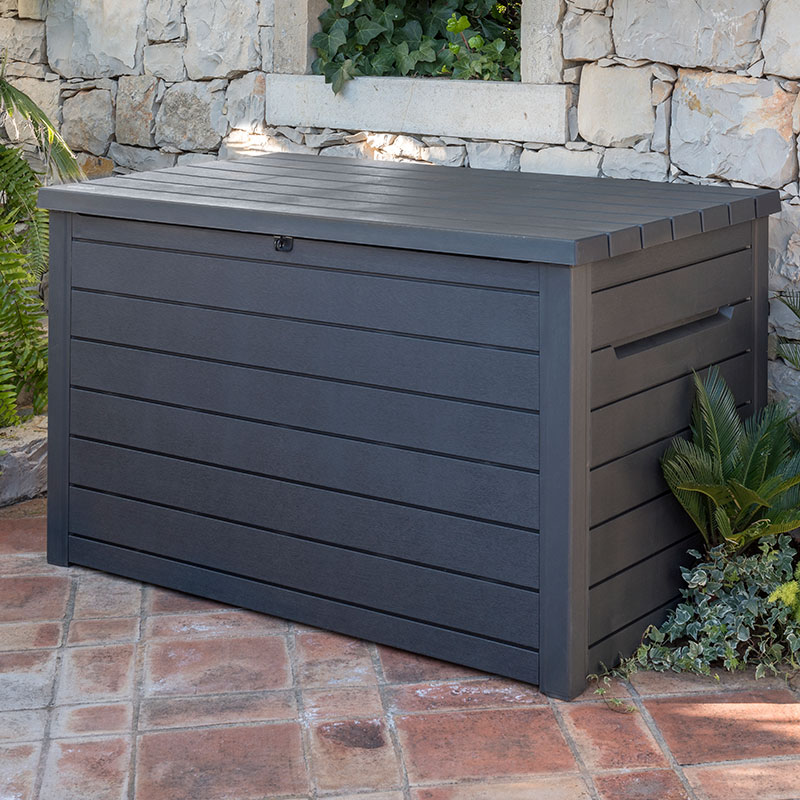
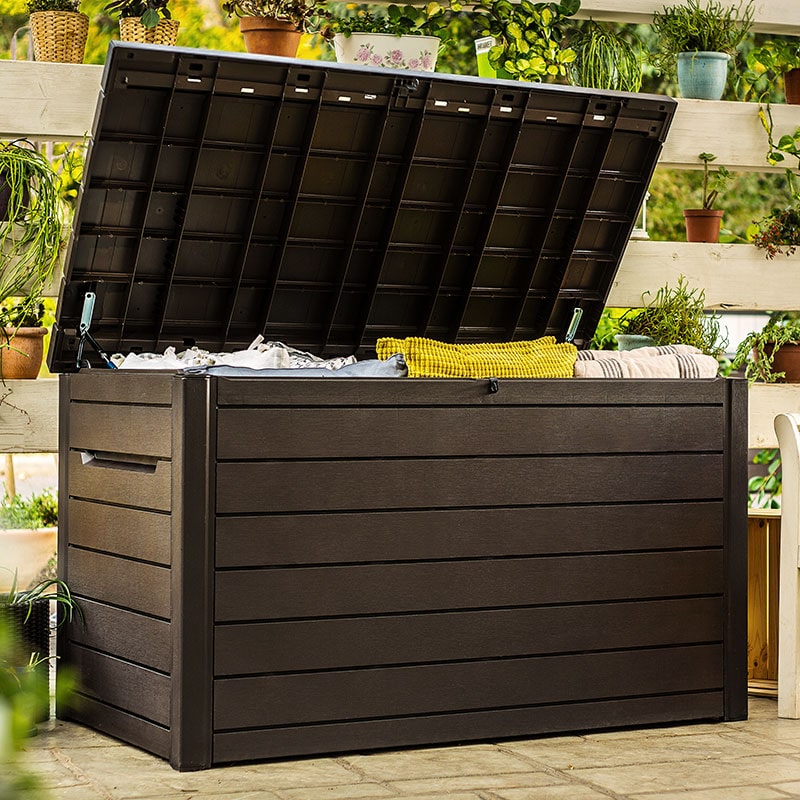
The exact fit depends on the internal dimensions, door opening, and roof shape, so a 5×3 unit can feel very different from one design to another. That is why buyers often look beyond the overall size and focus on the usable space inside.
Cabin, box, lean-to: the main shapes you’ll see
Within the wooden garden storage 5×3 category, the shape changes how the unit sits in a garden and how easy it is to use. There are a few common forms that show up again and again.
Cabin-style storage usually has a squared, shed-like profile. It gives a tidy look and often offers a more practical internal layout, with doors that open wide and a shape that suits shelving or hanging hooks. This type can feel more balanced if you want the store to stand alone as a feature, not just hide in a corner.
Lean-to storage is made to sit against a wall, fence, or garage side. It is useful where space is tight and a full freestanding footprint would be awkward. A lean-to version may sacrifice a little internal headroom, but it can be a smart choice for narrow gardens or awkward side spaces.
Low-profile box storage is more compact and often used for cushions or smaller items. In a 5×3 size, this may suit gardens where visibility matters and the buyer wants storage that sits lower against planting or a patio edge. It is not always the best choice for taller tools, but it can be very practical for soft goods and seasonal bits.
Corner-friendly shapes are also worth noting, even if they still follow the 5×3 footprint. Some wooden units are designed with a front face that feels less blocky, which helps them fit into borders or patio corners more naturally. Small changes in roof pitch, door position, and panel layout can make a real difference here.
Flat roof, pent roof, apex roof: not just a style choice
The roof shape is one of the clearest differences in wooden garden storage, and it affects both use and appearance. A flat roof gives a simple, modern outline and can work well where height is limited, though it may feel less spacious inside. It suits a cleaner, more minimal garden setting.
A pent roof slopes in one direction, often towards the back. This helps the store sit neatly against a wall or fence and can make the front look a bit more open. Buyers often like pent roofs for practical reasons, because they can combine compact height with a sensible internal volume.
An apex roof gives a more traditional shed feel, with the highest point running through the centre. In a 5×3 format, this can make the interior feel less cramped, and the look tends to suit classic timber gardens, allotments, and mixed outdoor spaces. It is one of those shapes that can make a small unit feel more like proper storage, rather than just an add-on.
Door styles that change how you use it
For a 5×3 wooden store, the door layout matters more than people sometimes expect. Single doors are neat and space-saving, especially where access is only needed for smaller items. They can work well in slimmer gardens, but the opening may feel tight when carrying larger objects.
Double doors are often preferred because they make access easier. If you are moving in a lawnmower, stacked boxes, or wider garden tools, that wider opening is a real advantage. It also helps when the storage is used by more than one person, because there is less fiddling around in front of the unit.
Some designs use full-height doors, while others have slightly lower openings depending on roof and wall construction. This difference can affect whether you can store tall items upright, which is important in a 5×3 footprint where every centimetre counts. Door placement may also be centred or offset, and that changes how the inside can be arranged, especially if one side is deeper or better suited to shelves.
Timber types and why they matter to buyers
When people search for wooden garden storage 5×3, they are often comparing the timber as much as the size. Different woods bring different looks, weights, and practical traits. Softwoods are common because they offer a straightforward balance of cost and appearance. They usually suit buyers who want a classic wooden finish and a unit that feels garden-appropriate rather than industrial.
Pressure-treated timber is often mentioned because it is selected for outdoor use and may give buyers more confidence in the structure. It does not change the size or shape, but it can influence the sense of value. Some people prefer a smoother, lighter-coloured wood, while others like a more natural, rustic grain that feels less processed. There is no single right answer, just different looks and expectations.
Panel thickness and frame construction also matter. A 5×3 store with thicker boards can feel more solid and less flimsy, while lighter boards may suit a buyer who wants a smaller, easier-to-place unit. The difference is often felt in the way the doors close, the way the panels sit, and how much confidence the whole structure gives when viewed up close.
Why 5×3 works where bigger sheds do not
The main advantage of a 5×3 wooden garden storage unit is that it gives you a proper storage solution without dominating the plot. Larger sheds can take over a garden visually, especially in narrow urban spaces. A 5×3 unit is more manageable, and that makes it easier to place close to a boundary, near the house, or at the end of a path.
That smaller scale also helps if you want the garden to keep its open feel. You may still want plants, seating, or a bit of lawn to remain the focus. In that case, a compact timber store can solve the storage problem without turning the space into a row of outbuildings. It is a quiet sort of usefulness, but that is exactly what some buyers want.
There is also a practical difference in access. In a smaller garden, a compact unit can be quicker to reach, easier to position near where items are used, and less awkward to work around. People often realise they do not need a large shed; they need a storage point that fits the way the garden is actually used. That is where 5×3 often lands well.
Different interiors for different habits
Not every wooden storage unit is laid out the same way inside, and that is worth paying attention to. Some 5×3 designs are mostly open inside, which gives flexibility if you want to decide the layout yourself. This can suit buyers who store bulkier items or prefer to add their own shelving and hooks later.
Others come with pre-defined sections or shapes that make it easier to divide tools from softer items. Even simple features like a higher wall on one side can make a difference if you are trying to keep smaller items from getting lost at the back. A tidy inside is often more important than a fancy outside, especially in a compact unit where access is limited.
For buyers with mixed storage needs, the key question is whether the unit can handle both long tools and smaller accessories without becoming messy. A 5×3 store with a sensible door opening and enough internal height can do this better than one that looks similar from the outside but feels cramped when used. Small differences, big annoyance sometimes.
Wooden look versus other materials
People usually choose wooden garden storage because they prefer the look and feel of timber. Compared with resin or metal, wood feels warmer and more in keeping with planted surroundings. It can sit well beside fences, raised beds, and natural paving, and it often looks more settled in a garden that already has timber features.
There are differences in sound and feel too. Wooden doors and panels tend to have a softer presence when opened and closed, and the material often gives a less harsh visual line. For some buyers, that matters more than they first expect. A small storage unit may be practical first, but it is still part of the view from the house, so appearance has weight.
That said, wooden storage is not always chosen just for looks. Many buyers like the feeling of a solid, traditional garden structure that can be matched with fencing, trellis, or planters. In a 5×3 format, the material choice helps the unit feel intentional rather than temporary.
Buying points that are easy to miss
When comparing wooden garden storage 5×3 options, the headline size is only the beginning. It helps to look at the details that shape day-to-day use:
These are the things that separate a storage unit that just fits from one that actually works well once it is in place. It is easy to be drawn to the outside finish, but the best choice is usually the one that answers the boring questions before they become annoying.
How the 5×3 size compares with other common formats
Compared with smaller garden boxes, a 5×3 wooden store gives more breathing room and can take on broader household and garden items. It moves away from being just a cushion box or tool locker and starts to behave more like a genuine mini shed. That extra reach is useful, though the unit still stays compact enough for urban and suburban gardens.
Compared with larger sheds, the 5×3 format is less demanding in terms of placement and tends to feel easier to live with visually. It may not handle every piece of equipment a larger shed would, but that is not really the point. The difference is in scale, not just capacity. Some gardens simply do better with a unit that does one job cleanly rather than trying to be everything.
For buyers who are unsure, the 5×3 size often sits in a useful middle ground. It is small enough to avoid overpowering the garden, yet large enough to make a noticeable difference to how tidy and usable the outside space feels.
What tends to persuade people to choose wood
The appeal of wooden garden storage is partly visual, partly practical. Wood gives a garden a settled, natural look and works well in spaces where hard-edged materials feel out of place. The 5×3 size keeps that appearance under control, so the storage becomes part of the layout rather than a distraction.
There is also a sense of fittingness. A timber store looks right beside fences, decking, and planting beds, and the material can feel more in line with the rest of the outdoor setting. For many buyers, that makes the decision easier than they expected. They may come looking for a place to store bits and pieces, but what they really want is a unit that does the job without looking out of place. That is where this category works well.
If you want compact, useful outdoor storage with a more natural presence, a 5×3 wooden garden storage unit is a strong category to explore. The differences between roof styles, door layouts, and internal shapes mean there is room to choose carefully, and that usually pays off once the unit is in use.
[Sassy_Social_Share]