
wooden garden rooms 13x11 - Best Deals in UK!
Showing all 2 results
-
20% OFF: Forest Xtend 4.0+ Fully Insulated SIP Garden Room Office with UPVC Double Doors 4.05m x 3.42m (97mm) £12,619.9920%

-
19% OFF: Forest Xtend 4.0 Insulated Garden Office 4.05m x 3.42m (97mm) £11,999.9919%

Wooden garden rooms 13×11 offer a practical, timber-built space for work, hobbies and quiet time, with compact proportions that suit many UK gardens and make planning easier.
A size that feels useful, not awkward
A 13×11 wooden garden room sits in that useful middle ground where the footprint is large enough for proper use, yet not so broad that it starts to dominate the garden. In simple terms, it gives you around 143 square feet to work with, which is a handy amount for a studio, home office, gym corner, reading room or even a tidy entertainment spot. The shape also matters: 13×11 is slightly rectangular, so it tends to suit spaces where the garden is wider than it is deep, or where you want the building to sit neatly against a fence line without looking forced.
What buyers often like about this size is the balance between usable interior space and a footprint that still leaves room outside for planting, paths or seating. It does not feel like you have handed the whole garden over to one structure. At the same time, it is much more flexible than a very small shed-style room. You can divide the inside into zones, keep furniture at a sensible scale, and avoid that cramped feeling that some smaller outbuildings can give.
Timber character, not just a box in the garden
The appeal of wooden garden rooms is not only the extra space; it is the feel of the building itself. Timber gives the room a softer look than brick or rendered structures, which helps it settle into the garden rather than stand apart from it. In a 13×11 format, this matters even more because the room is visible enough to shape the garden’s overall appearance.
Bestseller der Kategorie wooden garden rooms 13x11
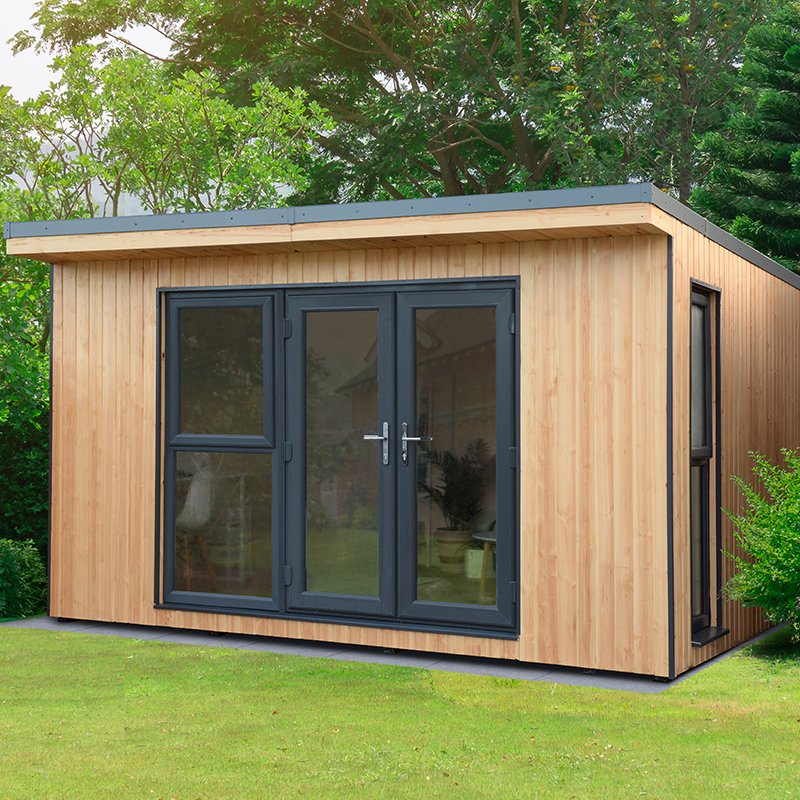
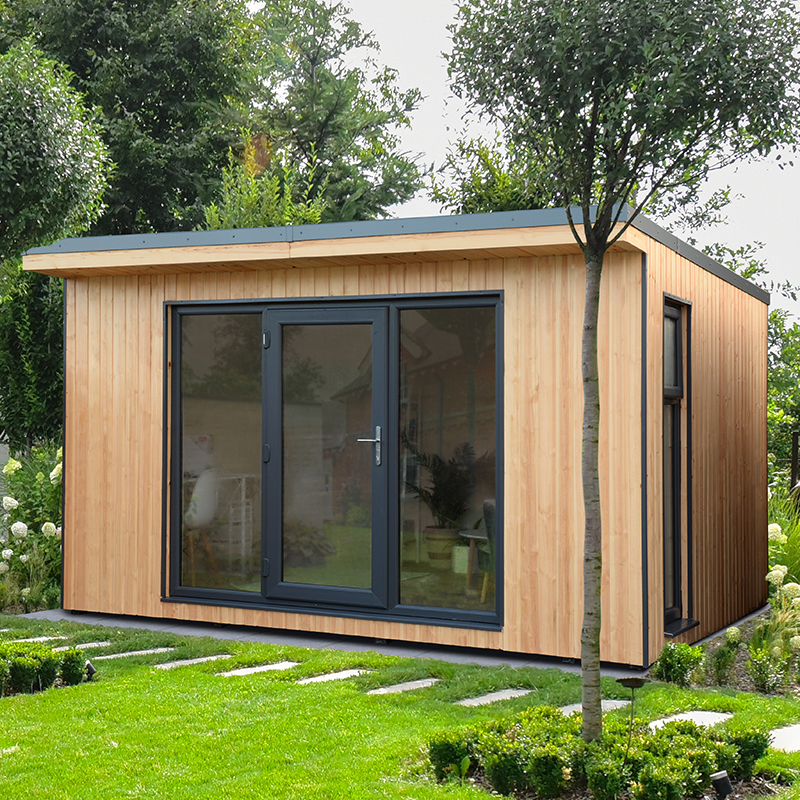
Different timber looks can alter the mood of the whole build. A cladding style with clean horizontal lines gives a more contemporary impression, while vertical boarding can feel a bit more traditional and cabin-like. Some buyers prefer a smoother, neater profile, while others want a more obvious wood grain and a warmer, lived-in feel. These are not tiny details; they change how the room sits with landscaping, patio slabs, fencing and planting.
Layouts that suit a 13×11 footprint
One of the strengths of a 13×11 garden room is that it can work in several layouts without needing an oversized plot. A single open-plan room is the easiest option, especially if you want one main purpose such as an office or hobby studio. But the shape also lends itself to simple zoning, where one end holds a desk or workbench and the other side keeps seating, storage or exercise equipment.
For people who want the room to feel more organised, the rectangular footprint helps with furniture placement. A sofa or desk can sit along a long wall without cutting across the centre. Shelving, cupboards and narrow storage units often fit better in this format than in a square room, where everything can feel pushed into the middle. If the room is being used for more than one purpose, this shape gives you a better chance of keeping it neat, which matters more than many people expect.
- Office layout – desk on one long wall, chair space opposite, with a small seating area near the window.
- Studio layout – one side for working, the other for display, tools or materials.
- Leisure layout – compact seating area, wall-mounted media unit and space for a small table.
- Fitness layout – central open floor area with equipment placed around the edges.
Flat roof, apex roof or pent roof?
The roof form makes a bigger difference than people sometimes realise, especially on a 13×11 wooden garden room. A flat roof gives a tidy, modern outline and is often chosen when the aim is to keep the building visually low. It can work well in gardens where height is a concern or where you want a simple, understated shape.
An apex roof, by contrast, adds a more classic garden building feel. The peaked profile can give extra internal height at the centre, which is handy if you prefer a room that feels a bit more open overhead. It also gives the building more of a traditional presence, which some buyers find more fitting in established gardens.
A pent roof is often selected when the room needs a clean lean-to style with a sloping profile. It can look neat and restrained, and it often suits contemporary timber buildings that are intended to sit close to a boundary or under a planning-sensitive height. The choice between these forms is not only visual; it affects how the building reads from the house, the lawn and the patio. That can make a big difference to how integrated the room feels.
Why this size often feels easier to plan
With 13×11 dimensions, many buyers find it easier to work out where things will go before they buy. The room is large enough to justify a thoughtful layout, but small enough to keep the decision-making manageable. You are not dealing with a huge shell that needs a full interior plan from day one. This is useful if the room has a clear purpose, but also if you want it to adapt over time.
Compared with smaller wooden buildings, a 13×11 room gives more breathing space for door position, window placement and furniture. Compared with larger garden rooms, it often needs less compromise on garden use. There is still space for borders, a path, a bin store or a bit of lawn. For a lot of gardens, that is the point: the room becomes an addition, not the entire story.
Different uses, different priorities
Although the size is fixed, the priorities change depending on how the room will be used. A home office version benefits from a balanced window arrangement and a layout that avoids glare on the screen. A creative studio may need a broader clear floor area and more wall space. A garden leisure room tends to focus on comfort and flow, with seating placed to make the most of the view outwards.
That is where the 13×11 format works well: it gives enough room for the building to do something properly, rather than being a token extra space. Buyers often compare it with smaller cabins and notice that the additional width allows a better desk position or a more relaxed seating arrangement. It sounds simple, but once you try fitting real furniture into a smaller room, the difference becomes obvious.
Which timber style suits the look you want?
Not every wooden garden room looks the same, and the timber finish has a strong influence on the result. Some designs emphasise a clean-lined contemporary look, where the boards are arranged to create a sharper profile. Others lean into a more traditional cabin style, with visible timber character and a warmer, more rustic feel. The best choice depends on the house, the garden and what kind of atmosphere you want when you step inside.
A contemporary finish can help the room feel like a proper extension of modern outdoor living. A more classic timber look may suit gardens with softer planting, older fencing or a less formal layout. Neither is better in every case. The difference is in the mood: one is more crisp, the other more natural. That contrast can be useful when you are trying to match the building to the rest of the plot.
Windows and doors that shape the experience
In a wooden garden room 13×11, the windows and doors do more than let in light. They affect how the room feels to use, where the furniture can go and how the space connects to the garden. Wide glazed openings can make the room feel more open and give a better sense of scale. Smaller or more carefully placed windows may suit buyers who want privacy or a more enclosed working atmosphere.
Doors also matter in a practical sense. A single door can keep the layout compact and simple. Wider openings, such as double doors, can create a stronger link between inside and outside, which is useful if the room is intended for social use or if you want a brighter interior. The point is not only style; it is how the building behaves once you start using it day to day.
Subtypes that are worth comparing
There are a few common directions a buyer might take when looking at wooden garden rooms in this size. An open-plan room works for most uses and keeps the interior flexible. A more enclosed work-focused room suits people who need a clear, defined setting. A leisure-focused room often uses glazing and seating to make the space feel more relaxed. Some buyers also look for a room that can handle mixed use, and that is where the 13×11 shape can be handy because it offers enough length to separate one function from another.
- Open-plan room – best for flexible use and changing furniture arrangements.
- Work-focused room – suited to desk use, paperwork and quieter concentration.
- Leisure room – better for seating, games or informal gatherings.
- Multi-use room – helpful when you want one side for work and the other for relaxing.
What makes wooden construction appealing
A timber-built garden room has a different presence from a more rigid, factory-looking structure. Wood brings a natural tone, and that matters in gardens where planting, paving and fencing already create a layered, softer setting. The 13×11 size benefits from that look because the building is prominent enough to matter, but not so huge that the material feels overwhelmed.
There is also something reassuring about a structure that looks like it belongs in a garden setting. Buyers often prefer a wooden garden room when they want the building to feel less like an add-on and more like part of the outdoor space. That can help the whole plot feel more considered. It may sound like a small point, but it is often the thing that makes people choose timber over other materials.
Useful buying tips without the fluff
If you are comparing 13×11 wooden garden rooms, it helps to think in terms of real use rather than just size on paper. Measure the furniture or equipment you want to place inside, then allow for movement around it. Think about where the longest wall will sit in relation to the sun, because that can affect comfort and window choice. Consider whether the room needs to feel open and social, or more enclosed and focused. These decisions shape the final result more than a brochure image ever will.
It is also worth checking how the shape relates to the rest of the garden. A room that fits the boundaries neatly usually looks more settled. A room that is too bulky or oddly placed can make the plot feel tighter than it is. With 13×11, you have enough scope to make a smart choice, but the layout still needs to be thought through. That bit of planning pays off later.
Why buyers keep coming back to this format
The appeal of a wooden garden room 13×11 is practical, but it is also visual. It gives you a proper room, not just a storage box, and it does so in a size that many gardens can actually handle. The shape supports furniture, separate zones and a clear purpose. The timber finish helps the room feel less hard-edged, and the choice of roof, glazing and door style means there is room for personal preference without drifting away from the core idea.
For anyone comparing options, this category is often where the decision starts to feel clearer. The size is specific enough to plan around, the material has a natural presence, and the layout possibilities are broad enough to make the room genuinely useful. Whether you are looking at a work room, a private retreat or a flexible extra space, this format gives you a solid base to build from, without making the garden feel overrun.
- Good for many garden shapes – especially plots where width matters more than depth.
- Easy to zone – useful when one room needs to serve more than one purpose.
- Better scale than very small cabins – less compromise on furniture placement.
- Timber look blends well outdoors – softer than hard-built alternatives.
- Roof and window choices change the feel – so the room can be matched to how you plan to use it.
Wooden garden rooms 13×11 are a strong choice when you want a space that is compact enough to suit the garden, yet generous enough to use properly. The detail is in the shape, the timber style, the roof form and the internal layout, and that is exactly where the best buying decisions are made.
[Sassy_Social_Share]