
wooden garden benches - Best Deals in UK!
Showing 13–24 of 33 results
-
41% OFF: Forest Rosedene Wooden Garden Chair 2′ x 2′ (0.64m x 0.6m) £116.9941%

-
41% OFF: Forest Kuba Curved Wooden Garden Bench 3’11 x 2’5 (1.20m x 0.74m) £109.9941%

-
38% OFF: Forest Rosedene Wooden Garden Table 5′ x 3′ (1.5m x 0.9m) £229.9938%

-
34% OFF: Forest Amalfi Wooden Garden Arbour Seat 6’1 x 2’3 (1.85m x 0.68m) £499.9934%

-
32% OFF: Forest Large Rectangular Wooden Garden Picnic Table 5â11 x 5â3 (1.8m x 1.6m) £201.9932%

-
32% OFF: Forest Refectory Wooden Garden Table 6’x2′ (1.8×0.7m) £249.9932%

-
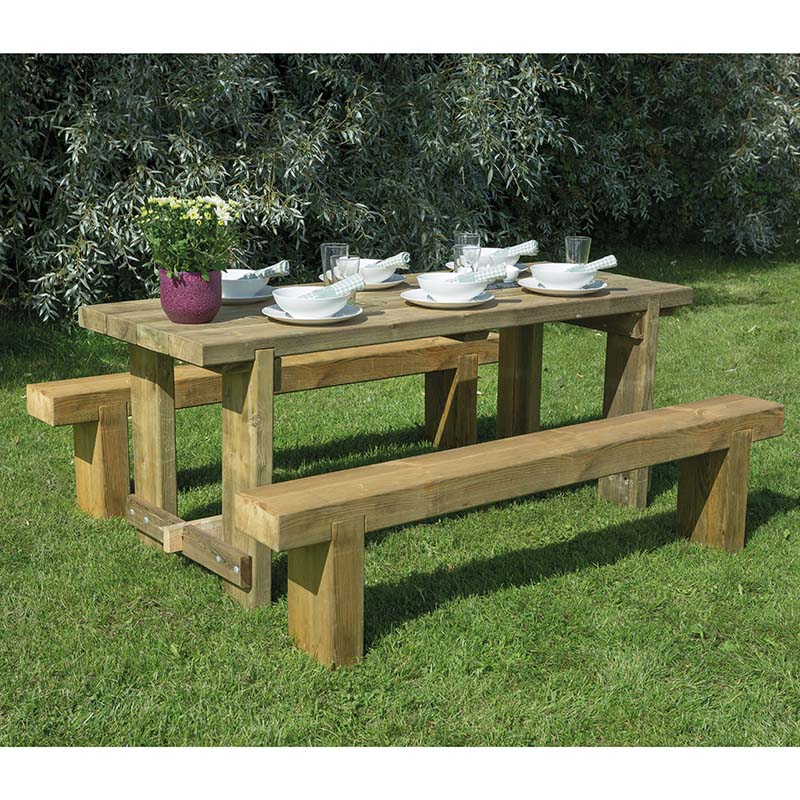
24% OFF: Forest Rosedene Wooden Garden Table and Benches Set 5’5 x 6’2 (1.65m x 1.87m) £669.9924%

-
24% OFF: Forest Rosedene Wooden Garden Table, Benches and Chairs Set 8’9 x 6’2 (2.66m x 1.87m) £949.9924%

-
24% OFF: Forest Kuba Curved Wooden Garden Chair 2’0 x 2’5 (0.60m x 0.74m) £119.9924%

-
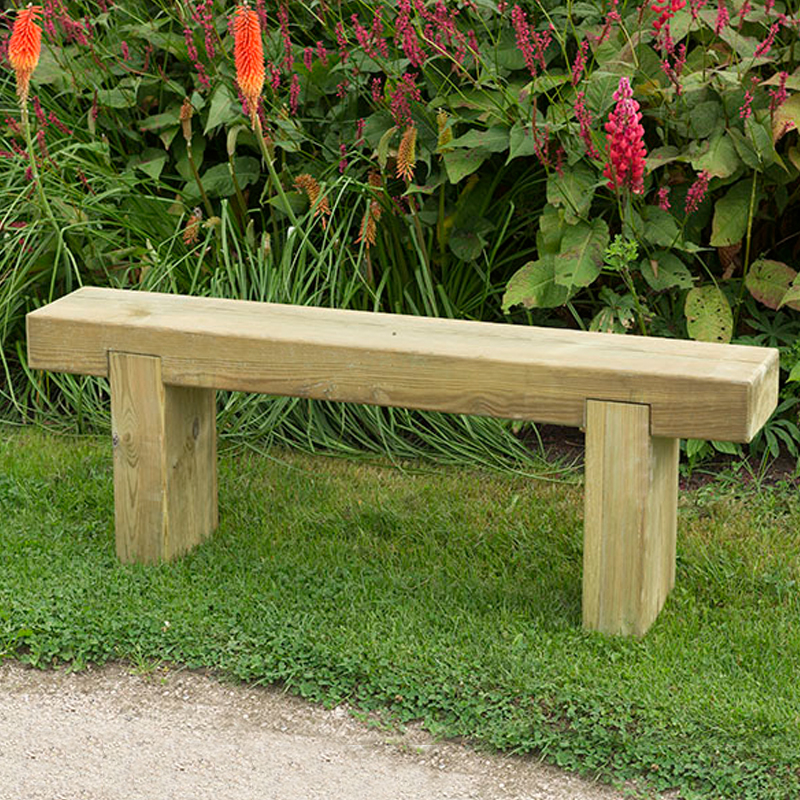
22% OFF: Sleeper Bench with 15-Year Guarantee – Forest Wooden Sleeper Garden Bench 4×1 (1.2×0.2m) £84.9922%

-
21% OFF: 6’9 x 1’9 Forest Modular Wooden Garden Seating Set Number 2 (2.06m x 0.53m) £289.9921%

-
21% OFF: Forest Sleeper Wooden Garden Bench 6’x1′ (1.8×0.2m) £116.9921%

Wooden garden benches bring natural texture, steady comfort and a settled look to outdoor spaces, with styles ranging from classic slats to curved, compact and backless forms for patios, lawns and tucked-away corners.
Why a wooden bench feels right in the garden
A wooden garden bench tends to sit more quietly in a landscape than metal or plastic. The grain, tone and shape of the timber link it to plants, fences and paving, so the seating area feels like part of the garden rather than an added object. That is a big reason many buyers choose wood when they want a bench that looks at home beside a border, under a tree or at the end of a path.
Wood also gives a softer visual weight. A bench can look substantial without seeming harsh, which suits both formal gardens and relaxed outdoor spaces. In a small courtyard, a timber bench can make the area feel warmer and more lived-in. In a larger garden, it can act as a simple focal point without taking over the scene.
The shapes that change the whole feel
Not every wooden bench plays the same role. The shape changes how it looks, how it sits in the space and how many people it suits. Straight benches are the most familiar, with clean lines that work well against walls, hedges and long edges of terraces. They are easy to place and often feel tidy in structured gardens.
Bestseller der Kategorie wooden garden benches
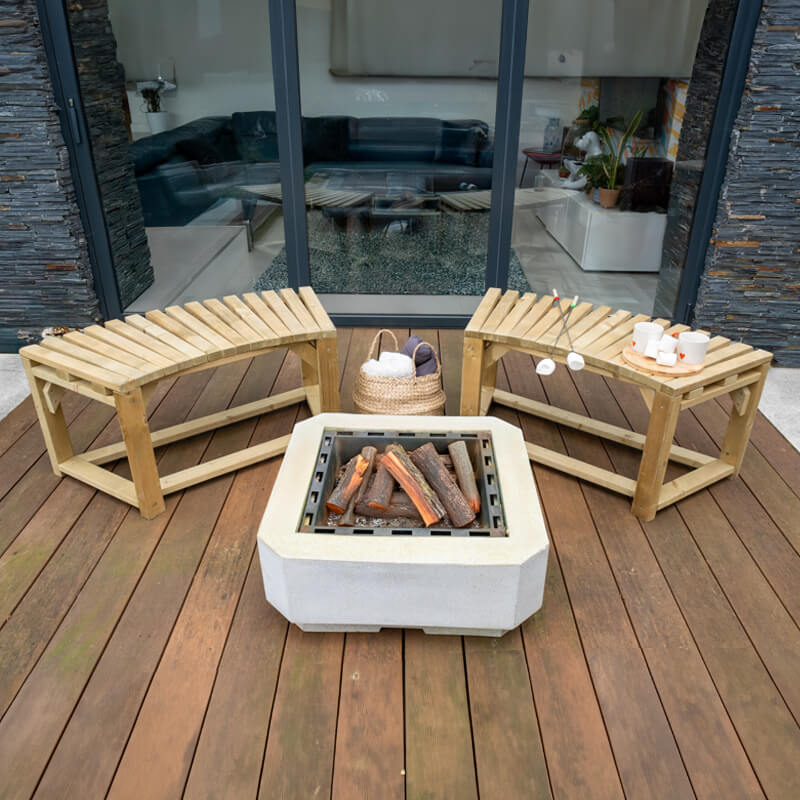
Curved benches soften the scene. They can follow the line of a path, wrap around a planting bed or sit well in a rounder layout. The curve gives a gentler look and can make the bench feel more inviting, though it usually needs a little more room than a standard straight version.
Armless benches feel open and light. They are handy if the space is tight or if you want a more minimal outline. By contrast, benches with arms and a backrest look more settled and defined, often giving the seat a proper furniture-like presence. Some buyers prefer that fuller form because it gives the bench a clearer structure, especially near a dining area or patio.
Backless benches are a different kind of practical. They can be tucked under a table, placed across from a border, or used where people might sit either side. They are less about lounging and more about flexible seating. That difference matters if the bench is meant for quick pauses, extra guests or a narrow spot where a deeper seat would feel too bulky.
Timber types and what they bring to the bench
The character of a wooden bench depends a lot on the timber used. Different woods bring different grain patterns, colours and weights, and those differences can help buyers match the bench to the rest of the garden.
- Teak has a rich, warm tone and a smooth, refined grain. It often gives benches a composed, classic look.
- Oak tends to feel solid and traditional, with more visible grain and a stronger, slightly more rugged character.
- Pine usually has a lighter appearance and can suit casual gardens or softer, more rustic settings.
- Acacia often shows attractive grain movement and a neat, tidy finish that works well in modern outdoor spaces too.
- Eucalyptus can bring a firm, even look, which suits buyers after a clean, natural style.
These woods do not just differ in colour. They also create different impressions. A bench in a darker timber can anchor a space and add depth, while a paler timber may keep a terrace feeling airy. Some benches lean into a rustic style with more obvious grain and knots, while others present a smoother, more fitted appearance. That distinction can matter if the rest of the garden already has a strong style direction.
Styles that suit different garden moods
Classic slatted benches are a familiar choice for a reason. The gaps between slats give the bench a lighter profile and keep the overall look open. This style sits easily in many settings, from cottage-style gardens to more orderly layouts. It is one of the easiest shapes to place without the bench feeling too fussy.
Rustic benches often show more natural character in the timber. The appeal lies in the less polished finish, which can work well in wildlife gardens, planted corners or spaces with stone, bark and informal paths. They bring a slightly more relaxed feel, almost as if the bench has always been there.
Contemporary wooden benches usually favour straighter lines, crisp edges and a reduced amount of detailing. They can suit decking, gravel areas and modern garden rooms. If a buyer wants the bench to blend into a cleaner design, this style often makes the easiest fit.
Traditional park-style benches offer a familiar silhouette, often with a shaped back, arms and a balanced seat. They carry a more established look and can bring a sense of order to lawns, driveways or front gardens. The style feels reassuring and recognisable, which is part of its appeal.
Backless timber benches sit in a more understated category. They are useful where the bench needs to serve as flexible seating rather than a fixed spot. They can be placed in front of planting, near a table or along a terrace edge without interrupting the view.
Comfort and seating feel: what changes in use
When people compare wooden benches, they often focus on appearance first, but the seat depth, back angle and arm style matter just as much. A deeper seat can feel more relaxed, while a shallower bench may encourage a more upright position. This can be ideal for short rests or social seating where people are likely to come and go.
Benches with a shaped backrest usually feel more supportive than very plain designs. Some have gently curved backs that follow the body in a subtle way, while others stay straight for a more formal sitting position. Arms also make a difference: they help define the sitting space and can make the bench feel more finished, though they may reduce the sense of openness.
If the bench is meant for a quiet reading corner, a model with a firmer back and armrests may suit better. If it is going beside a table, a cleaner, more compact form might be easier to use. These small differences can change how naturally the bench fits into everyday life outdoors.
Where each bench type tends to work best
A straight wooden bench is often the easiest choice for patios, walls and fences, because it uses space efficiently. It can sit neatly without interfering with footpaths or planting. A curved bench works better when the layout has movement, such as around a circular bed, beneath a tree or beside a rounded lawn edge.
Backless benches fit well in narrow spaces, at the foot of a garden table or in areas where the bench needs to be approached from different sides. In contrast, a bench with arms and a back suits a dedicated sitting area where the bench is intended to be a proper resting spot rather than a passing perch.
For a front garden, a timber bench can add a welcoming note without feeling showy. In a rear garden, it may work as a hidden retreat, especially when set against planting or positioned to catch a specific view. Near decking, wood often feels especially natural, as the materials speak the same visual language. That harmony is useful when a buyer wants the seating to feel planned rather than added later.
Why buyers keep choosing wood over other materials
One of the main advantages of wooden garden benches is the way they balance form and feel. Wood can look relaxed, formal, rustic or refined, depending on the cut and finish. That range means there is usually a timber style that fits the garden, rather than forcing the garden to change for the bench.
Compared with metal, wood often reads as warmer and less severe. Compared with plastic, it tends to feel more grounded and more in tune with natural planting. It also has a tactile quality that people notice when they sit down. The surface, grain and edges can all make the bench feel more considered.
Another practical point is that timber benches come in many proportions. Some are compact and suited to small spaces, while others are wide enough for two or three people without looking bulky. This variety is useful for buyers who want seating that matches both the size of the garden and the way it is used.
Little details that make a big difference
Small design choices can change how a wooden bench appears and functions. A bench with wide slats usually looks bolder and more open, while narrower slats can feel more detailed and classic. The spacing between slats also alters the overall impression: tighter spacing tends to look more solid, while wider gaps create a lighter feel.
The edge profile matters too. Rounded edges can soften the bench and make it feel gentler in use, while sharper lines create a neater, more architectural look. Leg style is another quiet detail. Solid legs may give the bench a grounded presence, whereas slimmer supports can make it look less heavy in the space.
Some benches have a distinctly handcrafted feel, with visible join lines and a more natural finish. Others are cleaner and more uniform. Neither is better in every case; it depends on whether the buyer wants the bench to look like a rustic garden feature or a more polished piece of outdoor furniture.
Choosing by garden layout instead of by habit
It helps to think about the bench in relation to the garden shape. In a long, narrow space, a slim straight bench can keep movement easy and stop the area from feeling crowded. In a square or circular layout, a curved or framed design may work better because it echoes the geometry of the space.
If the garden already has strong features such as a stone wall, a pergola or raised beds, a bench in a simpler wood style can balance the scene without adding too much visual noise. If the garden is soft and planting-led, a more textured timber bench can reinforce that natural mood. In other words, the bench should answer the space rather than fight it.
What to look at before deciding
Before buying, it is worth thinking about a few specific points: seat width, overall depth, back height, armrests and the amount of space around the bench. These measurements shape how the bench fits visually and physically. A bench can look fine in a photo but still feel awkward if it is too deep for the available corner or too tall beneath a window.
Also consider whether the bench should blend in or stand out. A pale timber bench can disappear into planting more easily, while a darker or heavier-looking piece creates a stronger visual stop. Neither approach is wrong. It depends on whether the goal is quiet support for the garden or a clear seating feature that draws the eye.
For many buyers, the best choice is the one that feels easy to place, easy to read and easy to use. That is the real appeal of a good wooden garden bench: it solves a seating need while adding shape, texture and a calm sense of order to the outdoor space.
A bench that does more than just give a seat
A wooden bench can define a view, frame a planting area and give the garden a natural pause point. It can be practical seating for guests or simply a place to sit with a cup of tea and look out across the lawn. The right form, timber and style can make that small everyday moment feel more intentional.
For buyers comparing wooden garden benches, the choice often comes down to the relation between material, shape and setting. Straight or curved, backless or armed, rustic or refined, each version offers a slightly different way to use the garden. That variety makes wooden benches such a useful category: there is room for many tastes, many layouts and many kinds of outdoor life.
[Sassy_Social_Share]