
Summerhouses under £700 - Best Deals in UK!
Showing all 7 results
-
29% OFF: 8′ x 6′ Forest 4Life 25yr Guarantee Double Door Pent Summer House (2.52m x 2.05m) £669.9929%

-
27% OFF: 7′ x 5′ Forest Beckwood 25yr Guarantee Double Door Pent Summer House (2.26m x 1.7m) £659.9927%

-
25% OFF: 8′ x 6′ Forest 4Life 25yr Guarantee Double Door Reverse Apex Summer House (2.42m x 1.99m) £669.9925%

-
23% OFF: 7′ x 5′ Forest Beckwood 25yr Guarantee Double Door Apex Summer House (2.28m x 1.53m) £659.9923%

-
22% OFF: 8′ x 6′ Forest 4Life 25yr Guarantee Double Door Apex Summer House – 5 Windows (2.42m x 1.99m) £684.9922%

-
19% OFF: 7×5 Shire Lumley Traditional Wooden Summer House £669.9919%

-
17% OFF: 6’7×5’5 Shire Haddon Traditional Wooden Summer House £669.9917%

Summerhouses under £700 offer a practical way to create a garden retreat, storage-free extra room, or hobby space without pushing the budget too far. Compare compact timber designs, corner summerhouses and pent-roof styles for smaller gardens.
Budget-friendly garden rooms with real purpose
If you are looking at summerhouses under £700, you are usually choosing from smaller-footprint buildings that still bring proper character to a garden. This price band tends to suit buyers who want something useful and neat rather than oversized or overly ornate. The appeal is pretty clear: a dedicated space for sitting out of the wind, reading, pottering with a craft project, or simply making the garden feel more finished.
What makes this category worth a closer look is the mix of shapes and layouts available even at this level. You will find square summerhouses, corner summerhouses, octagonal styles, and more simple pent-roof buildings. Each one changes how the structure sits in the garden, how much light it catches, and how it feels from the inside. That means budget does not have to mean boring, and it certaintly does not have to mean one-size-fits-all.
Shapes that change the whole feel
The shape of a summerhouse affects more than looks. A corner summerhouse is often the smart choice for saving space, tucking neatly into an unused angle and opening up the rest of the garden. This can work well in narrower plots or where you do not want the building to dominate the lawn. By contrast, a square or rectangular summerhouse usually feels a bit more straightforward and versatile, with a clearer wall line for placing chairs, shelves, or a small table inside.
Bestseller der Kategorie Summerhouses under £700
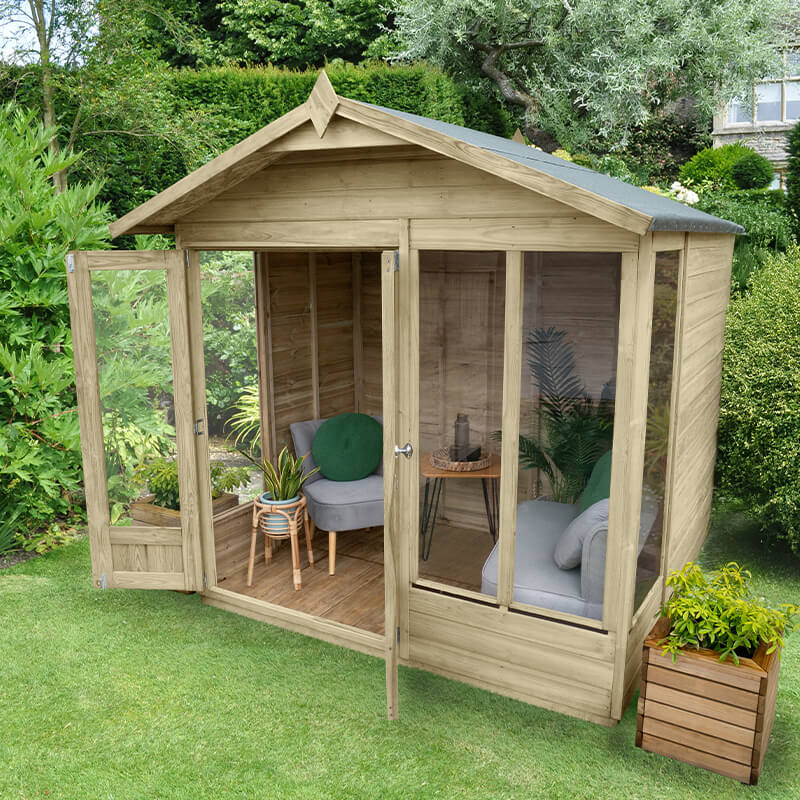
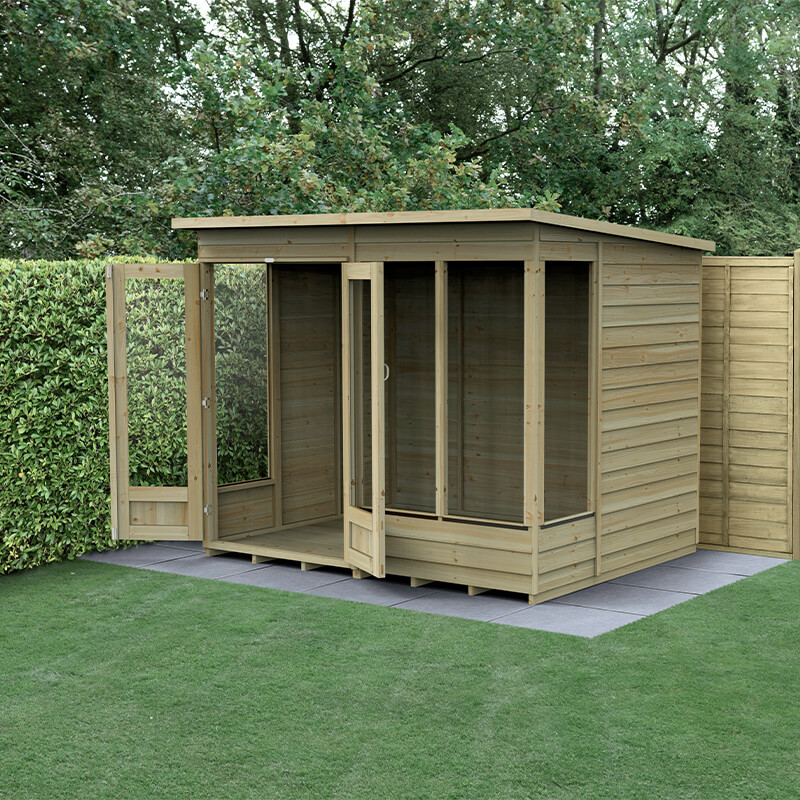
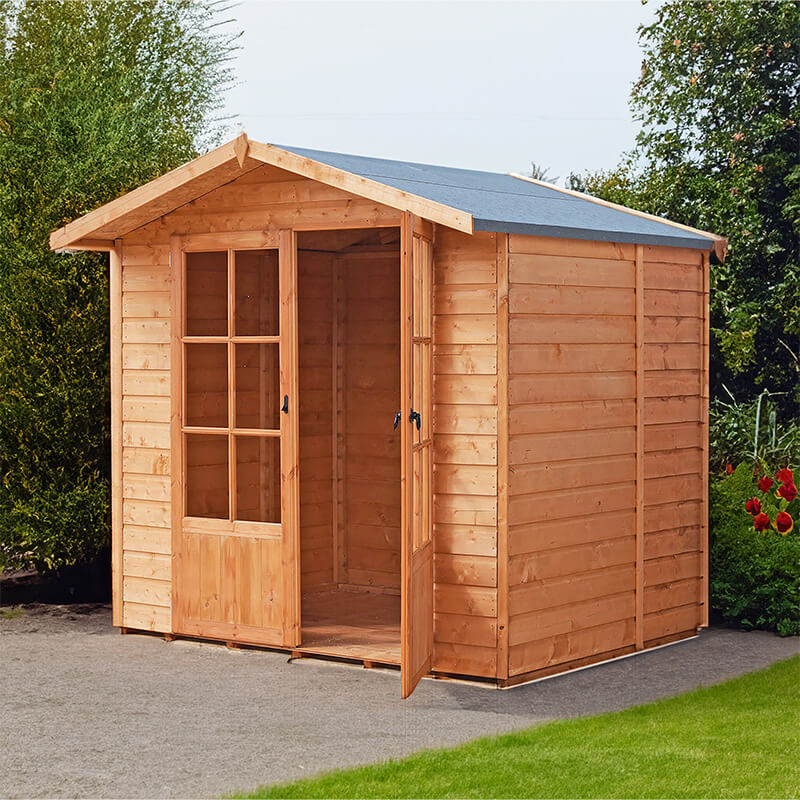
Octagonal summerhouses bring a softer, pavilion-style look and tend to feel more social, because the angled walls create a sense of sitting within a small garden room rather than just a shed with windows. They can be a nice fit if you want the building to act as a focal point. A pent roof design, meanwhile, keeps the silhouette low and tidy, which is useful where you want a less bulky outline or need to stay within a modest garden height.
For buyers comparing options, the main difference is often between space efficiency and visual character. Corner models make use of awkward gaps. Square models are easier to furnish. Octagonal styles look more decorative. Pent-roof versions keep things compact and simple. There is no single correct choice, just whichever shape matches the garden and how you plan to use it.
What you can expect at this price point
Under £700, summerhouses are generally designed with sensible proportions and practical materials rather than heavy decorative extras. You will often see tongue and groove timber cladding or simpler board styles, along with glazed doors and windows that let in light. That matters because a summerhouse is only really enjoyable if it feels bright enough to spend time in, not like a dark box at the far end of the garden.
In this budget range, you may also notice differences in the roof style. Apesed roofs are not the norm here, but single-slope pent roofs and straightforward apex forms are common. An apex roof gives a classic garden-building look and often feels a little more roomy inside due to the central peak. A pent roof can feel more modern and compact, with a clean line that suits small plots and side returns.
Another thing shoppers often compare is the amount of glazing. Some summerhouses lean towards a more closed, cosy feel, while others are built with larger windows and glazed doors for a brighter interior. If you want your summerhouse to work as a place for daytime use, more glazing usually helps. If you want a more sheltered hideaway, a simpler layout with fewer openings may suit you better.
Different uses, different layouts
One of the most useful things about this category is how many jobs a summerhouse can do without needing a big footprint. A smaller model can become a reading nook, a spot for two chairs and a small table, or somewhere to get away from the main house for an hour. A slightly wider design may suit a garden bar area, a craft desk, or a place to store cushions and garden accessories while still leaving room to sit.
For some buyers, the key difference is between a building that feels like an indoor-outdoor lounge and one that works more like a tidy outbuilding with windows. The first approach usually means wider doors, a more open front, and a stronger emphasis on seating. The second puts more value on enclosed wall space and flexibility. Both can be useful, but they answer different needs.
If you are choosing for a family garden, think about who will use it and when. A summerhouse with a more open front can feel sociable and airy. A model with a more enclosed shape can feel calmer and less exposed. That small difference can change whether the building gets used every weekend or ends up as a decorative feature that is admired from the patio.
Small garden? The right size matters a lot
Summerhouses under £700 are often chosen because the garden does not have space for a large building, so size becomes a major point. A smaller summerhouse can still make a strong impact if the proportions are right. In a compact garden, a neatly shaped building can give structure without overwhelming everything else. That is one reason corner summerhouses are so popular in this bracket — they use the edges, not the centre.
There is also a visible difference between a model that feels compact and one that feels cramped. Two summerhouses may have similar external dimensions, but the internal layout can feel very different depending on where the doors sit, how many windows there are, and whether the walls are square or angled. If you want to fit a small bistro set, make sure the opening and wall lengths support that plan rather than just the floor area on paper.
For buyers with a modest garden, a helpful approach is to imagine the summerhouse from outside as much as inside. Will it sit against a fence line? Does it block a view you want to keep? Does it balance with the shed, greenhouse, or trees nearby? These choices matter more than people think, and they can make a budget building feel much more considered.
Glazing, doors and the way light changes the space
One of the most important features in this category is the glazing arrangement. A summerhouse with full or half-glazed doors and matching windows tends to feel lighter and more inviting. That matters because budget garden buildings can sometimes feel enclosed if the windows are too small or placed only on one side. More glass usually means a better sense of openness, though it also changes the style.
Some summerhouses are designed with a front-facing glazed section, which gives a more traditional garden-room look. Others place windows on the sides for a balanced shape and better views across the garden. A model with wider glazing can feel good for entertaining and daytime lounging, while a more modest amount of glass may suit buyers who want a quieter, more enclosed structure.
It is also worth noting the difference between styles that feel almost like miniature pavilions and those that look more like compact cabins. The pavilion-style versions often have symmetrical glazing, which gives a neat, balanced feel. Cabin-like models, by contrast, can appear more solid and practical. Neither is better in every case, but the effect on the atmosphere inside is noticeable.
Why buyers choose this category
There are a few strong reasons people look for summerhouses under £700. The first is simple value: you get a dedicated garden building without stepping into a price range that feels out of reach. The second is flexibility. These smaller and mid-sized summerhouses can suit a range of uses, from quiet sitting space to a hobby room, without requiring a huge amount of ground.
Another reason is style. Even when the build is modest, a summerhouse adds shape and purpose to the garden. It can make an otherwise plain corner feel intentional. That visual lift is one of the main benefits, and it does not rely on fancy extras. A well-proportioned timber summerhouse with decent glazing can do a lot for the whole garden scene, even if the rest of the space is fairly simple.
For anyone comparing a summerhouse to a shed, the difference is obvious in use. A shed is generally about storing things. A summerhouse is about being in the space. The walls, doors and windows are designed to make it feel more like a room. That distinction matters if you want a place to sit rather than just somewhere to keep equipment.
Timber looks, traditional lines and modern edges
Within this price range, most summerhouses are timber-based, and that gives them a natural look that sits nicely in a planted garden. The wood finish can make the building feel softer and less hard-edged than metal or plastic alternatives. Some designs lean into a traditional garden-room style, with sash-like windows and an apex roof. Others go for a cleaner modern line, using simpler forms and a pent roof for a more understated appearance.
The difference between traditional and modern styles is not just about looks. A traditional model often feels more decorative and can suit cottage gardens or lawns with borders. A modern pent-roof style may work better in a more minimal garden, where straight lines and simple geometry already set the tone. If your outdoor space has a clear design language, choosing a summerhouse that echoes it can make the whole garden feel more joined up.
Some buyers also like the way a timber summerhouse ages in appearance over time, although that is more about character than instant effect. The main thing for this category is that the material helps the building look like part of the garden rather than something dropped into it. That is a useful advantage when you want the structure to feel settled in, not temporary.
Useful buying tips without overcomplicating it
When comparing options under £700, it helps to think in practical terms rather than getting distracted by small visual details. First, check whether the footprint suits the space you actually have. A summerhouse that looks compact in pictures can still feel large once it arrives in a real garden. Second, think about the shape of the room you want inside. Do you need a wall for seating, or do you want an opening that creates a more relaxed, gazebo-like feel?
It also helps to consider how the building will be approached from the house. If you want an easy walk from the patio, a front-facing model may make more sense. If the summerhouse is going at the end of the garden, a corner design could be more efficient and less visually heavy. These are small things, but they often decide whether the space is used regularly or just admired now and then.
Another point is balance. A small garden can cope with a charming structure, but too much bulk can make it feel crowded. In that case, choosing a lighter-looking shape with more glazing and a neater roofline can help. If the garden is larger, you may be able to go for a model with stronger presence. The point is to match the summerhouse to the setting, not just the price tag.
What makes this range attractive to practical shoppers
Shoppers looking at this category are often trying to make a sensible purchase that still brings a bit of pleasure. A summerhouse under £700 can do that nicely. It gives you a defined place to sit, gather, or work, while still leaving room in the budget for other parts of the garden. That can be especially useful if you are furnishing an outdoor space bit by bit rather than all at once.
The variety of styles, roof shapes and glazing layouts means there is usually something to suit different tastes. If you prefer a clean, compact look, a pent-roof summerhouse can fit the bill. If you want a more classic feel, apex and octagonal styles bring a bit more charm. If your main concern is using space well, a corner model can feel like a clever choice rather than a compromise.
It is also worth saying that a good budget summerhouse does not need to look like a budget buy. The right proportions, decent window placement and a shape that suits the garden can make it feel thoughtful and attractive. That is often what nudges buyers from browsing to buying — the sense that a small building could genuinely change how the garden is used.
Choosing the one that fits your garden life
In the end, summerhouses under £700 are about finding the right balance between size, shape and how you want to use the space. Some people want a tucked-away corner retreat. Others want a bright little room that catches the sun and opens the garden up. Some prefer the classic symmetry of an apex design, while others go for the low profile of a pent roof. Each version has its own appeal, and the differences are more meaningful than they first seem.
If you are choosing now, focus on the features that change the day-to-day experience: corner placement, window layout, door style, roof shape and the overall footprint. These details decide whether the summerhouse feels like a natural extension of the garden or just another item placed in it. When those parts line up well, even a modestly priced model can feel like a smart addition.
- Corner summerhouses suit tight gardens and help free up central space.
- Square and rectangular styles are easier to furnish and feel more straightforward inside.
- Octagonal designs bring a pavilion feel and work well as a focal point.
- Pent-roof summerhouses keep a neat, low profile and often suit smaller plots.
- More glazing creates a lighter, more open interior.
- Enclosed layouts feel quieter and more private.
- Traditional apex forms give a classic garden-room look.
- Simple timber finishes sit naturally among planting and lawns.
For buyers who want a garden building that feels useful without feeling overdone, this category gives plenty of choice. The best option is usually the one that fits the shape of the garden, the way the space will be used, and the style you already enjoy looking at every day. That is often the difference between a summerhouse you merely own and one you actually use.
[Sassy_Social_Share]