
Sheds under £900 - Best Deals in UK!
Showing 13–24 of 38 results
-
19% OFF: 8′ x 6′ Forest Timberdale 25yr Guarantee Tongue & Groove Pressure Treated Reverse Apex Shed (2.46m x 2.03m) £899.9919%

-
19% OFF: 8′ x 6′ Forest Timberdale 25yr Guarantee Tongue & Groove Pressure Treated Windowless Reverse Apex Shed (2.46m x 2.03m) £854.9919%

-
19% OFF: 8′ x 6′ Forest Timberdale 25yr Guarantee Tongue & Groove Pressure Treated Windowless Double Door Reverse Apex Shed (2.46m x 2.03m) £890.9919%

-
19% OFF: 7′ x 5′ Forest Timberdale 25yr Guarantee Tongue & Groove Pressure Treated Reverse Apex Shed (2.33m x 1.58m) £850.4919%

-
19% OFF: 7′ x 5′ Forest Timberdale 25yr Guarantee Tongue & Groove Pressure Treated Windowless Reverse Apex Shed (2.33m x 1.58m) £809.9919%

-
19% OFF: 7′ x 5′ Forest Timberdale 25yr Guarantee Tongue & Groove Pressure Treated Double Door Pent Shed (2.24m x 1.67m) £863.9919%

-
19% OFF: 8′ x 6′ Forest Timberdale 25yr Guarantee Tongue & Groove Pressure Treated Apex Shed (2.46m x 2.03m) £890.9919%

-
19% OFF: 7′ x 5′ Forest Timberdale 25yr Guarantee Tongue & Groove Pressure Treated Windowless Double Door Pent Shed (2.24m x 1.67m) £823.4919%

-
18% OFF: 7′ x 7′ Shire Premium Pressure Treated Wooden Corner Garden Shed (2.07m x 2.16m) £814.9918%

-
18% OFF: 8′ x 8′ Shire Premium Pressure Treated Wooden Corner Garden Shed (2.25m x 2.33m) £889.9918%

-
17% OFF: Shire Shiplap Corner Shed 8’x8′ (2.33m x 2.33m) £829.9917%

-
14% OFF: 6′ x 4′ Traditional Shiplap Apex Security Wooden Garden Shed (1.83m x 1.22m) £879.9914%

Sheds under £900 cover compact storage, tidy garden workspaces and no-fuss outdoor rooms in a range of timber, metal and plastic styles, with practical sizes, roof shapes and door options for different gardens.
Why this price band makes sense for real gardens
When a shed needs to do a proper job without pushing the budget too far, sheds under £900 sit in a very useful middle ground. You are not just looking at a box for old tools; you are looking at a structure that can free up the garage, keep bikes out of the rain, and stop the lawnmower taking over the patio. In this bracket, buyers often find a better balance between space, build quality and visual appeal than they do at the very bottom of the market.
The sweet spot is often about choosing the right type for the job, rather than chasing a huge size or fancy extra bits you may never use. A smaller shed with the right shape and layout can feel more useful than a larger one that is awkward to enter. That is the key difference with this price range: you can still be choosy. You do not need to settle for the first basic option that shows up.
Timber, metal or plastic: three very different feels
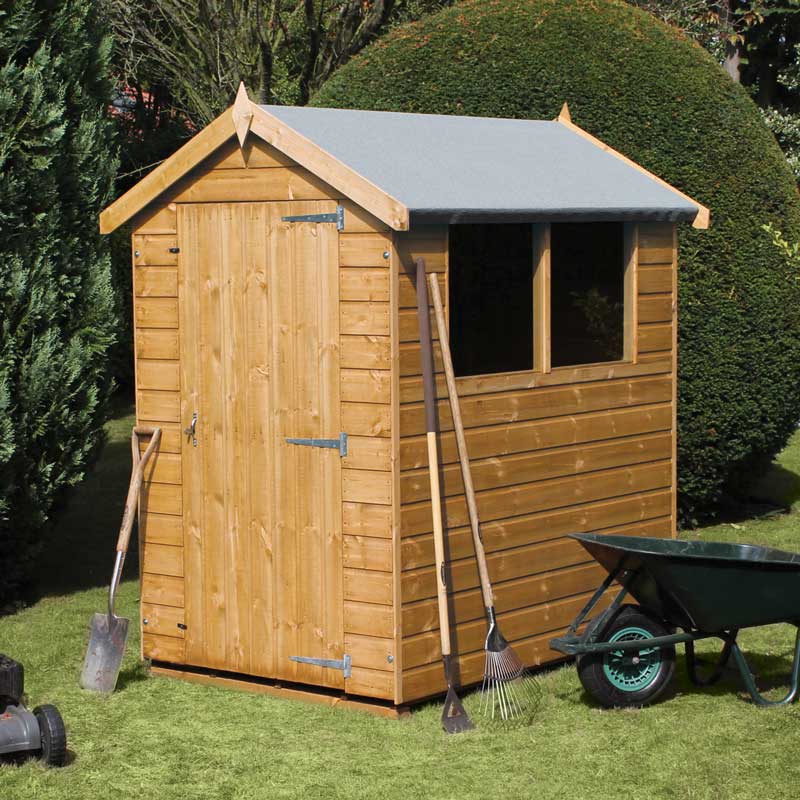
Timber sheds tend to be the go-to choice for people who want a more natural look in the garden. They usually blend in well with planting, fences and decking, and they can feel less harsh than shiny metal or moulded resin. In the under-£900 range, timber often gives you the most variety in style, from simple apex buildings to more traditional, cottage-like designs. The trade-off is that timber sheds can vary a lot in panel thickness, framing and finish, so it pays to look closely at the spec rather than just the picture.
Bestseller der Kategorie Sheds under £900
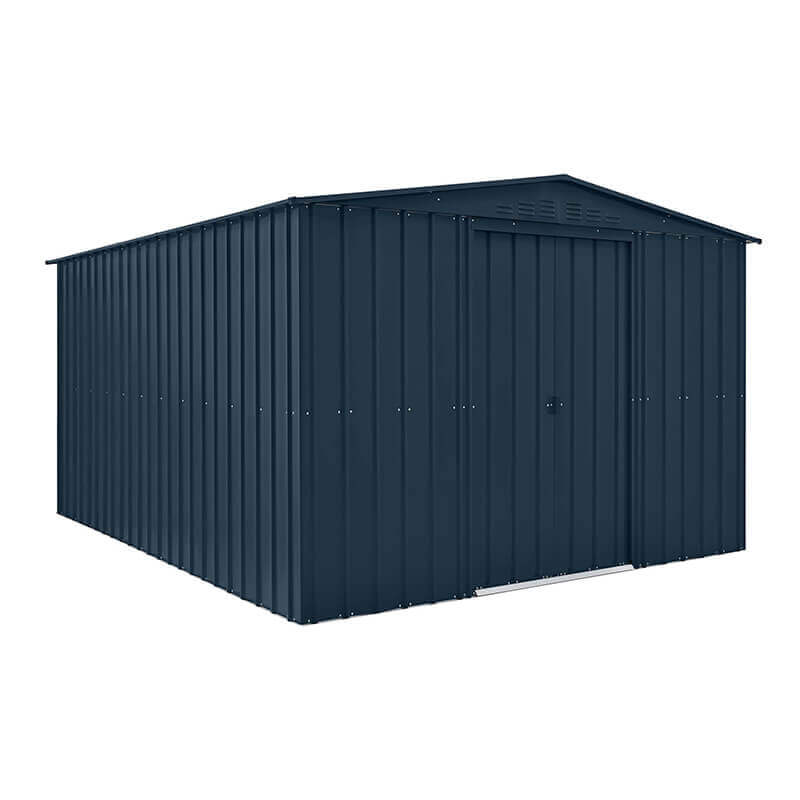

Metal sheds are often chosen for straightforward storage. They can suit narrower spaces, and their clean lines work well when you want a more practical look. They are typically associated with crisp edges, easy-to-spot dimensions and a no-nonsense layout. For buyers who need a place for long-handled tools, gardening gear or bulkier storage boxes, metal can feel sensible and direct. The downside, for some, is that they can feel less warm visually, so they suit certain gardens better than others.
Plastic or resin sheds often appeal to those wanting a lighter-looking option with less visual fuss. They can be useful where you want something that feels neat and tidy, with less of the rustic character of timber. In this budget range, plastic sheds are often about simple storage and clean lines. They may not have the same traditional charm as wood, but they do suit modern outdoor spaces, especially smaller yards or more structured gardens.
Shapes that change how a shed actually works
One of the easiest ways to narrow down sheds under £900 is by shape. It sounds simple, but roof design and footprint can make a real difference to everyday use. A shed is not only about what fits inside; it is also about how it feels when you walk up to it, open the doors and move things around.
- Apex sheds have a pitched roof and a familiar outline. They often give a more traditional garden look and can feel roomy in the middle.
- Lean-to sheds are useful where space is tight, especially along a boundary wall or fence. Their lower profile can make them fit neatly into awkward spots.
- Corner sheds work well if you want to use an unused angle of the garden. They can be a clever way to keep storage out of the main view.
- Pent sheds have a single-slope roof and a more contemporary feel. They often look tidy in modern gardens and can suit placement against a wall.
The shape changes more than the appearance. It can affect headroom, how rain runs off, where shelves sit, and whether it feels easy to move larger items in and out. A pent roof might look simpler, while an apex design can make the shed feel less cramped inside. For some buyers, that little bit of extra standing space matters more than an extra square foot on paper.
Small, medium or just enough: sizes that fit the job
In this category, size is often the first real decision. A compact shed can be right for hand tools, compost bags, a watering can, and a few boxes. A medium shed may suit a mower, bicycle storage and garden furniture cushions. Larger options under £900 can still be practical, but the exact dimensions matter more when the budget has a ceiling. You often need to decide whether you want floor space, wall height, or a little bit of both.
It can help to think about how the shed will be used on busy days, not just at the start. If you are storing bulky items, the entrance width becomes important. If you plan to stack things, the internal height matters. A shed that looks fine on a listing can feel a bit tight once you add boxes, rakes, a bench and all the random bits that somehow breed in a garage. So it is worth checking whether the layout suits your stuff, not just the total measurements.
Single doors, double doors and the difference they make
Door style is one of those details people often overlook, then notice the first time they try to get something awkwardly shaped inside. A single-door shed can be fine for general storage and slimmer gardens where access space is limited. It usually gives a neat face and can work well when the contents are mainly hand tools, smaller garden items and stackable boxes.
Double doors make life easier when you need to move larger items, such as bikes, wheelbarrows, outdoor furniture, or mower-sized equipment. They also make the shed feel more open. Even if you do not think you need them right now, double doors can be worth it if you know the shed may change job later. That is a common thing, actually; people buy for storage and end up wanting a little workshop space too.
Some sheds in this budget may also have a wider opening with a more practical frame layout, which can be useful if the interior is not huge. When comparing options, it is not only the door width that counts, but how smoothly the opening works with the surrounding structure. A generous opening can make a smaller shed behave like a bigger one.
Windows, light and whether you want to see what you are doing
Window options can change how a shed feels from the inside. A shed with windows may be better if you want to use it as a garden potting area, a hobby space, or simply a place where you can find tools without switching on a torch. Natural light makes a shed feel less closed-in, and for some buyers that is a major selling point.
On the other hand, some people prefer a more private storage shed with fewer openings. That can be useful when the contents are valuable or simply messy. In the under-£900 bracket, you will often see a mix of fully enclosed and partly glazed styles. The right choice depends on whether you want visibility, privacy or a bit of both.
It is also worth noting the style difference. Smaller window panels can keep the shed looking compact and functional, while larger glazing can give a lighter, more room-like feel. If the shed will be tucked into a darker corner of the garden, windows can make it easier to use through the year, not just in bright weather.
Budget-friendly does not have to mean plain
There is a big difference between basic and thoughtful. Sheds under £900 can still offer useful touches that improve daily use without straying into overdone territory. Things like sensible door placement, a practical roof shape, enough wall height for shelves, and a footprint that matches common garden items can make a shed feel well judged.
Buyers often look at the external style first, but the inside layout is what decides whether the shed is easy to live with. A tidy internal frame, sensible corner space and a shape that avoids dead areas can matter more than decorative details. If you are storing lots of smaller bits, it helps when the walls give you room for organisers or hooks. If you are storing larger pieces, you want fewer awkward angles and a straightforward route in and out.
What each shed type suits best
Different shed types under this budget tend to suit different uses, and that makes comparison easier once you know what matters to you.
- Traditional timber apex sheds often suit mixed storage, classic gardens and buyers who want a softer look.
- Compact pent sheds can work well for side returns, terraced gardens and modern layouts.
- Metal storage sheds are often chosen for straightforward, secure-feeling storage of practical items.
- Plastic sheds can suit lighter storage needs, especially where a clean, low-clutter appearance is important.
- Corner sheds are useful when the garden shape is a bit awkward and you want to use space that might otherwise get wasted.
The difference is not just appearance. It is how each one sits in the garden and how it changes access. A compact design can keep the outdoor area open, while a larger one may reduce trips back and forth because more can be stored in one place. Sometimes the better buy is the shed that quietly solves three problems at once.
Useful buying tips that save regret later
With sheds under £900, the best tip is to match the shed to the items you actually own. Measure the biggest object first, then think about the doorway and turning space inside. People often focus on the floor area and forget the bit where they have to angle a bike or mower through the entrance, which is when regret starts creeping in.
Also, compare the roof style with the space you have around the shed. A low-profile pent shed can be a smarter fit where a tall structure feels too bulky. An apex shape can make a shed feel more familiar and balanced. If the shed will be near a fence, shed, or hedge, it may be worth checking how doors open and whether there is enough room to stand beside them without shuffling sideways like you are in a narrow hallway.
It also helps to think about future use. A storage shed today might become a potting shed later, or a place for sports gear and camping boxes. Choosing a shape with a bit of flexibility can be more useful than chasing the cheapest tag. In this price band, small improvements in layout can make a pretty big difference to how long the shed feels right for you.
The little details that make the shortlist
Once the main type is decided, the finer points are what often separate one shed from another. Look at door width, roof pitch, wall height, window placement and how the structure uses corners. These things sound minor, but they change the whole feel of the shed. A well-proportioned small shed can be more useful than a larger one that feels clumsy.
It is also worth noticing the overall look in relation to the garden. Some buyers want the shed to fade into the background. Others want it to look neat enough to become part of the garden design. Timber often gives the gentler finish, while metal and plastic can look more crisp and practical. None of these is automatically better; it depends on whether the shed is meant to be seen or simply used.
A shed that fits the budget and the garden
The appeal of sheds under £900 is that they offer a workable balance: enough choice to be selective, enough variety to suit different gardens, and enough room in the budget to look beyond the most bare-bones options. Whether you need a compact store, a side-return solution, a classic apex building or a more modern pent design, this category gives you room to choose something that feels considered rather than rushed.
If the right shed is the one that makes the garden feel calmer, tidier and easier to use, then this price range is often where that starts to become possible. The main thing is to match the shape, material and doorway to the job in hand. Get that part right, and the shed stops being just storage and starts doing proper work.
[Sassy_Social_Share]