
Sheds under £800 - Best Deals in UK!
Showing 25–36 of 37 results
-
6% OFF: 10′ x 6′ Forest Beckwood 25yr Guarantee Shiplap Pressure Treated Pent Wooden Shed (3.11m x 2.05m) £779.996%

-
6% OFF: 10′ x 3′ Traditional Shiplap Pent Wooden Garden Tool Storage Shed (3.05m x 0.91m) £799.996%

-
6% OFF: 6’9 x 6’6 Shire Alderney Double Door Wooden Garden Shed (2.05m x 1.98m) £749.996%

-
6% OFF: 5’2 x 3’7 Asgard Flexistore 1511 Metal Shed (1.58m x 1.1m) £713.996%

-
5% OFF: 8′ x 3′ Traditional Shiplap Pent Wooden Garden Tool Storage Shed (2.44m x 0.91m) £729.995%

-
5% OFF: 10′ x 6′ Forest Beckwood 25yr Guarantee Shiplap Pressure Treated Double Door Apex Wooden Shed (3.01m x 1.99m) £739.995%

-
6′ x 4′ Traditional Standard Shiplap Pent Wooden Shed (1.83m x 1.22m) £779.995%

-
10′ x 6′ Forest Beckwood 25yr Guarantee Shiplap Pressure Treated Windowless Double Door Apex Wooden Shed (3.01m x 1.99m) £744.993%

-
10′ x 6′ Forest Beckwood 25yr Guarantee Shiplap Pressure Treated Double Door Reverse Apex Wooden Shed (3.01m x 1.99m) £754.993%

-
10′ x 6′ Forest Beckwood 25yr Guarantee Shiplap Pressure Treated Windowless Double Door Reverse Apex Wooden Shed (3.01m x 1.99m) £749.992%

-
10′ x 6′ Forest Beckwood 25yr Guarantee Shiplap Pressure Treated Double Door Pent Wooden Shed (3.11m x 2.05m) £799.99

-
10′ x 6′ Forest Beckwood 25yr Guarantee Shiplap Pressure Treated Windowless Double Door Pent Wooden Shed (3.11m x 2.05m) £799.99

Sheds under £800 offer a practical way to add storage, workspace, or a tidy garden corner without pushing the budget too far. Compare timber, metal, overlap, apex, pent and tongue & groove sheds for size, strength and style.
Why this price band makes sense for many gardens
When people search for sheds under £800, they are often looking for a balance between cost and proper usefulness. This budget can open the door to a range of shed sizes and finishes that feel much more settled than the flimsy, throwaway end of the market. At this level, you can usually find options that suit garden storage, bike shelter, tool keeping, potting corners or even a small hobby space, depending on the size and specification.
The point is not only price. It is about getting the right mix of space, structure and appearance. A shed in this range may still be modest, but it can look tidy in the garden and do a proper job. That matters if you do not want the outdoor area to feel crowded or temporary. It can also mean fewer compromises on things like door width, wall style, roof shape and internal room.
Timber sheds: the warm, familiar choice
Wooden sheds are often the first thing people think of, and for good reason. They tend to blend naturally into planting and fencing, which helps the garden keep a softer look. In this budget, timber sheds are commonly chosen for their balanced mix of appearance and everyday usefulness. They can suit a wide range of plots, from compact patios to more generous lawns.
Bestseller der Kategorie Sheds under £800
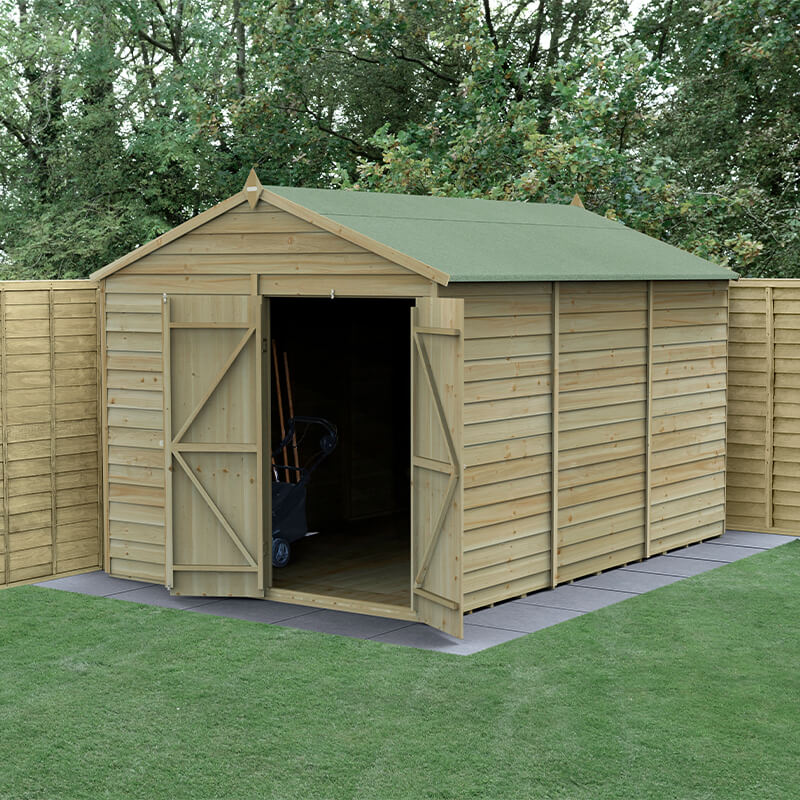

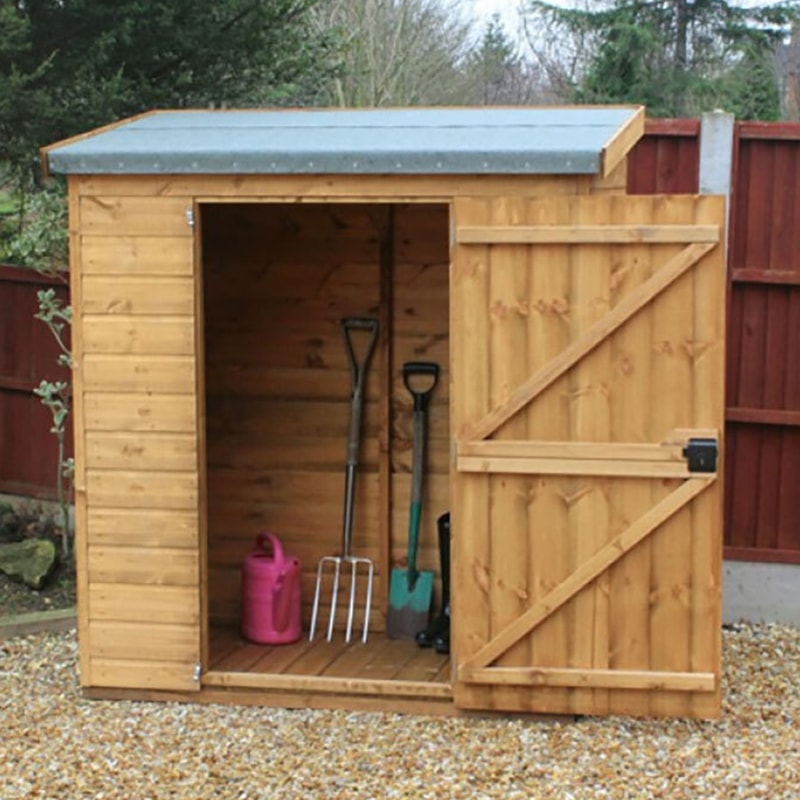
Different timber constructions can feel quite different. A shed with tongue & groove panels usually has a more solid, joined finish than lighter overlap styles. That can matter if you want the shed to feel less rickety when you open the door or move tools around. By contrast, overlap sheds often suit buyers who want a more budget-friendly wooden option and are happy with a simpler look. The visible slatted cladding has a traditional feel, though it may not have the same refined finish as more tightly fitted boards.
Another point is shape. A pent roof timber shed works neatly against a wall or fence, because the roof slopes in one direction and the front can give usable height where it matters. An apex roof gives a classic pitched profile and can create a more balanced look if the shed sits in the centre of the garden. These are not just style choices; they affect where the shed fits, how water runs off, and how the interior headroom feels.
Metal sheds: neat lines and a more utilitarian feel
Metal sheds under £800 appeal to buyers who want a straightforward storage building with a cleaner, more practical appearance. They often have a sharper, more pared-back look than timber and can suit side returns, driveways or narrower outdoor spaces. For some gardens, that slightly industrial style feels useful rather than decorative, and that is exactly the point.
Compared with wood, metal sheds can seem less textured and less warm visually, but they often offer a tidy solution for bikes, garden machines, sacks, boxes and seasonal items. If the aim is to keep clutter out of sight rather than create a feature, the simpler surface and shape can work well. Some buyers also prefer the more uniform panel look because it is easy to match with contemporary fencing or paving.
The difference in shapes still matters here too. A pent metal shed can sit close to a boundary without wasting roof space, while an apex metal shed can give a more traditional silhouette and sometimes a little more room at the ridge. The choice between them comes down to where the shed will stand and what needs to go inside. A tall item, like a push mower or long-handled tools, may steer you towards a layout with better internal height.
Flat-pack ease versus more solid-feeling builds
At this price point, the build style can vary a lot. Some sheds arrive in panels that are designed to be assembled at home with standard tools, while others may feel more substantial once put together because of the way the panels connect. This does not just affect the fitting process. It changes how the shed behaves once it is in place. A tighter panel fit, stronger framing and better door alignment can all make day-to-day use feel smoother.
It is worth looking at frame spacing, wall thickness and door design rather than only the headline size. A shed can look generous on paper but still feel awkward if the doors are narrow or the internal frame steals usable space. On the other hand, a smaller shed with a smart layout can be more practical than a larger one with odd corners and wasted areas. That difference becomes noticeable when you are trying to store ladders, compost bags, paint tins or garden furniture cushions.
Overlap, tongue & groove and shiplap: the cladding differences that matter
Not all timber shed walls are the same, and this is where many buyers begin to spot real differences. Overlap cladding uses boards that sit over one another, making it a common choice for a simpler and more economical shed. It has a classic shed look and can be enough for general storage where the main concern is keeping items out of sight and under cover.
Tongue & groove boards fit together more closely, which tends to create a neater, more joined appearance. Many people choose it when they want a shed that feels a bit more finished and structured. Shiplap sits somewhere between the two in many buyers’ minds, often associated with a cleaner board profile and a more orderly look on the outside. The exact construction will vary, but the important thing is the sense of fit, finish and how the walls look from across the garden.
If you are comparing sheds under £800, these cladding types can help you decide whether you are after something simple and functional or a shed that feels more like a garden feature. That distinction is useful if the shed will be visible from a patio or seating area. A neater wall finish can help the whole space feel more pulled together, even if the shed itself is not large.
Roof shapes that change how the shed sits in the garden
Roof shape is not only a visual detail. It can influence where the shed works best and how easy it is to use. Apex roofs have a central ridge and sloping sides, which gives them a familiar shed profile. Many buyers like them because they feel balanced and can offer decent headroom in the middle. That makes them handy if you want to move around inside rather than just stack boxes along one wall.
Pent roofs slope in one direction and often suit placements against a wall or fence. They can look more contemporary and feel neat in compact gardens where you do not want the structure to dominate. There are also practical reasons to choose one over the other. If the shed will sit low in a narrow side passage, a pent shape may feel less visually heavy. If it stands more openly in the garden, an apex roof may give a friendlier outline.
Size choices that stop the shed feeling cramped
With sheds under £800, size is often about making the best use of available space rather than simply going bigger. A compact shed can be perfect for hand tools, hosepipes, seed trays and smaller garden bits. A mid-sized option may give room for a mower, folding chairs and storage boxes. The trick is to think beyond the first load of items and imagine what may need storing later on too.
It helps to measure the space carefully and think about doors opening fully, not just the external footprint. A shed placed close to a fence can still work well if the door swing and access path are sensible. Likewise, a wider shed may not be the best buy if you cannot comfortably get items in and out. Many purchases go wrong because the interior is not as usable as the outer dimensions suggest. It is a small point, but an important one.
What feels different between a garden store and a hobby shed
Some buyers want a simple storage shed. Others hope to use part of the shed for a small hobby, DIY or potting area. Under £800, that difference matters because the more you ask of the shed, the more attention you need to give to internal space, door size and overall feel. A storage-led shed can be slightly more compact and still work fine. A hobby-friendly shed should feel easier to move around in and a bit less boxy.
Think about whether you need clear wall space, a drier-looking interior, or a layout that lets you stand inside without crouching. The budget may not stretch to fancy extras, but it can still buy a shed that suits a more hands-on use if the shape is sensible. A pent roof against a wall can free up front height, while an apex design can give a bit more central room. These choices matter when you are handling larger items or working with materials.
Features buyers often notice first, and why they are worth checking
- Door width for getting in mowers, tools and storage boxes without a struggle
- Roof style to suit the available space and the look of the garden
- Cladding type for the finish, feel and level of structure
- Window layout if you want more light or prefer a more private store
- Material choice between timber and metal, depending on the look you want
- Footprint so the shed does not crowd paths, borders or seating areas
How the budget influences appearance as well as function
A shed under £800 does not need to look plain or apologetic. Even in this range, you can choose a design that fits the garden rather than fighting against it. Timber can soften a plot with planting and lawn. Metal can keep the area feeling sharper and more orderly. Apex roofs can add a familiar garden-building shape. Pent roofs can keep things low and tidy near boundaries.
The main advantage of this budget is the range of decisions it still gives you. You are not just picking a box. You are choosing how the garden will store things, how much visual weight the structure carries, and how easy it feels to use day after day. That is why small details like double doors, side windows, board style and internal height can matter more than people expect at first glance.
Useful buying tips that keep the choice grounded
Before buying, it helps to make a short list of the items that must fit inside. That way, you can judge whether the shed needs to be taller, wider or easier to walk into. A shed for slim tools is not the same as a shed for bikes or stacked storage. If you know what it must hold, you are less likely to end up with something that looks fine online but feels awkward in person.
Another useful point is to think about the garden setting itself. If the shed will sit in a visible spot, the finish matters more. If it is tucked away behind planting, the priority may be more on access and size. A compact overlap shed may be enough for basic storage, while a tongue & groove timber shed can feel more composed if you want the building to look a bit more considered. For a modern space, a pent metal shed may feel more in step with the rest of the garden.
It is also sensible to compare not only the price, but the practical layout. A cheaper shed that wastes space inside can be less useful than a slightly better arranged one. That does not mean spending for the sake of it. It means noticing the details that make daily use feel easier, like where the door sits, how the roof height changes, and whether the shed leaves enough room to actually reach the things at the back.
Choosing the right look without losing the practical side
People often think a shed is just a shed, but the style can affect how much they enjoy living with it. A well-chosen shed under £800 can help the whole garden feel less cluttered and more intentional. It can also give you a small sense of order, which sounds minor until you no longer have spades leaning against the fence or bags tucked under a bench.
The best choice is usually the one that matches the garden’s shape and the way you use it. If you want a traditional look, timber and apex roofing are worth a close look. If you want a neater outline near a wall, pent roof designs can be more suitable. If low-fuss storage is the goal, metal can make a lot of sense. The differences are not dramatic on paper, but they become clear once the shed is in the garden and being used.
A practical final thought for browsing the category
Sheds under £800 cover a useful middle ground: not too basic, not drifting into costly extras, just enough choice to match the garden and the job. Look at shape, cladding, door access, roof style and material, then narrow things down by what you actually plan to store. That simple approach usually leads to a better fit, and a shed that earns its place rather than just taking it.
[Sassy_Social_Share]