
Sheds under £200 - Best Deals in UK!
Showing all 4 resultsSorted by price: low to high
-
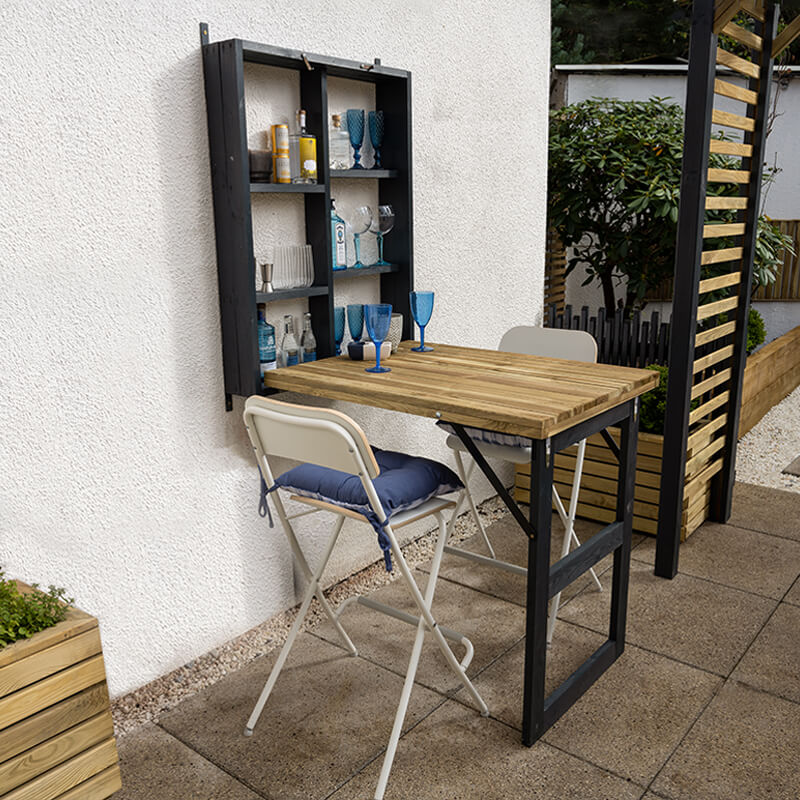
45% OFF: Forest Wooden Fold Down Garden Wall Bar 2’6 x 0’6 £109.9945%
-
20% OFF: 6′ x 4′ Yardmaster Pent Metal Shed (1.98m x 1.19m) £179.9920%

-
40% OFF: 5′ x 3′ Palram Canopia Dark Grey Voyager Shed (1.39m x 0.9m) £184.9940%

-
11% OFF: 5′ x 4′ Yardmaster Pent Metal Shed (1.58m x 1.20m) £189.9911%

Sheds under £200 bring practical garden storage in compact sizes, with wood, metal and plastic options, from slimline bike sheds to tidy tool stores. If you need a simple way to keep equipment out of sight without spending a fortune, this price band gives you plenty of choice in shape, material and footprint.
Popular products in this range
Small budget, real space gain
Choosing a shed under £200 is often about making the most of a modest garden, patio or side return. These sheds are usually aimed at light to medium storage, so they suit items like hand tools, plant pots, compost bags, cushions, kids’ outdoor toys and folded furniture. The appeal is not just the price. It is the way these sheds can turn a messy corner into a proper dedicated storage spot without taking over the whole garden.
In this range, size and shape matter just as much as cost. A small shed can still feel useful if the door opening is wide enough for awkward items. A taller design can make better use of vertical space, while a narrower footprint may fit neatly beside a fence. The trick is to match the shed to what you actually own, not what looks nice in the photo.
What you tend to find in this price range
Sheds under £200 usually come in a few clear material types, and each one brings a different feel and finish:
- Plastic sheds – Often chosen for their neat look and straightforward assembly. They can suit small gardens where a cleaner, modern finish is wanted.
- Metal sheds – Good for a crisp, no-nonsense storage solution. They are often slim and practical, with a tidy profile for smaller plots.
- Timber sheds – Usually the most traditional looking. In this budget, timber can be simpler and more compact, but it gives a warmer garden feel.
- Resin-style storage units – Sometimes seen in compact sizes, offering a smart boxy shape and a lighter look.
Each material changes the overall feel of the garden. Wood blends in well with planting and fencing. Metal looks sharper and more utilitarian. Plastic often has a clean, low-clutter finish that works well in modern outdoor spaces. None is automatically better; it depends on the style you want and the sort of things you plan to store.
Apex, pent or flat top? The roof says a lot
The roof shape makes a bigger difference than many buyers expect. An apex shed has a classic pitched roof with a central ridge. This shape is common because it gives a familiar garden-shed look and can help with head room inside the centre section. It suits people who like a more traditional shape and want the shed to sit neatly as a feature rather than disappear completely.
A pent shed has a single sloping roof. This is a smart choice for placing against a wall or fence, since the low side can face the boundary and the taller side can give you more useable internal height where you need it. Pent sheds often feel a bit more compact and can work well in narrow gardens.
Flat-roof or near-flat designs are less about style and more about a simple boxy footprint. They can be practical for tight spaces, though the storage layout inside can feel more restricted. If you want to stack boxes or fit a tall item, the roof style is worth checking properly, not just glancing at the photo.
Which shed shape suits which garden?
Shape affects how the shed sits in the garden and how easy it is to access. A slimline shed is handy for side returns where every inch counts. It is often chosen for long, narrow runs along a fence. A corner shed uses an awkward angle more efficiently, which can be useful when the main lawn or patio needs to stay open. A square or near-square shed tends to be easier to organise inside, especially if you want to place shelves or stack storage boxes along more than one side.
There is also the simple question of door position. Some sheds under £200 have a single front door, while others use double doors or wide opening panels. Double doors can make it easier to move in a mower, a folded chair or a bulkier garden bag. Single doors can suit narrow layouts and often keep the overall design compact. If the item you want to store is long or slightly awkward, door width becomes a big deal rather quickly.
Storage roles: tool store, bike cover, garden hideaway
Not every shed has to do the same job. In the budget shed category, you will find different types that lean towards different uses:
- Tool sheds – Best for smaller items like spades, forks, hand trowels, pots and plant feed.
- Bike sheds – Often a bit longer or wider, with enough room for one or two cycles and some extra bits.
- Bin stores – Useful where outside bins need a more orderly spot, though sizes vary.
- Compact garden stores – A flexible option for mixed items, especially if you are not storing one big thing.
This is where buyers can save money by being specific. If you only need room for garden tools, a huge structure is often wasteful. If the goal is to keep a bike dry and out of the way, a narrow box store may not be enough. Thinking in terms of the exact item, or items, makes the search far more useful.
Why budget sheds still have plenty going for them
The main benefit of sheds under £200 is obvious: they are easier to fit into a tighter budget. But there are other practical advantages too. Smaller sheds are often simpler to position, especially in gardens where access is a bit awkward. They may need less base space, and that can make a difference if the ground is already being used for seating, pots or a small lawn.
Budget sheds can also be a good choice for people who want storage without committing to a larger structure right away. Maybe you are not sure how much space you need. Maybe you are trying to solve one specific clutter problem. A lower-cost shed can be a sensible first step. And if the garden layout changes later, a smaller shed is generally easier to reposition or replace than a big bulky one.
There is also less pressure to make the shed do everything. At this price, many buyers are happy with straightforward, functional storage rather than a heavy-duty workshop space. That can actually be an advantage, because it helps you focus on the features that matter: door size, internal height, footprint, material and how the shed fits into the garden scene.
Material differences that change the feel
One shed might suit a tucked-away utility corner, while another looks better as part of the wider garden design. Wooden sheds usually feel more natural and can soften hard landscaping. They are a common pick where the garden already uses timber fences, raised beds or rustic features. In this budget, wooden options may be compact and fairly plain, but they still offer a classic look that many buyers prefer.
Metal sheds often look neat and business-like. They can be useful if you want a storage unit that does not draw too much attention. Their angular shape and clean panels can suit modern patios or minimalist outdoor spaces. The difference is in the feel: less cosy, more utilitarian.
Plastic sheds tend to look smooth and tidy, which works well if you want a low-clutter appearance. They can be appealing for smaller gardens because they do not always visually dominate the space. Some people like them because they avoid the traditional “garden shed” look completely. Others prefer the warmer feel of wood. It is a style choice as much as a storage choice, really.
Features worth checking before you click buy
Even in the lower price bracket, there are a few features that make a shed more useful in real life. You do not need a long list of extras, but you do want the basics to fit your needs:
- Door width – Important for moving in wheelie bins, tools, bikes or storage boxes.
- Internal headroom – Helps if you want to stand shelves or taller items inside.
- Footprint – Needs to suit the available patch, not just look neat on screen.
- Window or no window – A window can help with light, though some buyers prefer a more private, closed design.
- Panel layout – Can affect how easy the shed is to assemble and how it feels once built.
- Access position – Front-opening, side-opening or double-door layouts all change usability.
A very small shed with sensible access can be more practical than a slightly larger one that feels fiddly every time you open it. That is one of those things people only notice after delivery, so it is worth checking early.
How buyers use the price to their advantage
When the budget stays below £200, the focus usually shifts to efficiency. That is not a bad thing. It can lead to sharper decisions. You may choose a simpler shape, a lighter material or a more compact size, and still end up with a shed that genuinely solves the storage problem. For many gardens, the right small shed does more good than an oversized one that dominates the view.
Another advantage is that budget sheds can suit a first-time outdoor storage setup. If you are moving into a new home, sorting a shared garden or giving a rented space a bit more order, a cheaper shed can be an easier starting point. You are not overcommitting, and yet you still get the practical benefit of keeping tools and bits out of the weather.
Little choices that make a big difference
Some features sound small but can change the whole experience. A wide opening door can make the shed feel far less cramped. A pent roof can help the shed sit more naturally against a boundary. A taller front panel can make it easier to store stacked boxes. Even the colour matters a bit: a dark shed may blend into planting, while a lighter one can feel more open and less heavy.
If the garden is tight, think about movement around the shed as well as the shed itself. A compact storage unit still needs some space in front of the door. If you cannot easily step in and out with the item you are carrying, the shed might look fine but feel awkward in daily use. That is a common mistake, honestly.
For buyers comparing different styles
The differences between budget sheds are often less about quality “in general” and more about how they are used. A slimline metal shed may be ideal for tidying long-handled tools and gardening accessories. A small timber apex shed may look better in a family garden and offer a more familiar shed shape. A plastic pent shed can feel neat in a contemporary setting and take up less visual space.
Think about how the shed will sit against fences, walls and planting. Think about whether you want it to disappear or stand out a little. Think about what is going inside it. That combination usually points to the best choice more clearly than any generic product label ever could.
Why this category keeps attracting practical shoppers
Sheds under £200 appeal because they give you a defined solution without stretching the budget. They are not about making a huge statement. They are about restoring order to a corner of the garden, protecting useful items and giving everything a proper place. For many households, that is enough to make the outside space feel calmer and easier to use.
The best thing is how varied the category is. There are compact units for quick tidy-ups, longer shapes for bikes and awkward gear, and classic small sheds for everyday garden tools. With the right shape, material and opening style, even a modest shed can feel surprisingly useful. It is less about spending more, and more about picking the one that fits your garden life properly.
A few final checks before choosing
Before ordering, it helps to measure the available space carefully and compare it with the shed’s external size, not just its description. Check whether the shed is better suited to a fence line, a corner or an open spot near the patio. Consider what needs to go inside now, plus one or two things you may add later. A shed that looks compact on paper can feel different once you imagine opening the door with a lawnmower or stack of boxes in hand.
If you want tidy, affordable storage with a clear purpose, this category offers a lot to work with. The range of forms, roof styles and materials means you can choose something that feels right for your space rather than settling for a one-size-fits-all box. And that, for a modest spend, is a pretty useful outcome.