
Sheds 9x5 - Best Deals in UK!
Showing the single result

9×5 sheds offer a practical middle ground for garden storage, workshop use and tidy outdoor organisation, with enough room for tools, bikes and hobby gear without taking over the plot.
Why a 9×5 shed fits so neatly into real gardens
A 9×5 shed sits in that useful space between compact storage and a larger garden building. The footprint gives you around 9ft by 5ft of room to work with, which makes a real difference when you want more than a box for a lawnmower, but do not have space for a bulky structure. This size suits narrow side return areas, long boundaries, and smaller back gardens where every inch counts.
What makes the format so appealing is the balance of storage depth and usable width. A 9×5 layout can take longer items such as rakes, folding ladders, fishing rods, or garden timber, while still leaving a sensible strip for shelving, hooks, and stacked boxes. It is not a squeezed-in shed size, and it does not feel oversized either, so it often works well for buyers who want the shed to blend into the garden rather than dominate it.
The shape of the space: how 9×5 differs from square sheds
Compared with a square shed, a rectangular 9×5 shed often feels more organised because the layout naturally encourages zoning. One end can be kept for larger gear, while the other end is used for everyday bits and pieces. That split is handy if you want to keep plant pots away from bicycles, or lawn tools apart from seasonal decorations. In a square building, storage can become a bit of a jumble; in a 9×5, items tend to line up more cleanly along the longer wall.
Bestseller der Kategorie Sheds 9x5
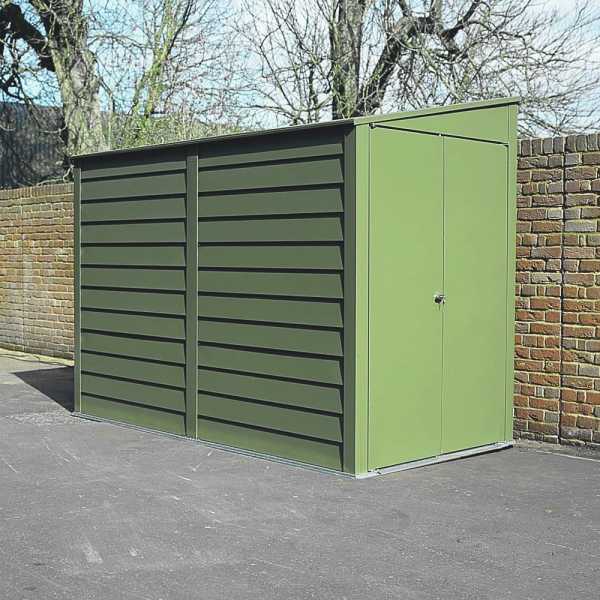
The shape also helps when positioning the shed in the garden. A long, narrow footprint can fit against a fence, along a boundary or in a corner where a wider building would not work. If your outdoor area has an awkward run of unused space, a 9×5 footprint can make that strip genuinely useful instead of just decorative dead space.
Flat apex, pent or tongue-and-groove? The form changes the feel
When people search for 9×5 sheds, they are often not only choosing size, but also shape and construction style. An apex roof gives a traditional pitched look and usually creates a bit more headroom in the middle. That can be useful if you want to stand upright more comfortably or store taller items closer to the centre line.
An apex 9×5 shed often feels more like a classic garden building, which can suit family gardens or more traditional settings. By contrast, a pent roof version has a single slope and a cleaner side profile. This shape can be better for placing against a wall or boundary, and it often gives the shed a more restrained appearance. Some buyers prefer it simply because it sits lower in the garden and does not interrupt sightlines as much.
Overlapping boards, shiplap cladding, and tongue-and-groove panels are also worth comparing, because the wall style affects how the shed feels inside and out. Overlapping cladding has a more rustic look and can be a common choice where character matters. Shiplap has a tidier finish, with boards that interlock to help reduce draughts and create a neater profile. Tongue-and-groove is often associated with a firmer, more structured build, where the boards fit closely together for a cleaner internal surface. None of these options is just about looks; each one changes how the shed comes across as a usable space.
Inside a 9×5 shed: what really fits without feeling crammed
One of the main reasons people choose a 9×5 garden shed is that it can take a broad mix of items without turning into a clutter trap. Garden tools such as spades, forks, shears and hoses can be stored on one side, while larger pieces like wheelbarrows, brooms or a compact mower sit further along the wall. The extra length is especially useful if you want to store items upright rather than laying everything flat and stacking on top.
This size can also work for bikes, though the exact fit depends on the type of bike and how much else you need to store. A 9×5 shed gives more breathing room than many smaller units, so you are less likely to need awkward manoeuvres each time you take a bike out. That matters if the shed is used often rather than just for seasonal overflow.
For buyers with hobbies, the size can suit a modest workshop setup too. A narrow bench along one side, a set of shelves at the back, and clear floor space in the centre can be enough for potting, fixing tools, or keeping DIY supplies in order. It is not about turning the shed into a full workshop; it is about having a practical zone where the usual household overflow does not creep indoors.
Wood, metal or resin? Materials that change the experience
Wooden 9×5 sheds are often chosen for their natural appearance and flexibility. They tend to blend better with planting, fencing and timber decking, so they feel at home in most garden settings. A wooden shed can also suit buyers who want a softer, more traditional look rather than something that feels purely functional.
Metal 9×5 sheds usually appeal where a simple, straightforward storage solution is the goal. They can look more utilitarian, but that is not always a drawback. If the main aim is to store tools, outdoor furniture cushions, or seasonal equipment in a compact footprint, the cleaner internal finish can be useful. Metal structures often have a more angular, crisp appearance, which some people like for a modern garden layout.
Resin sheds offer a different feel again. They often suit buyers who want a low-fuss exterior and a neat, modern profile. In a 9×5 format, resin can be handy if you want the shed to feel simple and tidy from day one. The exact look varies, but resin is usually associated with uniform panels and a more contemporary visual line than timber.
The choice between these materials is not only about taste. It is also about how you want the shed to sit against the rest of the garden. A wooden shed can soften a space, while metal and resin can make it feel more structured and orderly. That difference matters more than people sometimes think, because a shed at this size is still a visible part of the plot.
Single doors, double doors and where access matters
Access is a big part of choosing the right 9×5 shed. A single door works well where the contents are mostly stored in smaller pieces or where space outside the shed is limited. It can keep the front neat and compact, which suits tight garden layouts.
Double doors can make a real difference in a 9×5 footprint, especially if you plan to move larger items in and out often. Bikes, boxy equipment, and wider garden furniture parts are easier to handle when the opening is generous. The wider access also makes the interior feel more practical, because you are not constantly twisting things through a narrow gap.
Some sheds in this size are better for front access, while others make more sense with side-oriented placement. If the shed is going into a long border area, think about which way the doors open and whether there is enough space in front of them. That small decision can change how easy the building is to use day to day.
Headroom, wall height and why dimensions are not just numbers
On paper, all 9×5 sheds share a footprint, but the real experience changes a lot with wall height and roof pitch. A taller wall can make the shed feel less cramped and give you better wall storage options. It is also useful if you want shelves above shoulder height without the whole space feeling closed in.
A more pronounced roof pitch often brings extra internal volume to the centre of the shed. That can be handy for hanging tools, storing taller gear, or just making the building feel less boxy. Meanwhile, a lower profile shed may suit locations where you want the structure to sit quietly under boundary lines or in view of a kitchen window.
These details can seem minor at first, but they shape how the shed will actually be used. A 9×5 shed with clever height is not the same as a flat, compressed store. The footprint stays the same, yet the usable space can feel very different.
What makes this size a sensible buy for mixed storage
A 9×5 garden shed works well for people who have more than one type of storage need. It can hold gardening kit, outdoor toys, sports gear, and household items that do not belong in the loft. That mix is often the real reason people move up to this size: not because they need a huge building, but because they want one place where different bits can live together without chaos.
The size is also a good fit if you want to keep items separated but close. For example, you might keep soil and pots near the door for easy access, tools on a wall rack, and long-handled equipment at the rear. This sort of organisation is easier to achieve in a 9×5 shed than in a smaller unit where everything ends up layered on top of everything else.
For buyers comparing options, the main question is often whether a 9×5 is large enough to solve the problem without feeling oversized. In many gardens, the answer is yes. It gives enough space to make storage feel deliberate, but not so much that the shed becomes the main feature of the whole plot.
Practical details shoppers tend to look for first
When browsing 9×5 sheds, people usually look at a few practical features straight away:
- Door width for moving larger items in and out
- Roof style to match the garden layout and appearance
- Cladding type for the look and internal finish
- Window placement if natural light matters inside
- Wall height for shelving and taller storage
- Material choice to suit the overall garden style
These details matter because a shed is rarely just a place to put things. It becomes part of the way the garden works. A well-chosen 9×5 shed can make daily routines easier, reduce clutter in the house, and give outdoor equipment a proper home instead of leaving it scattered around the patio.
A size that solves the storage question without overdoing it
The strength of the 9×5 shed is its balance. It is large enough to be useful for serious storage, yet compact enough to sit comfortably in many domestic gardens. That makes it a strong choice for buyers who want a building with purpose, but do not want to give over too much of the plot to one structure.
Whether you are comparing apex and pent roofs, weighing up wood against metal or resin, or deciding between single and double doors, the real advantage is flexibility. The 9×5 format can adapt to different uses, different garden shapes, and different styles of home. It gives you room to organise properly, rather than just stashing things where they fit.
For many buyers, that is the point. A good shed should make the garden feel calmer, more ordered, and easier to use. In a 9×5 size, that becomes possible without pushing the space too far. It is a neat, practical solution, and honestly, that is often what people are after.
[Sassy_Social_Share]