
Sheds 9x4 - Best Deals in UK!
Showing all 2 results
-
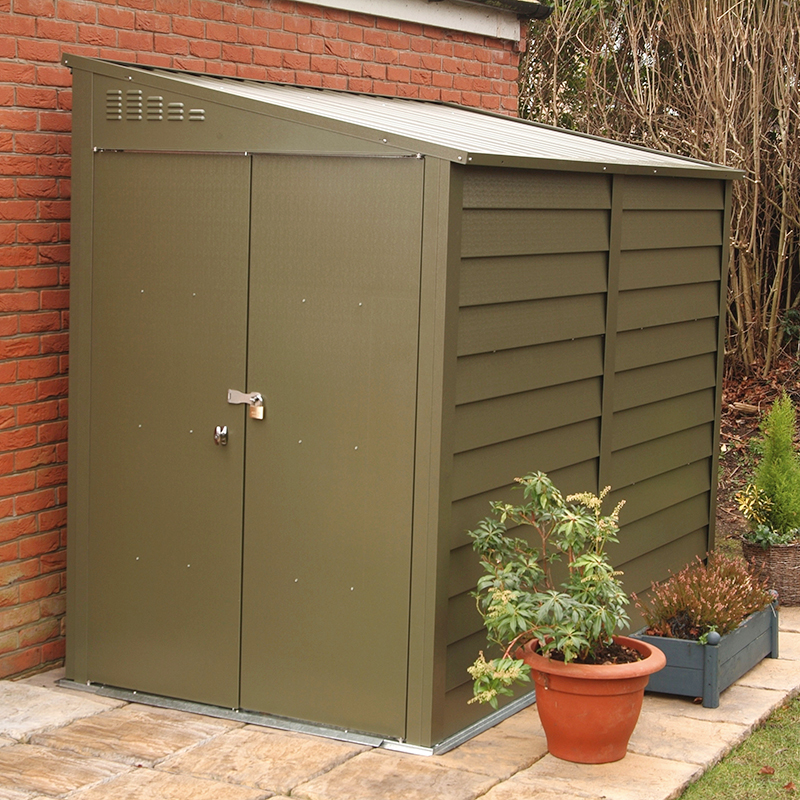
11% OFF: 8’8 x 4’6 Trimetals Titan 940 Premium Pent Metal Shed (2.63m x 1.31m) £1,379.0011%

-
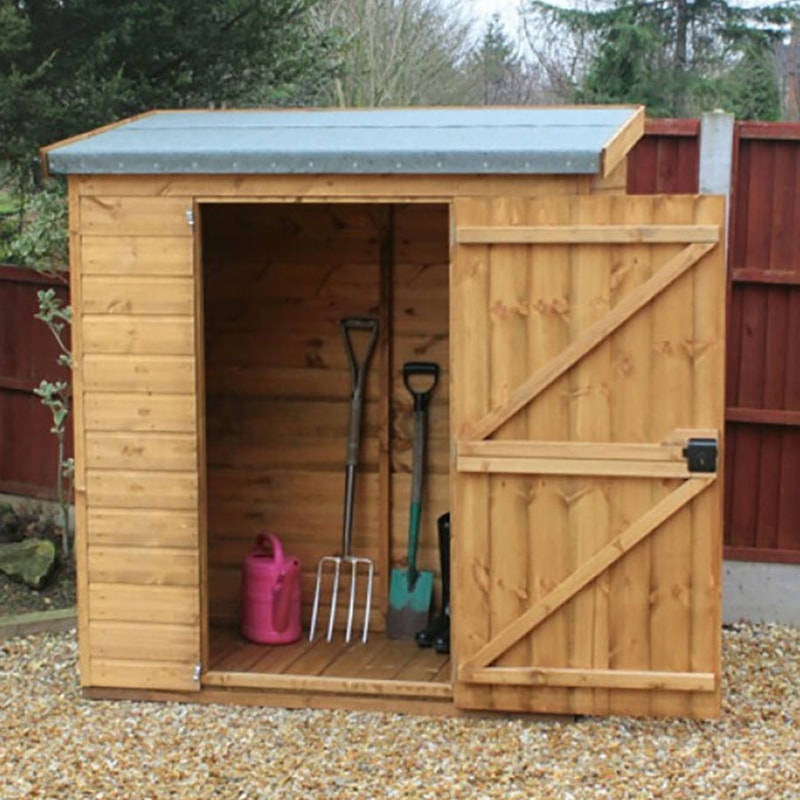
10% OFF: 9′ x 4′ Traditional Shiplap Pent Wooden Garden Tool Storage Shed (2.74m x 1.22m) £799.9910%

9×4 sheds bring together a slim footprint, useful floor space and a layout that suits narrow gardens, side returns and tight spots where a wider shed simply will not fit.
A practical shape that makes awkward spaces work
A 9×4 shed sits in a useful middle ground: long enough to hold tools, bikes, pots and outdoor kit, yet narrow enough to sit neatly along a fence, boundary or wall. The proportions matter here. Instead of taking over a garden corner, this size tends to run with the line of the plot, which can make the whole area feel more organised. For many buyers, that is the main appeal — not just storage, but a layout that makes sense in a real garden, not only on paper.
Because the footprint is elongated, a 9×4 garden shed can work well where access is limited. It may suit a side passage, a long patio edge or a run beside planting beds. The shape also helps separate stored items more naturally: longer items at one end, smaller equipment at the other, with a clear central strip to move through. That difference in organisation is one reason this size gets picked over squarer sheds.
What a 9×4 shed suits, and what it does not
The size is ideal when you need more usable length than a compact shed can offer, but you do not want to commit to a broad building that dominates the garden. It is a sensible choice for garden tools, lawnmowers, hand tools, hosepipes, seed trays, folding furniture, small machinery and general outdoor clutter that needs a home. If the space is being used as a hobby store or a mix of storage and work area, the long shape can help keep things in order.
Bestseller der Kategorie Sheds 9x4
That said, a 9×4 shed is not the same as a large workshop. It gives room, yes, but in a fairly focused way. It can feel organised and efficient rather than open and sprawling. If you are expecting a place for large benches, several bulky items and free movement around all sides, then a wider shed size may suit better. The difference is simple: 9×4 prioritises length, while many other sizes prioritise width or overall volume.
Different forms of 9×4 sheds
Within the 9×4 category, the form of the shed changes how it fits the garden and how easy it is to use. The footprint stays the same, but the style changes the whole feel.
- Gable roof sheds give a familiar pitched profile, with the roof rising to a ridge. This often suits traditional gardens and helps the shed sit visually in line with fencing, borders and other outbuildings.
- Reverse apex sheds place the ridge across the width rather than along the length. This can change how rain runs off and how the front of the shed presents in a narrower space.
- Pent roof sheds keep a lower, sloping roofline. In a 9×4 format, this can be useful where height needs to stay modest, or where a more contemporary look is preferred.
- Corner-style interpretations are less common in a strict 9×4 shape, but some buyers look at how the long narrow form can tuck against two sides of a plot, almost acting like a boundary feature.
The roof form affects more than appearance. It also changes the headroom inside, the visual weight of the building and the way the shed sits beside trees, walls or neighbouring structures. A taller pitch may feel more spacious, while a lower roof can seem less intrusive. Neither is automatically better; it depends on what the shed is meant to do.
Single door, double door, side access: the difference is in daily use
Door layout makes a bigger difference in a 9×4 shed than many people expect. On a narrow building, the opening point affects how easily larger items move in and out. A single door works neatly when the shed is mainly for storage and the contents are smaller. It keeps the front clean and can suit a slim access route.
Double doors are often preferred where bikes, mowers, wheelbarrows or awkward-shaped items need to pass through without a lot of turning. In a 9×4 shed, double doors can make the space feel much easier to use, because the long layout already encourages stacking and lining items up. If the entrance is narrow, moving one big item can become the main frustration, so the door style really matters.
Some layouts also include a side door or side access point. That can be useful when the front faces a path but the side is easier to reach, or when you want a more direct route to frequently used tools. The point is not just opening the shed, but getting to what is inside without having to shift half the contents every time. That small detail can change how the shed feels after a few months of use.
Windowed or plain: choosing light, privacy and purpose
A 9×4 shed can be specified with windows, no windows, or a mix of both depending on what you want from the interior. Windowed sheds bring in natural light, which helps if the shed is used often during the day or if you need to see labels, fixings and small tools without relying on artificial light. In a long narrow shed, windows can also stop the interior from feeling tunnel-like.
Plain sheds without windows offer more privacy and a cleaner exterior wall space. This suits storage-heavy use, especially where the shed sits close to a boundary or faces a less private part of the garden. If the contents are valuable or you simply prefer a more discreet look, the plain form can feel more appropriate. Some buyers like the balance of one windowed side and one plain side, because it gives light without exposing everything inside.
The choice is really about use. If the shed is likely to host regular browsing, sorting or light tasks, windows help. If it is more about enclosed storage, a plain design can feel more contained and less visible from outside.
Why the 9×4 proportion works so well
The 9×4 proportion gives you a distinct internal flow. Rather than a square centre where items can pile up, the shape encourages linear storage. That makes it easier to create zones: garden tools near the door, seasonal items along one side, longer equipment at the back. It can be surprisingly good for staying organised, because the layout nudges you to think in sections rather than one crowded room.
There is also a visual advantage. A long, narrow shed can sit more quietly in the garden than a broad one. It often follows existing edges and does not interrupt sight lines in the same way. For plots that already have raised beds, pathways or a side lawn, this makes the shed feel like part of the garden rather than a box dropped into it.
For some buyers, this proportion also suits the way they actually use outdoor space. Many gardens have one awkward stretch that is hard to furnish but ideal for storage. A 9×4 shed can turn that bit of leftover ground into something useful, which is a sensible use of space rather than wasted room.
Wood, cladding and the feel of the build
When looking at 9×4 sheds, the cladding style can be just as important as the size. Different board profiles change the look, the texture and how substantial the shed feels.
- Overlap cladding gives a more traditional garden-shed look and usually appears slightly less formal. It suits buyers who want a familiar outdoor structure.
- Shiplap cladding has a tighter, neater profile and tends to look more refined. It is often chosen for a cleaner line and a more finished appearance.
- Tongue and groove panels offer a more interlocking board style, which many people prefer for the consistent appearance and solid feel it gives the shed.
These are not just visual differences. They change how the shed presents in a narrow garden, and a 9×4 shape benefits from a cladding style that does not make the building look heavier than it needs to be. A neat board pattern can help a long shed feel orderly rather than stretched out.
How 9×4 sheds compare with other common sizes
Compared with a smaller shed, a 9×4 shed gives noticeably more room to divide up the interior. That means fewer compromises when storing long-handled tools or larger equipment. Compared with wider formats, though, it is more focused. It gives you length first, width second. That is the basic difference, and it shapes the whole buying decision.
A square shed may feel easier to walk around in. A 9×4 shed often feels easier to arrange along a boundary. A larger rectangular shed may be better if you want room for a bench, shelving on both sides or freer movement. The 9×4 option sits in between, especially for people who want storage with a tidy footprint and no over-sized structure taking over a corner of the garden.
If your garden is long and not especially wide, that comparison matters a lot. You are not only buying storage volume; you are choosing how the shed will live in the space. The 9×4 form tends to answer that question well when the available ground is shaped more like a strip than a square.
Useful layout ideas for the inside
The inside of a 9×4 shed can be made to work hard if the layout is planned around the shape. Because one wall is long, it is natural to run shelves, hooks or storage lines along it. That keeps the centre open and stops the narrow width from feeling cramped.
- Long items such as rakes, brooms and edging tools fit best along the back or side wall.
- Bulkier items like wheelbarrows or compact garden machines are easier to place near the door if access is frequent.
- Smaller items can be grouped on shelves or in stackable boxes so they do not disappear into the far end.
- Seasonal storage works well at the back of the shed, where items can stay out of the way until needed.
This is where the shape pays off. A 9×4 shed can make storage feel more deliberate, because each section naturally has a role. Instead of a mixed pile, you get a sequence of zones. That may sound simple, but in daily use it makes a big difference.
Access, siting and where the shed fits best
One of the main reasons people choose a 9×4 shed is siting. The long narrow format is easier to place beside fences, along side access routes or against a wall without blocking the whole garden. It can be a strong option where the plot has a tight run of ground that is too long for planting and too narrow for a seating area.
The best position usually depends on how the garden is used, but the shed’s shape gives flexibility. If the front faces a path, the long side can still stay visually calm. If it sits further back, it can line up with the garden’s structure and look intentional rather than forced. A 9×4 shed also tends to work well where the owner wants storage close to the house without giving up a broad section of usable lawn or patio.
For buyers weighing up options, that sort of placement is often the deciding factor. It is not only about how much the shed stores, but how neatly it fits into the space you already have.
Small details that change how it feels to use
Some of the most important decisions on a 9×4 shed are the ones that affect everyday use rather than the brochure photo. Things like door position, window placement, roof style and wall orientation all shape how easy it is to step inside and find what you need. A narrow shed can feel very efficient if those details are chosen well.
If the door opens onto the longer side, for example, the internal arrangement may feel different from one that opens on the short end. That changes where shelves can go, where you park larger items and how you move around. In other words, the same size can behave in quite different ways depending on the layout.
That is why buyers often look beyond the headline dimension and focus on the format. 9×4 sheds are not just about area; they are about shape, access and how the shed will actually be used after it is in place.
A sensible choice for organised outdoor storage
For anyone wanting a garden building that is neither too small nor too sprawling, the 9×4 shed has a clear appeal. It can handle a fair amount of storage without needing a large patch of garden, and its long profile makes it easier to sort items into useful sections. That combination of space and discipline is what many buyers are after.
It also gives you room to choose between different looks and uses. A pitched roof can feel more traditional, a pent roof more understated. Double doors can make loading easier, while a single door keeps the front compact. Windows can brighten the interior, or you can keep it plain for privacy. Each version keeps the same footprint but changes the way the shed works in the garden.
If you are trying to make the most of a narrow run of ground, or simply want a shed that matches a long side of the plot, a 9×4 format offers a practical answer with enough character to feel like part of the garden rather than an afterthought.
[Sassy_Social_Share]