
Sheds 8x3 - Best Deals in UK!
Showing the single result

8×3 sheds give you a narrow-footprint storage solution for long tools, bikes, bins and garden kit, making the most of tight spaces while keeping access tidy and practical.
Long, Slim and Properly Useful
An 8×3 shed is not about bulk; it is about making a narrow strip of garden work harder. With its long, lean shape, it suits side returns, boundary lines, passageways and those awkward spaces that are often left unused. The footprint is compact in width, yet the extra length gives you more sensible storage than you might expect at first glance. That is the main appeal: storage without swallowing the garden.
For buyers comparing garden buildings, the 8×3 format sits in an interesting middle ground. It is longer than a small square shed, but less intrusive than a broad 8×6 or 10×6. If you need somewhere for long-handled tools, stacked pots, folded furniture, ladders or a push mower, the shape helps. Items can be arranged along the length instead of being piled into a single deep block. That makes it easier to see what is where, which sounds simple, but matters a lot once the shed starts filling up.
Why the Shape Changes Everything
The difference between a square shed and an 8×3 layout is not just the numbers. In a narrower building, movement tends to happen in a straight line, so the interior works best when you think in zones. One end might hold tall items, the middle can take shelves or a work surface, and the far end can store bulkier pieces. This style suits anyone who prefers clear, linear storage instead of a deep catch-all space.
Bestseller der Kategorie Sheds 8x3
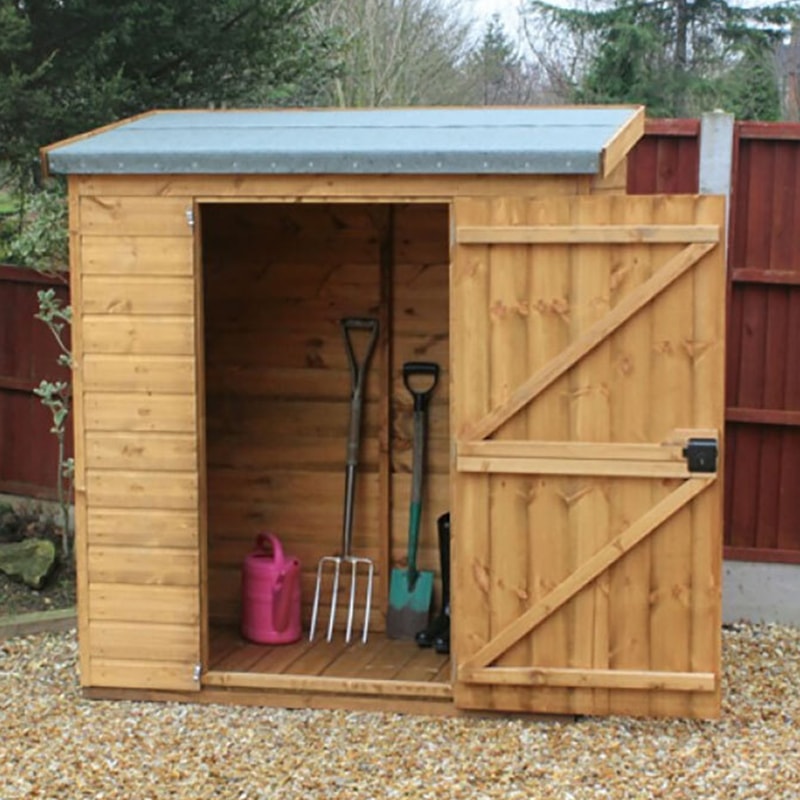
Because the width is limited, the internal layout needs a little thought. That is not a drawback, really; it can be a benefit. A well-planned 8×3 shed often feels more organised than a larger, looser one. It encourages you to store things in a way that is easy to reach. If you are tired of moving three things to get to one item, this shape can feel like a small but meaningful upgrade.
Timber, Metal or Plastic: Different Builds, Different Feel
When people look at 8×3 sheds, they often compare material first, and that does make sense. Each type brings a different look and a different kind of practicality.
- Timber sheds suit gardens where appearance matters. They usually feel warmer, blend well with planting, and can be adapted with shelves or hooks more easily.
- Metal sheds tend to appeal when the main aim is straightforward storage. They often have a neat, crisp profile and can work well for tools and drier contents.
- Plastic or resin sheds are often chosen for a cleaner look and a lighter feel. They can suit users who want a tidy exterior without a lot of visual fuss.
The right choice depends on what you want the shed to do. A timber version might feel more natural beside a fence or hedge. A metal version can fit neatly into a more contemporary garden. A plastic one may suit a simple storage role where the priority is a low-maintenance finish. None of these is automatically better; they just bring different strengths.
Roof Styles That Change the Look and the Space
Roof shape makes a bigger difference than many buyers expect. On an 8×3 shed, the roof line can affect headroom, water run-off, and how the building sits against a boundary. A pent roof is a common choice because it has a sloping single pitch, which gives a clean profile and can help the shed sit neatly beside a wall or fence. It often looks sharp in a narrow setting.
An apex roof gives a more classic shed outline, with a central ridge and two sides. Even in a narrow footprint, this can create a stronger traditional look and may give a bit more headroom in the centre. For some buyers, that makes the shed feel less tunnel-like. The choice comes down to whether you prefer a contemporary line or a more familiar garden-building shape.
There are also practical differences in how roof styles affect the feel inside. A pent roof can feel more orderly for shelving and long storage runs. An apex roof may suit users who want a slightly airier centre point. In an 8×3 format, both styles can work well, but they create a different sense of space.
Best Uses for a Narrow Footprint
The 8×3 size suits more than one kind of buyer, and that is part of its appeal. It is especially useful where the garden is not huge, but there is still a need for proper storage. If you have a side passage that is too slim for a wider shed, this format can slot in without making the area feel blocked. It can also work along a fence line where a larger building would feel out of proportion.
Common uses include:
- Garden tools such as spades, rakes, forks and hoes
- Long items like canes, edging tools and ladder sections
- Outdoor furniture including folded chairs and small tables
- Bikes or scooters where the length helps with positioning
- Potting supplies, compost bags and containers
- General equipment that needs a dry, defined place
The key is that the length gives you placement options. Instead of trying to stack everything in a square box, you can line items up more logically. That makes the shed feel calmer to use, especially when you’re in and out of it often.
What the Size Means in Real Life
It is worth being practical about the dimensions. An 8×3 shed is narrow, so the inside will usually suit one main aisle and storage along the sides or one side plus the back wall. That means it is less about walking around inside and more about reaching what you need efficiently. For many buyers, that is perfectly fine. In fact, it suits the way most sheds are actually used: quick access, secure storage, simple organisation.
If you need a building for frequent hobbies, large workshop tasks or wide bulky equipment, a wider footprint may suit you better. But if your priority is to keep garden items together without taking over the plot, the 8×3 format is often a sensible compromise. It gives you enough run length to store awkward items while staying visually restrained.
Small Differences That Matter at Purchase Time
When comparing sheds in this size, the finer details are often what decide whether a building feels right. Door position matters, for example. On a narrow shed, a single door at the end can keep the length clear for storage, while a side door may change how the interior is arranged. The opening direction also matters if the shed sits close to a fence, path or planting bed.
Panel layout can also make a difference. A shed with more rigid sections may feel tidier to assemble and visually more ordered. A design with wider panels can make the exterior look smoother. Window placement is another point. In a narrow building, a window can help with light, but too many openings may reduce wall space for storage. It becomes a balancing act: light, access and usable wall area.
Flooring is worth checking too. Because 8×3 sheds are often used for long storage, the floor needs to suit the type of items you plan to keep. Heavy equipment, stacked pots or bike storage can all benefit from a solid, even base. That sounds obvious, but it is one of those details people notice later if they skip it now.
Different Forms Inside the Same Size
Not every 8×3 shed feels the same once you step in. The interior format can vary quite a bit, even when the outside measurements are identical. Some versions are more open, giving you a blank layout to work with. Others lean towards a more compartment-like feel, where the space naturally divides into sections. That can be handy if you want one end for tools and the other for general storage.
There are also differences in height profile. A taller design can feel better if you want to store long-handled tools upright or add vertical hooks. A lower-profile shed may sit more quietly in the garden and can be less visually dominant. In a narrow garden, that visual balance can matter quite a lot. The right form depends on whether you want the shed to be noticed or to blend in.
How to Match the Shed to the Garden
An 8×3 shed works best when it follows the line of the garden instead of fighting it. Along a boundary, it can act like a tidy edge rather than a block in the middle of the plot. If your garden has a long side return, this size can be especially neat because it uses the length that is already there. That helps the shed feel placed rather than squeezed in.
Colour and finish also affect how the shed sits in the space. A darker tone may recede into planting and fencing, while a lighter finish can make a narrow area feel more open. Timber grain, smooth plastic surfaces or metal sheeting all create a different visual rhythm. None of that is just decoration; in a compact garden, appearance and function are closely linked.
Handy Buying Checks Before You Decide
If you are comparing options, it helps to think beyond the headline size. A shed can be called 8×3 and still feel very different depending on the internal layout and door opening. Check whether the usable width matches your storage plan, especially if you want to keep bulkier items inside. A few inches make a difference in a narrow building, more than people expect.
Also think about what you will put in first. If the main aim is ladder storage, measure the tallest item. If it is bikes, check handlebar width and turning space. If it is tools and shelves, look at wall area rather than floor space alone. The right shed is not only about fitting into the garden; it is about fitting your actual stuff in a way that feels natural.
One small tip: sketch the layout before buying. Even a rough drawing can show whether the door placement and storage zones make sense. That simple step often helps avoid that awkward moment when a shed fits the space outside but not the routine inside.
Why Buyers Keep Coming Back to This Format
The reason 8×3 sheds stay popular is straightforward. They solve a real garden problem without asking for a large footprint. For homes where outdoor space is limited, they offer a clear compromise between capacity and restraint. For longer gardens, they can sit neatly along the edge. For narrower plots, they can be the difference between clutter and order.
There is also a practical honesty to the size. It does not promise a giant workshop or a bulky outbuilding. Instead, it offers a defined storage run that can be used well if chosen carefully. That makes it appealing to buyers who want something sensible, tidy and not overdone. When the dimensions, roof style and material all match the job in hand, the result can feel well judged rather than just bigger.
The Quiet Advantage of Getting the Proportions Right
In garden buildings, proportions matter a lot. An 8×3 shed can look balanced where a wider shed would dominate. It can also feel more intentional in the garden, because the long shape follows the natural lines of paths, fences and planting beds. That visual fit is part of the purchase decision, even if buyers don’t always say it out loud.
At the same time, the size offers enough room for practical storage without pushing the rest of the garden into the background. That is what makes this category useful to browse carefully. The differences between models are not always dramatic at a glance, but the layout, height, roof style and material can change how the shed behaves in daily use. Pick the one that suits the items you actually own, and the space will earn its keep from the start.
[Sassy_Social_Share]