
Sheds 7x3 - Best Deals in UK!
Showing all 2 results
-
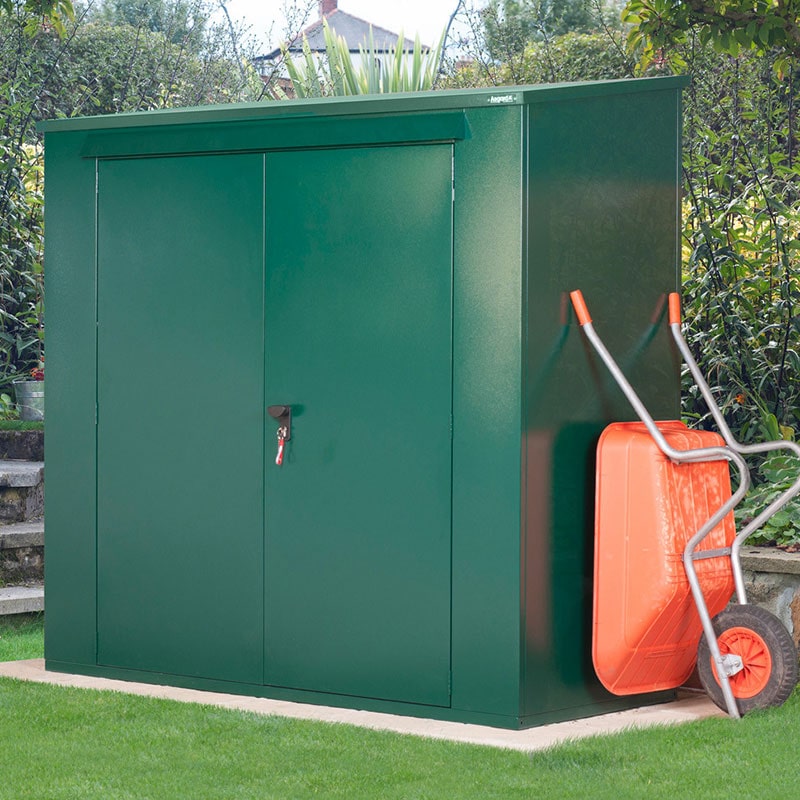
6% OFF: 7’2 x 3′ Asgard Trojan Plus Metal Shed & Bike Shed Combo (2.2m x 0.95m) £853.996%

-
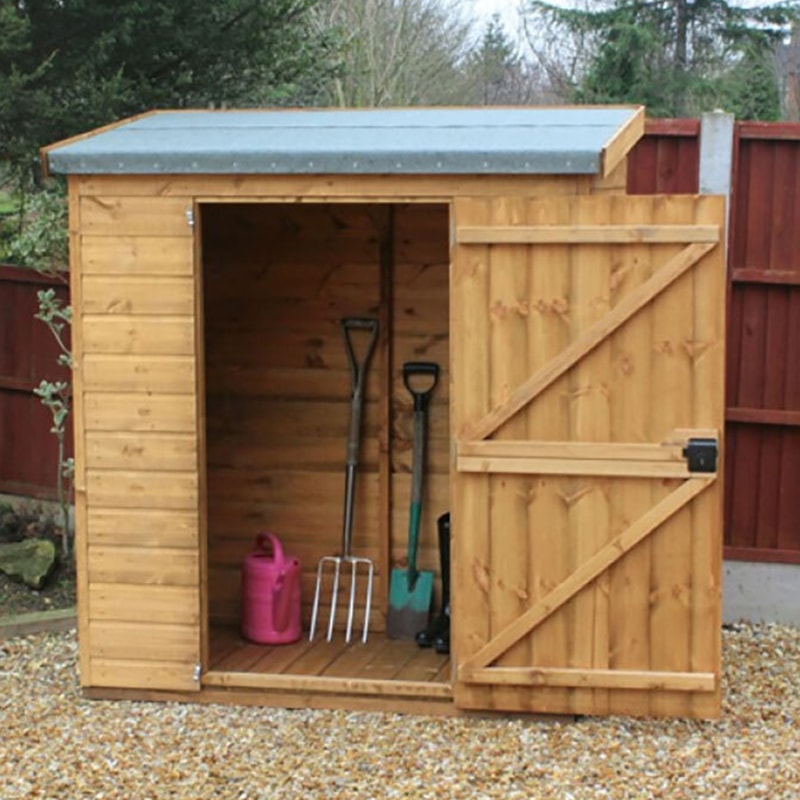
7′ x 3′ Traditional Shiplap Pent Wooden Garden Tool Storage Shed (2.14m x 0.91m) £679.993%

7×3 sheds are a smart fit for narrow gardens, side returns and tight courtyards, giving you a practical storage shed without eating into valuable outdoor space.
A slim footprint with proper usefulness
A 7×3 shed is all about making a long, narrow shape work hard. The 7 ft length gives room for bikes, tools, seed trays or seasonal kit, while the 3 ft width keeps the structure compact enough for tighter plots. That shape often suits gardens where a square shed would feel clumsy or block a walkway. If you need storage but do not want a bulky outbuilding, this format gives you a neat line along a fence, garage wall or boundary edge.
The narrower profile also makes a 7×3 shed easier to place in awkward spots. Many buyers choose it for side passages, slim patios, terrace gardens and allotments where every inch matters. It can act as a tidy store for long-handled tools, bags of compost, folded furniture and smaller garden items that always seem to drift about. Because the footprint is restrained, the shed tends to sit quietly in the space instead of dominating it.
Which 7×3 shape suits your garden?
Although the size is fixed, the shape language of a 7×3 shed can vary quite a bit. The roof style, door position and wall line all change how the shed looks and how it behaves in use.
Bestseller der Kategorie Sheds 7x3
- Appex-roof 7×3 sheds create extra headroom in the middle and often feel more traditional. The pitched roof can also help the shed look less boxy in a long, narrow run.
- Pent-roof 7×3 sheds have a single slope and a more modern outline. They are useful where you want rainwater to run off one side and where a low roof edge matters near a fence or overhang.
- Reverse apex layouts place the ridge across the width rather than along the length, which can alter the internal feel and the way the front face presents to the garden.
- Corner-door designs can make a narrow shed easier to access, especially when the door opening would otherwise cut into usable wall space.
The choice is not just about looks. A pent roof may suit a contemporary garden, while an apex roof often feels better in a more classic setting. If the shed is going beside a boundary, the roof pitch and overall height can matter more than people expect, because the wrong profile can make a slim shed feel heavy. A neat 7×3 should look intentional, not squeezed in.
Long and narrow inside: what the space does well
The internal layout of a 7×3 garden shed is what makes it interesting. The length gives you a natural line for storing items in sequence rather than piling them in a heap. That can work especially well for long-handled tools, rakes, spades, folding chairs, watering gear and slim storage boxes. In a square shed, items often end up stacked awkwardly. In a 7×3, the shape encourages order just by its own proportions.
This size is also handy when you want a shed for a very particular job. It may serve as a bicycle shed, a compact potting store or a general garden storage unit where the contents are not oversized but still need proper shelter. If you have a mower, a line of planters and a few folding items, the shed can keep them in one run without wasting depth. The narrower width does mean you need to think about access, though. You are not buying a mini workshop with lots of elbow room; you are buying a careful strip of useful storage.
Door positions that change the way you use it
On a shed this size, door placement is a bigger deal than many buyers first realise. A wide-opening front door on the short side gives direct access down the length, which can be convenient for pushing in a bike or pulling out bulky items. A side door can make sense if the shed is tucked beside a path and you want a quicker grab-and-go arrangement.
Some 7×3 sheds feel easier to use when the doors are placed centrally, while others work better with an offset opening to preserve wall storage. That matters because the walls in a 3 ft wide shed are not generous. Every bit of wall that stays clear can be used for hooks, brackets or shelving, whereas a badly placed door can eat into the most useful section. If the shed will be used often, think about the way you will actually step inside, turn and retrieve things. In a narrow shed, the door choice shapes the whole experience.
Cladding options and what they signal
Cladding changes both the look and the practical feel of a 7×3 shed. Timber cladding gives a natural, garden-friendly finish and works in many settings, from cottage plots to modern outdoor rooms. It tends to suit buyers who want the shed to blend with planting and fencing rather than stand out too sharply.
Overlap boarding has a more straightforward, traditional shed character. It can look relaxed and honest, with boards that create a familiar texture. T&G, or tongue and groove, usually gives a tighter, neater appearance and can feel more structured. The difference is not merely visual. On a narrow shed, the external finish has a strong influence on how substantial the building seems. A clean T&G face can make the shed feel more settled, while a looser overlap style may read as lighter and more informal.
For a 7×3, the cladding also helps define the type of storage you are buying. If you want the shed to feel like a proper garden structure rather than a quick hideaway, the wall finish plays a part in that decision. Buyers often compare these types by eye first, but the real difference is in how the shed sits in the garden and how much confidence it gives when seen from the house.
Roof lines that do more than finish the top
The roof on a 7×3 shed is not just a finishing touch. It affects headroom, weather runoff and the overall silhouette. A pitched roof can create a more open feeling inside, especially along the centre line, which is useful if you are storing taller items or just want the shed to feel less cramped. A single-slope pent roof keeps the form tidy and often looks neat against a fence or wall.
There is also a visual difference in how these roof styles sit in a narrow garden. A pent roof can feel understated and compact, while an apex roof can give the structure a little more presence. If the shed is going into a tight side return, a low-profile roof may help it settle into the space. If it is part of a larger layout, a pitched roof can help it read as a small building rather than a plain box. That distinction matters when the shed is visible from the house or patio.
Storage uses that suit the 7×3 format
The 7×3 size is not a catch-all shed, and that is part of its appeal. It is better at some jobs than others. It works well as a bike store for one or two bicycles, depending on layout, or as a neat home for garden tools and seasonal items. It can also suit people who keep their outdoor kit in sections: digging tools at one end, cleaning items in the middle, folding furniture at the other.
For buyers with an allotment, this shape is often useful because it holds the essentials without taking over the plot. For smaller domestic gardens, it can replace a cluttered corner of the garage. It is also a sensible pick if you do not need a full-size workshop but still want a dedicated place for outdoor gear. The key advantage is organisation by proportion. A 7×3 gives enough run to separate items, but not so much width that everything ends up hidden behind something else.
When this size beats a square shed
A square shed can feel easier on paper, but a 7×3 shed often makes better use of awkward ground. If your available space is long and narrow, forcing in a wider building can steal circulation space and make the garden feel pinched. The 7×3 format keeps the path line clear while still offering real storage.
It also tends to work well where the garden already has a strong linear layout, such as a long lawn, narrow border or a side access route. Rather than interrupting the shape of the garden, the shed follows it. That can make the whole space look more considered. In some settings, a 7×3 is easier to integrate visually than a broader shed with the same overall storage ambitions. It just sits there in a calmer way.
Practical details buyers often compare
When choosing between 7×3 shed types, shoppers often compare a few details that change everyday use. These are the bits that can make one shed feel right and another feel awkward.
- Wall height affects how much usable vertical storage you get and whether the shed feels compact or more open.
- Roof pitch changes rain runoff and the interior feel, especially if you store taller items.
- Door width matters for bikes, wheelbarrows and wider garden gear.
- Door placement affects how quickly you can reach the back of the shed.
- Internal length helps with organising long tools in a neat line.
- Cladding style influences how the shed looks in relation to fences, planting and paving.
These points may seem small, but in a narrow shed they become very visible in daily use. A 7×3 is compact enough that every design decision shows up quickly. That is why the best choice is often the one that matches your actual items, not just the one that looks fine in a picture.
Getting the fit right beside fences and paths
A 7×3 shed is often chosen for tight siting, which means it needs to work with the space around it as much as with the items inside it. If it is going beside a fence, you want enough clearance for the door to open cleanly and for you to move around without knocking into the wall. If it sits along a path, think about how far the edge will project into the route. Narrow gardens can lose flow very quickly if a shed is just a bit too deep.
This size can look especially good when aligned with existing lines in the garden. Placing the long side parallel to a fence or boundary gives a calm, ordered feel. Setting it against a hard edge can also help the shed blend in, rather than drawing attention to its footprint. In a small garden, that visual restraint is often part of the appeal. The shed does its job without turning the space into storage yard.
Why the shape appeals to organised buyers
People who like a tidy garden often find the 7×3 format satisfying because it supports a simple storage logic. You can zone the interior from one end to the other. That may sound basic, but it is very effective when you have tools, spare pots and seasonal pieces that need a regular home. Instead of one crowded rectangle, you get a slim route through your belongings.
That structure can also make it easier to see what you have. In a narrow shed, items are less likely to disappear behind stacked boxes. You can reach the back more readily, and the whole space feels less like a dumping point. For buyers who dislike rummaging, this is a genuine benefit. The shed shape itself nudges you towards order, which is handy when the garden needs to stay usable.
What to look for before choosing one
If you are narrowing down options, focus on the parts that change the day-to-day fit of the shed rather than just the basic size label. Ask whether you want a more traditional apex shed or a cleaner pent shed. Decide if you need a wide front opening, a side entry, or a layout that keeps the walls clear. Check whether the cladding style matches the look of your garden. And think carefully about the narrowest part of your site, because a 7×3 shed is forgiving in length but less forgiving in width.
It also helps to picture what goes inside before you buy. A shed for a bike and a few tools is different from one for long-handled equipment and stacked planters. The same 7×3 footprint can suit both, but the internal arrangement will not be the same. That is the useful thing about this size: it is specific enough to solve a real storage problem, but flexible enough to handle different routines.
A compact shed that earns its place
A 7×3 shed suits gardens where space is limited but storage still matters. Its narrow footprint makes it a strong choice for side access, boundary runs and awkward gaps, while the length gives enough room to organise essentials properly. With the right roof style, door position and cladding, it can feel neat, purposeful and well matched to the setting.
For buyers comparing small garden sheds, narrow sheds and bicycle sheds, the 7×3 format stands out because it solves a real layout problem without overcomplicating the garden. It is a straightforward size, but not a dull one. When chosen well, it gives you storage that feels planned rather than improvised, which is often exactly what a busy garden needs.
[Sassy_Social_Share]