
Sheds 3x3 - Best Deals in UK!
Showing the single result

3×3 sheds offer a tidy, versatile footprint for garden storage, potting, bikes, tools and hobby space. Compare wooden, metal and plastic options, shapes and layouts.
A compact square that does a lot of work
A 3×3 shed sits in that useful middle ground where it feels compact on the plot but still gives you proper room to organise things. The square shape makes it easier to use every corner, which is handy when you are trying to keep tools, seed trays, plant pots, seasonal décor and outdoor gear in one place without the shed turning into a jumble. If you have a smaller garden, a 3×3 footprint can fit neatly along a fence, in a corner, or near a patio without swallowing the whole space.
Because the layout is so balanced, a square shed often feels more flexible than a long narrow one. You can set up shelving on two or three sides, leave a clear central aisle, or divide the space into storage and a small working area. For people who want something practical rather than oversized, this shape has a lot going for it.
What 3×3 really means in everyday use
When people talk about 3×3 sheds, they are usually referring to a shed with roughly equal width and depth. In many garden ranges this means 3 metres by 3 metres, though some listings may use feet or mixed sizing, so it is worth checking the exact measurements before buying. That little detail matters, because a shed that sounds small on paper can feel quite different once you add wall thickness, roof overhang and the door swing.
Bestseller der Kategorie Sheds 3x3
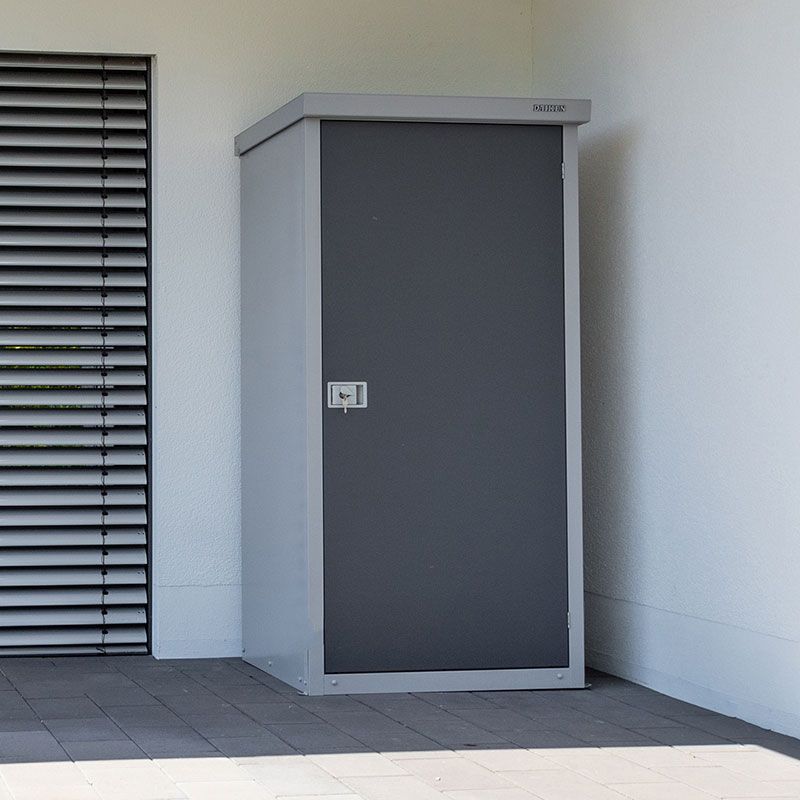
The main advantage of a square build is the easy layout. There is less awkward dead space than in a long shed, and storage can be arranged in a more symmetrical way. It is also easier to imagine where things will go before the shed is even assembled, which saves a bit of guesswork later on.
Wooden, metal or plastic: the main material choices
One of the first decisions is the material, and each type brings its own character and practical use. A wooden 3×3 shed tends to suit buyers who want a more natural look and the option to organise the inside with shelves, hooks or benches. Timber sheds often blend in with planting, fencing and decking, so they can feel less boxy in the garden.
Metal 3×3 sheds are usually chosen for their firm, straightforward storage role. They are a good match for people who want a clean-lined building for garden tools, bikes or larger items that need shelter from the weather. The feel is more utilitarian, and some buyers prefer that no-nonsense look.
Plastic or resin 3×3 sheds are often picked for their lighter appearance and tidy finish. They can suit gardens where the shed needs to look neat from day one, with less fuss about the exterior. They also tend to have moulded panels and simpler internal surfaces, which can make the inside feel easy to wipe down. Not everyone wants that style, though, so it’s really about the look and how you plan to use it.
Roof shapes that change how the shed feels
The roof can change both the appearance and the usable feel of a 3×3 garden shed. A pent roof slopes in one direction and often gives a crisp, modern look. It can be useful if the shed sits against a fence or wall, because the slope can be directed away from the boundary. The inside can feel practical and straightforward, especially for shelving along the taller side.
A apex roof has the familiar central ridge shape. This is the style many people picture first when they think of a garden shed. It gives a balanced profile and can make the building feel a bit more classic. In a square shed, an apex roof often creates a nice sense of headroom in the middle, which helps if you are moving around inside or storing taller items.
There are also sheds with gable-style roof lines or more decorative roof finishes, and while the exact names vary by manufacturer, the key difference is how much vertical space and visual presence they create. A lower roof can help the shed sit quietly in the garden; a taller one can feel more roomy. Bit of a trade-off, really.
Door layouts that make storage easier
Door style is one of those details people sometimes overlook, then end up noticing every time they carry a spade or wheelbarrow in and out. A single-door 3×3 shed is fine for general storage and smaller items, especially if the door opening is wide enough for what you need. It works well when the shed is mainly for keeping tools, bags of compost, watering cans and the like.
A double-door shed makes a difference if you want to move bulkier things around. Bikes, outdoor furniture, lawn equipment and larger storage boxes are easier to handle when you have a wider entrance. It also helps if you plan to use the shed as a bit of a working space, because the opening feels less restrictive.
Some sheds come with side doors or more than one access point, which can be useful when the shed sits in a tighter spot. The right door layout depends on how you approach the shed from the garden and what you are likely to move in and out. A shed can look fine in a listing photo, then be awkward in real use if the door is on the wrong side. Worth checking twice.
Small enough for the plot, big enough for the plan
A 3×3 shed is often chosen because it strikes a good balance between footprint and capacity. It is large enough for serious storage, but not so large that it dominates the garden. That balance is useful if you want to keep the lawn open, preserve planting space, or leave room for seating and a path.
The square shape also makes it easier to plan storage zones. One wall can hold long-handled tools, another can take a shelf for pots and feed, and the remaining side can be used for bins, folded chairs or a hanging rail. If you like your garden to feel organised rather than crowded, that kind of layout is a strong point.
For buyers who want a shed that does more than hide clutter, a 3×3 format can work as a tool store, potting base, hobby room or bike shelter. You do not need a massive building to get that kind of usefulness; you just need the right shape and the right internal set-up.
How shape affects the way you use the space
Compared with a rectangular shed, a square 3×3 layout gives more equal wall lengths, which can make it easier to split the interior into sections. That can matter if you want one side for gardening equipment and another for household overflow. In a long narrow shed, the back can become hard to reach. In a square one, the centre point stays more accessible.
The square format also works well for people who want a small work zone inside the shed. You might keep a fold-down potting surface against one wall, with storage below and above, while leaving the centre clear. If the shed is tall enough, a few shelves and hooks can transform it without needing extra floor space. That is one of the neatest things about this size.
Practical features worth looking out for
When comparing 3×3 sheds, the useful details are often the ones that make the shed easier to live with. A good window layout can brighten the inside and make it simpler to find what you need. This matters if you plan to use the shed for more than pure storage. Natural light can make a small interior feel less enclosed, which is handy if you are sorting seedlings or just trying to spot the right spanner.
Ventilation is another point that often gets ignored until later. Even if you are not buying a shed for delicate items, some airflow can help the inside feel less stuffy. Different shed types handle this in different ways, with vents, louvred sections or panel design.
Floor construction also deserves attention. A solid base helps the shed sit level and gives stored items a stable surface. This is especially useful for heavier kit, because a square shed packed from corner to corner can put the floor to proper use. Doors, glazing and panel thickness all affect how the shed feels in everyday use, not just how it looks in a picture.
Choosing by what you want to store
The right 3×3 shed often comes down to the items inside it. For garden tools and hand tools, a basic layout with hooks and shelves may be enough. For bikes, the doorway width and internal clearance become more important, so a double-door model can be easier to live with. For garden furniture cushions, seasonal décor or stacked boxes, the shed should have enough headroom and a floor plan that allows the boxes to be arranged without squashing them into odd shapes.
If you plan to use the shed for potting and planting prep, a roof with a bit of height and a window or two can make the space more pleasant. You do not need a full workshop setup to make a difference; sometimes a simple shelf, a bench and a clear floor area are enough.
Timber looks, metal strength, plastic ease
There are real differences between the main materials, and none of them is right for every garden. A timber 3×3 shed tends to appeal if you want something that feels part of the garden rather than separate from it. It can also be better suited to custom touches inside, because it usually gives more freedom for adding fixtures.
A metal shed can feel more secure and structured, especially when you want straightforward storage without a lot of visual clutter. It is the sort of choice many people make for practical storage rather than decorative effect.
A plastic shed often works for buyers who want a low-fuss exterior and a neat finish. It can suit modern gardens or smaller spaces where a lighter visual footprint matters. The difference is not just style; it changes how the shed feels when you open the door and step inside.
Little buying details that make a big difference
It helps to check how the shed sits on the ground, how wide the opening really is, and whether the roof height works for the items you own. A 3×3 shed may sound generous, but if your tallest tools, shelves or boxes need a bit more vertical space, that is something to know before ordering. Measuring your own items first is a sensible habit, even if it feels a bit tedious at the time.
Also think about access to the garden. If the shed needs to be carried through a narrow side passage, a kit with fewer awkward panels may be easier to handle. If the shed is going near the back fence, you might prefer a roof pitch that suits the position. The exact placement can affect how easy the whole thing is to use, which is easy to miss when you are just looking at dimensions.
And yes, the doorway position matters more than many people expect. If the entrance faces the path, the shed feels more useful straight away. If it faces a wall or a dense planting bed, you may end up doing a bit of sidestepping every time you use it.
Why this size suits so many gardens
One of the reasons 3×3 sheds are so popular is that they are adaptable without being awkward. They can act as storage, a tidy work area, or a mix of both. They fit into modest gardens without crowding them, yet they are not so tiny that you have to keep trimming your wish list down every time you add something new.
They also suit different garden styles. A timber version can soften into a planted border, a metal version can sit neatly beside paving, and a plastic version can give a crisp, orderly look. Because the shape is simple, the personality comes more from the material, roofline and door arrangement.
What to check before you decide
Before choosing your 3×3 garden shed, it is worth comparing a few practical points: actual external size, internal useable space, door width, roof style, window placement and material finish. Those are the details that affect how the shed works once it is in place. A small difference in width or headroom can change whether a bike fits comfortably, whether a shelf sits properly, or whether the shed feels easy to move around in.
It also helps to think about the feel you want from the shed. Do you want it to blend in quietly, or stand as a clear storage feature? Do you want access from the front only, or something easier to enter with larger items? These choices shape the whole experience, and they are not the sort of things you usually notice from a quick glance at the listing image.
A shed that keeps the garden tidy without taking over
A well-chosen 3×3 shed gives you a neat, workable space that can handle more than you might expect at first glance. The square shape is efficient, the size is manageable, and the range of materials and roof styles means you can match it to the way your garden actually works. For many buyers, that combination is exactly the point: enough room to store what matters, without making the garden feel boxed in.
If you are comparing options, focus on how the shed will be used day to day, not just how it looks in the catalogue. The right choice is usually the one that makes storage simpler, access easier and the garden a bit less crowded. That is the kind of detail that pays off every time you open the door.
- Square footprint for balanced storage and easier layout planning
- Timber, metal and plastic options to suit different looks and uses
- Pent or apex roofs depending on height, style and placement
- Single or double doors for narrow access or bulkier items
- Useful for tools, bikes, pots, cushions and hobby space
- Check real internal space, not just the headline size