
Sheds 190 sq ft / 18 m² - Best Deals in UK!
Showing the single result

Sheds 190 sq ft / 18 m² give you a proper amount of usable space for storage, hobby work and organised outdoor living, with room for bikes, tools, garden furniture and more.
Room That Feels Planned, Not Cramped
A 190 sq ft / 18 m² shed sits in that useful middle ground where a garden building starts to feel like a genuine extension of the home. It is large enough for bulkier items that never quite fit in a compact store, yet still compact enough to work well in many domestic gardens. That size can handle a mix of everyday storage and hands-on use, so the shed is not just a place to put things out of sight, but a space with purpose.
For buyers comparing categories, this footprint often suits people who need more than a basic locker-style shed. You may want a place for lawn equipment, DIY materials, outdoor cushions, children’s gear or a small work bench, without moving into the scale of a full outbuilding. It is a practical choice when the garden needs order but still has to feel open.
What 190 sq ft / 18 m² Can Actually Hold
The appeal of this category is not only the floor size, but the way that size can be used in different layouts. Depending on the shape and door position, a shed of this size can be organised for one main job or split into zones. Some buyers use it as a straightforward storage building, while others want a section for tools and another for hobby tasks or seasonal items.
Bestseller der Kategorie Sheds 190 sq ft / 18 m²
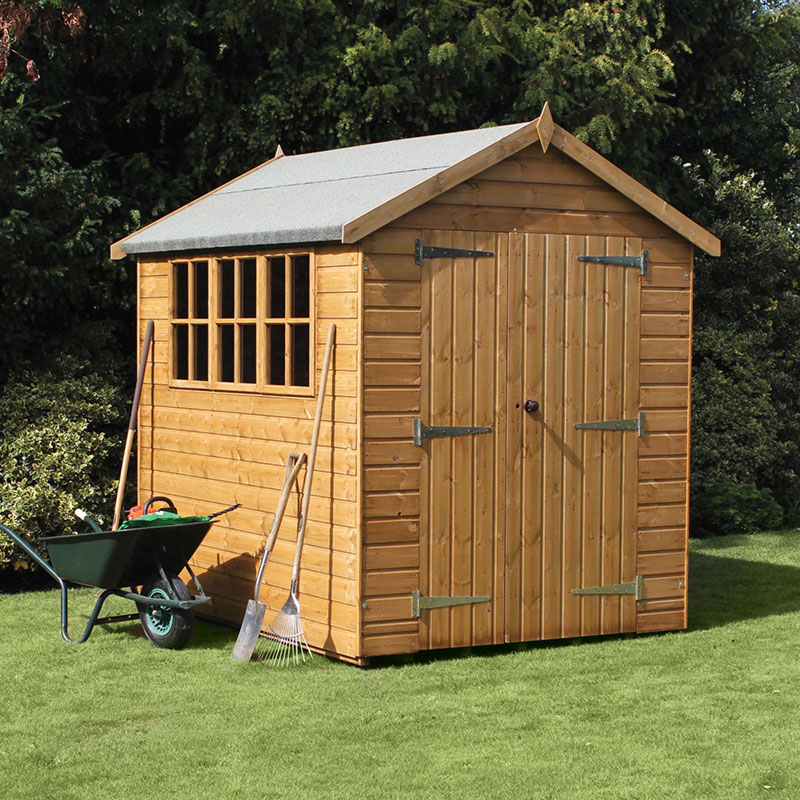
- Bikes and ride-on equipment, with space to move them in and out without awkward turns.
- Long-handled tools such as rakes, spades and hedge trimmers, usually easier to store upright in a taller format.
- Workbench space for potting, repairs or light woodworking, depending on the internal layout.
- Bulky garden furniture that takes up too much room in a smaller shed.
- Boxes and seasonal storage, including items that are used only part of the year.
It is the sort of size that can stop one corner from becoming a jumble. There is often enough room to keep things separated, which makes a noticeable difference when you are reaching for something in a hurry.
Shapes That Change How the Shed Works
Within this size range, the shape matters just as much as the square footage. A rectangular shed usually gives the easiest run of wall space for shelving, tool racks and long items. It is also the most straightforward option for people who want a clear aisle through the centre.
A square-ish layout can feel more balanced if the shed is being used for mixed storage or a hobby area. The more even proportions can make it easier to create zones, though it may offer less wall run for some types of storage. For buyers who want the shed to double as a practical workspace, the proportions can matter a lot more than they first seem.
A corner-oriented shape or design with a different roofline may suit gardens where space is tight or where the shed needs to sit neatly against a boundary. The footprint still adds up to 190 sq ft / 18 m², but the way that area is distributed can change the feeling inside quite a bit.
Roof Styles With Different Jobs To Do
The roof is not just a visual feature. It affects headroom, water run-off, internal layout and the way the shed sits in the garden. In this category, buyers often look at the roof before anything else because it shapes how usable the space will be.
- Gable roof sheds offer a familiar peak and good central height, which can feel handy for standing room and storing taller items.
- Pent roof sheds bring a clean, sloping profile that can work well where a lower side line is useful, especially near fences or walls.
- Reverse apex formats can alter how the doors and internal layout feel, which matters if access is more important than symmetry.
- Flat roof designs tend to create a simpler outline, though the internal sense of height may differ from pitched styles.
Each roof type changes the personality of the building. Some buyers prefer a roof that helps the shed blend into a modern garden, while others want the extra usable height that comes with a more traditional form. There is no single right answer, only the style that matches the way the shed will be used.
Single Door, Double Door, Or Both Styles Of Access
Access is one of the most important differences in a 190 sq ft / 18 m² shed. A single-door shed can suit storage that does not need large item movement every day. It keeps the front neat and can feel right when the contents are mostly tools, boxes and smaller equipment.
A double-door shed changes the whole rhythm of use. It makes larger items easier to wheel in, carry through or rotate inside. If the shed is intended for bikes, mower storage or occasional workshop use, wider access can save a lot of awkward shuffling. Some buyers overlook this and later find the door choice matters more than the wall material.
In this size category, the door position also affects how you arrange the inside. A central pair of doors may create a more open approach, while an offset entrance can leave one wall clearer for shelving or tall storage. That small detail often ends up being one of the more practical decisions.
Storage Shed, Workshop Space, Or Garden Room In Disguise
Not every shed of this size is used in the same way. Some are bought as straightforward garden storage sheds, where the main aim is to organise clutter and protect equipment from being scattered around the plot. Others become workshop sheds, with enough room for a bench, hand tools and a defined working area.
There is also a middle version: the multi-use shed. That might mean storage at one end and a hobby corner at the other. In an 18 m² building, this split can work well if the layout is considered at the start. A lot depends on where the largest items sit and how much open floor space is left for moving around them.
- Storage-led layouts prioritise wall space, hooks and vertical organisation.
- Workshop-led layouts keep the centre freer and make room for a bench or fixed work surface.
- Mixed-use layouts need clear zones so tools, materials and everyday items do not all end up in one pile.
Materials That Shift The Feel Of The Space
Material choice changes not only the look of a shed, but also the way it is used and perceived. A timber shed often suits buyers who want a more traditional garden appearance and the visual warmth of wood. It can sit naturally in planted spaces and often feels less harsh in larger gardens.
Metal sheds bring a different character. They are often chosen for straightforward storage and a sharper, more practical look. In this size range, metal can work well when the main concern is keeping equipment together in one simple building. The look is more functional, less decorative, and that is exactly what some buyers want.
Composite or alternative-clad sheds can sit between those two ideas, offering a different balance of appearance and structure. The key difference is not just style, but how each material supports the intended use of the 190 sq ft / 18 m² footprint. A workshop-minded buyer may think differently from someone who wants a neat storage block tucked into the corner of the plot.
Why This Size Feels More Flexible Than Smaller Sheds
The jump from a compact shed to a 190 sq ft / 18 m² model is not just about extra floor space. It changes what can be stored without constant rearranging. Smaller sheds tend to become a puzzle every time something new goes in. In this category, there is room to make sensible decisions, and that matters more than people expect.
There is space for segregation of items, which means muddy gear does not need to sit beside clean storage, and frequently used tools can stay near the door. If the shed will be used by more than one person, that separation helps a lot. One person can grab the mower while someone else reaches the garden accessories without shifting half the contents first.
This size also tends to reduce the feeling that every purchase creates a storage problem. That does not mean endless room, of course, but it does mean the shed can cope better with awkward or oversized items that appear through the year.
Useful Buying Points That Often Get Missed
When looking at sheds in this size range, it helps to think beyond the headline measurement. The internal use of the building depends on a handful of details that can make a large difference once it is in place.
- Wall height affects whether shelving, hanging tools or tall items actually fit comfortably.
- Door width is important if bikes, mowers or folded furniture need to pass through without tilting.
- Roof shape can create more practical standing space or better placement for taller storage.
- Internal proportions decide whether the shed feels open, narrow or nicely zoned.
- Position of openings changes the route inside, which matters when the shed is used often.
These details can look minor in a listing, yet they often decide whether the building feels smooth to use or just large on paper. A shed that matches the intended workflow is usually the better buy, even if another one looks similar from the outside.
How Different Uses Shape The Best Choice
If the shed is mainly for garden storage, buyers often look for easy access, good wall runs and enough room for larger outdoor items that do not belong in the house. If it is being considered as a hobby shed, the balance changes. Light, layout and bench space start to matter more than raw storage volume.
For a buyer who wants a more practical DIY base, the best option may be the one with a simple internal shape and enough clearance to work without constantly moving items. A 190 sq ft / 18 m² shed can support that role nicely, provided the entrance and proportions are not fighting the intended use.
This is where the category earns attention. It is not a one-note size. It can be a tidy utility building, a project space, or a mixed storage unit that keeps the rest of the garden less cluttered.
The Kind Of Shed That Solves A Real Garden Problem
Many buyers end up in this category because smaller sheds have reached their limit. Tools are stacked too closely, bikes lean against furniture, and every new item starts a rearrangement. A 190 sq ft / 18 m² shed gives you the room to stop doing that. It allows a more sensible order to be created from the start.
It is also a useful size when the garden has more than one function. If outdoor space needs to support play, growing, relaxing and storage all at once, a shed of this scale can take pressure off the rest of the plot. That can make the garden feel calmer without changing the planting or layout outside the building.
For buyers comparing sheds, the biggest difference here is often not style alone, but how the building changes daily use. Less clutter around the house, fewer items sitting under tarpaulins, and more defined space for the things you actually need.
A Few Final Practical Checks Before Choosing
Before settling on a shed in this category, it helps to imagine the biggest item first, then work backwards. If the mower, bikes or stored furniture can move in easily, the rest of the layout is easier to plan. If the building is meant to do more than one job, think about how people will move through it on an ordinary day.
Also consider whether the shed should feel more like sealed storage, a working shed, or a hybrid space. That decision influences the best shape, roofline and access style. A well-chosen 190 sq ft / 18 m² shed does not just hold things; it gives them a proper place, and that is usually what turns a busy garden into a more workable one.
- Choose a layout first, then match the shed shape to it.
- Check door access against the largest items you plan to store.
- Think about wall space if shelving or hanging storage matters.
- Match the roof style to the look and height you actually need.
- Pick the material that suits the intended use, not just the appearance.
Sheds 190 sq ft / 18 m² are a strong choice for buyers who want usable space with room to organise properly, store larger items and keep the garden working the way it should.
[Sassy_Social_Share]