
Sheds 18x12 - Best Deals in UK!
Showing the single result

18×12 sheds offer a roomy, versatile footprint for garden storage, workshop use, hobby set-ups and tidy outdoor organisation, with choices in roof style, door layout, timber, metal and cladding.
Why 18×12 feels so useful in real gardens
An 18×12 shed gives you a footprint that feels generous without tipping into something that starts to dominate the plot. In practical terms, it is the sort of size that can hold a proper mix of garden tools, larger equipment, bicycles, outdoor furniture, compost bins, benches, and still leave a clear walkway inside. That extra width matters. It is often the difference between a shed that simply stores things and one that actually works as part of the garden.
Compared with smaller sheds, an 18×12 format gives you more sensible zoning. You can keep the mower near the door, hang hand tools on one wall, stack pots and feed on another, and still have space for a worktable or a place to move around without elbowing every shelf. For buyers who have grown out of a 10×8 or 12×10, this size can feel like a proper step up rather than just a bit more room.
Shapes and roof lines that change how the shed performs
The term Sheds 18×12 covers more than one look, and the shape affects how the building feels to use. The classic apex roof is a common choice because the ridge gives a balanced shape and more headroom towards the centre. It suits storage-heavy layouts, and it tends to look familiar in most gardens, which helps if you want something that sits quietly rather than shouting for attention.
Bestseller der Kategorie Sheds 18x12
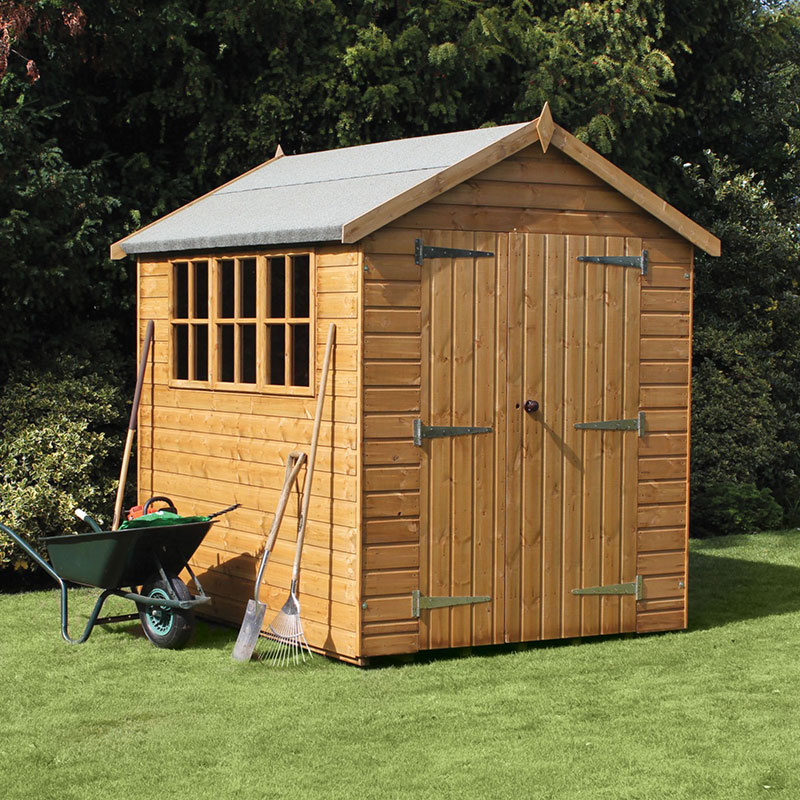
A pent roof version has a single slope and a more contemporary profile. It can work well where the shed sits under a boundary line or alongside a fence, because the lower side can be placed to suit the garden layout. Some buyers prefer this shape for its clean lines and the way it can feel less bulky at the back of a plot. It also gives a slightly different internal feel, with headroom shifting from one side to the other, so the placement of shelves and taller items matters a bit more.
There are also corner-friendly layouts in this size category, where the 18×12 footprint is used to fit a long wall against a boundary while keeping access practical. That can be useful if the garden is long and narrow, or if the shed needs to sit in a more awkward part of the plot. The shape you choose changes how the space gets used, so it is not just a visual choice.
Timber, metal and mixed materials: what feels different
Timber sheds are often chosen for their natural look and the way they sit comfortably among planting, fencing and other garden features. In an 18×12 size, timber can feel especially suited to workshop-style use, because the inside can be customised with shelving, hooks and benches. The grain, panel style and corner details all add a bit of character, which matters if the shed is going to be seen as part of the garden room rather than just a box for bits and bobs.
Metal sheds in this size tend to appeal to buyers who want a cleaner, more utilitarian finish. They often suit secure storage, bikes, tools and outdoor kit. The look is usually sharper and more direct, with less decorative detail, which some people like because it keeps the garden feeling orderly. The difference is not just visual; the internal feel can be more open and less broken up by framing, depending on the build.
Mixed material designs can bring together the warmth of timber and the straight-edged feel of metal or composite elements. This can be useful if you want a shed that looks right in a garden setting but still gives a straightforward, practical storage area. Buyers often compare these types by thinking about what sits on display and what stays inside. If the shed is highly visible from the house, the finish can matter just as much as the size.
What 18×12 lets you store without feeling cramped
One of the main reasons people move to an 18×12 garden shed is the ability to split storage by type. A smaller shed often forces everything into one pile, which is where frustration starts. This size can handle:
- Ride-on mowers or larger push mowers, depending on the internal layout
- Bicycles with room to move them in and out more easily
- Garden furniture such as folded tables, chairs and cushions
- Long-handled tools like rakes, spades and hoes
- Pots, trays and seed trays in stacks or on shelving
- Barbecues and outdoor accessories that need dry, organised space
- DIY materials if the shed is being used as a light workshop too
The difference lies in how the shed feels once these items are inside. In a narrower format, even when the capacity looks good on paper, access can be awkward. An 18×12 gives more usable floor space, which is what buyers actually notice day to day. You can reach the back wall without moving three things first, and that alone makes the shed feel more valuable.
Door styles that change access in a big way
For a shed this size, the door arrangement is a serious part of the decision. A pair of double doors can make access much easier for larger items, especially bikes, lawn equipment and storage boxes. They also help when you want to load and unload with less fuss. If the shed is going to hold bulky gear, wide opening access is not a luxury; it is sort of the point.
Single doors can still work well, especially where the internal use is more about organised storage than moving big objects in and out often. They tend to simplify the front elevation and can suit a more compact opening area. Some buyers like the neater look, though it does mean the internal layout has to be a bit more planned so nothing blocks the entrance.
There are also sheds with offset door positions, where the doorway sits to one side rather than centrally. This can create a better run of wall space inside, which is handy for shelving, tool hanging or a long bench. It is a small detail, but in a shed this size it can make the difference between a layout that feels natural and one that is forever slightly in the way.
Headroom, wall space and why the inside matters as much as the footprint
An 18×12 shed is not just about length and width. The internal height, wall style and roof pitch all change the way the space works. A taller interior can make storage easier because more items can be stood upright rather than laid flat. That matters for brooms, strimmers, ladders and storage frames. It also helps when you want to install shelving without eating too much usable room.
Wall space is another key point. A shed of this size can support a more thoughtful layout, with one wall for hanging tools, one for tall storage and another for boxes or stacked items. The goal is not to fill every inch, but to create enough room to move naturally. People often notice this only after they have lived with a smaller shed for a while and got fed up with moving things to reach other things.
Some buyers also want an 18×12 shed for light workshop use. In that case, the amount of standing space around a bench matters more than just raw storage volume. The shape of the roof, the position of the doors and the placement of windows can make the shed feel practical rather than tight. Not every 18×12 is laid out the same, which is why the internal plan deserves as much attention as the outside look.
Natural light, opening points and the feel of the space
Windows can change an 18×12 shed from a closed storage unit into a space that feels easier to use. A brighter interior helps when looking for small tools, reading labels on boxes or working on detail tasks. It also makes the shed feel less enclosed, which can matter if you are planning to spend longer periods inside.
Some sheds in this size have glazed panels positioned to balance light and wall space. That balance is worth thinking about. Too few openings and the shed can feel gloomy; too many and you lose useful wall areas for storage. The better choice depends on whether the shed is mainly for storing garden gear or for mixed use with hobby or workshop tasks.
Openings and light are part of the user experience. A darker shed can be perfectly fine for general storage, but if the space is meant to be sorted, accessed and used regularly, the way daylight enters becomes quite important. It is one of those details that does not always look dramatic online, yet makes a noticeable difference when the shed is in place.
Practical differences between storage-first and work-first layouts
Not all 18×12 sheds are bought for the same reason. Some are clearly intended as storage-first buildings, where the main goal is to keep the garden tidy, protect equipment and make seasonal items easy to reach. In that case, the emphasis is often on broad floor space, strong door access and enough wall area for racking.
Others are chosen as work-first spaces, where the shed may still hold storage, but the user wants room for potting, repairing, crafting, or setting up a small project area. The difference shows in the details: more open internal zones, possibly better light, and an arrangement that allows a bench or table without turning the shed into a squeeze.
There is also the hybrid approach, which is very common in this size. One side of the shed stores the ordinary outdoor stuff, while the other side becomes a working corner. That is where 18×12 starts to feel especially useful, because there is enough room for both functions if the layout is thought through properly. It is a bit of a juggling act, but one that suits many households.
When a larger shed makes the garden feel calmer
A well-chosen 18×12 shed can make the rest of the garden easier to live with. Tools are not left leaning against fences, summer furniture does not clutter the patio, and seasonal kit has a defined place. That sort of order tends to make the whole space feel calmer, even if the shed itself is not the main thing you notice at first glance.
Buyers often underestimate how much visual tidiness matters. When bigger items have somewhere proper to go, the garden can feel more open. The shed becomes part of the structure of the plot rather than a random add-on. In that sense, it is not only a storage decision. It changes how the outdoor space functions.
This is especially true if the shed sits near the house or close to a seating area. A tidy, well-proportioned 18×12 can support the whole layout of the garden, giving things a place to belong. That may sound a bit simple, but it is one of the main reasons people upgrade from smaller buildings.
Small buying details that are easy to miss at first
Before choosing from the Sheds 18×12 category, it helps to look beyond the headline size. The exact arrangement of doors, windows, wall height and roof shape can affect how much of the footprint is genuinely useful. Two sheds can share the same dimensions and still feel quite different inside.
It is worth thinking about:
- Where the door opens and whether it blocks a path or wall space
- How much uninterrupted wall area is available for shelving
- Whether the roof style gives the headroom you need in the right places
- How the entrance width works for bikes, mowers or larger boxes
- Whether the visible finish suits the garden, not just the storage need
These details may seem minor, but they are the bits that decide whether the shed feels straightforward to use or a bit annoying every time you open it. That is usually where the real difference lies.
A size that gives room to grow, without guessing too much
An 18×12 shed is often chosen by buyers who know they need more than basic storage but do not want to overbuild the garden with something oversized. It can handle a growing collection of tools, seasonal kit and recreational items, while still leaving the garden itself feeling usable. That balance is a big part of the appeal.
There are different ways to use the same footprint, and that flexibility is one of the strongest points of this category. A timber apex shed may suit a classic garden setting. A pent-roof version may look cleaner along a boundary. A metal build may suit direct, no-fuss storage. Each type offers a slightly different answer to the same practical question: how do you keep everything in one place without the garden feeling crowded?
For anyone comparing sub-types, shapes and layouts, the best approach is to think in terms of use rather than just size on paper. If the shed needs to take bikes, tools, boxes and maybe a bench, the extra width is working in your favour. If it needs to feel ordered rather than cramped, the door layout and internal wall space matter just as much as the outer dimensions. And if the shed is meant to blend in, the finish and roof line help more than people sometimes expect.
In short, 18×12 sheds give you a lot of workable room, with enough variation in style to match different gardens and different ways of using them. That is why they keep proving useful: not because they are flashy, but because they do a proper job and leave a bit of breathing space too.
[Sassy_Social_Share]