
Sheds 15x6 - Best Deals in UK!
Showing the single result

15×6 sheds offer a long, practical footprint for narrow gardens, side passages and tidy storage zones, giving room for tools, bikes, outdoor furniture and a compact workspace.
Why a 15×6 Shed Fits So Neatly
A 15×6 shed is shaped for plots where width is limited but length is available. That elongated format makes it easier to line up storage along one side of a garden without taking over the whole space. It can sit against a fence, along a boundary, or in a side return and still leave a sensible route around it. For many buyers, that shape is the main appeal: it uses the garden’s depth rather than its width, which is often a better fit for urban and suburban spaces.
The footprint also makes the interior feel more organised. Instead of one square room where everything ends up in a pile, a 15×6 layout naturally supports zones. One end can be set aside for long-handled tools, another for bikes, the middle for boxes or seasonal items, and if needed, a small work area can be kept clear without blocking the whole shed.
What the Long, Narrow Shape Changes
The biggest difference between a 15×6 shed and a more conventional square shed is how you move through it. The slim width means the internal walkway is more defined, so access matters. Buyers often notice that a single door at the end creates a simple linear route, while side access can make the space feel easier to use if the shed is packed with larger items.
Bestseller der Kategorie Sheds 15x6
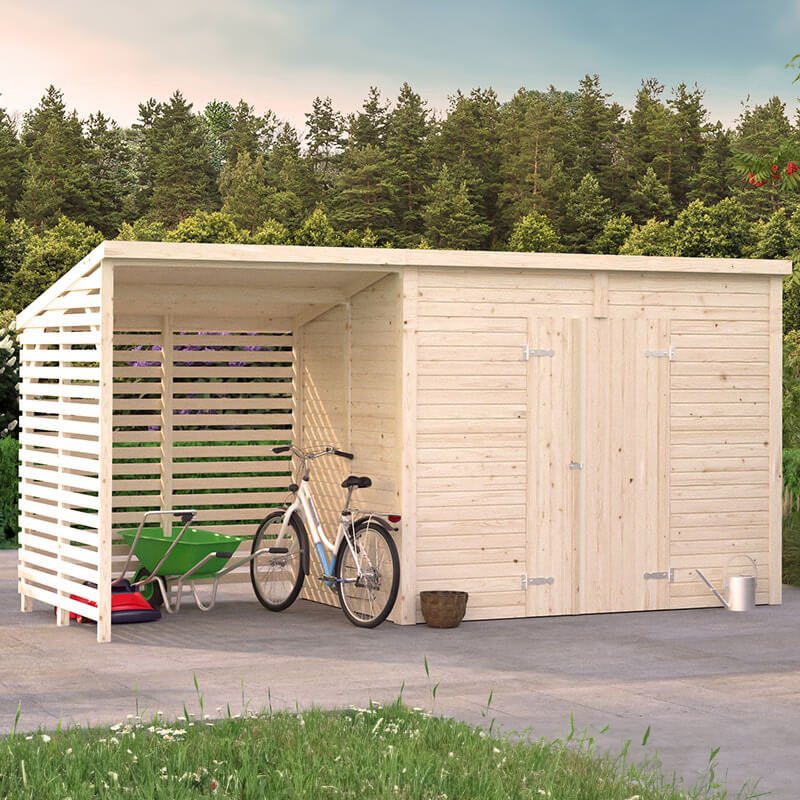
This shape is especially useful when you want a storage building that feels discreet from the house. It can read as a neat strip rather than a bulky block, which helps if your garden already has planting, paving or seating areas that you want to keep visually open. In practical terms, it also means less wasted corner space compared with wider sheds that are not fully filled.
Common Forms: Apex, Pent and Lean-To
15×6 sheds are often chosen in a few familiar roof styles, and each one changes the look and the usable space slightly:
- Apex roof – a traditional pitched shape that gives a centre ridge and a more classic shed profile.
- Pent roof – a single slope from back to front, often chosen for a cleaner, more contemporary line.
- Lean-to style – useful where the shed sits beside a wall or boundary and needs a simpler, lower form.
An apex 15×6 shed can feel better if you want a little more head height in the middle and a familiar garden-building look. A pent 15×6 shed is often the better match when you want rain to run off one direction and the building to sit quietly along a fence line. A lean-to shed works when the shape of the garden or an existing structure influences the layout, though it usually suits more specific positions.
Timber, Metal or Plastic: The Material Difference
In this size, the material choice affects both the appearance and the way the shed feels in daily use. Timber 15×6 sheds are usually favoured for a warmer, more natural look and they sit comfortably in planted gardens. They also lend themselves well to traditional finishes and can blend in rather than stand out. For many buyers, the character of timber is a major part of the decision.
Metal 15×6 sheds tend to suit buyers who want a straightforward storage shell for equipment and tools. They can feel more utilitarian, which is not a drawback if the aim is to keep things simple and contained. Plastic or resin sheds bring a different appeal again: they often attract people who want a clean-lined, less fussy structure that still works in a narrow space.
There is no single best material; the right choice depends on what the shed must hold and how much emphasis you place on looks. A gardening enthusiast with hand tools, pots and seasonal decor may lean towards timber. A household with bikes, mowers and bulkier items may prefer a material that feels more robust and less decorative.
What Fits Well in a 15×6 Footprint
The proportions of a 15×6 garden shed are particularly handy for items that are awkward in a smaller, squarer building. Long-handled tools, rakes, spades, garden edging, folded tables and stackable boxes all sit more naturally along a lengthened wall. The same applies to bikes, which often benefit from a straight run of floor rather than a cramped corner.
If the shed is being used for mixed storage, the long plan helps separate categories without needing a full internal fit-out. You can keep outdoor cushions and smaller accessories at one end, bags of compost or equipment boxes in the centre, and taller items at the far end. That kind of layout is useful because it reduces the usual problem of reaching over one thing to get to another.
It also leaves room for a narrow bench or shelf run, which can make everyday use easier. In a 15×6 structure, even a modest amount of organisation can make a noticeable difference, because clutter otherwise eats into the walkway quickly.
Single Door, Double Doors and Access Choices
Access matters more in a long shed than in a square one. A single door can be fine for routine storage, especially if the contents are mostly boxes, hand tools and lighter items. But for buyers who plan to move bikes, mowers or larger garden gear in and out, double doors are often easier to live with.
In a 15×6 shed, a wide opening reduces the awkward shuffle that sometimes happens with long items. It also helps when the shed is used seasonally and you need to clear or retrieve several things at once. If the structure sits close to a boundary, it is worth checking how the door swing will affect access from the path or patio.
Some layouts place the door at the end, others on the long side. End access suits the linear shape and keeps the interior easy to understand at a glance. Side access can be better if the shed is tucked along a fence and you want faster entry without walking the full length each time.
Rooflines That Change the Feel
The roof is not just a visual detail. On a 15×6 shed, it affects how the building sits in the garden and how much presence it has when viewed from the house. An apex roof gives a more familiar silhouette and can make the shed feel less flat in longer gardens. A pent roof usually gives a sleeker, lower profile and works well where height needs to stay modest.
For buyers trying to keep the garden feeling open, the lower visual line of a pent design can be useful. If the shed runs along the edge of the plot, that reduced height may make the structure feel less dominant. On the other hand, the apex version can create a slightly stronger centreline and a more balanced look when the shed is seen from multiple angles.
When Length Is More Useful Than Width
Not every garden benefits from a broad shed. Some spaces work better with a long, narrow storage building, especially where there is a side return, a boundary strip or an awkward leftover run of land. A 15×6 footprint is a sensible response to that kind of layout. It allows a shed to be functional without turning the middle of the garden into a building plot.
This is one of the main advantages over larger square sheds: the space can be more targeted. Instead of having a wide floor area that tempts everything to be dumped inside, the narrow format encourages defined storage. That can be a real help if the shed is used by more than one person and you want the contents to remain easy to find.
Useful Differences Buyers Often Compare
When comparing 15×6 sheds, buyers usually look at a handful of practical differences rather than decorative details alone:
- End access or side access – changes how easy it is to reach the far end.
- Apex or pent roof – affects headroom, appearance and how the shed sits against a boundary.
- Timber, metal or plastic – changes the look, weight and overall feel of the structure.
- Single or double doors – important if large items need to move through the opening.
- Windowed or windowless styles – some buyers prefer light, others prefer a more closed storage space.
These choices matter because they alter how the shed is actually used, not just how it appears in a photo. A buyer storing hand tools has very different priorities from someone parking bikes, and a long narrow shed can suit either use if the access and opening are chosen well.
Light, Layout and Day-to-Day Ease
In a shed of this shape, light placement can make a noticeable difference. A windowed 15×6 shed feels easier to sort through if you regularly need to identify tools or find small items. It can also make the interior feel less tunnel-like. A windowless version, meanwhile, may suit buyers who want a more enclosed storage space for privacy or a cleaner external look.
The layout inside is helped by the linear shape, but only if the larger items are kept in the right places. Heavy boxes and bulky equipment usually work best near the door or against the walls, while the central strip stays free enough for movement. In a long shed, this simple planning is often more useful than adding lots of fittings.
Buying Tips That Actually Help
If you are choosing a 15×6 shed, it helps to measure the exact position in the garden rather than relying only on the label size. Check the run of fence, the slope of the ground and how the door will open in relation to paths, planting and gates. That sounds basic, but in a narrow garden it can make the difference between a shed that feels neatly placed and one that is always in the way.
Also think about what needs to go inside on day one, not just what might be stored eventually. A shed that is fine for boxes may feel tight once bikes, tools and seasonal furniture all arrive together. Because the footprint is long rather than wide, it rewards a straightforward plan from the start.
If the shed will sit in a visible part of the garden, the roof style and material finish matter as much as the storage capacity. If it will be tucked away, ease of access and internal layout may matter more. That balance is worth considering before buying, because a 15×6 shed can be either a tidy garden feature or a very practical storage lane, depending on how it is chosen.
A Shape That Works With Real Gardens
One of the quiet strengths of a 15×6 garden shed is how naturally it can fit into the way people actually use their outdoor space. It does not need to dominate the centre of the garden. It can run along an edge, keep tools out of sight, and still leave room for seating, planting or play. For many homes, that is the difference between adding storage and losing usable garden.
It also gives buyers a simple, sensible balance between footprint and function. There is enough length to organise storage properly, enough width to handle everyday items, and enough shape variety to match different tastes. That makes the category useful for people who want more than a basic box, but do not need something oversized.
Who Usually Chooses This Size
15×6 sheds often suit households with a mix of garden tools, bikes, outdoor furniture and general overflow storage. They are also a good fit for gardeners who prefer to keep long-handled equipment separate from smaller items. If you have a narrow plot, a side return or a long boundary run that is not doing much else, this size can make that space work harder.
They can also appeal to buyers who want a more orderly setup without going into very large garden building territory. The long shape helps create a sense of structure, and the different roof and door options make it possible to match the shed to the rest of the garden rather than forcing the garden to adapt to the shed.
Small Details That Make a Big Difference
In a 15×6 format, a few details are worth paying close attention to: door width, internal headroom, window placement and the way the roof line meets the garden boundary. These details sound minor, but they can change how comfortable the shed feels when you are carrying things in and out. A good fit is usually about reducing awkwardness rather than adding gimmicks.
If you are comparing options, imagine the actual movement inside the shed. Would a bike turn easily? Would a lawnmower clear the doorway? Would you need to step around stored items just to reach the back? Those practical questions matter more than a polished product photo, and they are exactly where the 15×6 layout can shine when chosen well.
Why It Is Worth a Closer Look
A 15×6 shed gives you a useful amount of storage without demanding a broad patch of garden. The size is specific enough to suit narrower spaces, but flexible enough to work for storage, hobbies or mixed use. With the right choice of roof, access and material, it can feel tidy, purposeful and well matched to the shape of the plot.
If you need a shed that makes better use of length than width, this category is worth a proper look. It offers the kind of practical order that is easy to appreciate once it is in place: more room for the things you actually use, less clutter in the open, and a garden that still feels like a garden.
[Sassy_Social_Share]