
Sheds 14x12 - Best Deals in UK!
Showing the single result

14×12 sheds give you a practical amount of room for garden storage, a workshop corner, bike parking and even a proper hobby space, with shapes and materials to suit different plots.
A Footprint That Feels Useable, Not Cramped
A 14×12 shed gives around 168 square feet of floor space, which is large enough to feel organised rather than packed in. That size works well if you need room for lawnmowers, tool racks, compost bins, long-handled garden tools, and a few bulkier items that never seem to fit in a smaller shed. It is also a useful size when you want to create zones inside the building, instead of stacking everything in one awkward pile.
Because the proportions are rectangular, a 14×12 layout is easier to work with than many compact sheds. You can run shelving along one long wall, keep larger equipment on the opposite side, and still leave a clear walkway through the middle. That makes day-to-day access simpler, especially when the shed is used often rather than just for seasonal storage.
Which Shape Suits Your Plot?
Although the footprint stays at 14×12, the shape of the roof and the overall build can change how the shed feels and functions. The main options tend to differ in headroom, water run-off, internal space, and visual style.
Bestseller der Kategorie Sheds 14x12
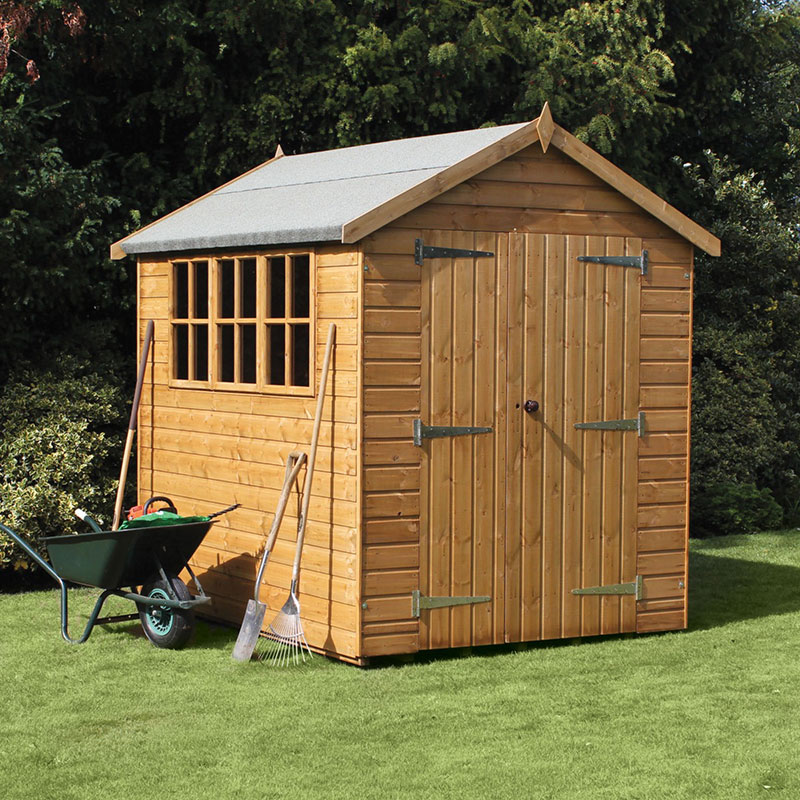
- Aped roof sheds offer a simple, sloping profile that directs rain away neatly and often suits a more traditional garden setting.
- Gable roof sheds provide the familiar pitched-roof look and usually give a more generous sense of height inside the centre line.
- Reverse apex sheds place the ridge across the shorter side, which can affect where the doors and windows work best.
- Pent roof sheds use a single slope and often give a modern feel, with useful height at the taller wall for shelves or tall tools.
The shape you choose changes more than the look. A gable can feel airy and suit overhead storage better, while a pent often works well close to a boundary or in a spot where you want a cleaner, lower profile. If you are matching an existing garden style, the roof line makes a bigger difference than many buyers expect.
Storage Shed, Workshop, Or A Bit Of Both?
One of the real strengths of a 14×12 garden shed is flexibility. Some buyers want a straightforward storage unit, where the focus is on keeping equipment dry and easy to reach. Others want a working space for potting, repairs, bike tuning, carving, painting, or quiet DIY. This size can do either, but the layout should suit the main job first.
A storage-led shed usually needs broad access, strong shelving, and a plan for larger items like rotary mowers, ladders, and boxes of seasonal kit. A workshop-led shed needs more clear wall space, room for a bench, and enough head height to avoid feeling boxed in. If you want both, the best results often come from dividing the interior into a storage side and a working side, so the tools you use most are not buried behind less-used items.
Timber, Metal, Or Resin: Different Feels, Different Uses
Material choice changes the whole character of a 14×12 shed. Each option has its own look, weight, and practical strengths, so it is worth matching the material to the way the shed will be used.
- Timber sheds suit gardens where a natural look matters. They often feel warmer inside and can be easier to customise with internal fittings.
- Metal sheds are usually chosen for a crisp, utilitarian look and can suit straightforward storage needs, especially where durability and low fuss are key points.
- Resin sheds tend to have a tidy, moulded finish and are often picked for a cleaner surface look and simple day-to-day use.
Timber often appeals when the shed is meant to sit comfortably among planting, fencing, and decking. Metal can feel more practical if the main aim is secure storage for equipment and bulk items. Resin can sit somewhere in between visually, with a neat finish and less of the traditional timber character. None is automatically right for everyone; the better choice is the one that matches how you actually use the space.
Door Positions That Change The Whole Layout
On a shed this size, door placement matters a lot. A double-door opening can make a big difference if you need to wheel in a mower, move in boxes, or shift longer items without awkward turning. A single door may suit narrower access points or a more storage-focused layout, but it can also limit the way the interior is organised.
Some 14×12 sheds place the doors on the 12ft side, while others use the longer wall. That affects how easily you can create a clear internal route. If the doors open on the wider side, you may get a more flexible front area for parking equipment. If they sit on the shorter wall, the shed can feel longer and more corridor-like, which can be helpful for bench placement and wall storage. This is the sort of detail that looks minor on paper, then turns out to matter every time you carry something in and out.
Windows, Light, And How The Space Feels Inside
Natural light changes how useful a shed feels. In a 14×12 workshop shed, windows can help you see what you are doing without having to rely on artificial lighting all the time. They also make the interior feel less closed in, which can be important when the shed is used for longer sessions rather than quick storage visits.
Different window styles create different benefits. Fixed windows are simple and often suit straightforward daylighting. Opening windows can add ventilation and make the space feel less stuffy, especially if the shed is being used as a hobby area. Glazed doors, side windows, and high-level panes each affect privacy and brightness in different ways. If the shed will store valuable tools, you may prefer a layout that brings in light without putting the contents on full display from the garden path.
Security And Peace Of Mind Without Making A Fuss
When people choose a 14×12 shed, they often are not just thinking about space, but also about what will be kept inside it. Larger sheds can hold more equipment, so the way they close, lock, and present from the outside becomes part of the buying decision. The aim is not to turn the garden into a fortress; it is simply to make access sensible and controlled.
Sturdy doors, a sensible lock position, and a layout that does not tempt you to leave valuable items visible through a window all help. If the shed will hold bikes, power tools, or expensive garden equipment, the internal arrangement should support that. Keep the most important items away from easy sightlines and make sure the door opening allows you to move them in and out without banging frames or corners. Small practical choices like that can make the shed feel better from the first week onwards.
Clearance, Access, And The Forgotten Measuring Bit
With a 14×12 garden shed, the footprint is only part of the story. You also need to think about how it will actually fit into the garden. Is there enough access to get the panels or sections into place? Will the doors open fully without clipping a fence, wall, or tree? Is there space in front for a wheelbarrow, mower, or bike to turn?
It is easy to focus on the size of the shed itself and forget the space around it. But the surrounding clearance can decide whether the shed feels comfortable to use or slightly awkward every time you need something from the back corner. If you plan to store longer tools, check the internal wall length against the items you already own, not just the shed label. A few centimetres can be the difference between neat storage and a leaning stack that never quite sits right.
Useful Inside: Shelves, Hooks, Benches, And Zones
The good thing about this size is that it can support more than one kind of storage setup. A 14×12 shed interior can be organised in a way that suits the items you already have, rather than forcing you to adapt everything to a tiny room.
- Wall shelving works well for hand tools, plant labels, gloves, seed trays, and boxed accessories.
- Hook systems are useful for rakes, spades, hoses, and other awkward shapes that do not stack neatly.
- A workbench fits nicely in many 14×12 layouts, leaving enough remaining room for storage or a clear route.
- Floor zones help separate bulky items like wheelbarrows, bags of compost, or folded furniture from the tools you use all the time.
It often helps to think in layers: things you reach for every week at eye level, seasonal items higher up or further back, and heavy gear low down where it is safer to lift. That simple approach makes a large shed feel well planned instead of just bigger.
Different Buyers, Different Reasons To Choose 14×12
People come to a 14×12 shed for very different reasons, and that is part of its appeal. For some, it is the tidy answer to too much garden clutter. For others, it is the missing room for a hobby that has outgrown the kitchen table. Some buyers want a place for bicycles, children’s outdoor kit, and the odd folding chair set. Others want a space for planting, sawing, assembling, and keeping work off the main patio.
This category also suits people who have already had a smaller shed and know the limitations. Once you have tried to fit a mower, a strimmer, three watering cans, Christmas decorations, and spare slabs into a compact building, a 14×12 size starts to look very sensible. It gives a bit of breathing room, and that often means the shed stays neater because it is easier to put things away properly in the first place.
How To Compare Models Without Getting Lost In The Listing
When looking through 14×12 sheds, it helps to compare the same few points each time rather than getting distracted by the pictures alone. Roof style, door width, window position, material, and internal height usually tell you more than a flashy angle shot.
- Check the internal size, not just the external label, especially if you need space for benches or longer equipment.
- Look at the door opening to see whether your largest item will actually pass through without a struggle.
- Compare wall heights if you plan to fit shelving or hang tools high on the wall.
- Think about placement in the garden, because the roof style and door position can suit one corner better than another.
If you are choosing between a few nearly similar options, the differences often come down to how the shed will work in real life. A layout that looks plain on the page can be more practical than one that looks clever but leaves you short on usable wall space. That is usually where the better choice becomes clear.
Why This Size Keeps Making Sense
The 14×12 shed sits in a useful middle ground. It is not a tiny store for only the essentials, and it is not so large that it feels overbearing in many average gardens. That balance is what makes it appealing. It can hold a serious amount of garden kit, support an organised hobby area, and still look like part of the garden rather than a building that dominates it.
For buyers who want room to grow into the space, this size also leaves options open. You may start with storage and later add a bench. Or you may begin with a hobby layout and later make room for sports equipment or bulkier garden gear. That adaptability is a proper advantage, because needs change over time and the shed does not have to feel out of date the moment the contents change.
The Small Decisions That Make A Large Shed Feel Right
Buying a 14×12 shed is often about the small decisions: where the door sits, how light enters, whether the roof feels tall enough, and how the inside will be divided. These details shape the daily experience far more than the headline size alone. A good fit is not just about capacity; it is about how naturally the shed works with the rest of the garden.
If you want a building that can handle storage, support hobbies, and keep larger items in order, this category offers plenty of scope. The best choice is usually the one that gives you room to move, room to store, and a layout that does not fight you every time you open the door. That is what makes a 14×12 shed worth a closer look.
[Sassy_Social_Share]