
Sheds 12x9 - Best Deals in UK!
Showing 1–12 of 13 results
-
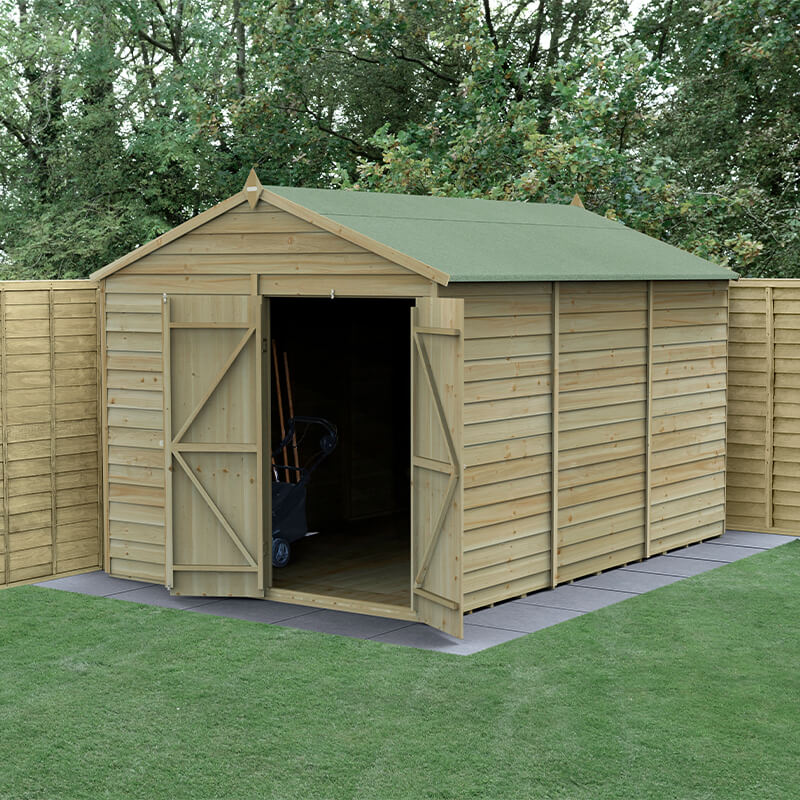
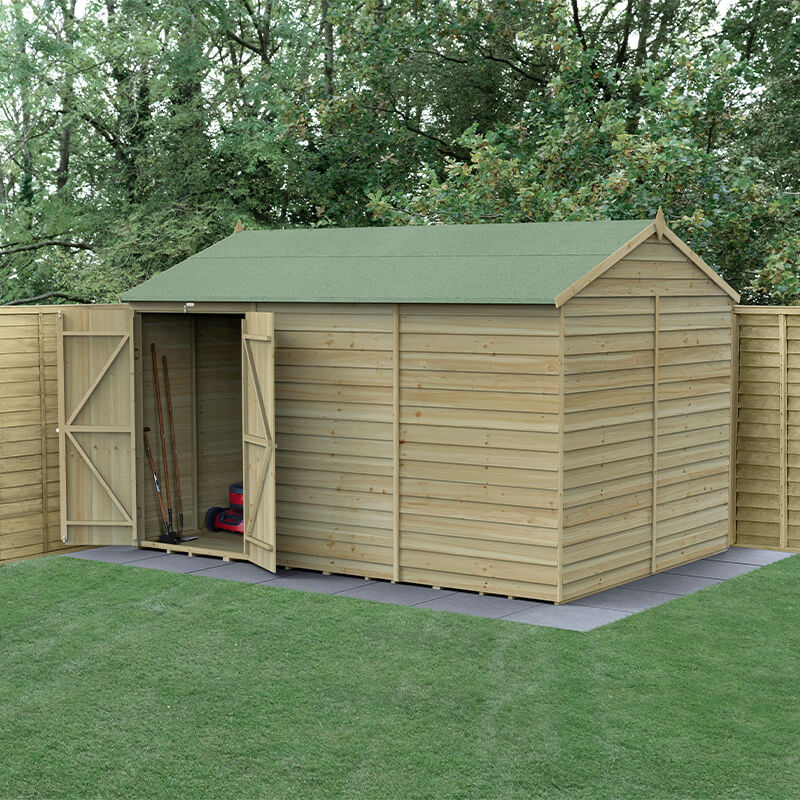
27% OFF: 12′ x 8′ Forest 4Life 25yr Guarantee Overlap Pressure Treated Windowless Double Door Reverse Apex Wooden Shed (3.6m x 2.61m) £769.9927%

-
25% OFF: 12′ x 8′ Forest 4Life 25yr Guarantee Overlap Pressure Treated Windowless Double Door Apex Wooden Shed (3.6m x 2.61m) £769.9925%

-
22% OFF: 12′ x 8′ Forest 4Life 25yr Guarantee Overlap Pressure Treated Double Door Apex Wooden Shed (3.6m x 2.61m) – Next Working Day Delivery £799.9922%

-
22% OFF: 12′ x 8′ Forest 4Life 25yr Guarantee Overlap Pressure Treated Double Door Apex Wooden Shed (3.6m x 2.61m) £799.9922%
-
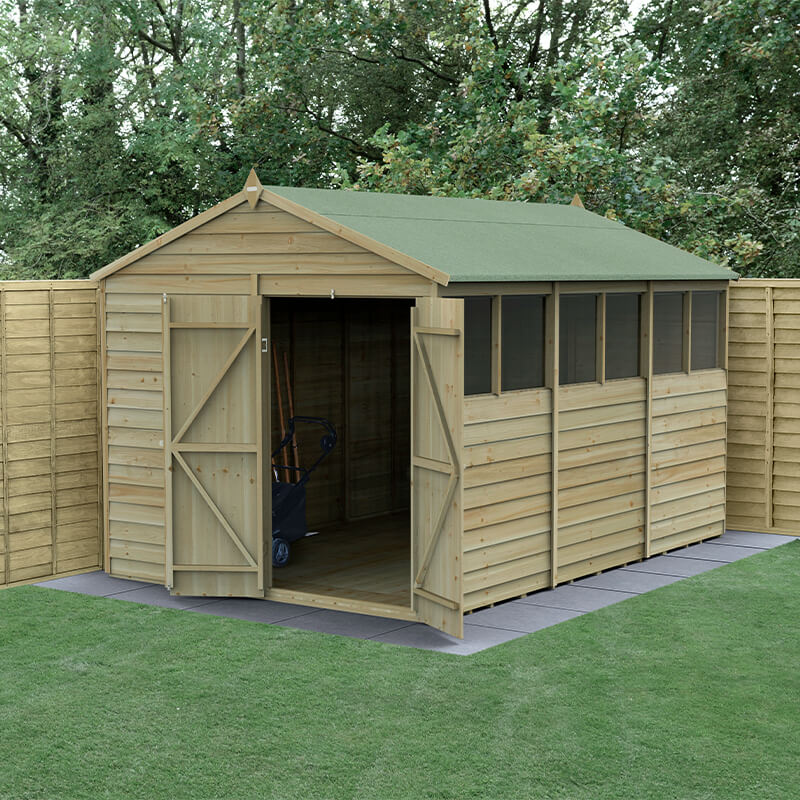
20% OFF: 12′ x 8′ Forest 4Life 25yr Guarantee Overlap Pressure Treated Double Door Reverse Apex Wooden Shed – 6 Windows (3.6m x 2.61m) £842.9920%

-
19% OFF: 12′ x 8′ Forest Timberdale 25yr Guarantee Tongue & Groove Pressure Treated Double Door Apex Shed (3.64m x 2.61m) £1,601.9919%

-
19% OFF: 12′ x 8′ Forest Timberdale 25yr Guarantee Tongue & Groove Pressure Treated Windowless Double Door Apex Shed (3.64m x 2.61m) £1,529.9919%

-
19% OFF: 12′ x 8′ Forest Timberdale 25yr Guarantee Tongue & Groove Pressure Treated Double Door Reverse Apex Shed (3.64m x 2.61m) £1,579.4919%

-
19% OFF: 12′ x 8′ Forest Timberdale 25yr Guarantee Tongue & Groove Pressure Treated Windowless Double Door Reverse Apex Shed (3.64m x 2.61m) £1,502.9919%

-
9% OFF: 12′ x 8′ Forest Beckwood 25yr Guarantee Shiplap Pressure Treated Double Door Reverse Apex Wooden Shed (3.6m x 2.61m) £997.999%

-
12′ x 8′ Forest Beckwood 25yr Guarantee Shiplap Pressure Treated Windowless Double Door Reverse Apex Wooden Shed (3.6m x 2.61m) £1,042.993%

-
12′ x 8′ Forest Beckwood 25yr Guarantee Shiplap Pressure Treated Windowless Double Door Apex Wooden Shed (3.6m x 2.61m) £1,069.99

12×9 sheds give you a roomy, practical footprint for storage, a compact workshop or a tidy garden base, with enough space for bikes, tools and furniture without taking over the plot.
A Size That Feels Purposeful, Not Bulky
A 12×9 shed sits in that useful middle ground where you get proper working space, but the building still feels manageable in an average garden. The shape suits buyers who need more than a small tuck-away store, yet do not want a structure that dominates the view. At roughly 12ft by 9ft, the layout often gives you room to organise by zone: one side for bulkier items, another for shelving, and a clear central aisle so you can actually move about without shuffling things every second.
That balance is a big part of the appeal. Smaller sheds can feel cramped the moment you add a mower, a bicycle, and a stack of pots. Larger garden buildings can ask for more visual space and a more considered garden layout. The 12×9 format tends to suit people who want a shed that looks intentional, with enough presence to feel useful, but not so much that it overwhelms a patio or lawn.
What Fits Inside: Real-World Uses, Not Wishful Thinking
People often choose 12×9 sheds because the size lines up with how they actually use a garden building. It is a good fit for:
Bestseller der Kategorie Sheds 12x9
- Garden equipment storage, including lawnmowers, hedge trimmers, spades and rakes
- Bike storage, especially where you need a bit of width for turning and parking
- Workshop space, with room for a bench, tools and a small amount of stock or materials
- Outdoor furniture storage, such as cushions, tables and foldable chairs
- Mixed-use layouts, where half the shed handles storage and the other half stays open for a task area
That flexibility is one of the strongest reasons to go for this footprint. A 12×9 shed can adapt as your needs change, which matters if you are not buying for one single use. It may start as a storage building and later become a potting space, hobby zone, or somewhere to sort recycling bins and seasonal kit. You do not need to commit to one role from day one.
Shape Matters More Than You Think
Not every shed in this size has the same feel. The 12×9 footprint can come in different shapes and roof profiles, and the differences are worth noting before you choose. A pent roof shed gives a clean, sloping profile that often suits placing the building against a fence or boundary. It can help rainwater run in one direction and tends to look neat in more contemporary gardens.
A apex roof shed offers the classic pitched look, with extra headroom in the middle and a more traditional garden-building style. This can be handy if you want to stand upright more comfortably in the centre, or if the shed is going to be used for more than simple storage. The pitch also gives the building a bit more visual character, which some buyers prefer when the shed will be seen from the house or patio.
Then there are the more utility-led shapes, such as a slimline rectangular layout with a practical door position, or versions with a broader front face that suit wheelbarrow access. These differences may sound small, but they change how easy the shed is to use day to day. A shed can have the right size on paper and still feel awkward if the door placement or roof profile does not suit your routine.
Wood, Metal or Plastic? The Material Question
The 12×9 shed category is not just about size; it is also about what the building is made from. Each material has its own character, and the differences can be quite noticeable.
Wooden sheds are often chosen for their natural look and easy fit into a garden setting. In a 12×9 format, timber can feel warm and more integrated with planting, fencing and paving. It also tends to appeal to buyers who like a building that feels a bit more bespoke, even when it is a standard size.
Metal sheds usually lean towards practicality and a firmer, more industrial feel. In this size, they can suit buyers who want a straight-forward storage unit for tools, bikes or general garden gear. The feel is more utilitarian, and some people prefer that because the shed is there to do a job without fuss.
Plastic or resin sheds can suit those looking for a tidy, consistent finish and a lighter visual presence. A 12×9 plastic shed may work well where the garden design is simple and clean, or where you want a neat storage building with a less rustic edge. The main difference is the look and the way it fits into the garden setting, so it is worth thinking about whether you want the shed to blend in or stand out a little.
Door Styles, Access Points and Everyday Ease
With a 12×9 shed, access is not a small detail. It changes how useful the building feels. A single door may be fine if you are storing lighter items, but double doors can make a big difference when you are moving in a mower, a bench, or boxed garden supplies. Wider access also helps if you want to wheel things in rather than lift them.
Some sheds in this category have doors placed on the long side, while others open from the 12ft end. That difference matters because it affects how you arrange the inside. A long-side opening can create a broader entrance into the main space, while an end opening may suit a more linear layout with shelves along one or both sides. There is not one right answer, just a better match for the way you work.
Glazed doors or windows can also alter the feel. Not because a shed needs to be pretty, but because daylight helps if you are looking for items quickly or using the building as a small task area. A darker interior can be fine for storage, though many buyers prefer at least some natural light, especially in a shed this size where the building may do more than hold clutter.
Why 12×9 Often Beats “Just a Bit Bigger” or “Just a Bit Smaller”
The difference between sizes is not only about square footage. A 12×9 shed often avoids the compromises that come with going too small. In a compact shed, you may have to stack everything vertically and accept that moving around is awkward. In a bigger shed, you may gain room, but also more structure to accommodate, more visual impact, and sometimes a garden layout that has to work harder around it.
What makes 12×9 appealing is the way the space behaves. It can support a narrow workbench, wall storage, and central standing room at the same time. That means you are less likely to end up with a shed that becomes a pile-up zone. It gives you a bit of breathing room, which matters when you are reaching for a tool, turning a bike, or trying to keep dry paint cans away from the door.
For many buyers, this size is a practical upgrade rather than a dramatic jump. It feels deliberate. You are not buying excess space for the sake of it, but you are giving yourself enough area to sort things properly. That often makes the shed feel more useful from the first day, and less like a box that needs constant rearranging.
Details That Change How the Shed Works
When looking at 12×9 sheds, the details should not be overlooked, because they shape the experience inside. The height, for example, can affect whether tall shelving feels comfortable or whether you keep brushing the roof line when carrying long-handled tools. Roof style also changes the sense of space, with an apex giving a different internal feel to a pent.
Window placement is another one. A shed with a side window can be better for natural light if the front is busy with doors and storage. A front window may suit a view from the house or a layout where you want the daylight to land on a bench. If you are using the shed for hobbies, a well-placed window can make the whole room feel more usable without adding anything fancy.
The floor area itself gives enough scope for split use. Some buyers like to keep the front as a clear access zone, then run shelving around the back wall. Others prefer a narrow work bench on one side and open storage on the other. In a 12×9 space, that kind of planning makes a real difference. A small bit of forethought can stop the interior becoming awkward after the first few items go in.
Buying With the Garden in Mind
Before choosing a 12×9 shed, it helps to think about the setting as much as the building. The shed should sit in a way that feels joined to the garden rather than dropped into it. That means checking how the roofline sits against fences, whether the doors will open without snagging plants or paving, and whether the shed leaves you enough room to move around the outside.
It is also worth thinking about the garden’s visual rhythm. A wooden apex shed can suit a more traditional plot with planting and curves. A cleaner pent-roof shape can look right in a straight-edged, modern garden. The same size can feel either soft or structured depending on the material and roof line, so the footprint is only part of the story.
If you are hoping to use the shed for mixed storage, make a rough list of the biggest items first. Then think about how often you need to reach them. The most useful sheds are not always the ones with the most space, but the ones that make the space easy to use. That is where the 12×9 layout can really work for you, because it leaves enough room to think in practical terms, not just in measurements.
Subtle Advantages That Add Up
A 12×9 shed brings a number of small advantages that tend to matter once the novelty has worn off. The space is large enough to avoid constant over-stacking, yet still compact enough to keep the garden feeling open. That can make the whole outdoor area more comfortable to live with, especially if the shed sits near a seating area or lawn.
It can also make organising easier. Instead of trying to cram one area with every tool, you can separate items by type or season. Spring items in one corner, heavier equipment in another, and leisure kit closer to the front. This sort of layout is less about neatness for its own sake and more about reducing time wasted looking for things.
Another often-overlooked point is that a 12×9 building can suit changing priorities. A family may use it one way now and another way later. That ability to shift without replacing the whole building is a real selling point. You are not just buying a shed; you are choosing a size that can keep up a bit.
Choosing the Right Version Without Overcomplicating It
If you are browsing 12×9 sheds, try to compare them by use rather than by image alone. Ask yourself whether you need broad access, extra headroom, a more traditional look, or a cleaner footprint. A shed that seems similar at first glance can behave quite differently once installed, especially when you begin adding shelves, bins, bikes or a bench.
Look closely at the balance between form and function. An apex roof may offer a friendlier internal feel. A pent roof may suit a tighter side boundary. A wooden finish may help the shed settle into a planted garden, while a metal finish may suit a more straightforward, no-nonsense setup. There is no single winning option, but there is usually one that fits the garden better than the others.
And if you are still deciding, picture the shed in use, not just in place. Open the doors in your head. Move a wheelbarrow through. Imagine where the bigger items go. A good 12×9 shed should make those movements feel easy. That is usually the clearest sign you have found the right one.
The Kind of Purchase That Feels Thought Through
People do not usually buy a 12×9 shed by accident. It tends to be a choice made after a bit of measuring, a bit of comparing, and a fair amount of imagining how the garden could work better. That is part of the charm. It is a practical purchase, but also one that changes how the space behaves.
Whether you need a smarter way to store tools, a more organised bike home, or a shed that can take on a few roles at once, the 12×9 size gives you room to work with. It offers a useful step up from smaller buildings without pushing into unnecessary scale. For many gardens, that is exactly the sweet spot.
When the size, shape and access all line up, the shed becomes less of an add-on and more of a proper part of the garden. And that is often what buyers are really after: a structure that feels like it belongs there, does the job properly, and leaves the rest of the space usable too.
[Sassy_Social_Share]