
Sheds 12x12 - Best Deals in UK!
Showing the single result

12×12 sheds offer generous storage, workshop space and flexible garden use, with options in timber, metal and plastic, plus apex, pent, lean-to and corner styles for different plots and needs.
Why a 12×12 Shed Changes the Feel of a Garden
A 12×12 shed gives you a proper room outside, not just a box for tools. With roughly 144 square feet to work with, this size suits people who want more than basic storage. It can hold larger garden kit, bikes, seasonal furniture, a potting setup, or a hobby space without feeling cramped. For many buyers, the appeal is that it sits in a useful middle ground: big enough to be practical, yet still easier to position than very large outbuildings.
This category is a strong fit if you want clear zoning inside the shed. One side can be for shelving and tools, another for bulkier items, and there is still room to move. That matters if you are tired of stacking everything to the ceiling and then unearthing the wrong thing at the wrong time. A 12×12 shed often solves that problem with a bit more breathing space.
Shape Matters More Than You Think
When people search for sheds 12×12, they are usually thinking about the footprint, but the roof and form change how the shed feels and functions. The same floor area can behave very differently depending on the shape.
Bestseller der Kategorie Sheds 12x12
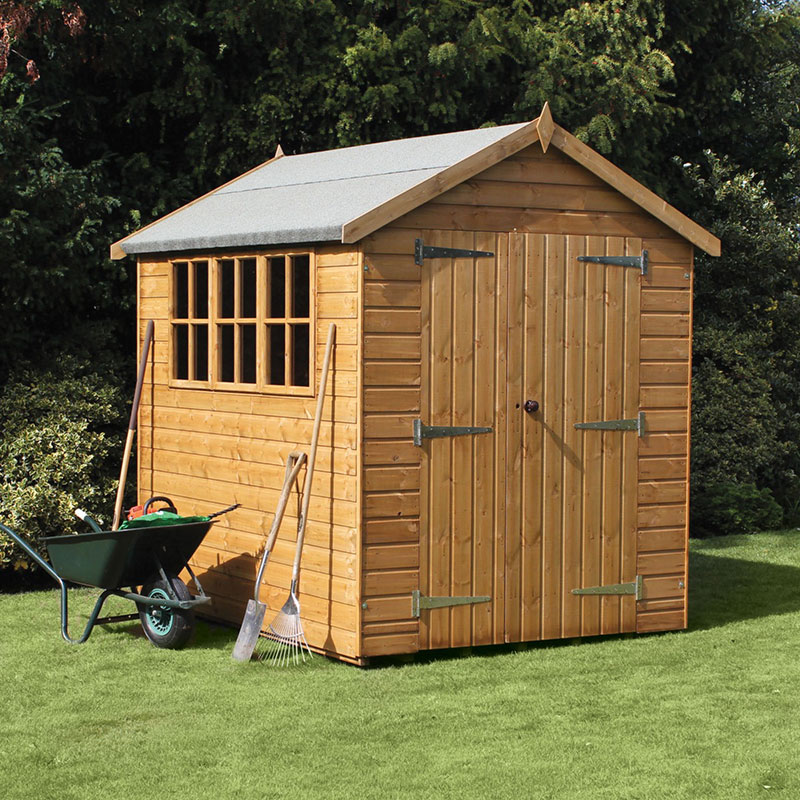
- Apex sheds have a pitched roof and a familiar look. They tend to suit traditional gardens and offer good headroom in the centre.
- Pent sheds use a sloping single roof, often with a more modern feel. They can sit neatly against fences or walls and sometimes look less bulky from the garden.
- Lean-to sheds make clever use of boundary space. They are handy where height is limited, or where the shed needs to tuck close to another structure.
- Corner sheds are useful if you want to reclaim a less-used part of the plot. A 12×12 corner layout can work well when the main lawn or seating area needs to stay open.
The choice is not only about style. It affects usable height, rainwater run-off, and how the shed sits in relation to surrounding trees, fences or garage walls. A pent roof can feel less dominant, while an apex roof can give a more open internal profile. If you plan to stand inside for longer periods, roof shape really does matter.
Timber, Metal or Plastic: A Straight Comparison
12×12 sheds are commonly found in timber, metal and plastic/resin builds, and each material changes the character of the shed.
Timber sheds are often chosen for their natural look and flexibility. They can blend into a planted garden better than other materials, and they usually feel more like a proper garden room. Timber is also easier for many people to customise inside with hooks, shelves or work surfaces. The trade-off is that timber generally asks for more decision-making at the point of purchase, because board thickness, framing and cladding style all affect how solid the shed feels.
Metal sheds are valued for their neat, often slimmer appearance and straightforward storage use. They can be a sensible option if your priority is a practical enclosure for equipment. In a 12×12 size, metal sheds may feel especially efficient, but they can have a different internal character from timber — more functional than homely, if that makes sense.
Plastic or resin sheds are usually picked for convenience and a clean finish. They can suit buyers who want a tidy exterior and a lighter-looking structure. For a 12×12 footprint, the attraction is often the balance between capacity and a less heavy visual presence. They tend to work well where the main aim is organised storage rather than a fully crafted workshop feel.
Under-the-Roof Differences That Affect Daily Use
Within the 12×12 shed category, the small details make a lot of difference. Buyers often compare door width, eaves height, ridge height, panel thickness, and the number or position of windows. These details decide whether the shed simply stores things, or actually works as a space you enjoy using.
For example, a wider double-door opening makes life easier if you are moving in a mower, bike, wheelbarrow or boxed furniture. Narrower doors can be fine for hand tools, but less forgiving when you are carrying awkward items. Likewise, a taller wall height gives more room for shelving along the sides, which helps keep the floor clear.
Windowed versions suit buyers who want daylight for sorting, potting or occasional workspace use. Windowless 12×12 sheds, by contrast, can feel more secure and private, especially when storing equipment that should stay out of sight. The right choice depends on how you actually use the shed, not just how it looks in a listing.
What a 12×12 Shed Fits Without a Jigsaw Puzzle
This is the size where storage starts to feel sensible rather than improvised. A 12×12 garden shed can often take:
- Larger lawn equipment, such as mowers and garden machines
- Bikes, with room to walk around them instead of climbing over them
- Outdoor furniture, including bulkier items that are awkward in smaller sheds
- Potting benches and shelving, if you want a working setup
- Seasonal items, like cushions, planters or parasols
- DIY materials, boxes, and long-handled tools
What many people like is the ability to divide the shed into zones. One wall for vertical storage, one corner for bulky gear, one section for smaller items in bins or on shelves. That kind of layout is hard to achieve in compact sheds, where everything ends up stacked in a way that is, frankly, a bit annoying.
When the Footprint Is the Same, the Feel Can Be Very Different
Two sheds with the same 12×12 footprint can still feel completely different inside. A shed with wide doors, tall eaves and a simple rectangular form may feel open and easy to organise. Another with a lower roof pitch or internal bracing in awkward places may feel more restricted.
This is why it helps to compare layout efficiency, not just size. A square 12×12 design often gives very balanced access and simple storage planning. A more elongated interpretation of the same nominal size, or a corner-based layout, may suit awkward plots better. If your garden has a clear central lawn, a square build can sit neatly without fighting the space. If the plot narrows or turns, a different shape within the category might feel more natural.
Think too about how the shed will be approached. If you need to carry items in from a side path, the position of the doors matters. If the shed faces an open part of the garden, a more decorative exterior may be worth looking for. The right 12×12 shed should solve a space problem, not create a new one.
Details Buyers Often Notice Too Late
A shed can look right online and still be awkward once it is in place. For that reason, it helps to pay attention to a few practical points before buying:
- Door swing and whether it suits the surrounding space
- Internal width near the door, especially for wheeling items in
- Window placement, if you want daylight without sacrificing wall storage
- Wall construction, because stronger framing generally feels more stable
- Roof style, which affects both the look and the internal headroom
- Finish colour and texture, especially if the shed will be visible from the house
These are the kinds of things that can make a shed feel thoughtfully chosen rather than just bought in a rush. And with a 12×12 unit, small specification choices have a bigger effect because you are likely expecting the space to do more than one job.
Storage, Hobby Space, or Something In Between
The strength of a 12×12 shed is its flexibility. Many buyers start by wanting storage, then realise the size allows for a second function as well. A storage-first shed can keep the centre clear and use the walls fully. A hobby-focused shed may need more natural light and a cleaner internal arrangement. Some people go for a mix: half storage, half workspace. That is often where this size really comes into its own.
If you are thinking about a workshop-style shed, square proportions are useful because they make it easier to place a bench, a stool and storage without wasting corners. If your aim is more about garden equipment storage, then door width, floor space and access flow become the main priorities. For bikes and larger items, the key question is whether you can move them in without twisting or lifting too much.
It is also worth noting that a 12×12 shed can suit gardens where you want the structure to feel present, but not overpowering. It has enough scale to be useful, yet can still sit comfortably if the surrounding planting, fencing or paving is planned with care.
Choosing the Right 12×12 Shed for Your Plot
Start with the space you actually have, not the one you imagine you have. Measure access routes, not only the final resting place. A 12×12 shed may fit the garden, but you also need to think about how it gets there, and whether the doorway, path and turning space are sensible for the items you plan to store.
Then match the shed type to the use. If it is mostly for storage, a simpler build with efficient internal space may be enough. If you want to spend time inside it, look for a shape and roof that gives a more comfortable feel. If you want the shed to blend in, timber often feels more in tune with planting and natural textures. If you want a more direct storage solution, metal or resin may suit the brief better.
Size-wise, 12×12 gives room to be selective. That is the point. You do not need every corner to be packed. A little open space inside makes the shed easier to use day after day, and that is often what people end up valuing most.
Small Choices That Make a Big Difference Later
People often focus on the headline size and miss the bits that shape everyday use. A 12×12 shed with the wrong door layout can be a nuisance. A version with too little internal height may feel lower than expected. A shed with the right access and sensible internal proportions can feel like it was made for the garden, even if it is a standard size.
That is why this category is worth comparing carefully. Look at the shape, the material, the opening style, and the overall proportions, not just the number 12×12. The best match is the one that suits your plot, your storage habits and the way you want the garden to work.
In the end, a good 12×12 shed should make life easier. It should give things a place, reduce clutter, and offer a bit of order in a space that otherwise tends to collect odd bits and pieces. That practical calm is often the real reason people choose this size.
[Sassy_Social_Share]