
Sheds 11x7 - Best Deals in UK!
Showing all 3 results
-
24% OFF: 10′ x 7′ Shire Guernsey Double Door Wooden Garden Shed (3.35m x 2.2m) £814.9924%

-
6% OFF: 10′ x 7′ Shire Guernsey Double Door Wooden Garden Shed (3.35m x 2.2m) £1,009.006%
-
6% OFF: 10′ x 7′ Shire Guernsey Double Door Wooden Garden Shed (3.35m x 2.2m) £1,008.996%
11×7 sheds offer a practical mid-sized footprint for garden storage, workshop space and tidy outdoor organisation, with room for tools, bikes and seasonal gear.
A size that fits more than you might expect
A 11×7 shed sits in a useful middle ground: large enough to do proper work, yet compact enough to slot into many gardens without taking over the whole plot. That extra length gives you room to separate storage zones, while the 7ft width still feels manageable for everyday use. For buyers comparing shed sizes, this format often makes the difference between a simple store and a space that can actually work for you.
What makes this category so handy is the balance of floor area and practical access. You can place shelving along one side, keep heavier kit at the back, and still leave a clear centre aisle. That means less shuffling things around every time you need something. If you’re moving beyond a small tool cupboard or a narrow bike store, the 11×7 layout gives you a more organised setup without needing a huge garden footprint.
Different styles in the 11×7 range
Not all 11×7 sheds look or feel the same. The category usually includes a mix of building styles, and the shape you choose changes how the shed behaves in day-to-day use.
Bestseller der Kategorie Sheds 11x7
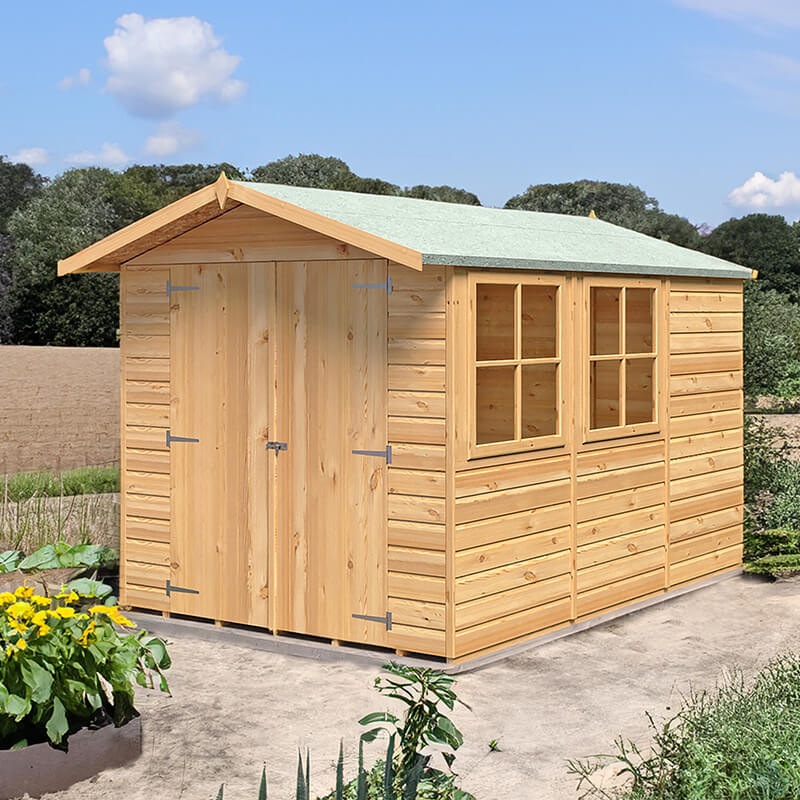
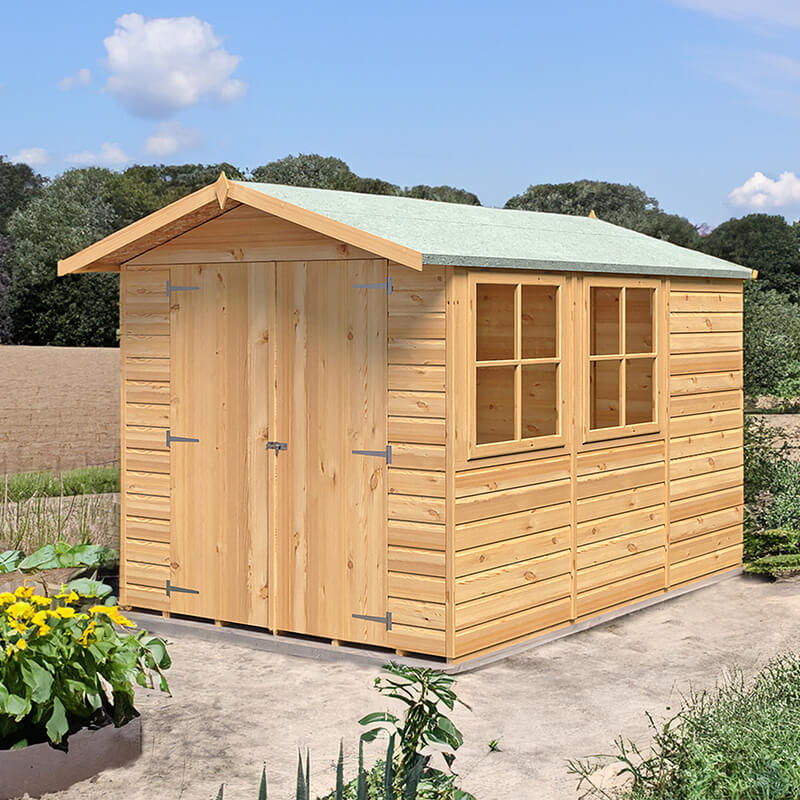
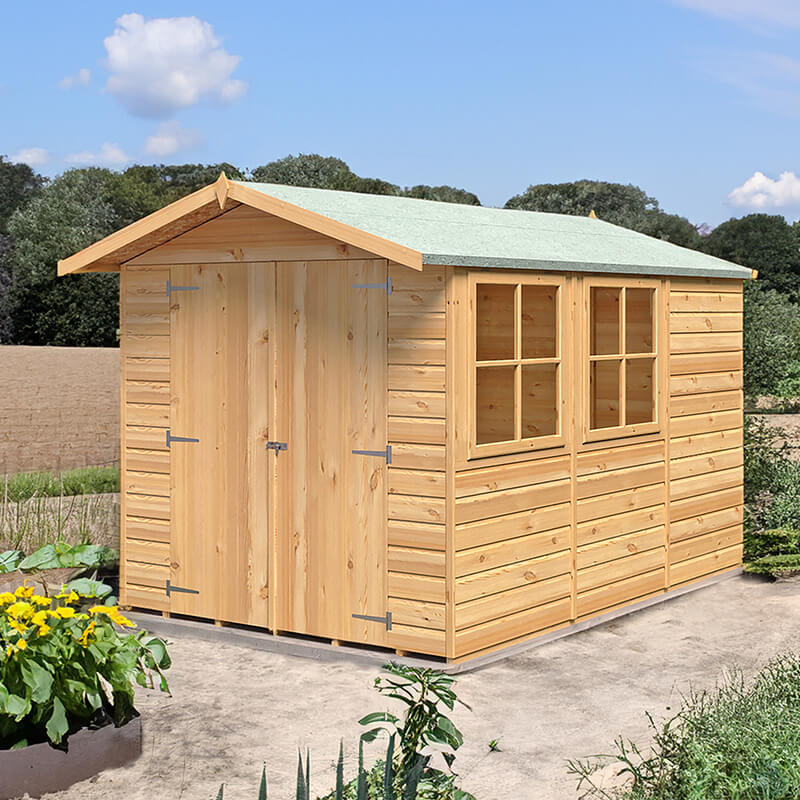
- Aped roof sheds offer a classic look and often give more headroom in the centre, which suits general garden storage and moving taller items in and out.
- Pent sheds use a single sloping roof line, making them a neat choice for placing against a fence or boundary. They tend to suit modern gardens and can feel a bit more compact visually.
- Corner-style layouts appear less often, but when they do, they can help make clever use of awkward plots. The 11×7 footprint can work well if the garden has a long edge or a defined side return.
- Workshop-oriented sheds in this size usually focus on usable internal space, with a practical door layout and more room for benches, storage units or hobby kit.
The key difference is not just how they look, but how the space is used. A pent shed may be easier to position discreetly, while an apex shed can feel better when you need more central clearance. If the shed is going to store tall garden tools, ladders or boxed items, roof shape and internal height can matter just as much as footprint.
What the 11×7 footprint works for
This category is often chosen for a very specific reason: it is roomy enough to handle more than one job. An 11×7 shed can act as a general store, but it can also support organised zones for DIY kit, garden machinery, bikes, children’s outdoor toys or potting gear. For households with a growing list of things that do not belong in the house, that extra bit of width and depth is genuinely useful.
It is also a sensible size for people who want to keep bulkier items out of the garage. Petrol mowers, composters, folding furniture, rakes, spades, sacks of feed, and boxes of seasonal decorations all tend to fit more comfortably when there is enough depth to stack them without creating a mess. The 11×7 format gives you that bit more breathing room, so items are not pressed right up against the door.
Material choices that change the feel
Material makes a big difference to how an 11×7 shed behaves and how it fits into a garden. The main options each have their own character and practical strengths.
- Timber sheds suit buyers who want a traditional garden look and a structure that feels at home beside planting, fencing and natural materials.
- Metal sheds tend to appeal when the focus is on straightforward storage and a crisp, uncluttered finish. They can work well where the shed is mainly for equipment and boxed items.
- Plastic or resin sheds are often chosen for a cleaner, more uniform appearance, and they can suit gardens where a low-fuss exterior is preferred.
The difference is not only visual. A timber shed often feels more adaptable inside, especially if you like the idea of fixing shelving or hooks in a straightforward way. Metal and plastic types can lean more towards ready-made storage simplicity, which some buyers prefer when they want a neat, defined space with less visual clutter. Choosing the right material is less about a trend and more about how you plan to use the building.
Door layout, access and everyday convenience
One detail that buyers sometimes overlook is door position. In an 11×7 shed, the door arrangement has a real effect on how easy the space is to use. A centrally placed double door can make it simpler to move in larger items such as wheelbarrows, mowers or flat-packed furniture. A single door may suit narrower access routes or a more compact external profile, though it can feel less open when you are carrying awkward kit.
If the shed is going to be used regularly, think about how you enter and leave the space. In a long shed, a door that opens onto the most practical side can save time and faff. That matters when you’re carrying things in rain, or just trying to get to the right box without moving three others first. The easiest sheds to live with are often the ones that line up with the way people actually move around the garden.
Roof lines and the difference they make
The roof form shapes both the look and the internal usefulness of an 11×7 shed. An apex roof gives that familiar pitched profile and can create a more open feeling down the middle. This is useful if you are storing taller items or if you want the shed to feel less boxy inside. A pent roof creates a lower outer line, which can help the shed sit neatly along a boundary and may suit gardens where visual height needs to be kept down.
Some buyers choose the roof shape based on appearance first, but it is worth thinking about the inside as well. With a longer footprint like 11×7, the roof profile can influence where shelves sit and how the usable wall space feels. A shed that looks tidy from the outside might be more practical on the inside if the roof slope works with your storage plan, not against it.
Room for zones, not just piles
One of the nicer things about an 11×7 shed is that it allows for proper separation inside. Instead of one big heap of tools and boxes, you can create distinct areas: a section for long-handled garden tools, a corner for machine storage, a shelf area for plant pots or seed trays, and a clear path through the middle. That kind of layout makes a shed feel calmer and easier to use.
People often underestimate the value of having a clear central strip. It sounds small, but in daily use it means you are not always stepping over things or pulling everything out just to reach one item at the back. In a category like this, the size difference between 10×8 and 11×7, or between 8×6 and 11×7, can be quite noticeable once you start organising the interior properly.
How 11×7 compares with smaller and larger sheds
If you are choosing between shed sizes, the 11×7 category is often the point where storage starts to feel more deliberate. Smaller sheds can be fine for hand tools, compost bags and a few outdoor bits, but they can become cramped once larger items enter the picture. A slightly bigger structure gives you more options without jumping to a very large outbuilding.
Compared with larger footprints, an 11×7 shed is usually easier to position in a typical garden and may leave more usable lawn, planting or patio space around it. That can matter when you want the shed to support the garden rather than dominate it. The balance here is practical: enough room to matter, without making the whole area feel built over. For many buyers, that is where the appeal sits.
Good reasons people choose this category
There are a few clear reasons why buyers keep coming back to 11×7 sheds. It is a size that supports both storage and light working use, and it can adapt to different garden layouts. It also tends to suit households where the contents are changing over time: garden furniture in one season, bikes in another, DIY tools and spare pots all year round.
- More usable storage than a compact shed, without needing a very large plot.
- Flexible internal layout for shelves, hooks and separate zones.
- Better access for larger items than narrow storage units.
- Room for mixed use, such as gardening, hobbies and general household overflow.
- A balanced garden presence, especially where a shed needs to look tidy rather than bulky.
Tips for choosing the right one
When shopping this category, it helps to think beyond the headline size. First, check the internal layout rather than only the outside dimensions, because wall thickness and framing can affect usable space. Second, look at the door opening width if you plan to store bikes, mowers or anything with a wider profile. Third, consider where the shed will sit in relation to paths, fences and planting, because the same 11×7 footprint can feel very different depending on placement.
It is also worth thinking about the kind of load the shed will hold. A storage-led buyer may want shelves and stacked boxes, while someone using it as a hobby space may care more about standing room and wall space. If you like the idea of changing the use later, a more open interior is usually a safer choice. That way, the shed can grow into your routine instead of boxing you into one layout.
Small differences that make a big everyday impact
With sheds, the finer points often matter more than the headline. In the 11×7 category, things like window placement, door style, roof pitch and wall layout all affect how pleasant the shed feels to use. A window can help the space feel less closed in if you plan to spend time inside. A double door may feel easier for larger storage. A more enclosed wall design can suit buyers who want the contents out of sight.
These differences are not about making one shed “better” than another. They are about matching the building to the job. Someone storing a few tools and chairs will want a different setup from someone housing bikes, a lawnmower and long-handled equipment. The 11×7 size works because it gives enough scope to make those choices without moving into a much bigger build.
A sensible category for organised outdoor space
If you want a shed that can do a proper job, 11×7 sheds are a strong category to look through. They offer enough room for real storage, enough shape options to suit different gardens, and enough flexibility to support changing needs over time. Whether you prefer the classic feel of timber, the clean lines of metal or the straightforward look of resin, this size gives you a usable base to work with.
For buyers who are trying to keep the garden ordered without giving up too much space, the 11×7 format is easy to see the appeal of. It is not trying to be oversized, but it is not cramped either. That makes it a neat fit for practical homes, busy households and anyone who wants their outdoor storage to feel planned rather than improvised.
[Sassy_Social_Share]