
Sheds 11x11 - Best Deals in UK!
Showing the single result

11×11 sheds give you a roomy, square footprint for storage, hobby use and tidy outdoor organisation, with enough depth for bikes, tools, garden kit and bench space without taking over the plot.
A square footprint that works harder
An 11×11 shed offers a near-even layout, which makes planning the inside far easier than with narrower rectangular buildings. Because the sides are equal, you can create balanced zones for storage, a work corner and open access in the middle. That shape is useful when you want to park a mower on one side, hang hand tools on another, and still have space to move about without awkward dead corners. It is one of those sizes that feels neat on paper, but in real use it gives you a proper amount of breathing room.
For many gardens, this size sits in a very useful middle ground: bigger than a compact tool store, but not as demanding as a full garden room. If you are comparing shed sizes, the 11×11 format stands out because it can serve as storage and as a practical utility space. That makes it a strong option for anyone who does not want to outgrow the shed too quickly.
What fits inside an 11×11 shed
The main draw of this category is simple: the internal floor area is generous enough for mixed use. Depending on the internal layout, many buyers use an 11×11 shed for:
Bestseller der Kategorie Sheds 11x11
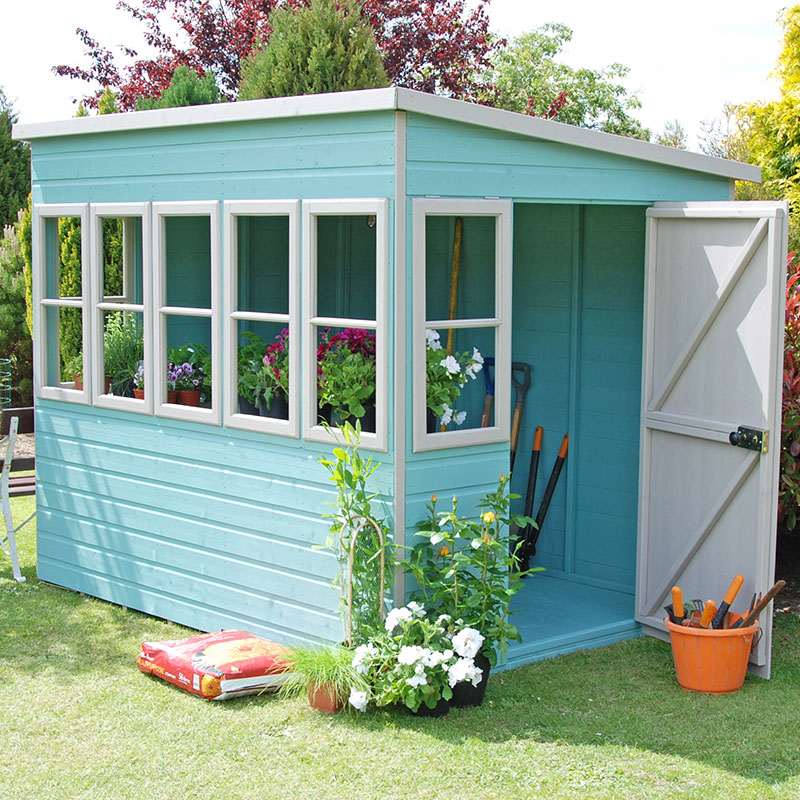
- Garden machinery such as mowers, scarifiers or petrol tools
- Bikes and cycling kit, with room to walk past them
- Long-handled tools like rakes, forks and spades
- Outdoor furniture cushions, parasols or foldable chairs
- DIY supplies, paint tins and storage boxes
- Bench work for potting, repairs or hobby projects
Because the shed is square, it tends to suit symmetrical storage better than a long, narrow building. If you have kit that is used in pairs, or a central aisle in mind, the layout can feel more natural. It is also easier to split the space into “keep” areas and “grab quickly” areas, which is handy when you want everyday items near the door and bulkier things set further back.
Shapes and roof styles that change the feel
Even within the same footprint, an 11×11 shed can look and function quite differently depending on the roof shape. A pent roof gives a crisp, modern outline and often suits a side wall that sits slightly lower at the back, which can be practical if your garden has height limits or you prefer a clean line against a fence. A apex roof has the classic triangular profile and often creates a more traditional shed look, with a higher centre point that helps the inside feel less cramped.
There are also differences in how much wall space you get. A pent design can offer a more straightforward front-to-back layout, while an apex shape may give you a bit more headroom through the centre. That matters if you plan to stand upright in the middle of the shed or fit taller shelving. The choice is not just visual; it changes the way you move inside and where larger items sit best.
Wood, metal or plastic: picking the right material
When buyers compare 11×11 sheds, material is often the deciding factor. Wooden sheds are usually chosen for their natural look and adaptable feel. They tend to suit gardens where the shed should blend in, and they are a strong fit if you want to customise the inside with shelves, hooks or a work surface. The character of timber can make the shed feel like part of the garden rather than just a box placed on it.
Metal sheds are more often picked for a cleaner, utilitarian look. They can suit buyers who want a straightforward storage building with a neat exterior and a no-fuss appearance. Plastic or resin sheds offer a different appeal again, often attracting people who want a tidy finish and a lighter visual presence. Each material has its own feel, so the right choice depends on whether the shed is mainly for visual harmony, practical storage, or a mix of both.
A useful difference to note is how each material shapes the inside space. Timber often gives a warmer, more adaptable interior for fitting-out. Metal can feel more rigid and structured. Resin may suit someone who values clean lines and a more contained storage space. There is no single right answer, but the material should match the way you plan to use the shed rather than only the way it looks from the patio.
Why this size suits more than just storage
An 11×11 shed is not only about stacking items out of sight. The square layout makes it a candidate for buyers who want a space that can change with the seasons. In spring, it may be for pots, compost sacks and garden tools; in summer, it can hold furniture and play items; in autumn, it becomes the place for bulky outdoor kit that would otherwise clutter the garage. That flexibility is one of its biggest strengths.
This category also appeals to people who want a shed that feels more considered. Because the size is substantial, it can help reduce the stop-start clutter that comes with smaller sheds. Instead of cramming items on top of each other, you can give each type of equipment its own place. That can make the whole garden feel calmer, even if the shed itself is doing all the heavy lifting.
Door placement, access and everyday use
In a shed this size, door placement matters a lot. A wider door can make it easier to roll in larger items, while a more central opening may create a balanced approach to access. For buyers storing a mower, wheelbarrow or bikes, a practical entrance can save a lot of awkward lifting. It is worth thinking about how often you will move large things in and out, not just what you plan to keep inside.
Some people prefer a front-facing opening so the layout is easy to read at a glance. Others like a side access feel if the shed sits in a corner and the approach path is tighter. With an 11×11 footprint, the placement of the doors can influence whether the interior feels like one open zone or two clearer sections. That difference can be more important than it first appears, especialy if the shed is doing double duty.
How the shape changes storage inside
The square form gives a different sort of order compared with rectangular sheds of a similar area. In a long, narrow shed, items tend to line up in one direction, which can work well for rakes and boards but less well for mixed kit. In an 11×11 shed, you have more freedom to place larger items in corners and still keep a clear route through the middle. That can make storage feel less forced.
This is especially useful if you want to use freestanding shelving, stackable boxes or a worktable. The equal sides allow a more even division of space, and that can help prevent one side becoming overloaded while the other stays underused. If you are trying to make the most of the footprint, this is one of the easiest sizes to plan around because it gives you balance without feeling cramped.
Practical buying points worth checking
When browsing 11×11 sheds, there are a few details that can make a real difference once the shed is in place:
- Internal headroom if you want to stand upright or use tall shelving
- Door width for moving bikes, lawn equipment or storage boxes
- Wall panel layout if you plan to add hooks or internal organisers
- Roof style if the shed sits close to a boundary or fence
- Window placement if you want better light for finding items quickly
- Floor type if the shed will hold heavier gear or stacked loads
These details affect how the shed feels in use, not just how it appears in a product photo. A model with the right footprint can still feel awkward if the entrance is too tight or the roofline does not suit the space. So it is worth matching the shed to the things you actually own, rather than buying on size alone.
When an 11×11 shed makes more sense than smaller sizes
Smaller sheds can work well for hand tools and a few boxes, but they often run out of room once larger items enter the picture. The 11×11 format gives extra scope for people who do not want to move things around every time they need something. If your garden kit includes a mower, bikes, seasonal furniture or hobby equipment, the larger square footprint can feel much less restrictive.
It can also suit households with shared use. One person may want the shed for tools, while another needs space for gardening supplies or sports gear. Rather than forcing everything into one stack, the size allows a more organised split. That can reduce the “where did I put that” problem, which is often the real reason people shop for a bigger shed in the first place.
Differences between compact storage and utility-style sheds
Not every shed of this size will be used in the same way. Some buyers want a straightforward storage shed, focused on boxes, tools and equipment. Others want a more utility-style shed with enough room for a bench, a chair, or an area for light project work. The same 11×11 footprint can support both, but the internal specification should reflect the intended use.
A storage-led shed may prioritise open floor area and simple access. A utility-style version may benefit from more usable wall space and a layout that leaves room for movement. If the shed is likely to host potting, repairs or seasonal prep, it helps to think about how you will enter, set items down and reach the back wall without shuffling things around all the time.
Small layout choices that make a big difference
With an 11×11 shed, small layout choices can have a noticeable effect. For example, placing bulky items in opposite corners can keep the centre clear. Using the side walls for hanging storage can free up floor area. If you plan to keep boxes, leaving a little vertical gap above them can stop the shed feeling overfilled too soon. These are not flashy details, but they shape everyday use.
It is also worth thinking about what needs quick access and what can sit deeper inside. Garden gloves, shears and small hand tools may belong near the entrance, while spare pots or seasonal items can go further back. That sort of thinking turns a standard shed into a space that actually works for you, instead of one where every search becomes a mini dig.
A category for tidy gardens and bigger plans
11×11 sheds suit buyers who want a proper amount of room without moving into oversized garden building territory. They are broad enough for serious storage, but still manageable in many outdoor settings. The square form, the choice of roof styles and the material differences all create options that feel distinct rather than one-note. That is useful if you have a clear purpose in mind, or if you want a shed that can adapt as your needs shift.
For anyone comparing outdoor storage, this size offers a convincing mix of space, order and flexibility. It is large enough to organise properly, but not so large that every inch has to be justified. Whether the priority is bikes, garden gear, seasonal kit or a mixed-use setup with a bit of working room, the 11×11 shed category gives you something that feels practical from the start and still leaves room for a bit more later on.
[Sassy_Social_Share]