
Sheds 10x3 - Best Deals in UK!
Showing the single result
-
6% OFF: 10′ x 3′ Traditional Shiplap Pent Wooden Garden Tool Storage Shed (3.05m x 0.91m) £799.996%

10×3 sheds offer a long, narrow storage solution for compact gardens, side returns and tight plots. Compare styles, materials and layouts to find a practical shed that suits tools, bikes and seasonal kit.
Long, Narrow and Surprisingly Useful
A 10×3 shed is built for gardens where width is limited but length can be used well. That slim footprint makes it a neat fit along a boundary, behind a garage, beside a path or down the side of a house. Rather than taking over the garden, it tucks into the edge and still gives proper internal space for storage. For many buyers, that shape is the reason to choose it in the first place: it uses awkward ground in a way a wider shed simply cant.
The proportions matter. With a 10ft length and 3ft width, these sheds tend to work best for long items, tidy rows of storage boxes, or a run of shelving along one side. They are not about bulk storage in every direction, but about making a narrow area earn its keep. That is a big diference from square sheds, which can feel roomy but may be harder to place neatly in smaller gardens.
Shape Matters More Than You Might Think
In a 10×3 garden shed, the layout often influences what can be stored just as much as the size. A long, narrow shed encourages organised storage: rakes, brushes, folding chairs, hose reels, fishing gear, skis, watering cans and slim tool cases all sit well in this format. If your garden has a side return or a slim strip of land that is too good to waste, this shape can turn an unused gap into a very workable store.
Bestseller der Kategorie Sheds 10x3
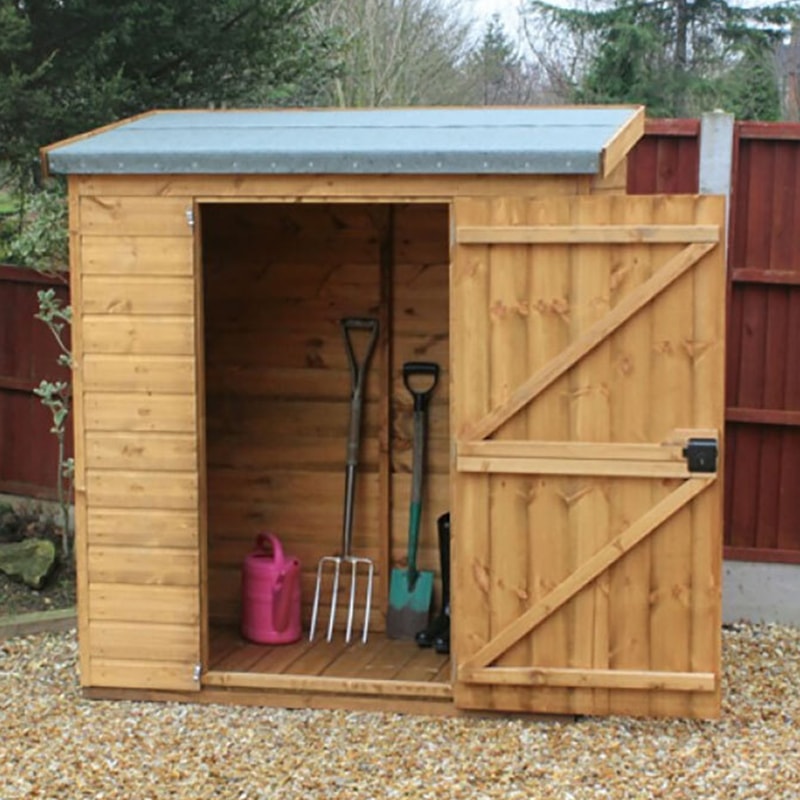
Because the width is limited, access is worth thinking about carefully. A single door at one end suits basic storage, while double doors can make the full length easier to use, especially if you want to wheel items in and out. Some buyers prefer the door on a narrow end because it keeps the long wall free for shelves. Others look for a side-opening feel where the entrance helps the shed act more like a corridor store. The difference is small on paper, but it changes the way the shed is used every day.
Choosing the Right Roof Line
Roof style has a real effect on how a 10×3 shed looks and works. A pent roof gives a clean, modern profile and is often chosen when the shed sits against a fence or wall, because the sloping roof can direct rain away from the back edge. It also tends to suit narrow plots where a low, streamlined shape feels less bulky.
An apex roof gives a more traditional shed appearance, with the ridge running along the length and a pitched form that can feel familiar in a classic garden setting. On a 10×3 shed, the apex can add a touch more headroom down the middle, which may be useful if you are moving about inside with taller items. The trade-off is that the profile is a bit more noticeable, so it suits some gardens better than others.
There are also reverse apex layouts on some designs, where the gable ends face the long sides rather than the narrow ends. On a narrow shed, that can affect how the door opening and internal flow feel. The difference might seem small, but in a shed this size, door placement and roof direction can make the space feel easier or more awkward to use.
Materials That Change the Feel
Most buyers look first at the material, and with good reason. A wooden 10×3 shed has a natural look that blends into planted borders and timber fencing, so it often feels at home in a traditional garden. It can be painted or stained to match other structures, and many people like the way timber gives a more built-in feel along a boundary. The main appeal is visual as much as practical: it looks like part of the garden rather than something dropped into it.
A metal 10×3 shed usually has a sharper, more functional appearance. It suits buyers who want a straightforward storage unit for tools, boxes or bikes, especially where the key priority is keeping gear protected in a slim footprint. Metal versions often feel neat and orderly, which works well in modern spaces.
Plastic or resin sheds in this size are often chosen for their light weight and simple assembly. In a 10×3 format, that can be useful if access is tight and a heavier shed would be awkward to manoeuvre into place. They may also appeal when the aim is tidy storage rather than a fully traditional garden feature. Each material gives the same general footprint, but the experience of using it is rather different.
Wood, Metal or Resin: The Difference in Practice
The choice is not just about looks. A timber shed often offers a warmer feel and can be easier to adapt with shelves, hooks and internal fittings. That matters in a narrow shed, where vertical storage can make a big difference. People who want a shed to feel like an extension of the garden often lean this way.
Metal sheds can feel more rigid and purpose-led. They suit straightforward storage where the main focus is keeping items together in a slim, weather-resistant enclosure. A 10×3 metal shed often has a tidy, linear look that matches the shape well.
Resin sheds bring a different kind of appeal: lightweight panels, clean lines and a less fussy appearance. In a long, thin footprint, that can help the shed look less heavy against the garden edge. The surface is usually more uniform, which suits buyers who want something simple and ordered rather than rustic.
What Fits Best Inside a 10×3 Shed
The narrow width means you need to think in rows, not piles. That is one of the main practical diferences between a 10×3 shed and a deeper model. Long-handled garden tools are easy to place along a wall. Folding chairs, plant supports, parasols, compost bins, brooms and slim storage crates also fit well. If you have children, this shape can work for scooters, smaller ride-ons and sports gear that tends to gather in corners of the garden.
For buyers with bikes, the suitability depends on access and door size. A 10×3 shed can hold a bicycle, but the fit may be tight, especially if there is shelving or other equipment inside. That is why the exact layout matters so much in this category. A slim shed can be brilliant for upright storage, yet less ideal for bulky items that need turning space. It is a good shape when you know what you want to store and can list it out before buying.
Doors, Access and Everyday Use
Access options influence how easy a 10×3 shed feels once it is in place. A single door can work perfectly for light, regular access and suits gardeners who mainly need one tidy store for tools and smaller items. It keeps the front neat and often allows more continuous wall space inside.
Double doors can make a long shed feel more open at the entrance, which helps if you are shifting larger items or want the option to slide in equipment without catching corners. In a 10×3 layout, double doors can be especially useful when the shed is used for mixed storage rather than only hand tools. They dont make the shed wider, of course, but they can make the opening feel more practical.
Some designs place the door on the narrow end, which suits a linear flow from front to back. Others use a side-facing entry to better suit the garden layout. The best choice often depends on what stands around the shed in real life: a fence panel, a path, a border or a hardstanding strip. A shed that fits the garden access route usually feels better day to day, even if the spec looks similar on paper.
Why the 10×3 Footprint Appeals to So Many Buyers
There is a clear reason this size gets attention. A 10×3 shed solves a common problem: you need storage, but you dont have space to spare. Its footprint is narrow enough to sit along a side return, yet long enough to be genuinely useful. That balance makes it appealing in town gardens, courtyard spaces and longer plots where a boxy shed would crowd everything else.
It can also create a cleaner garden view. Instead of a shed jutting into the centre of the space, the slim form can run along the edge and leave the middle of the garden feeling more open. For buyers who care about how the garden looks as well as what it stores, that is a real plus. The shape is not trying to dominate; it is trying to fit in and still do a job.
Design Details That Change the Experience
In this category, little details matter more than you might expect. A long, narrow shed with good internal height can feel far easier to use than one that is cramped from floor to roof. Even if floor space is limited, the ability to hang tools high or stack boxes neatly along a wall improves the whole setup. Window placement can also make a difference, especially if you want to see the full length without switching on a light.
Glazed or fitted windows are useful when you want the shed to feel less tunnel-like. In a 10×3 format, natural light helps the space feel clearer and easier to organise. Some people prefer fewer openings for a more closed storage unit, while others want at least one window to avoid that dark corridor feel. There is no single right answer; it depends on whether the shed is mainly for quick grab-and-go access or for more regular use.
Ventilation is another point that buyers often look at, especially when storing garden textiles, cushions or damp-prone kit. In a long shed, air movement can help the whole space feel less trapped. Not every buyer needs the same setup, but in a 10×3, the choice is worth checking rather than assuming all sheds are alike.
Where This Size Works Best in the Garden
A 10×3 shed tends to shine in places where the garden has a spare edge rather than a broad open centre. It can sit beside a garage, follow a fence line, or make use of land that would otherwise only gather debris. If your garden is long and fairly narrow, the shape can mirror that layout and look more settled than a compact square unit placed in the middle.
It can also work well in shared or divided outdoor areas where you want storage without blocking sight lines. Because it is slim, it often feels less intrusive from a patio or back door. That can matter if you want storage space but still want the rest of the garden to feel usable. A shed this size doesnt need to be hidden, but it does benefit from being placed thoughtfully.
Small Decisions That Make a Big Difference
Before choosing a 10×3 shed, it helps to think about how you will actually move through it. If you plan to keep the front clear and use the back for seasonal items, a simple internal run may be enough. If you want repeated access to several groups of items, shelves on one side and floor storage on the other can be a better answer. In a narrow shed, the layout often matters more than the total volume.
Also think about the shape of the items you own. Long tools, garden trellis, spare decking pieces, planters and slim equipment all sit naturally in this format. Chunky boxes and awkwardly shaped items are harder to handle, so it pays to be realistic. A shed is always better when it suits the things you own rather than the things you imagine owning later.
A Smart Fit for Practical Garden Storage
What makes a 10×3 shed appealing is not that it tries to do everything. It offers a specific kind of storage: neat, narrow, efficient and easy to place in a tricky spot. That clarity is part of its charm. If you need a shed that respects limited space but still gives you proper, usable length, this category is worth a close look.
From pent roof and apex roof options to wooden, metal and resin builds, the differences are meaningful. Add in door position, window choice and internal layout, and you have plenty to compare without straying from the same footprint. For buyers who want storage that feels deliberate rather than squeezed in, a 10×3 shed can be a very sensible fit.
- Best for narrow gardens and side returns
- Useful for long items like tools, hoses and folding furniture
- Choose the roof shape to suit the garden and the look you want
- Check access carefully if you plan to store larger gear
- Compare materials for the feel and use you want, not just the appearance