
Shed Treatment 50 sq ft / 5 m² - Best Deals in UK!
Showing all 3 resultsSorted by price: low to high
-
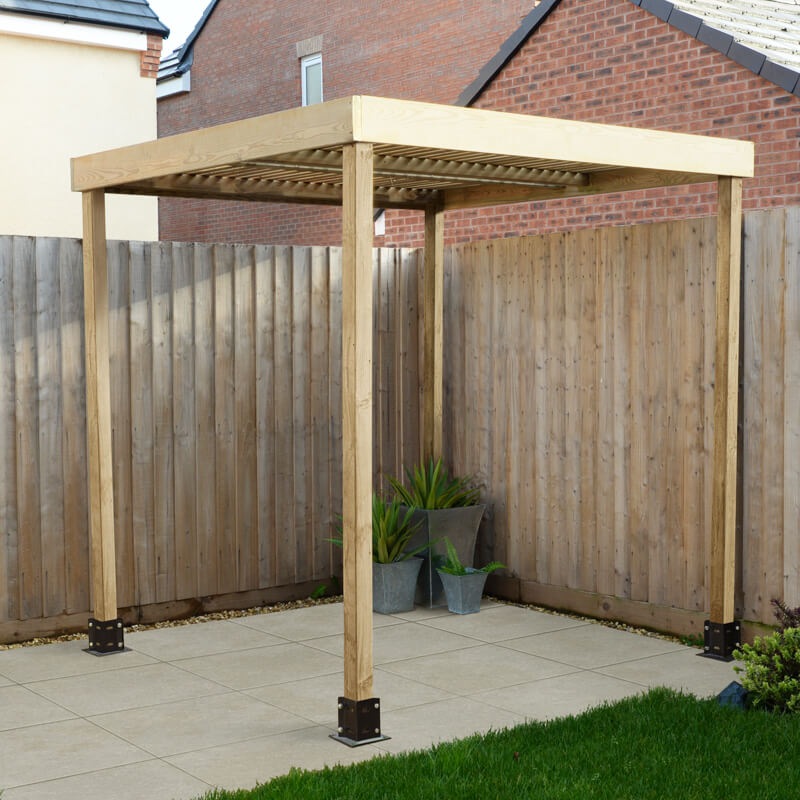
40% OFF: Forest Modular Wooden Garden Pergola 6’5 x 6’5 (2m x 2m) £367.9940%
-
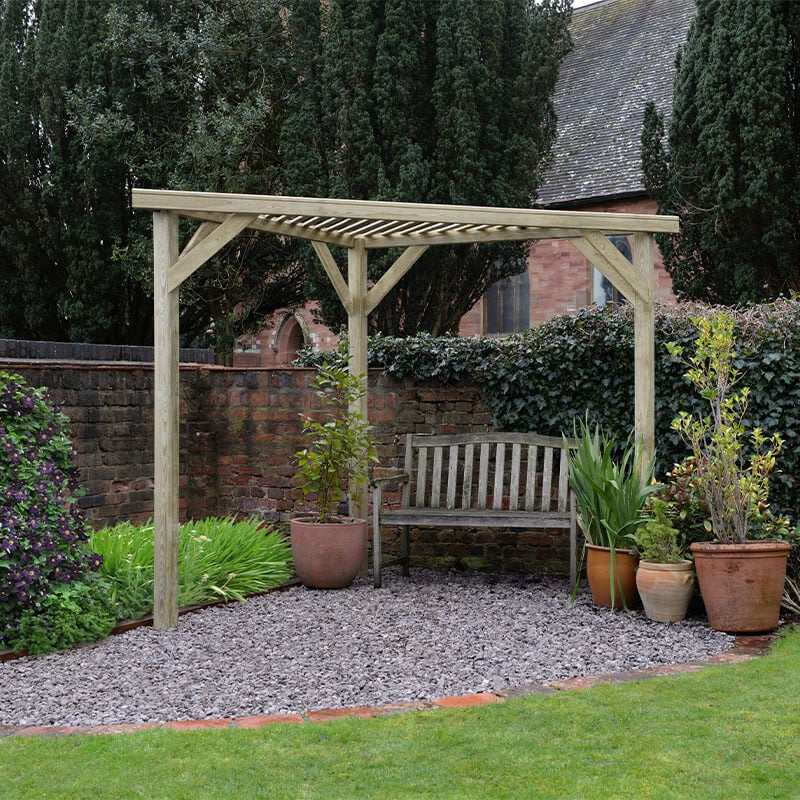
21% OFF: Forest Slatted Wooden Corner Pergola 9’7 x 4’9 (2.9m x 1.5m) £379.9921%
-
7% OFF: 10’1 x 4’6 Forest Hedgerow Wooden Dog Kennel with 6ft Run – Pet House (3.07m x 1.38m) £1,019.997%

Shed Treatment for 50 sq ft / 5 m² covers the right-sized products for small sheds, from timber preservatives and opaque stains to water-repellent finishes, helping you choose the right type, coverage and finish.
Popular products in this range
Right-sized protection for small sheds
A 50 sq ft / 5 m² shed treatment category is for compact garden buildings where buying a huge tin makes little sense. It suits panel sheds, pent sheds, bike stores and smaller timber cabins, especially when you want a tidy finish without overbuying. The key point is simple: the product needs to match the surface area, the wood type, and the look you want to keep. That is where this category saves time, waste and a few headaches.
In this size range, you will usually be looking at treatments made for external timber, with coverage figures that help you estimate one coat or two. Some products are designed to soak into bare wood, while others sit closer to the surface and leave a more visible colour. The choice changes the look, the feel, and how much the grain shows through.
What you tend to find in this category
For a shed of around 50 sq ft / 5 m², the usual options are quite varied, and each one behaves differently on the timber.
- Wood preservers for bare or previously untreated timber, usually made to help guard against damp and fungal issues.
- Shed stains in clear, translucent or opaque finishes, giving colour while still suiting outdoor wood.
- Decking-style water repellents that can be used on some shed timbers when the aim is to shed rainwater and reduce soaking.
- Primers and base coats for certain paint systems, especially if you plan to finish the shed in a solid colour.
- Topcoats for a more finished appearance, often chosen when the shed is part of a neater garden layout.
The main difference is whether the product is meant to penetrate the wood or form a film on the surface. Penetrating products usually suit rough-sawn or absorbent timber, while film-forming finishes are more about appearance and a more defined colour layer. One is not simply “better” than the other; they just do different jobs.
Forms that change how the job feels
Shed treatment for this area comes in a few practical forms, and the container shape can matter as much as the formula. Brush-on liquids are common because they give control around edges, panels and frame joints. Spray-applied products can be quicker on slatted surfaces or awkward corners, though they may need more care to avoid misting onto paving. Gel-like finishes are less common, but where available they can cling well to vertical boards and reduce runs. Some treatments also come as one-coat colour systems, which appeal if you want a cleaner, faster result and fewer overlaps.
For a small shed, the form of the product is a real buying point. A brushable treatment can work more neatly around hinges, lap joints and trim, while a spray might suit someone who wants to cover broad boards with less effort. If the shed has decorative battens or a lot of panel detail, brush application is often the easier route, even if it takes a bit longer. That slight extra time can make the finish look more even, which matters when the shed sits right in view.
Clear, tinted or opaque: the finish makes the difference
One of the biggest choices in shed treatment is how much of the timber you want to see. Clear finishes are best when the wood itself is attractive and you want the natural look to stay visible. They can be a bit unforgiving, though, because the timber quality shows every knot and patch.
Tinted or translucent stains give a softer colour wash while still letting the grain show through. These are popular for sheds because they can freshen tired timber without hiding it completely. A more opaque finish gives stronger colour and a more uniform look, which can be handy if the shed panels differ in shade or were repaired at different times.
There is also a practical side to the finish. Darker colours can make the shed look more settled in the garden, while lighter tones may suit smaller spaces where you want the building to feel less heavy. That is not just about style; it changes how the shed sits alongside fencing, planting and paths.
Preservative, stain, paint: what each one actually does
These product types are often grouped together, but they are not the same thing. A preservative is mainly about protecting the timber itself. A stain brings colour and some surface protection. A paint gives the most solid look and usually the most obvious colour change, but it can also hide the grain almost completely.
The differences matter when you are shopping for a small shed. If the wood is fresh and untreated, a preservative may be the sensible first layer. If the timber is already sound and you simply want to improve the appearance, a stain can be the more straightforward choice. If you want the shed to match garden furniture, gates or trim, an exterior paint system may be better, though it usually needs more careful surface prep and a steadier hand.
In practice, buyers often choose based on two things: how the shed looks now and how much of the wood they want to keep visible. That decision saves a lot of faffing about later.
Coverage that matches the size, not the guesswork
For a 50 sq ft / 5 m² shed, coverage is a main reason people shop in this category. Product labels often show how many square metres one tin will cover, but real-world use depends on wood texture, previous coating and how thirsty the timber is. Rough-sawn boards can drink in more product than smooth panels, and end grain can take even more.
That is why it helps to look for treatments that clearly state coverage for 5 m² or more than that, depending on coat count. A small shed may only need one container, but if you are going for two coats, or the panels are very absorbent, you may want a bit extra. Running out halfway through a panel is annoying, and with tinted products it can be a pain to match the same batch later.
A useful rule of thumb: if the shed has wide boards, rough texture or older timber, allow more. If it is smooth, factory-finished or lightly weathered, you may get closer to the stated coverage. Still, one coat and two coats are very different stories, so it pays to read the label rather than trust the tin on its own.
Why small-shed treatments are worth choosing carefully
The benefit of buying a treatment sized for a shed of this area is not only less waste. It also helps you avoid products that are too heavy, too glossy or simply too much for the job. A smaller tin is easier to store, easier to use up fully, and less likely to leave half a container ageing in the corner of the garage.
There is also the matter of finish consistency. When a small shed is treated with the right amount of product, the colour tends to sit more evenly across panels and trims. You get fewer awkward leftovers, and the whole building can look more joined up rather than patched. If the shed stands next to a seating area or veg beds, that neatness is worth quite a lot.
And for anyone comparing options, the smaller format often makes it easier to try a different shade or new finish type without committing to a large volume. That can be useful if you are matching an existing garden scheme or testing whether you prefer a richer tone on timber.
Useful buying tips for this exact shed size
Picking the right treatment for a 50 sq ft / 5 m² shed is easier when you look at the practical details first.
- Check whether the timber is bare, previously stained or painted, because that affects compatibility.
- Look for stated coverage in m² per litre so you can work out whether one pack is enough.
- Choose a finish that suits the shed surface: clear for natural timber, tinted for a softer colour shift, opaque for a more even look.
- For small panels and trims, a brush-friendly formula often gives cleaner edges.
- If the shed has exposed end grain, expect to use more product there, as it soaks up treatment quick.
- Match the product to the timber type, especially if the shed is made from softwood boards or has a factory coating already on it.
Small details make a big difference here. For example, a treatment that looks almost the same shade on the tin can appear darker on weathered wood, and lighter on fresh timber. That is normal, but it catches people out. If the product has a colour chart, use it as a guide, not an exact promise.
Different looks for different garden styles
Even when the function is the same, the appearance changes a lot. A natural wood tone works well where the shed sits among planting and gravel, blending into the garden rather than drawing attention. A grey or muted brown stain can suit modern outdoor spaces with metal furniture, planters or dark fencing. An opaque colour finish is useful if you want the shed to feel like part of the garden structure instead of a separate timber box.
The difference is not just style-led. Some finishes make edges and repairs less noticeable. Others show the timber character more clearly, which can be a plus if the shed has nice boards or a decent grain. If there are several exposed faces, a finish with some depth of colour can help the shed look more balanced from all angles, not just from the front.
What to expect when choosing this category
Shoppers looking for Shed Treatment 50 sq ft / 5 m² usually want three things: the right amount, the right finish and not too much hassle. This category makes that simpler by narrowing the search to products that suit smaller timber structures. It helps compare penetrating treatments with surface finishes, and it gives you a better idea of whether you need a preservative, a stain or a paint system.
If you are buying for a compact shed, the best option is often the one that fits the timber you already have, the look you want next, and the area you actually need to cover. That sounds basic, but it is exactly where good choices happen. And once the shed is treated properly for its size, the result feels more finished, less makeshift, and just easier on the eye.
Shortlist before you add to basket
Before you choose, it helps to ask a few simple questions:
- Is the shed bare wood or already coated?
- Do you want the grain to show, or not really?
- Are you after a clear, tinted or opaque result?
- Will one pack cover the full 5 m² with room for a second coat if needed?
- Is the product suitable for external timber and the shed’s exact surface?
Once those points line up, the choice gets much easier. A well-matched shed treatment does more than change colour; it gives the timber a finish that looks deliberate, neat and suited to the size of the building. For a small shed, that balance is often the whole point.