
Shed Treatment 40 sq ft / 4 m² - Best Deals in UK!
Showing all 2 results
-
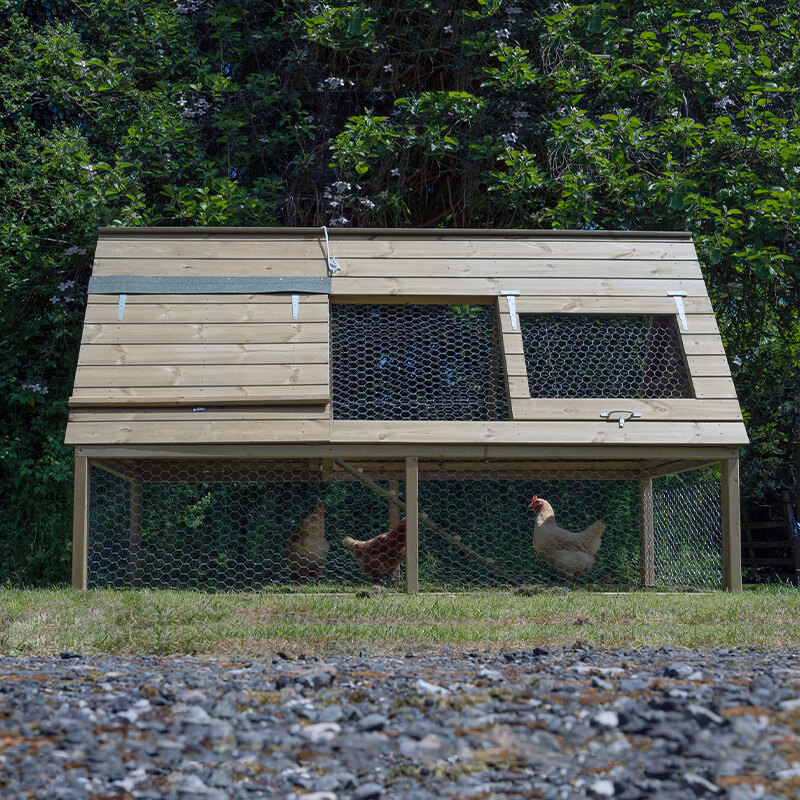
7% OFF: 8’6 x 4’8 Forest Hedgerow Wooden Raised Large Chicken Coop (2.58m x 1.41m) £699.997%

-
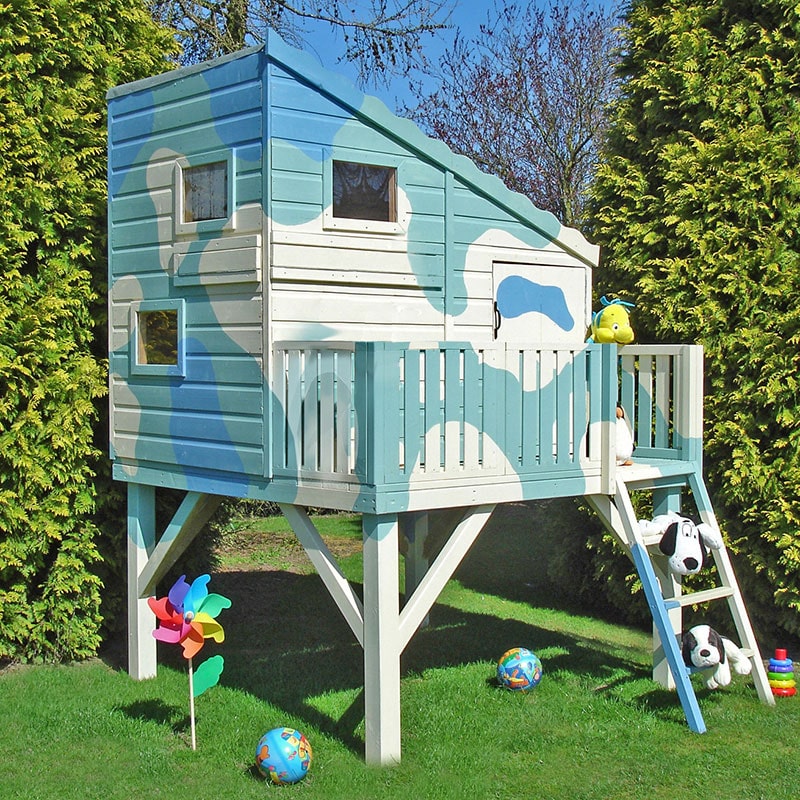
7% OFF: 6′ x 4′ Shire Command Post Kids Wooden Platform Playhouse (1.69m x 2.22m) £774.997%

Shed treatment for 40 sq ft / 4 m² gives you the right coverage for compact sheds, panels and repairs, with choices for preservative, waterproofing, colour and clear finishes that suit timber, weather and use.
Built for small sheds, not guesswork
When a product is described as Shed Treatment 40 sq ft / 4 m², it usually means the pack is sized for a smaller project: a tool shed, lean-to, bike store, or a few replacement boards rather than a full-size garden building. That matters more than it sounds. Buying a treatment that covers the right area helps avoid running short halfway through a job, and it also stops you paying for a much larger tin than you actually need.
This kind of category is useful for anyone working on a compact timber shed, a small cladding section, or a single side wall that has started to look tired. It is not about throwing on a random coat and hoping for the best; it is about matching the treatment to the wood, the exposure, and the finish you want to keep.
What the 40 sq ft / 4 m² size really suits
The size itself points to a few typical uses. A 40 sq ft / 4 m² treatment pack can often cover:
Bestseller der Kategorie Shed Treatment 40 sq ft / 4 m²
- one small shed wall or end panel
- patch repairs where boards have been replaced
- doors, trims and fascias on a shed
- an interior timber area where only a limited section needs treatment
- freshening up a weathered surface without treating the whole building
That smaller format is handy when the shed does not need a large contractor-style quantity. It can also be the sensible choice if you are testing a shade or finish first. A lot of people want to see how a product looks on actual timber before committing to the rest of the structure, and a 4 m² pack makes that easier.
Different treatment types, and what they do differently
Not every shed treatment does the same job. Some are made to soak into the wood, some sit more on the surface, and some try to do a bit of both. Choosing between them can make a visible difference in how the shed looks and how it handles rain, sun and general wear.
Wood preservatives for a more protective base
Wood preservatives are often used when the aim is to help timber resist rot, fungus and insect attack. They are usually chosen for untreated or weathered wood, especially where there are signs that the shed has already started to dry out, split or absorb moisture unevenly. These treatments are less about giving a decorative colour and more about feeding the timber with protection.
There are usually two broad forms: clear and tinted. Clear versions let the natural grain show through, while tinted products make the wood look more even and can help show where you’ve already coated. Tinted treatments are useful on older boards because they disguise patchy areas a bit better, though they will still look like timber, not paint.
Water-repellent treatments for rain-prone sheds
Water-repellent shed treatments are chosen when the main issue is moisture on the surface. They help rain bead off rather than soak in as quickly. That makes them useful for sheds that face driving rain, sit under trees, or have areas where splashback is common.
These are often appreciated on horizontal surfaces such as ledges, door tops and exposed trim, because those spots can take a lot of water in a short time. They do not replace structural repair, of course, but they can reduce how fast timber darkens and swells after wet weather. Some of them leave the wood looking almost unchanged, which is ideal if you want the shed to keep a natural finish.
Colour finishes that still feel like timber
Some shed treatments are designed to add colour while leaving the grain visible. This can be a good middle ground if you want the shed to look neater without making it look painted. The most common look is a semi-transparent stain-style finish, where the wood still shows through but the tone is more even.
These finishes are often chosen for older sheds because they hide weathering better than clear treatments. A patchy grey board can look a bit more balanced under a tinted finish. They can also make mixed timber look more consistent if some boards have faded differently from others. For buyers who care about appearance as much as protection, this is often the category that feels practical without being too heavy-handed.
Brush-on, spray-on and gel-like forms
Coverage is one thing, but the form of the treatment affects how it feels to use. Shed products in this size range usually come in a few forms, each with a different pace and finish.
- Brush-on treatments give better control on grain, joins and edges. They are useful when you want to work product into rough timber or around knots.
- Spray-on formats can be quicker on evenly textured boards, although they may need more care around windows, hinges and adjoining surfaces.
- Thicker, gel-like finishes cling more to vertical boards and can help on weathered timber where a runny product would be awkward.
The choice here is not just about speed. Brush-on products often let you see where the timber is thirsty, because the first coat sinks in differently from the rest. Spray formats are more about even coverage and ease, but they can be less satisfying on rough-sawn wood if you need a really worked-in finish.
Water-based or solvent-based: the practical difference
One of the bigger differences in shed treatment is whether it is water-based or solvent-based. Both can be effective, but they behave differently on timber.
Water-based treatments often feel easier to use, with simpler clean-up and a lighter smell. They can be a good fit for people treating a shed close to the house or in a tighter outdoor space. They also tend to dry in a way that feels less heavy on the wood.
Solvent-based treatments are often selected where deeper penetration or a more hard-wearing surface is wanted. They can take a bit more care during application, and the smell can be stronger, but some users prefer the way they sit on older, drier timber. The key point is that the wood condition matters. Fresh timber, sun-baked boards and damp-feeling boards do not all respond in the same way.
Why the finish matters as much as the protection
A shed treatment does not only protect wood; it changes how the shed looks in the garden. That can be a real part of the buying decision. A clear finish keeps the building close to its original look, which suits newer timber or sheds that already match the garden well. A tinted or coloured treatment can make an old shed feel more intentional, which is helpful when the wood has gone uneven or dull.
Some people want a soft natural look, others want the shed to blend into planting, fencing or paving. A muted brown, grey or green tone can do that job without turning the shed into a painted feature. The benefit of these smaller 4 m² packs is that you can make that choice without committing to a huge colour change all at once.
Timber condition changes the result
The same treatment can look different depending on the timber underneath. That is one reason shed treatment categories should not be treated as one-size-fits-all. Rough-sawn boards absorb more and usually appear slightly darker. Planed timber can look smoother and more uniform, but it may also show lap marks if the product is applied unevenly. Old greyed boards often drink in the first coat more quickly than expected, which can make a small pack cover a bit less far than the label suggests.
If you are treating a shed that has been outside for years, the difference between dry timber and weathered timber is worth paying attention to. Dry wood can take product very fast in some spots and slowly in others. Weathered wood may need a treatment that is more forgiving of patchiness. This is one reason people often start with a smaller 40 sq ft / 4 m² size for a first pass.
Choosing between clear, tinted and opaque looks
There is a proper difference between the main visual styles. A clear treatment is for people who want the grain to stay visible and the shed to keep its natural character. A tinted treatment gives a bit of tone while still showing timber detail. An opaque or paint-like finish goes further, covering the wood more fully and changing the appearance much more dramatically.
For a shed treatment category, clear and tinted products are usually the most relevant because they preserve the timber feel. Opaque finishes can be useful, but they behave more like a coating than a treatment. If you are buying for a small building and want something that still reads as wood, the clear-to-tinted range is often the better place to look.
Handy reasons people choose a smaller pack
There are a few very down-to-earth reasons a 40 sq ft / 4 m² pack can make sense. It is not only about shed size. It can also be about avoiding waste, trying a finish before buying more, or treating only the side that gets the worst weather. A small pack can be enough when:
- you only need to treat one face of the shed
- the rest of the timber is still in decent shape
- you are matching a repair area to an existing colour
- you want to see how the treatment behaves on your specific wood
- you are working on doors, battens or trim rather than full walls
That kind of flexibility is often more useful than buying more than you need. It keeps the job manageable and can make the process feel less of a project and more of a straightforward fix.
Small details that make application go better
Even in a category focused on shed treatment rather than general maintenance, the practical details matter. Timber with rough edges, resin spots, old flaking coating or heavy dust may not take the finish evenly. If the surface is already dull and thirsty, the first coat may look almost patchy before it settles. That does not always mean something has gone wrong; sometimes the wood is simply telling you it needs another pass in certain areas.
Pay extra attention to panel ends, cut edges, joints and underside lips, because these areas often take moisture first. If you are using a clear or lightly tinted product, work carefully to keep the appearance even, since overlap marks can show more on some woods than others. On rough boards, a brush is often easier than a roller, and a shorter brush can help work product into knots and grooves without flooding the surface.
Where the differences really show up
At a glance, most shed treatments seem similar. The real differences show up after rain, after sun exposure, and after a season or two of changing weather. A treatment that sits well on sheltered timber may look fine at first but fade quickly on a wall that gets full afternoon sun. Another product may handle wet weather better but leave a slightly richer tone than you wanted. There is always a trade-off somewhere, which is why the coverage size, finish type and timber condition all need to line up.
For buyers, that means the best choice is not simply the one with the boldest claim. It is the one that matches the shed’s exposure, the look you prefer, and the amount of wood you actually need to cover. A 40 sq ft / 4 m² pack is often ideal for making that choice with a bit more control.
A few buying tips that are actually worth using
If you are choosing a treatment from this category, it helps to think in a practical order. First, work out whether the timber needs protection, colour, water-repellency, or a mix of these. Then look at the current state of the wood: new, dry, weathered, or patchy. After that, decide whether you want the shed to look almost unchanged or more finished.
- Choose clear if the timber is attractive and only needs a protective boost.
- Choose tinted if you want to even out faded areas without fully hiding the grain.
- Choose brush-on if the shed has grooves, rough boards or tight corners.
- Choose a smaller pack when treating one section, not the whole structure.
A good shed treatment should feel like it belongs to the timber, not like it is sitting awkwardly on top of it. That is usually the sign the category and the finish have been matched properly.
The kind of result people usually want
Most buyers in this category are after a sensible mix of protection, appearance and ease of use. They want the shed to stop looking neglected, they want the wood to cope better with rain and sun, and they do not want to buy more product than the job needs. A 40 sq ft / 4 m² shed treatment range answers that neatly. It gives room for small projects, test patches and careful matching, while still being focused enough to feel specific.
For a garden shed, that specificity is useful. It means you can treat the building in a way that suits the actual timber in front of you, rather than forcing a general product onto a very particular bit of wood. And with the right finish, even a small shed can look more considered, more cared for, and less like it has been left to do its own thing for too long.
[Sassy_Social_Share]