
Shed Treatment 10 sq ft / 1 m² - Best Deals in UK!
Showing 1–12 of 17 results
-
53% OFF: Forest Grow Bag Planter 3’9″ x 1’10 (1.15m x 0.55m) £64.9953%

-
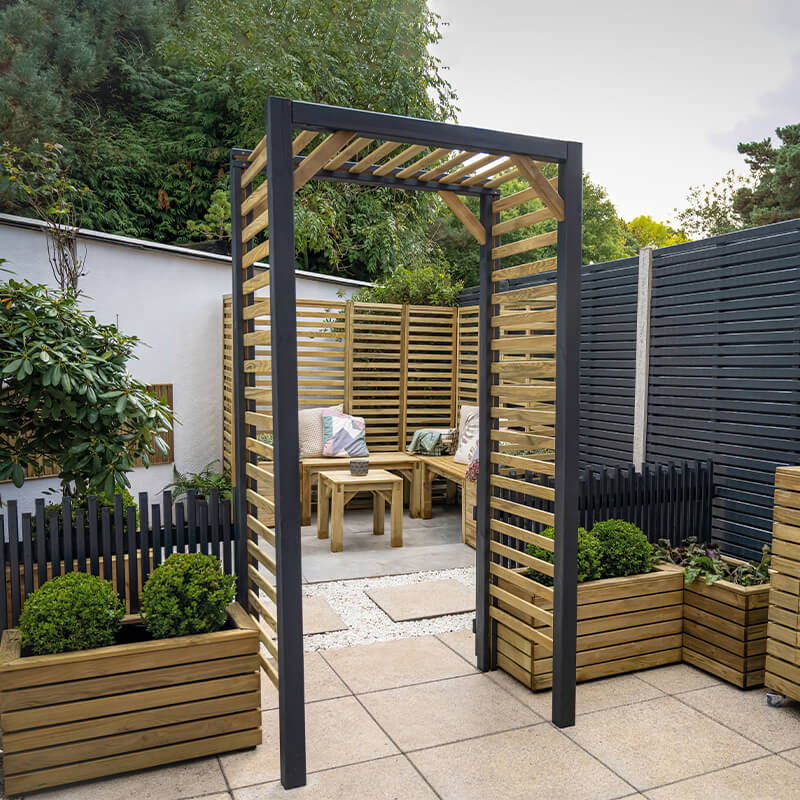
48% OFF: Forest Contemporary Slatted Garden Arch 3’8 x 2’5 £139.9948%

-
47% OFF: Forest Large Kitchen Garden Planter 6′ x 2′ (1.8m x 0.7m) £89.9947%

-
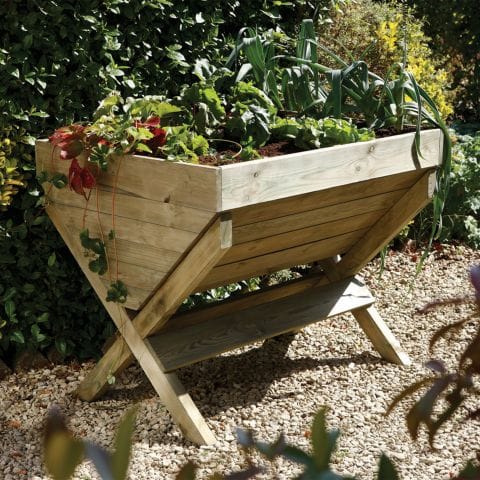
43% OFF: Forest Kitchen Garden Trough Planter 3’x3′ (0.7x1m) £89.9943%

-
31% OFF: Forest Kitchen Garden Trough Planter 3’x3′ (0.7x1m) £109.9931%
-
28% OFF: 3’2 x 2’8 Forest Pent Small Logstore (1m x 0.8m) £99.9928%

-
25% OFF: Forest Classic Dome Top Wooden Garden Pergola Arch 4’5 x 2’4 £149.9925%

-
24% OFF: 3′ x 2’10 Forest Pent Small Overlap Log Store (0.92m x 0.86m) £174.9924%

-
23% OFF: Forest Large Deep Root Wooden Garden Planter 6’x2′ (1.8×0.6m) £114.9923%

-
21% OFF: 4’5 x 2’10 Forest Apex Medium Logstore (1.3m x 0.9m) £179.9921%

-
21% OFF: Shire Balsam Garden Arbour Seat 4′ x 2′ £344.9921%

-
20% OFF: 5’11 x 2’2 Forest Lapline Shiplap Wooden Planter (1.79m x 0.67m) £119.9920%

Shed Treatment 10 sq ft / 1 m² helps you choose compact tins, sachets and ready-mix products for small sheds, touch-ups and patch repairs, with the right finish for timber.
Small-area treatment, chosen with less guesswork
When a product is marked for 10 sq ft / 1 m², it usually suits a very small job: a door panel, a side patch, a shelf unit, a repair section, or a compact garden shed that only needs a light coat rather than a full overhaul. That size guide is useful because it helps you avoid buying too much, and it also makes it easier to match the treatment to the surface you actually have in front of you. For shed work, this matters more than it first looks. Timber absorbs differently across grain, knots, joins and cut ends, so a smaller pack can be the right pick for test areas, colour matching, and fiddly corners where a big can would just sit there half-used.
These products often come in forms that are easier to handle for quick jobs: small tins, sample pots, touch-up bottles, concentrates, or ready-to-use formulas. The 10 sq ft / 1 m² label is especially handy if you are dealing with a single panel or a very modest garden structure, because you can judge coverage without over-ordering. And if you are trying out a new shade or finish, a small quantity reduces the risk of getting the whole shed wrong on the first go.
What “shed treatment” can actually mean
Shed treatment is a broad label, and the differences matter. Some products are made to colour and seal softwood cladding. Others are designed as wood preserver types that sink into the timber before any decorative layer goes on. There are also stains, protective coatings, and water-repellent finishes that change how the wood looks and behaves outside. A 10 sq ft / 1 m² pack might be a preserver for fresh bare timber, a finishing stain for visible panels, or a maintenance coat for a shed that has already been treated once before.
Bestseller der Kategorie Shed Treatment 10 sq ft / 1 m²

The key difference is not only colour or sheen. It is how the product works with the timber. Penetrating treatments soak in and help support the wood from within, while surface-forming finishes sit more on top and can give a more even, decorative result. Some are thinner and easier to brush into end grain; others are thicker and better for visual coverage on smooth boards. So, if you are shopping this category, think less about “paint for a shed” and more about the job you need: penetration, colour, moisture resistance, or a mix of all three.
Types you’ll see in this size range
In a compact coverage size like this, you are often looking at products that suit small, specific jobs rather than full exterior makeovers. The main types tend to fall into a few practical groups:
- Wood preserver — used on bare timber to help protect against damp, fungi and insect attack.
- Shed stain — adds colour while letting the grain show through more than paint would.
- Opaque shed treatment — gives a stronger colour and hides more of the timber pattern.
- Clear protective finish — aims to keep the natural look while adding a barrier against weather.
- Primer-style treatment — prepared for use before a top coat, especially on raw or repaired patches.
- Touch-up treatment — useful for corners, edges, and repairs where the rest of the shed is already done.
Each one behaves differently once on the wood. A stain often gives a softer, more natural look, while an opaque finish is better when the timber is patchy, stained, or mixed in colour already. Clear finishes are a good choice when you want the timber to stay visible, but they may ask more of the surface underneath, because any blemish will still be there to see. A preserver, meanwhile, is about function first, appearance second. That is often the sensible order if the shed is bare, weathered, or newly built from untreated boards.
Why a 10 sq ft / 1 m² pack can be the right buy
Small packs are not just for tiny sheds. They are useful when you need accuracy. Maybe the back panel has faded more than the front. Maybe you have one replacement board that needs to match the rest. Maybe a door edge, window surround, or trim section has been sanded back and needs a fresh coat. In all these cases, a small-coverage treatment saves waste and makes the job less awkward. You are also less likely to be stuck with a tin that has gone thick before you use it all.
Another plus is flexibility. A 10 sq ft / 1 m² pack is ideal for checking how the product behaves on your timber species. Softwood, pressure-treated timber, and older weathered boards can all take in treatment differently. A small pack gives you room to test colour depth, drying feel, and how the finish sits across knots and joins. That can matter a lot if you are trying to keep a shed looking even, without ending up with a patchy result that catches the light in a funny way.
Finish, colour and sheen: the differences that change the look
For shed products, the finish can be as important as the protective role. Some coatings lean matte and quiet, which suits rough sawn boards or older sheds where you do not want a shiny look. Others give a gentle sheen that can make smooth timber appear fresher and more defined. Colour also varies a lot: natural wood tones, earthy browns, grey-washed shades, and darker protective colours are all common in shed treatment categories.
The choice between transparent, semi-transparent, and opaque finishes is worth paying attention to. Transparent products let the grain speak for itself, which is handy for attractive timber or new panels. Semi-transparent options soften marks while still showing wood character. Opaque treatments cover more and can help when the shed has uneven colour, old staining, or a mix of new and old boards. If your shed has repairs or mixed timber sections, an opaque or deeper-toned product often makes the whole surface look more settled.
What to look for when the pack is small
With a small-area treatment, the details on the label are doing a lot of work. Coverage rate, drying time, whether it can be used on bare timber, and whether it needs a top coat all change what the product is good for. For a 10 sq ft / 1 m² pack, it is worth checking if the coverage is based on one coat or two, because a shed job often needs more than a single pass, especially on end grain and rough boards.
Also look at the product form. A thin liquid may soak in quickly and be good for absorbent timber, but it can run if you are working overhead or on vertical panels. A thicker treatment can give better visual control but may need a steadier hand around overlaps and grooves. If you are working on battens, trim, or boarded doors, the difference between a runny preserver and a more body-rich stain can be quite noticeable.
Useful ways to match the treatment to the shed
Not every shed is asking for the same thing. A new timber shed often needs a treatment that gets into the wood early, before the weather has its say. A weathered shed may need a finish that hides faded patches and helps even out the look. A repaired section may just need a small top-up so the whole surface still looks coherent. Choosing the right 10 sq ft / 1 m² product is really about matching the product to the shed’s state, not just the size of the area.
- Bare timber often benefits from a penetrating preserver before any decorative product.
- Greyed boards may need an opaque or deeper shade to reduce the patchy look.
- Knotted softwood usually shows colour unevenly, so test first on a hidden bit.
- Doors and trim often need a neater finish than the main panels, so small packs are handy.
- Replacement boards can look newer than the rest, and a matching stain helps blend them in.
That is where this category earns its place. It is not only about coverage; it is about control. A smaller treatment pack can make it easier to keep the shed looking consistent, especially when you are dealing with little jobs that still need to look tidy from a few steps back.
Application quirks that make a difference
Even in a small area, timber has habits. End grain drinks up more product than flat grain. Knotty areas can go darker or resist evenly. Panels with old residue may not accept fresh treatment in the same way as clean timber. Because of that, a 10 sq ft / 1 m² shed treatment is often a practical choice for controlled application. You can work slowly, keep an eye on colour build-up, and avoid overloading the surface.
Brush application is common because it gives control on edges, joints and corners. Some treatments can also be applied with a pad or cloth for smoother boards, though a brush usually reaches into grooves better. If the product is designed for soaking into timber, work it into the surface rather than just laying it on. If it is a surface finish, keep strokes even to avoid visible lap marks. Small packs are useful here because you are less rushed and less likely to keep re-dipping a big brush from a half-filled tin.
Common shed treatment forms and how they compare
It helps to think about the physical form as well as the chemistry. Different forms do different jobs:
- Liquid preserver — thin, penetrates well, good for raw or absorbent timber.
- Gel or thicker stain — easier to control on vertical boards, with more even colour.
- Ready-mix finish — simple to use, no dilution needed, handy for quick jobs.
- Concentrate — useful if you want to mix only what you need, though measuring matters.
- Touch-up size — made for local repairs, not full shed coverage, so waste is low.
The difference between these forms is not minor. A liquid may be great for soaking a fresh board, but it can be less forgiving on a windy day or on a vertical side panel. A thicker formula may look tidier but not sink in as deeply. So if your shed area is small but awkward, choose the form that suits the shape of the job, not only the colour you want.
Little buying checks that save bother later
Before choosing a 10 sq ft / 1 m² shed treatment, check the timber condition, the expected number of coats, and whether the finish is meant for bare wood or existing treated surfaces. A small container can be the right answer, but only if it matches the actual job. For example, if you need two coats on rough boards, one 1 m² pack may not stretch the way you expect. If you are only doing a small repair patch, though, it may be spot on.
It is also worth checking if the colour on the label is a close fit for the surrounding shed. In small repairs, even a slightly wrong tone can stand out, especially in daylight. And if your shed is mixed timber, the finish might look richer on one board and flatter on another. That is normal. It is one reason people keep coming back to these compact packs — they make those correction jobs manageable without turning them into a full repaint situation.
For tidy repairs, colour matching and small refresh jobs
This category suits shoppers who want a measured amount, not a mountain of product. A small shed treatment pack is especially useful for patching weather damage, coating a single door, refreshing a side panel, or matching a new repair to an older shed surface. It is also a practical way to test a new treatment type before buying a larger tin. That is a fairly sensible move, really, because shed timber can surprise you once the product goes on.
And there is a neat side benefit: a smaller purchase can mean less storage clutter in the potting shed, garage or utility shelf. No one needs three half-used tins taking up space because the first one was bought too big. Choosing by area — 10 sq ft / 1 m² — keeps the job focused and the shopping list a bit cleaner.
In short: the compact route to a better-looking shed patch
When the work is small but visible, the right shed treatment can make a proper difference. In this category, the important differences are between penetrative and surface-forming products, transparent and opaque finishes, liquid and thicker formulas, and preserver versus decorative treatment. The 10 sq ft / 1 m² size guide is useful because it helps you buy for the job you actually have, not the one you think you might have later. That usually means less waste, easier matching, and a neater result on the timber you can see every day.
If you are treating one panel, one door, a few boards or a careful repair, a compact pack is often the right sort of sensible. And for shed timber, sensible is usually what keeps the finish looking sorted rather than slapped on.
[Sassy_Social_Share]