
polycarbonate greenhouses - Best Deals in UK!
Showing 61–72 of 73 resultsSorted by price: low to high
-
8′ x 16′ Palram Canopia Balance Green Greenhouse (4.87m x 2.44m) £1,349.005%

-
8’x16′ Palram Canopia Bella Large Walk In Silver Aluminium Framed Greenhouse (2.4×4.8m) £1,439.00

-
12’x10′ Palram Canopia Victory Orangery Large Walk In Polycarbonate Greenhouse (3.6x3m) £1,499.00

-
5% OFF: 8’x8′ Palram Canopia Glory Grey Walk In Polycarbonate Greenhouse (2.4×2.4m) £1,549.005%

-
5% OFF: 8′ x 20′ Palram Canopia Balance Green Greenhouse (6.07m x 2.44m) £1,659.005%

-
6′ x 14′ Palram Canopia Eco Grow Greenhouse (2.04m x 4.45m) £1,699.00

-
8’x20′ Palram Canopia Bella Large Walk In Silver Aluminium Framed Greenhouse (2.4x6m) £1,719.00

-
5% OFF: 8’x12′ Palram Canopia Glory Grey Large Polycarbonate Greenhouse (2.4×3.6m) £1,849.005%

-
9% OFF: 8’x16′ Palram Canopia Glory Grey Large Polycarbonate Greenhouse (2.4×4.8m) £2,139.009%

-
8% OFF: 8’x20′ Palram Canopia Glory Grey Large Polycarbonate Greenhouse (2.4x6m) £2,479.008%

-
8′ x 18′ Palram Canopia Rion Clear Sun Room (2.57m x 5.70m) £2,959.00

-
8′ x 20′ Palram Canopia Rion Clear Sun Room (2.57m x 6.32m) £3,199.00
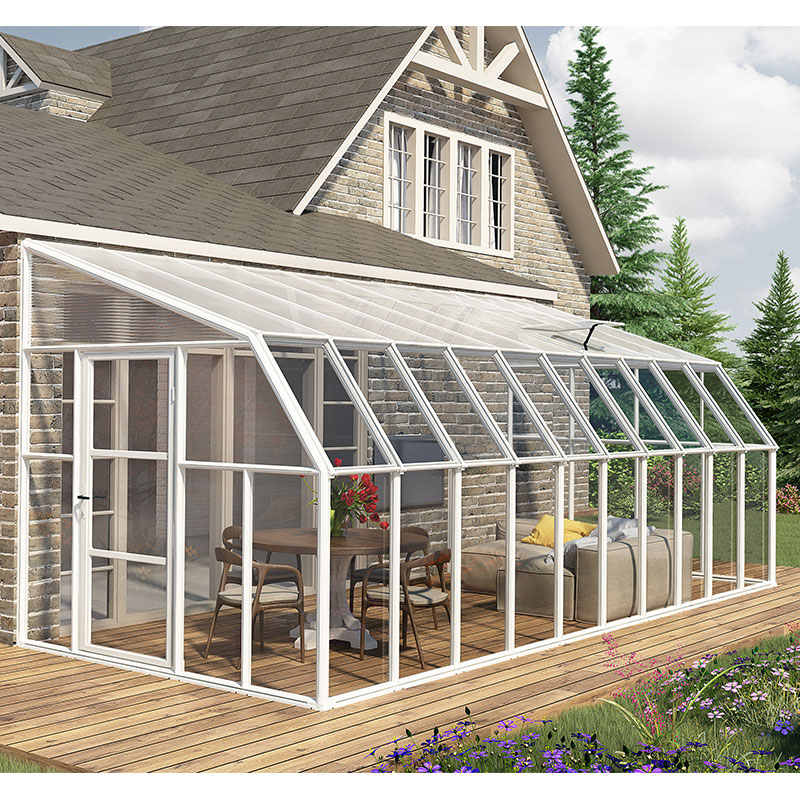
Polycarbonate greenhouses for year-round growing, with light-filled panels, practical shapes and sizes, and smart glazing options for veg, herbs and flowers in British gardens.
Popular products in this range
Why polycarbonate earns its place in the garden
A polycarbonate greenhouse gives you a growing space that feels lighter than glass in use, but still properly suited to the job. The panels diffuse sunlight rather than throwing it straight through in a harsh beam, which is handy when young plants, salad leaves and tender seedlings need even light. That softer finish can also make the inside feel less stark on very bright days, so the space works well for a wider mix of crops.
Another reason people choose polycarbonate glazing is the practical side. Compared with traditional glass, the sheets are generally easier to handle, and the whole structure can feel a bit more forgiving in a busy garden where knocks do happen. For many buyers, that balance of light weight, good insulation and day-to-day usability is what makes the category worth looking at in the first place.
What makes the panels different
Not all polycarbonate is the same, and the main differences are worth knowing before you decide. The most common choice is multiwall polycarbonate, where the sheet contains internal chambers. Those air pockets help with heat retention and give the panel extra rigidity without making it overly heavy. It is a popular option for growers who want a greenhouse that feels a bit more insulated through spring and autumn.
There is also solid polycarbonate, which is closer in appearance to glass but keeps the benefits of the material itself. It tends to offer a clearer look and can suit buyers who want a neater, more transparent finish. In contrast, multiwall sheets usually appear slightly more opaque because of their layered structure, but that soft diffusion is often part of the appeal.
The sheet thickness matters too. Thinner panels are usually easier on the budget and work well where the structure is smaller or used for lighter growing jobs. Thicker panels generally feel more substantial, with better insulating performance and a more composed look. The choice is less about one being right and the other wrong, and more about what kind of growing space you want to create.
Shapes that change how the space feels
The shape of a greenhouse does more than alter its appearance. It changes headroom, airflow patterns, bench layout and how the interior is used through the season. A lean-to greenhouse sits against a wall or outbuilding and can be a tidy solution for narrower gardens. It is often chosen where space is limited, or where the existing wall gives a sheltered position and a more integrated feel.
A freestanding greenhouse gives more freedom in layout and tends to suit gardeners who want access from all sides. These are the familiar stand-alone structures that make it easier to organise staging, shelving and crop rotation inside. For many people, this is the format that feels most like a proper growing room.
In terms of roofline, apex greenhouses have the classic pitched roof shape, with a central ridge that gives useful headroom and a recognisable profile. The shape can be practical for taller plants and for anyone who likes an open feel overhead. Pent greenhouses use a sloping roof, often with a more compact look and a lower profile. They can work nicely where you want the greenhouse to sit neatly into the garden rather than dominate it.
There are also designs with curved or rounded profiles. These can soften the visual impact and sometimes help the structure handle weather more smoothly, depending on the design. Buyers often compare these forms not just by looks, but by how each one affects usable space inside. A greenhouse can seem the same size on paper and still feel very different once you stand in it.
Under-wall, mid-wall and full-sized options
Polycarbonate greenhouses come in sizes that suit very different ambitions. A compact greenhouse is ideal if you mainly want to raise seedlings, protect a few pots or keep a modest crop going through the warmer months. These smaller footprints can still be surprisingly useful, especially in town gardens or on narrower plots.
Mid-sized models usually offer the best balance for many households. They allow room for staging on both sides, space for a potting area, and enough central aisle width to move around without feeling cramped. That extra room makes it easier to grow more than one crop type at once, which is handy if you like tomatoes, peppers, herbs and bedding plants all sharing the same space.
Larger greenhouses suit more ambitious growers, people with raised demand for overwintering space, or anyone who simply enjoys having room to organise things properly. Bigger structures can also help keep conditions more stable because the volume of air is greater. That said, a well-chosen smaller greenhouse can still be the right answer if the garden layout is tight. It is not only about size, but about how the space will actually be used.
Diffused light and why crops notice it
One of the most useful features of polycarbonate glazing is the way it handles light. Rather than creating intense hotspots in the same way some clear materials can, the panels spread light more evenly through the greenhouse. For many plants this is a real benefit, especially in the early stages of growth when young leaves can be sensitive to sharp sun and uneven exposure.
That diffused light can also make the interior feel less stark, which is pleasant if you spend time inside sowing, potting and moving trays about. For crops, it can mean more even growth across benches and less chance that one side gets too much direct glare while another sits in shade. It is one of those details that sounds small but changes the everyday experience in a noticeable way.
Insulation without the heavy feel
Polycarbonate is often chosen for its thermal performance. The layered structure of multiwall sheets in particular helps reduce heat loss compared with a single thin pane. That makes the greenhouse feel more settled during cooler spells and gives you a bit more flexibility when the seasons are shifting. You are not buying weather control, of course, but you are giving your plants a more forgiving environment.
This is especially relevant for growers who want to stretch the season at both ends. Early sowings can get started in a structure that holds warmth better than basic glazing, while autumn crops and overwintering plants can benefit from a slightly steadier internal climate. The result is a greenhouse that feels practical rather than fussy, and that matters when you want to make full use of the space.
Strength, weight and the everyday reality of use
Another reason polycarbonate remains popular is the way it handles everyday use. The panels are lighter than glass, which can make installation and handling less awkward. That lower weight can also be useful where the greenhouse sits on a more modest base or where access is a bit tricky. For many buyers, it means less concern about managing heavy panes during setup.
At the same time, the material is associated with a more robust feel in regular use. Gardens are not always gentle places, and a greenhouse often has to deal with shifting weather, moving tools, and the odd stray bump. Polycarbonate gives many people confidence that the structure is suited to that real-world setting. It is a practical choice, not a delicate one.
Choosing between panel types and looks
When comparing different polycarbonate greenhouse styles, a lot comes down to the visual result you want as well as the growing conditions you prefer. Clearer panels may appeal if you like to see through the structure more easily or want a cleaner, brighter appearance. Opal or diffused panels are often chosen where softer light is the main goal, and where the greenhouse is as much a growing room as a show piece.
The thickness and finish can also influence how the greenhouse sits in the garden. Some buyers want a structure that blends in a bit more quietly, while others prefer a crisp, modern look. Neither approach is wrong. The key is knowing whether you want the greenhouse to stand out as a feature or to settle naturally into the border, patio edge or allotment plot.
Details that make a difference when buying
There are a few features that are worth checking because they affect how useful the greenhouse will be. Door width matters if you plan to wheel in trays, compost bags or staging. A narrow opening can become annoying very quickly, even if the greenhouse itself looks fine on paper. Likewise, eaves height and internal headroom affect how comfortable it is to stand and work inside.
Roof vents and side vents can be useful depending on how you intend to use the space, especially if you grow a mix of crops or want a layout that feels less crowded. The framing also plays a part in the overall impression, because a greenhouse can look light and open or more enclosed depending on how the frame is designed around the panels. If you are comparing products, it is worth looking beyond the basic dimensions and thinking about how the structure will feel once shelves, pots and staging are inside.
Which greenhouse suits which gardener?
A small polycarbonate greenhouse can be a good match for someone who mostly wants to raise seedlings, protect container plants and keep a manageable growing area near the house. It is a neat fit for patios, narrow side returns or modest gardens where space has to work hard.
A mid-size apex greenhouse often suits gardeners who want flexibility. It gives room for taller crops, a couple of work zones and a more comfortable internal layout. If you like the idea of combining productive growing with an area for potting and organising plants, this format is a sensible place to start.
A lean-to polycarbonate greenhouse is worth considering when you want the structure to sit close to an existing wall and make use of shelter. It can be a good answer for gardens where every metre counts, or where the greenhouse needs to feel more integrated with the house or shed.
For buyers who want a slightly more contemporary look, a pent or curved design can change the visual tone without giving up the main advantages of polycarbonate. These shapes can feel less formal and sometimes work better with modern garden layouts. It depends on the setting, really.
Practical reasons shoppers come back to this category
People return to polycarbonate greenhouses because they offer a balanced set of features rather than only one thing done well. You get useful insulation, softened light, a structure that is generally easier to handle than glass, and a wide choice of sizes and shapes. That combination makes the category adaptable, whether the aim is early sowing, protected cultivation or simply having a dedicated growing space.
There is also a certain peace of mind in choosing a greenhouse that feels suited to a busy garden. It is not just about having somewhere to put plants. It is about making a space where trays, pots and crops all have their place, and where the structure itself supports the way you actually garden. That is often what nudges a buyer from browsing to deciding.
Small tips that help the choice feel clearer
- Think about crop height before choosing a roof shape, because tall tomatoes and climbing plants use vertical space fast.
- Check the doorway if you plan to move larger trays or bags in and out regularly.
- Compare panel thickness if insulation matters to you more than a lighter, simpler build.
- Match the form to the plot: lean-to for narrow or sheltered spaces, freestanding for easier access all round.
- Look at light diffusion if you grow seedlings, salad crops or ornamental plants that prefer gentler conditions.
- Do not ignore headroom, because a greenhouse that seems fine on dimensions can still feel tight once benches are in place.
A greenhouse that suits real growing, not just the picture
What makes a polycarbonate greenhouse appealing is that it often feels built for actual use rather than display alone. The material choice, the shape, the panel style and the internal space all work together to create a growing area that can be adapted to different jobs through the year. Whether you are starting seeds, protecting tender plants, or building a more organised potting setup, the category offers plenty of room to find a sensible fit.
For many buyers, the decision comes down to a simple question: do you want a greenhouse that looks good in the garden, or one that also makes the growing part easier to manage? With polycarbonate, you can usually get a bit of both, and that is why this category keeps drawing attention from gardeners who want something practical without it feeling plain.