
polycarbonate greenhouses 9x6 - Best Deals in UK!
Showing all 2 results
-
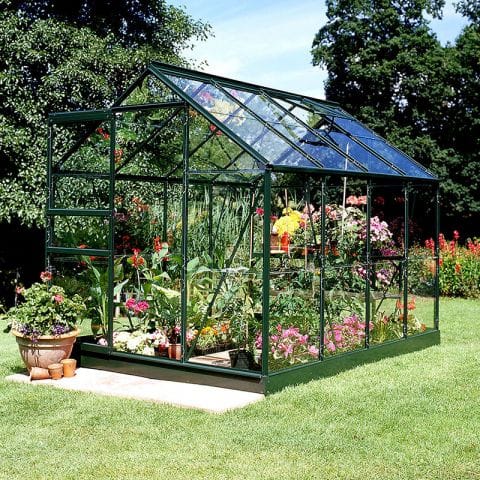
12% OFF: 6’4 x 8’6 Green Frame Halls Popular 68 Small Greenhouse (1.93 x 2.57m) £572.9912%

-
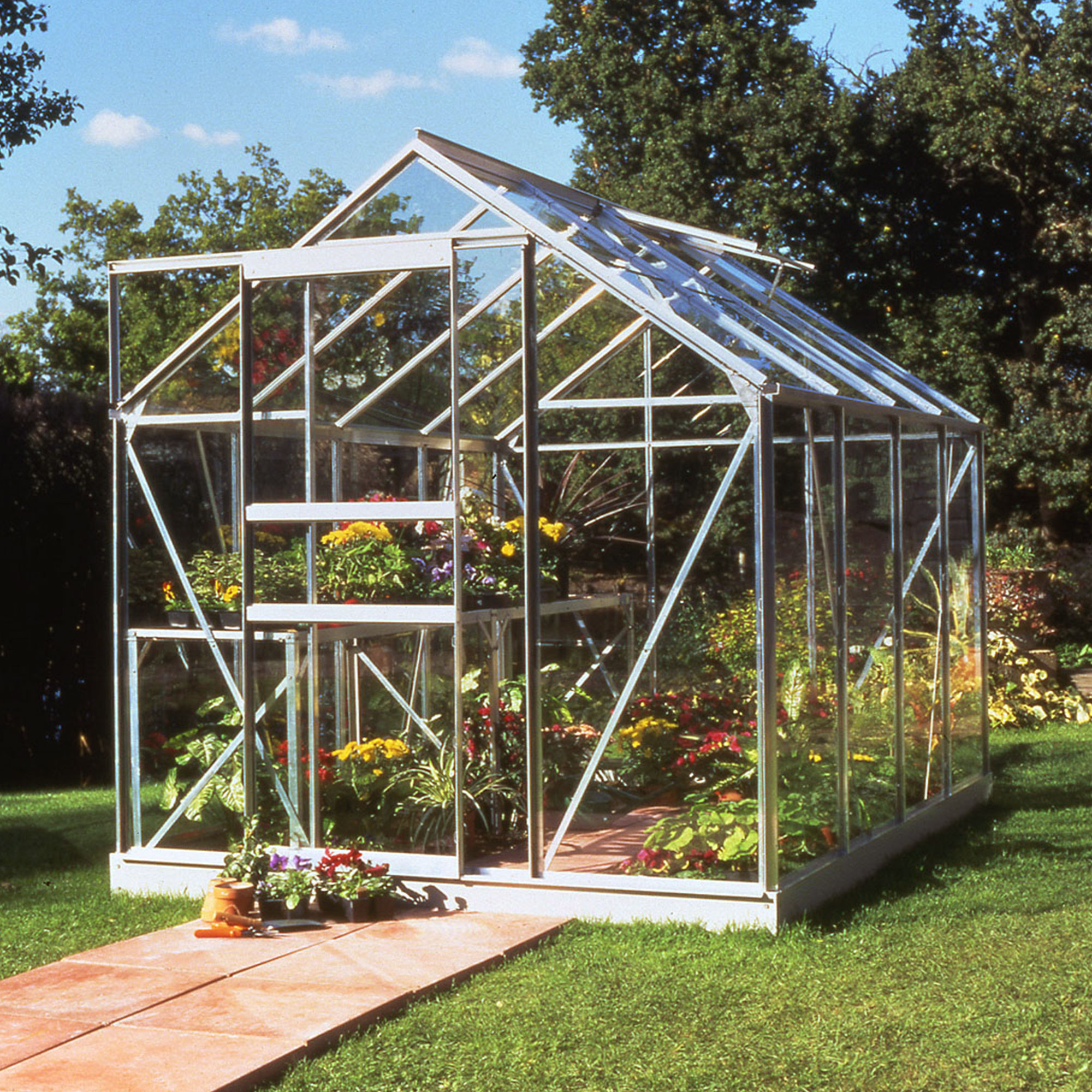
12% OFF: 6’4 x 8’6 Halls Popular 68 Small Greenhouse (1.93 x 2.57m) £525.9912%

Polycarbonate greenhouses 9×6 bring a practical growing space into a garden without taking over it, with light-catching panels, a useful footprint and room for crops, staging and seasonal protection.
A 9×6 footprint that actually works in real gardens
A 9×6 greenhouse sits in that useful middle ground where it feels compact enough for a smaller plot, yet still gives proper working space inside. The size suits gardeners who want more than a few trays on a shelf, but do not have room for a large walk-in structure. At roughly 9 feet by 6 feet, it can hold a sensible mix of pots, seed trays, hanging baskets, tomatoes, cucumbers and overwintering plants without feeling cramped straight away.
That footprint is one of the main reasons people choose this category. It can fit along a boundary, beside a shed or into a side return where a wider greenhouse would simply not go. In practical terms, it often gives enough depth for a central path and benches on one or both sides, depending on how you like to organise things.
Why polycarbonate changes the feel of the structure
Polycarbonate glazing gives this size of greenhouse a different character from traditional glass. Instead of clear panes, you get panels that spread the light more evenly, which many growers like for young plants and mixed use. The material is also known for its impact resistance, so it can feel like a more forgiving choice in gardens where weather is a bit lively or where a stray ball is part of daily life.
Bestseller der Kategorie polycarbonate greenhouses 9x6
In a 9×6 format, the choice of polycarbonate matters even more because the greenhouse is often used intensively. The structure may be smaller, but it still has to work hard through the season: starting seeds, raising tender plants, sheltering cuts and extending the harvest. Polycarbonate helps here by making the space feel bright without that harsh, direct beam you can get in some fully clear coverings.
Different panel types and what they do inside the frame
Not all polycarbonate greenhouses feel the same, and the panel type is one of the biggest differences. The main variations are:
- Single wall polycarbonate – lighter and often more affordable, with a more open light feel.
- Twin wall polycarbonate – has an air gap between layers, which can improve insulation and give the greenhouse a firmer, more sheltered feel.
- Multiwall polycarbonate – thicker panel builds, usually chosen when extra strength and a more buffered internal environment matter.
For a 9×6 greenhouse, twin wall is a common sweet spot because it balances light, strength and practical insulation. Single wall can work well too if the aim is mainly early propagation or summer growing, while thicker panels are often picked when the greenhouse needs to hold warmth a little better into spring and autumn. The difference is not just technical; it changes how the space behaves when you step inside on a bright day or a chilly morning.
Shapes that suit the same size in very different ways
The 9×6 footprint is used across several greenhouse shapes, and each one gives the interior a different rhythm. A lean-to greenhouse uses an existing wall, which is handy where garden space is tight and a freestanding unit would feel awkward. A freestanding apex greenhouse gives more even headroom and a familiar traditional shape, often making it easier to move around with trays and watering cans. A pent greenhouse can sit neatly against a wall or fence line, offering a slightly lower rear profile and a cleaner fit in narrow spots. There are also curved roof and offset roof forms, which can affect how rain runs off and how interior space feels at the edges.
Shape matters because the same 9×6 size can feel quite different depending on the roof line and side height. An apex version may give a more generous central standing area, while a lean-to might give easier access if the greenhouse is tucked beside a house or garage. If your garden has awkward corners, shape can be the deciding factor rather than the footprint alone.
What fits inside a 9×6 without everything feeling squeezed
This size is chosen for balance, and that means thinking in terms of useful zones. A 9×6 greenhouse can often handle:
- Seed trays and plug plants on staging or shelves
- Tomato and cucumber plants grown vertically
- Pot plants waiting for planting out
- Overwintering plants that need shelter but not a huge space
- Propagation space for cuttings, small pots and early sowings
That mix is what makes the category attractive. It is not just about maximum plant count; it is about arranging the inside so each crop has a role. A compact greenhouse can become very efficient when one side holds staging, the other side carries taller plants, and the centre stays clear enough for moving about. In a 9×6 layout, small decisions about bench depth and shelf placement make a real difference.
The light story: bright, but not glaring
One reason growers choose polycarbonate glazing is the way it handles light. The panels usually diffuse sunlight more softly than clear glass, which can reduce harsh patchy brightness and create a more even growing environment. For many plants, that can mean less stress from sudden intense sun, especially when the greenhouse is used for tender seedlings or mixed collections.
That does not mean the greenhouse feels dim. On the contrary, a well-placed 9×6 polycarbonate structure still gives a bright interior, but with a softer spread. This can be useful if you are growing a combination of vegetables and ornamentals, because one area does not end up unnaturally bright while another sits in a sharp shadow. It is a small detail, but it shapes the way the greenhouse is used day to day.
Strength without the same fragile feel
Impact resistance is one of the clearest differences between polycarbonate and more brittle materials. In a garden setting, that can matter a lot. Hail, wind-borne debris and everyday knocks are all part of the picture, and the panels are generally chosen because they stand up well to that sort of treatment. For a 9×6 greenhouse, which may be set in a tighter space or near a path, that added resilience can be a real comfort.
The structure around the panels still matters, of course, and frame choice affects the overall feel. But polycarbonate brings a kind of working confidence to the category. It can suit gardeners who want a greenhouse that feels robust enough for frequent use rather than something they have to handle with extra caution every time they open the door.
Ventilation styles that suit a smaller growing house
In this size, ventilation is not an afterthought. It is part of how the greenhouse functions as a usable growing space. Common options include roof vents, louvre vents and opening doors that help move air through the structure. A 9×6 greenhouse may only need a modest amount of opening area, but the layout should let warm air escape without making the space draughty right where delicate plants sit.
The shape of the greenhouse can influence how air moves. An apex roof tends to give a bit more vertical room for warm air to rise, while a pent or lean-to style may depend more on side and roof vent placement. For growers who use the space heavily, the right ventilation setup can make the interior feel easier to work in and more adaptable across changing weather. It’s not just about stopping heat build-up; it’s about keeping the greenhouse usable when the weather turns quickly.
Frames, profiles and the feel of the build
Although the category is defined by polycarbonate, the frame and profile still shape what buyers notice first. A slimmer frame can make the greenhouse look neat and modern, while a more substantial profile may give a firmer visual presence. In a 9×6 size, the frame can also affect how much internal room is left once shelves and staging are fitted in. That is worth checking because a greenhouse can look spacious on paper and still feel busy once benches are added.
Different builds also lend themselves to different garden settings. A light-looking frame may suit a small urban plot or courtyard. A more solid profile can sit well in an exposed garden or beside timber structures. Buyers often compare the look of the frame alongside the panel type, because the combination sets the tone of the greenhouse as much as the footprint does.
When this size beats going bigger
There is a clear appeal in keeping the greenhouse to a 9×6 format. It is usually easier to position, easier to plan, and less likely to dominate the garden. For many people, that means the greenhouse gets used more often because it feels manageable. A bigger unit can be tempting, but if it takes over the whole space or becomes awkward to reach from the house, it may not be the best fit.
A 9×6 greenhouse can also suit gardens where boundaries, sheds and planting beds already occupy most of the available ground. Instead of forcing a larger structure into a tight layout, this size allows the rest of the garden to remain usable. That is often the sensible choice for people who want a growing area without losing the garden around it.
Different ways buyers use the same category
The beauty of this category is that it supports several growing styles. Some buyers want a propagation-focused greenhouse with lots of trays and shelves. Others want a productive vegetable space for tomatoes, peppers and salad crops. Some are looking for a sheltered place for ornamentals, citrus or half-hardy plants. The 9×6 format can work for all of these, though the internal layout should reflect the main purpose.
For example, a gardener who raises lots of seedlings may prefer more bench space and vertical storage. Someone growing taller crops may want a clearer floor area and fewer fixed shelves. A collector of pots and tender plants may look for balanced access from both sides. The same greenhouse category can feel quite different once the intended use is clear, which is why buyers often compare not only the size but the shape and panel type too.
Details that quietly influence the buying decision
Small details can shape whether a polycarbonate greenhouse 9×6 feels right before it even arrives in the garden. Door position matters because it affects access with trays, compost bags and tools. Roof height matters because it changes how comfortable the greenhouse feels when you are inside for longer periods. The way the panels are fixed, the overall style of the frame and the internal arrangement all contribute to the final result.
A greenhouse of this size is often bought with a clear job in mind, so it helps to think in practical terms. Will the greenhouse need enough standing room for daily tasks? Is there space for a path through the middle? Will the chosen shape fit the boundary line without cutting into beds? These questions are not flashy, but they are what separate a neat purchase from one that feels awkward later.
Good reasons to choose polycarbonate in this size
There are a few strong reasons this category keeps drawing interest:
- Compact but usable footprint for many gardens
- Soft light diffusion for seedlings and mixed planting
- Improved impact resistance compared with more fragile glazing
- Several shape options including apex, lean-to and pent styles
- Flexible internal layouts for propagation, vegetables or overwintering
None of these points works in isolation. Together they explain why a 9×6 polycarbonate greenhouse can feel like a thoughtful middle-sized solution rather than a compromise. It is large enough to be genuinely useful, yet still small enough to place with care in a typical home garden.
What to look at before choosing one
Before picking a model in this category, it helps to compare the panel thickness, shape, frame style and internal height. Those elements affect how the greenhouse behaves far more than its size label alone. A buyer who wants to grow tall crops should look carefully at roof and side height. Someone focused on early sowing may care more about insulation and light spread. If the greenhouse is going into a narrow plot, the footprint and door opening may matter more than anything else.
It is also worth thinking about how the greenhouse will be used across the year. A structure that feels ideal in late spring may not suit autumn storage or early-season propagation unless the internal arrangement works properly. In a 9×6 footprint, planning matters because every bit of space has a job to do.
A category for growers who want a tidy fit and real growing room
Polycarbonate greenhouses 9×6 sit in a particularly practical part of the market. They offer enough room to grow seriously, but they still fit where larger structures would be a bit much. The panel choice changes the way light behaves, the shape changes how the space feels, and the frame affects how neatly the greenhouse sits in the garden. Put together, those details make this category appealing to buyers who want a greenhouse that looks considered and works hard, without taking over the whole plot.
If you are comparing options, this is the sort of greenhouse that rewards a close look at the details. The right combination of shape, panel type and layout can turn a modest footprint into a very capable growing space, and that is often what makes the purchase feel right in the end.
[Sassy_Social_Share]